




Antique Table Cigar Lighter
An antique table cigar lighter brings sculptural form and practical flame to the smoking room, offering a tactile piece of smoking history.
Antique Table Cigar Lighter
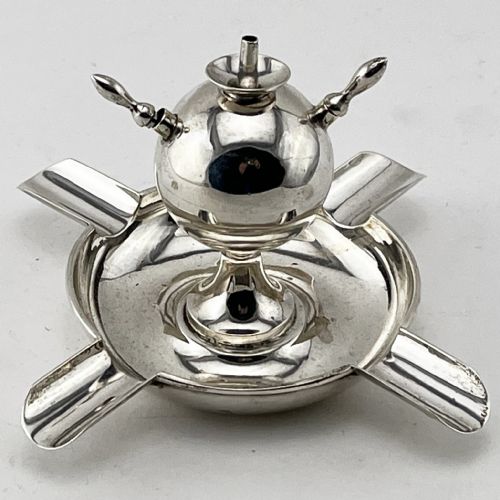
An antique table cigar lighter serves as a functional smoking accessory designed to sit permanently on a desk, smoking table or sideboard. These pieces emerge predominantly from the Victorian and Edwardian periods, stretching into the early decades of the twentieth century.
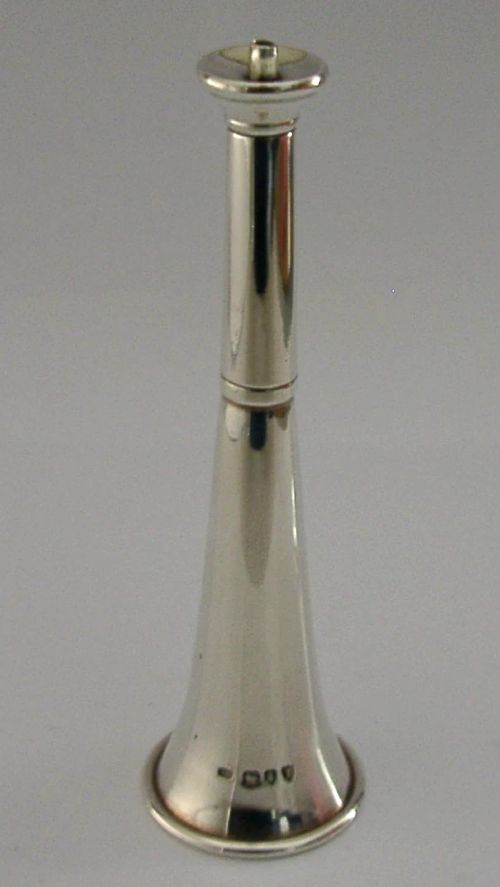
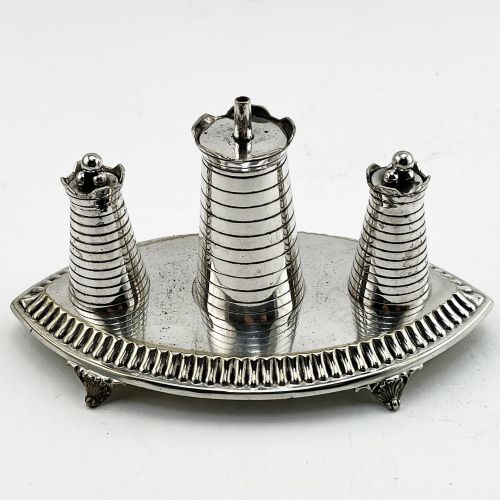
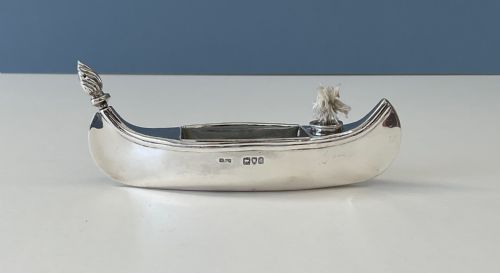
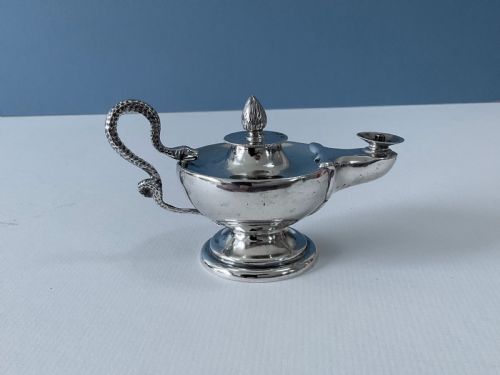
The common forms include classical oil lamps, animal shapes and hunting horns. Novelty pieces take inspiration from everyday objects, architecture and animals such as frogs, snakes and castles.
Smoking compendiums and cigar boxes appear alongside standalone lighters, combining multiple smoker requirements into a single desk object.
Materials and construction
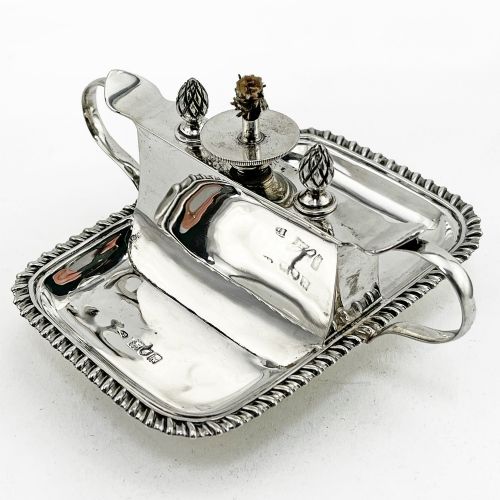
Makers utilised sterling silver and silver plate as the primary metals for bodies and mounts, occasionally combining them with glass, horn, cotton and fabric wicks. Solid silver items carry hallmarks that reveal assay offices and production dates.
Cast and chased silver creates the detailed shapes of animals, hunting horns and architectural models. Some pieces incorporate hinged lids, weighted bases and wheels to support practical table use.
Animal and hunting horn shapes appear frequently among the novelty smoking accessories.
Assessing the craftsmanship
The quality rests in the crispness of the casting and the weight of the metal. Finer examples show sharp relief in novelty designs like hunting horns and animal figures, whereas lesser pieces display softer surface details.
Maker attribution elevates a piece, with recognised silversmiths demonstrating superior finishing and more substantial gauge silver compared to unbranded silver-plated alternatives.
Wright and Davies·Jan Eisenlöffel·Joseph Braham·Mappin and Webb·Elkington·Gorham·Asprey
The Antique Table Cigar Lighter Glossary
- Novelty lighter
- A lighter shaped to resemble an animal, vehicle, human figure or object rather than a standard lamp. These whimsical forms attract specialised collectors.
- Smoking compendium
- A desk set that groups a table cigar lighter together with cigar boxes, match holders or ashtrays. They offer a complete smoking apparatus in one matching design.
- Hallmark
- A stamped official mark on silver indicating the maker, assay office, standard of purity and year of manufacture. They provide the core evidence for dating a piece.
- Wick
- The cotton or fabric cord that draws fuel to the flame. Original wicks are uncommon in surviving examples.
Antique Table Cigar Lighter: Frequently Asked Questions
How did people use an antique table cigar lighter?
These lighters sat on dining tables or in smoking rooms where gentlemen gathered after meals. Users would lift the piece or tilt the lamp to reach the flame for their cigars.
The cotton wick absorbed liquid fuel, producing a steady flame that remained lit until the snuffer cap closed over the nozzle.
What fuels did these table lighters burn?
Period table lighters typically utilised lamp oil or lighter fluid to maintain a steady flame. The enclosed reservoir kept fuel contained within the metal or glass body.
A fabric wick fed the flame from the internal reservoir up through the burner nozzle.
How do I identify the date of a silver lighter?
British silver pieces carry hallmarks stamped directly onto the metal surface. These tiny marks show the assay office, standard mark and a specific letter code for the year.
Items lacking hallmarks rely on style, registered design numbers and maker marks to establish an approximate date.
Why are some lighters shaped like animals?
Victorian and Edwardian manufacturers embraced novelty designs to amuse guests during social gatherings. Animals such as frogs, snakes and hunting horns turned mundane smoking tools into conversation pieces.
These whimsical objects reflect the broader Victorian appetite for imaginative decorative metalwork.