


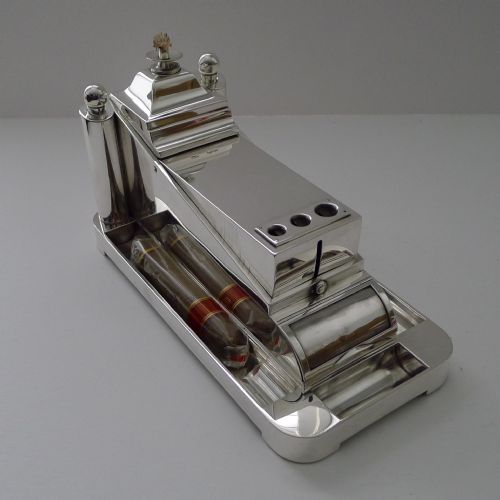


Antique Smoker Accessory
These antique smoker accessory pieces combine utility and craftsmanship from past eras, offering collectors distinct items to enhance their homes.
Antique Smoker Accessory
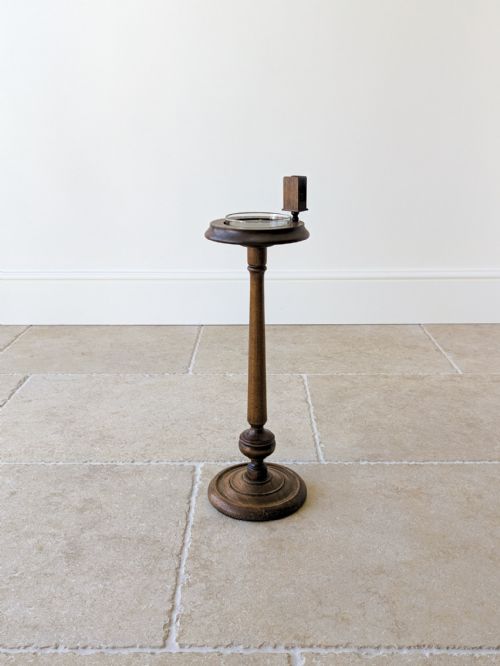
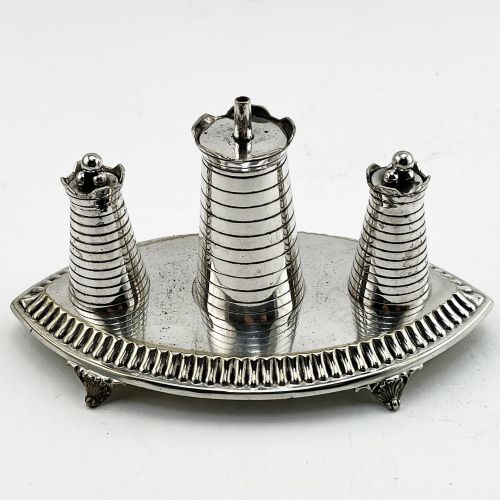
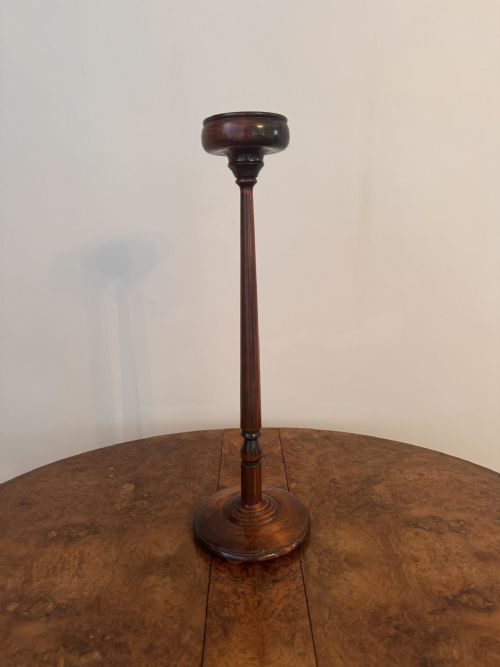
An antique smoker accessory encompasses a range of items designed for tobacco use, spanning floor-standing stands, table lighters, ashtrays, cabinets, cigar cases, vesta cases, and pipe tampers. These objects reflect the social habits of the nineteenth and twentieth centuries, featuring forms intended for domestic or personal use.
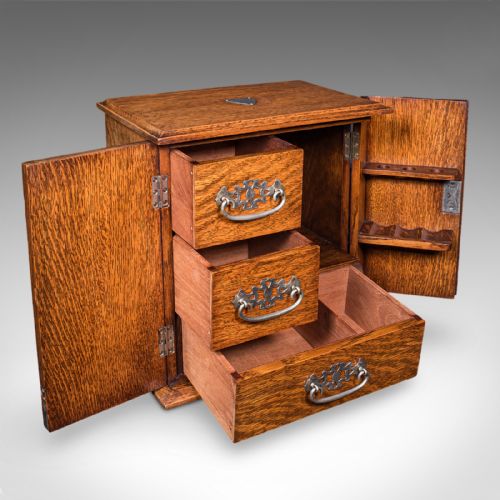
Floor-standing smoking stands and smoking cabinets provide substantial storage for pipes, tobacco, and matches, whilst smaller items like vesta cases and cigar cases offer portable utility. The selection available on this page demonstrates variety in scale and function.
Origins and periods represented on this page span the Victorian era, the Edwardian period, the Art Deco style, and the twentieth century up to nineteen sixty. Buyers encounter both British craftsmanship and international pieces, such as Qing Chinese sterling silver and enamel items.
How they were made
Materials utilised in these pieces include sterling silver, silver plate, nickel silver, mahogany, oak, glass, and metal. Cabinet makers employed hardwoods like mahogany and oak for floor-standing stands and smoking cabinets, often incorporating fitted compartments and doors.
Silversmiths shaped sterling silver and silver plate into ashtrays, table lighters, cigar cases, and vesta cases, frequently adding decorative elements such as enamel work. Specialised items also integrate functional mechanics, as seen in combination penknives and wheeled compendiums.
One Victorian compendium takes the form of a fire carriage on wheels, ready to roll across the table with your cigars.
What varies in quality
The standard of an antique smoker accessory depends upon the fineness of the materials and the complexity of the manufacturing technique. Sterling silver items marked by established makers demonstrate higher grade metalwork compared to basic silver plated or metal alternatives.
Novelty forms and architectural designs, such as fire carriage compendiums and castle style lighters, require greater skill from the maker than standard ashtrays or simple vesta cases. The preservation of original moving parts, fitted interiors, and enamel decoration further distinguishes finer examples.
The Antique Smoker Accessory Glossary
- Compendium
- A fitted box or stand containing multiple smoking implements and accessories together. These portable or tabletop units house items such as lighters, ash trays, and cigar cutters.
- Vesta Case
- A small pocket box designed to hold matches and keep them dry. They typically feature a hinged lid and a striking strike on the base.
- Table Lighter
- A mechanical device for igniting cigars or pipes, made to sit permanently on a desk or smoking table. Examples take various decorative forms, including castle and novelty shapes.
- Pipe Tamper
- A small tool used to pack tobacco down into the bowl of a pipe. They are frequently paired with picks for cleaning.
Antique Smoker Accessory: Frequently Asked Questions
What is an antique smoking stand?
An antique smoking stand is a floor-standing piece of furniture designed to hold smoking accessories, popular during the late nineteenth and early twentieth centuries.
These stands typically include trays, compartments, or racks to keep pipes, tobacco, and matches close at hand in a drawing room or study.
How were silver vesta cases used?
Silver vesta cases were carried in pockets or attached to watch chains to safely store matches before safety matches became universally widespread.
The hinged lid protected the matches from moisture, whilst the serrated base allowed the user to strike them.
What is a smoking compendium?
A smoking compendium is a comprehensive set that brings together several smoking accessories, such as lighters, ashtrays, and cigar cutters, within a single decorative container or stand.
Victorian makers often fashioned these compendiums into elaborate novelty shapes, including fire carriages and wheeled carts.
How do I date an Edwardian smoking cabinet?
An Edwardian smoking cabinet dates from the reign of King Edward the Seventh, spanning the first decade of the twentieth century.
Identifying markers include specific hardwood construction such as mahogany, traditional brass hardware, and interior fittings designed specifically for storing pipes and cigars.