

Antique Table Bell
An antique table bell brings a sharp, clear ring to a desk or sideboard, offering a tangible link to domestic service and grand dining rooms.
Antique Table Bell
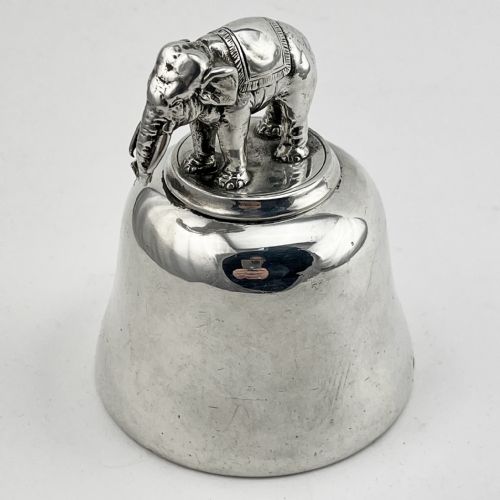
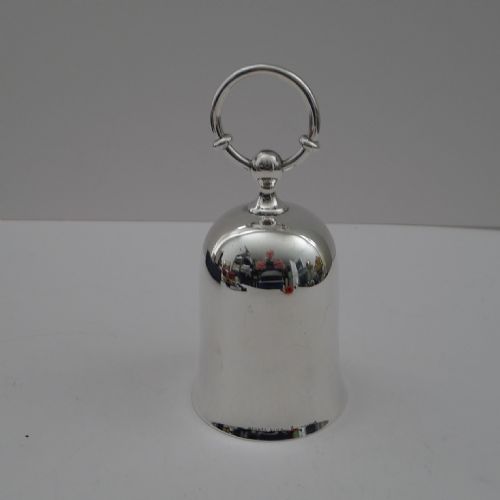
An antique table bell serves as a functional desktop or reception call instrument, frequently encountered in solid sterling silver or mounted brass from the Victorian and Edwardian eras. These pieces range from simple push-plunger mechanisms to ornate cast models with figural handles.
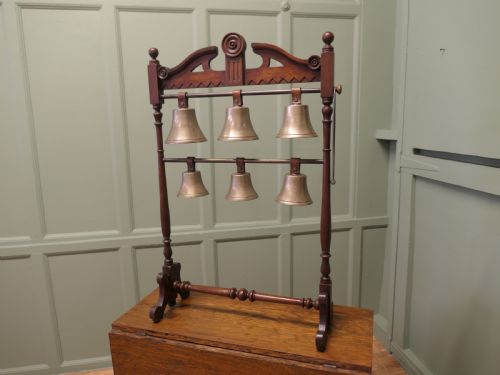
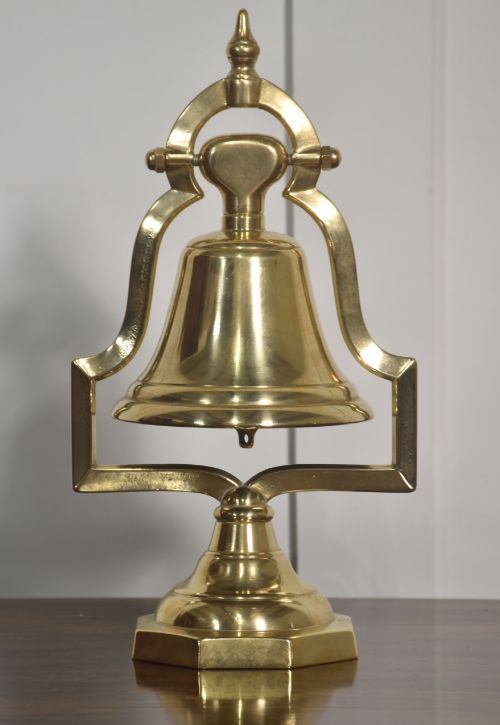
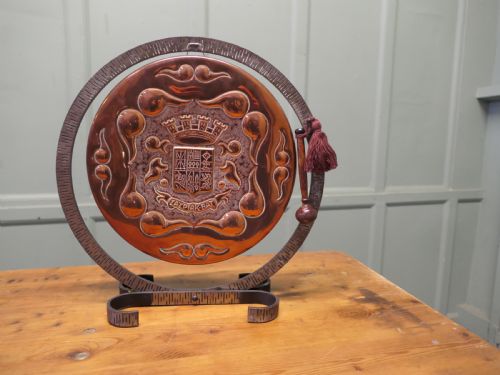
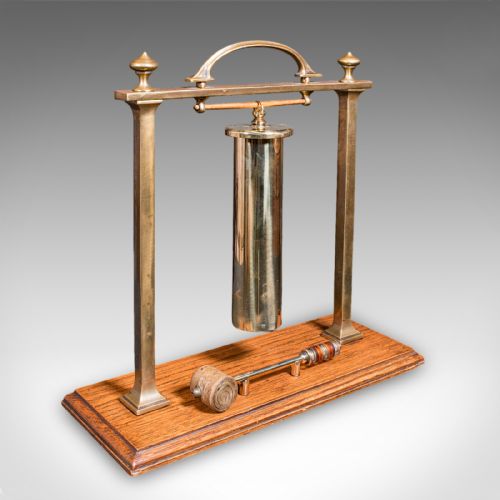
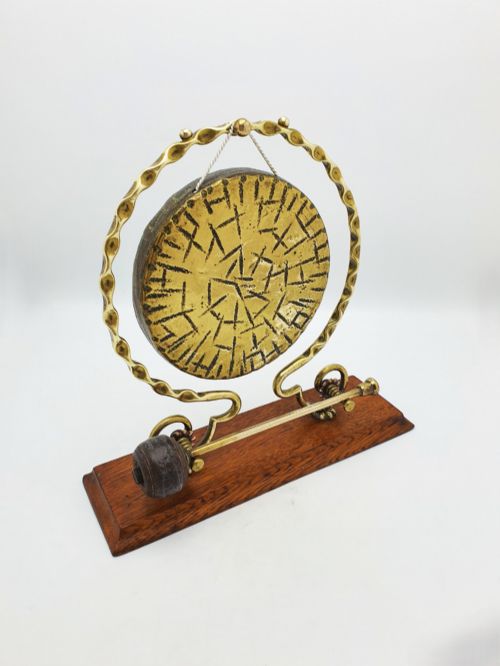
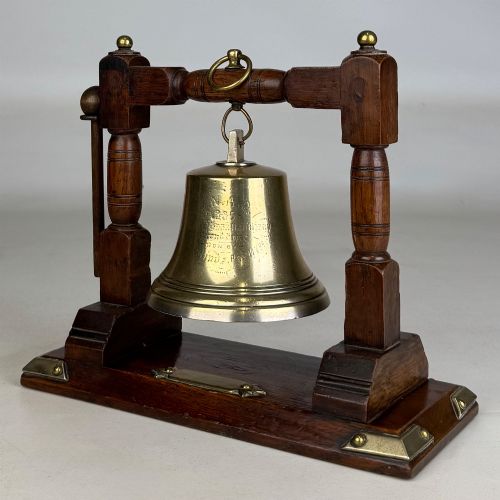
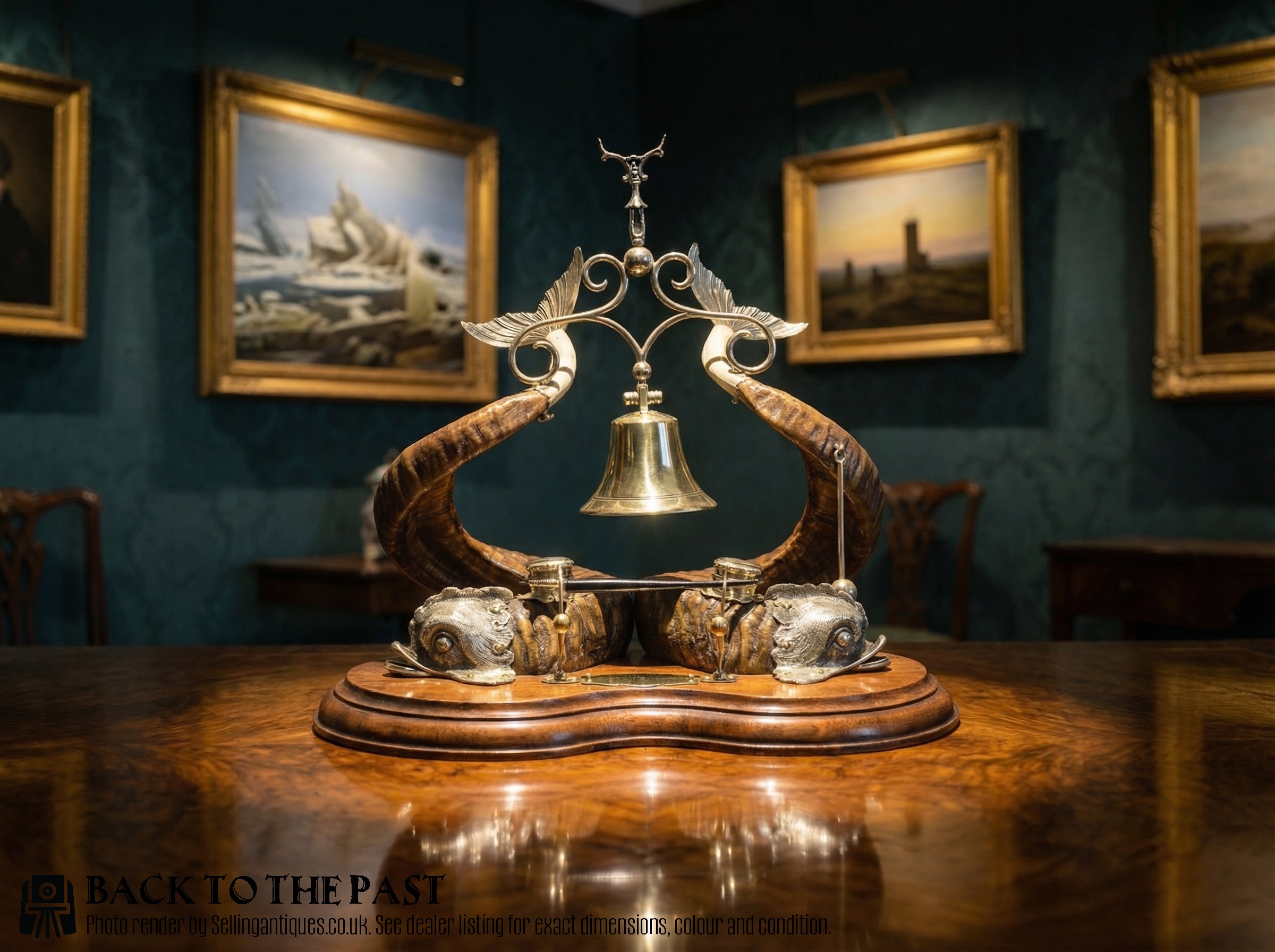
The selection encompasses larger dinner gongs suspended in carved oak or bamboo frames alongside smaller desk bells designed for hotel counters, drawing rooms, and studies. Materials span cast bronze, polished brass, and precious silver, often paired with wooden bases or glass bodies.
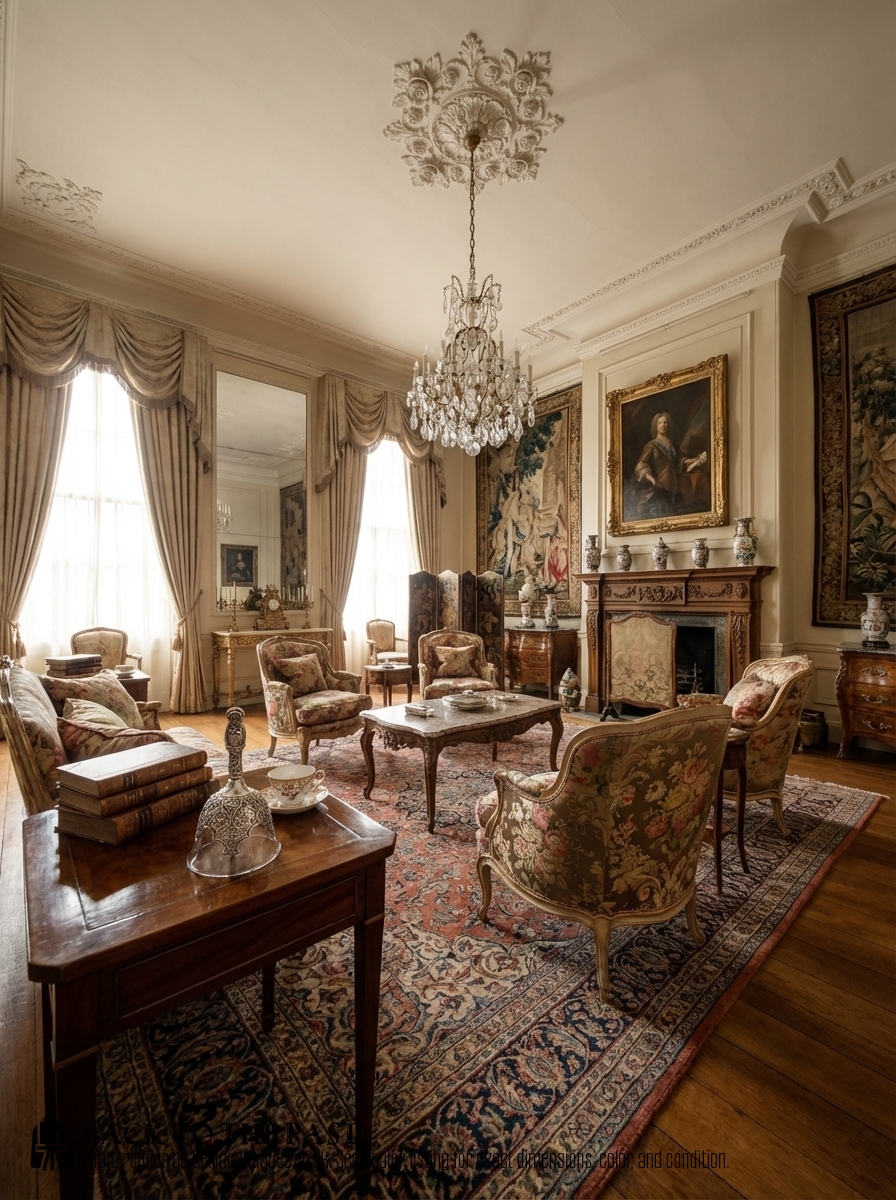
How they were made
Metalsmiths utilised casting, hammering, and turning techniques to shape brass, bronze, and sterling silver into resonant bells and sturdy stands. Silver models often bear hallmarks indicating assay offices and maker marks, while bronze and brass examples rely on traditional foundry casting.
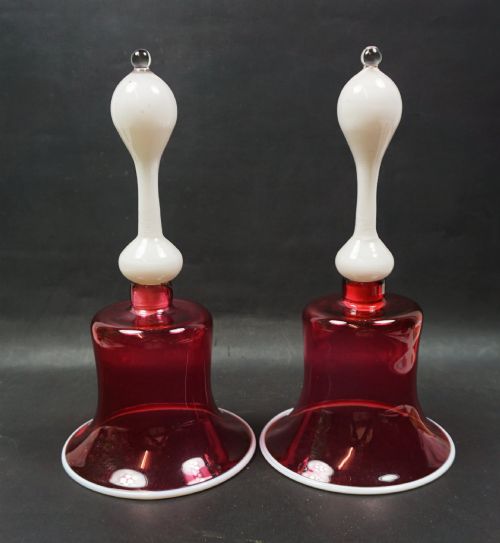
Wooden elements incorporate oak, ebonised wood, and walnut, frequently carved or polished to support heavy metal gongs and bells. Glass components appear in coloured hues such as cranberry and ruby, shaped through glassblowing and applied to metal strikers or rims.
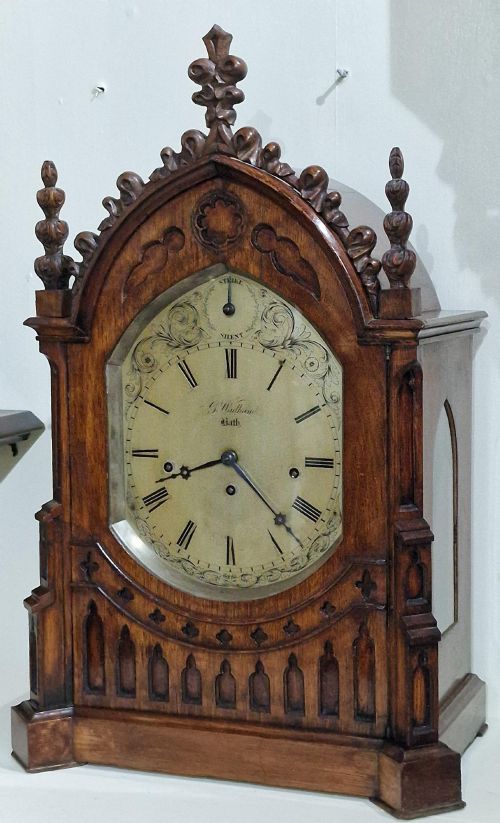
The archive includes mechanical desk models alongside suspended oak dinner gongs and glass hand bells.
What varies in quality
The resonance of the metal and the precision of the internal spring or clapper mechanism dictate the superiority of the piece. Solid sterling silver castings and heavy bronze show greater substance than plated alternatives, maintaining clearer tones when struck.
Artisanal detail in the handle design, such as figural silver work or hand-hammered copper surfaces, separates standard utility items from luxury desk accessories. The integrity of mounted wooden frames and the absence of distortion in glass elements indicate higher manufacturing standards.
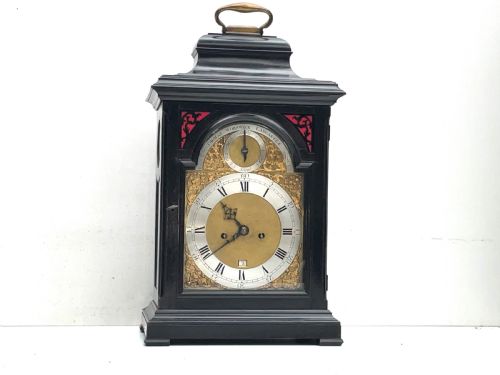
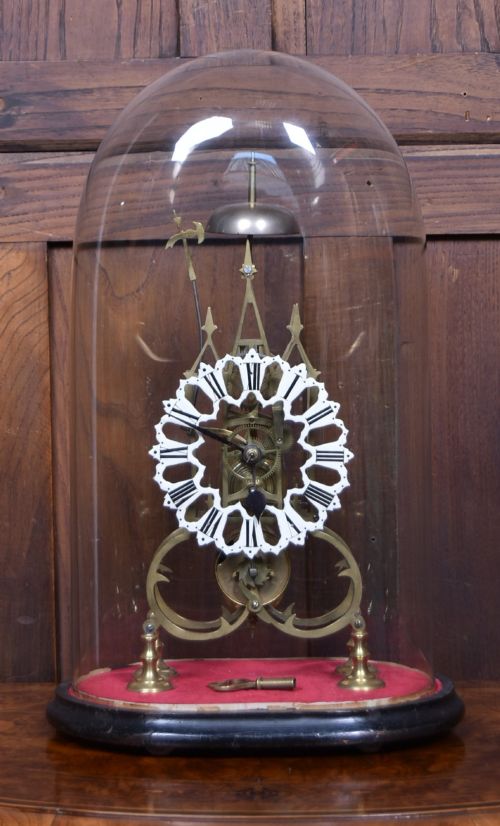
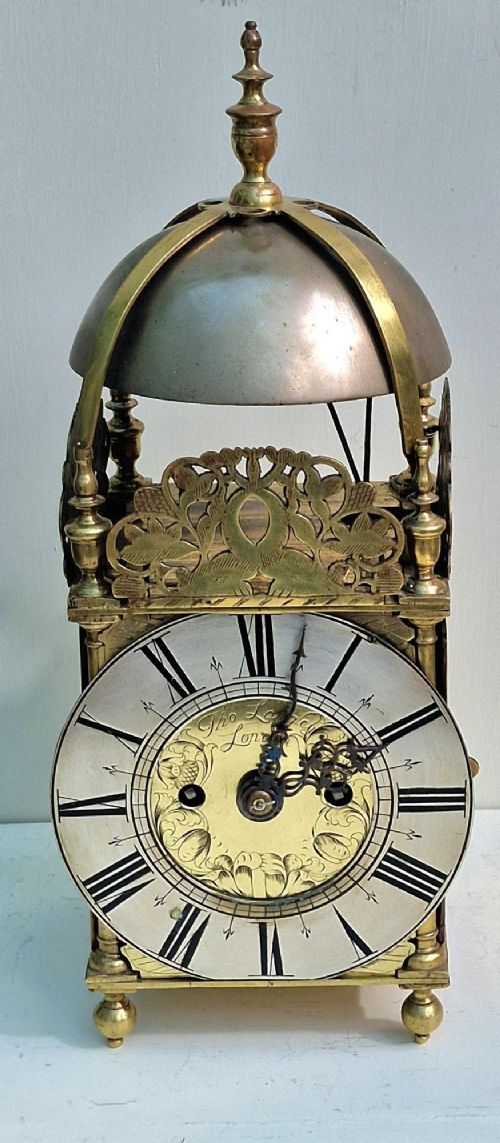
Thomas Langley·George Wadham·Windmills and Bennet·William Barrow·Paul Garnier·Somersall London·William Cor·George Unite
The Antique Table Bell Glossary
- Fusee
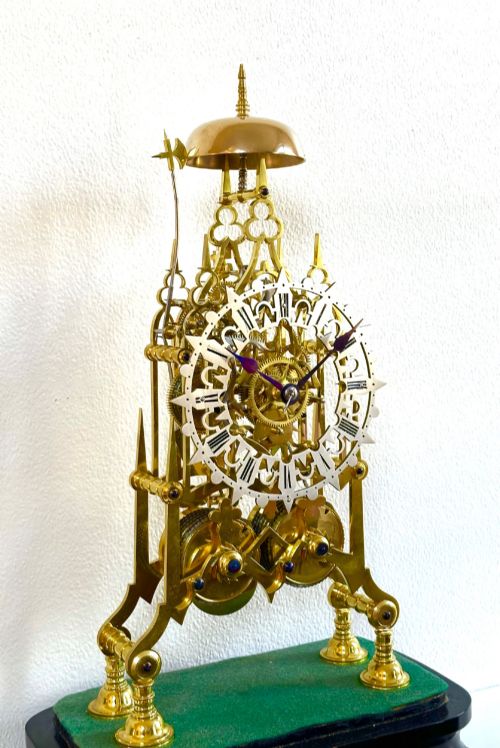
- A conical pulley used in clockwork mechanisms to maintain even tension as the mainspring unwinds. This device appears in complex timepieces that incorporate bell-striking functions.
- Sterling silver
- An alloy containing ninety-two point five percent silver by mass, widely utilised for high-end Victorian and Edwardian desk bells. Assay offices stamped these items with date letters and maker marks.
- Ormolu
- Ground metallic bronze applied to objects through a mercury-gilding process, creating a rich golden surface finish. This technique decorates the mounts of mantel clocks and bell stands.
- Verge escapement
- An early mechanical regulator controlling the speed of a clock or striking train. It governs the motion of the gears before the bell sounds.
- Gong
- A suspended metal disc or tube struck with a mallet rather than a traditional internal clapper. These larger pieces often hang within oak or bamboo table frames.
Antique Table Bell: Frequently Asked Questions
How do mechanical desk bells work?
Mechanical desk bells operate via an internal spring and hammer mechanism concealed beneath a dome. Pressing a plunger causes the internal hammer to strike the inner wall of the bell.
This design allowed for rapid signalling in Victorian offices and hotels without lifting the entire object. The internal springs require careful handling to maintain their original tension.
Were silver table bells used at dinner?
Silver table bells primarily served in reception areas, studies, and drawing rooms to summon staff. Larger gatherings relied on suspended gongs rather than small silver hand-bells.
Wealthy households placed them on writing desks or reception counters. Their clear tone carried easily across domestic rooms.
How do I identify a Victorian bell?
Victorian examples often feature British silver hallmarks with specific date letters corresponding to the nineteenth century. Stylistic indicators include Gothic revival motifs and heavy cast silver handles.
Brass and bronze versions from this period frequently pair with carved oak or ebonised wooden bases. Examining the underside often reveals casting marks or registration numbers.
What is the difference between a bell and a gong?
A table bell consists of a cup-shaped metal shell struck by a clapper or internal hammer. A gong uses a suspended metal plate or tube that hangs from a wooden frame and is struck with a mallet.
Gongs produce a deeper, more resonant tone suited for dining rooms. Bells offer a sharper, more immediate ring for desk use.