



Antique Sword Hilt
An antique sword hilt carries the heavy grip, guard, and pommel of a historic edged weapon, shaped for balance and protection in combat.
Antique Sword Hilt
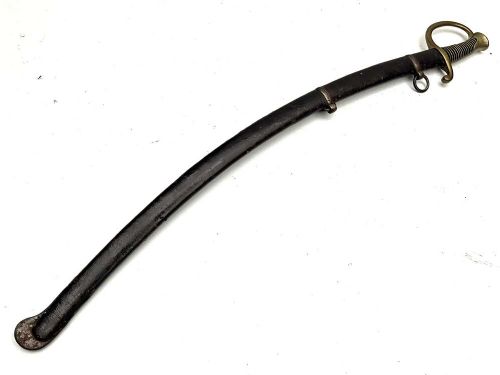
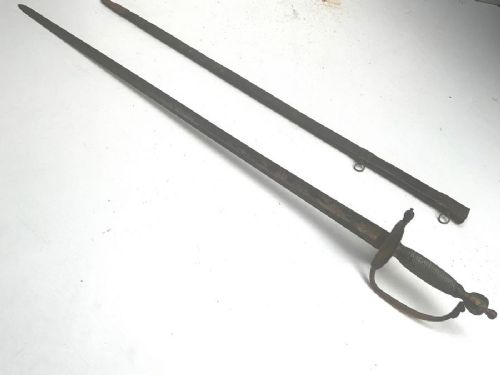
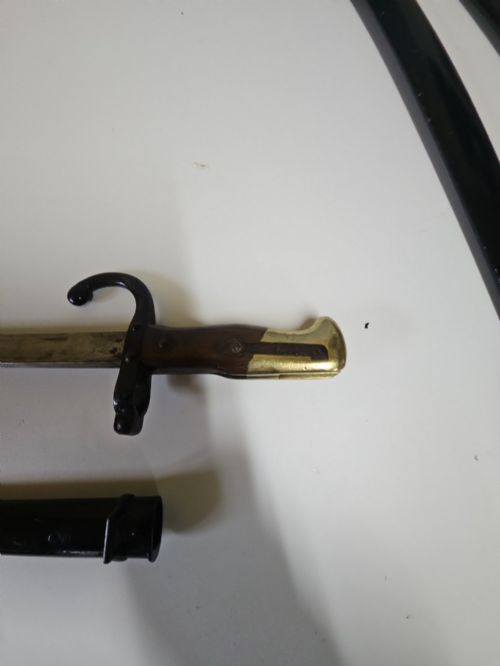
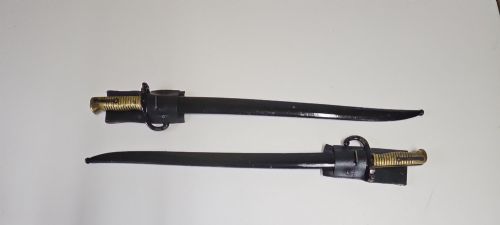
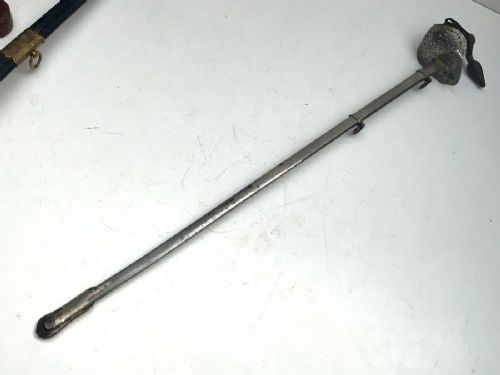
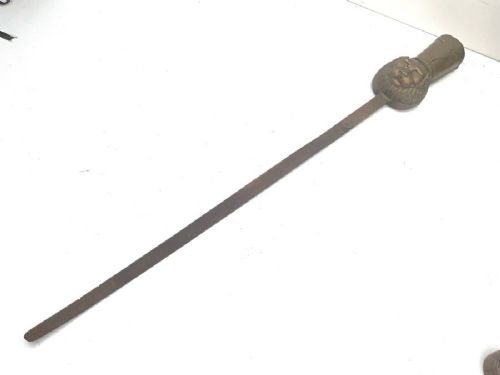
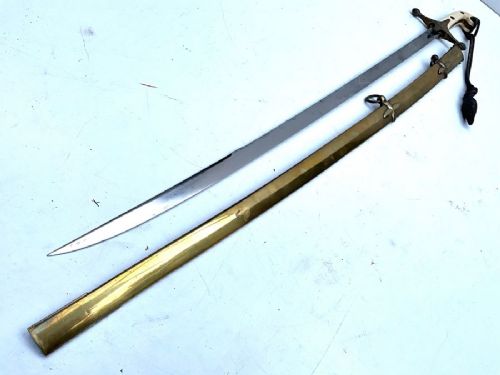
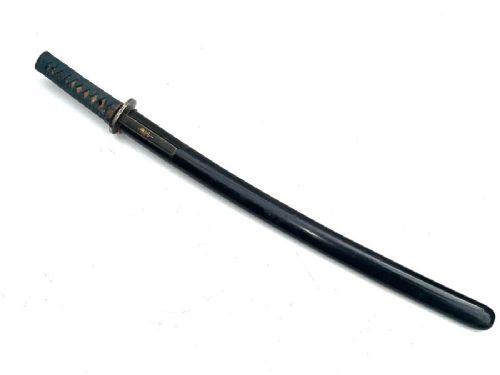
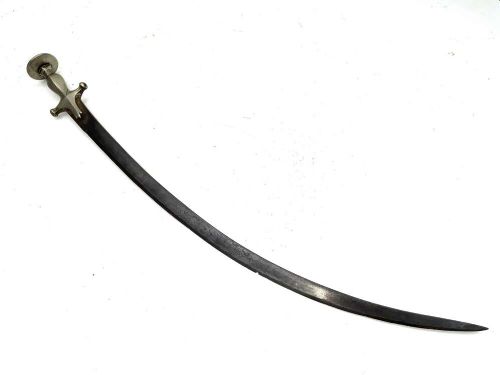
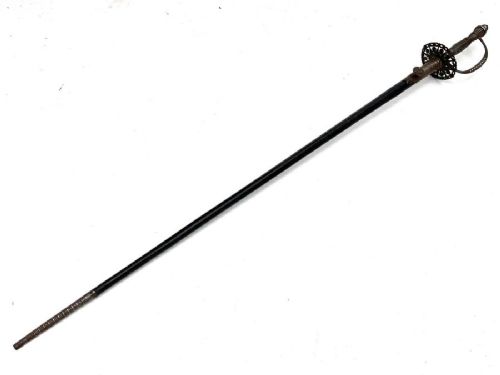
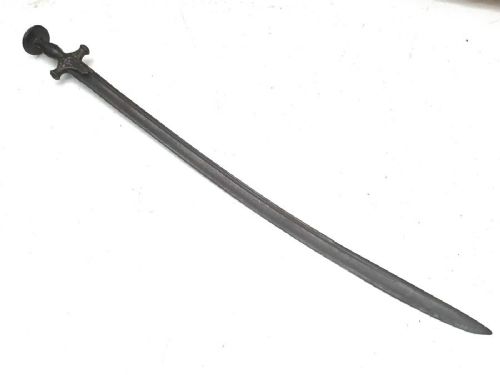
When searching for an antique sword hilt, collectors examine the remains of historic sidearms spanning the eighteenth and nineteenth centuries. These fragments and mounted handles range from European military sabres and British officer spadroons to ornate Indo-Persian tulwars and Japanese wakizashi fittings.
The specimens appearing here showcase diverse regional forms, including Scottish broadsword designs, French cavalry patterns, and Portuguese cup hilts. Buyers encounter both functional military remnants and decorative items modelled directly on historic guard patterns.
Materials and construction
The physical evidence reveals handles fashioned from durable metals like steel, brass, iron, and silver, paired with organic grips of wood, leather, bone, and samber deer antler. Smiths and armorers forged and cast these metals to form protective knuckle-bows, intricate basket guards, and solid pommels.
Makers integrated decorative elements such as silver handles, agate inlays, or gilded brass finishes to signify rank and ceremony. Leather wraps and wire bindings provided secure holds for officers and troopers across various military campaigns.
Deer antlers occasionally found a second life as exceptionally sturdy sword handles.
Assessing craftsmanship and preservation
Quality in these pieces rests upon the precision of the metalwork, the integrity of the organic grip materials, and the survival of original patination. Superior examples display crisp chasing on brass or silver guards and tightly fitted components without excessive replacement parts.
The distinction between standard military issue and officer-grade or ceremonial pieces shapes desirability. Refined detailing, such as intricate basket-hilt wirework or precious metal mounts, elevates the execution far beyond basic functional requirements.
H Wilkinson
The Antique Sword Hilt Glossary
- Hilt
- The assembly comprising the grip, guard, and pommel that allows a person to hold and wield a sword safely.
- Basket hilt
- A protective metal guard composed of multiple bars or plates that completely enclose the hand, common on Scottish and cavalry swords.
- Mameluke
- A distinctive curved sword hilt style with a crossguard and prominent pommel ears, popularized by British and American officers in the nineteenth century.
- Spadroon
- A lightweight straight sword with a single-handed hilt designed for both cutting and thrusting.
- Pommel
- The heavy counterweight knob at the top of the hilt that secures the grip and balances the blade.
Antique Sword Hilt: Frequently Asked Questions
What is an antique sword hilt?
An antique sword hilt is the surviving grip, guard, and pommel section of a historic sidearm. These components protected the hand and provided balance for the blade during combat or ceremonial use.
Collectors often acquire them as standalone studies in metalwork, military history, and regional armory craftsmanship from centuries past.
How were these hilts used historically?
Military officers, cavalry troopers, and nobility utilised these weapons for defence, combat, and formal dress uniform display. The hilt protected the user's hand from opposing strikes while allowing precise control of the blade.
Many examples reflect specific military campaigns, cavalry regiments, or naval traditions of the eighteenth and nineteenth centuries.
How do I identify the period of a hilt?
Dating relies on the prevailing military patterns, national styles, and material preferences visible in the metalwork and grips. Georgian, Victorian, and specific regimental patterns each exhibit characteristic guard shapes and manufacturing techniques.
Comparing the construction methods against documented military issue timelines helps narrow down the decade of production.
How should I display a sword hilt?
Displaying these pieces safely involves mounting them securely on stable wall brackets or placing them within enclosed display cabinets. Maintaining a stable room temperature prevents degradation of organic grip materials like wood, bone, and leather.
Proper support ensures the weight rests evenly without placing undue stress on fragile joints or wire bindings.