

Antique Swiss Movement Watch
An antique swiss movement watch offers precision horology spanning the Victorian era through the mid-twentieth century.
Antique Swiss Movement Watch
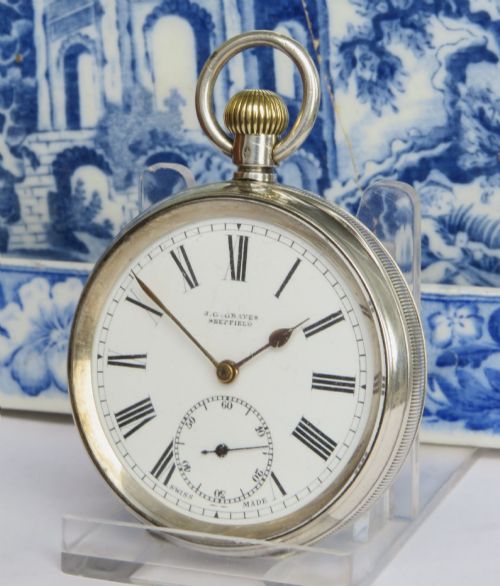
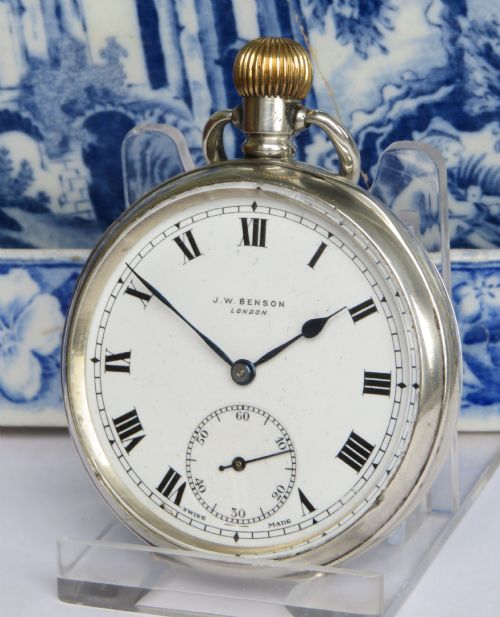
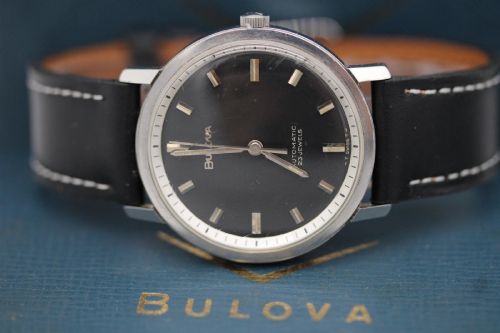
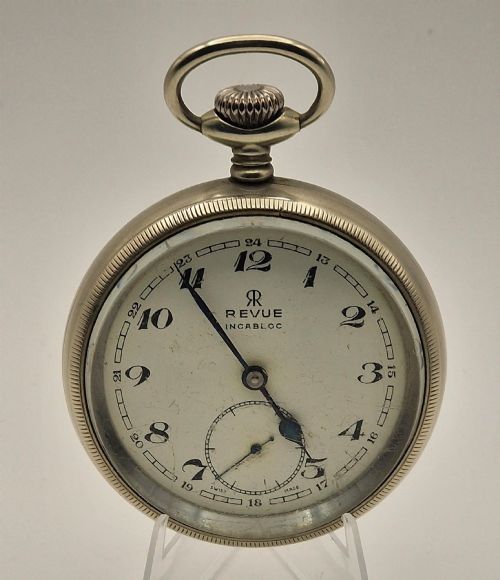
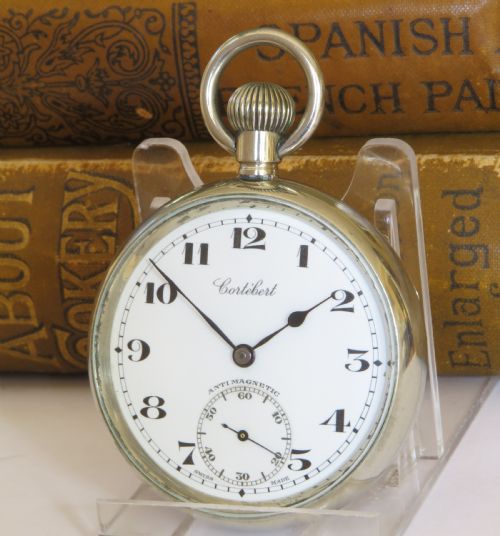
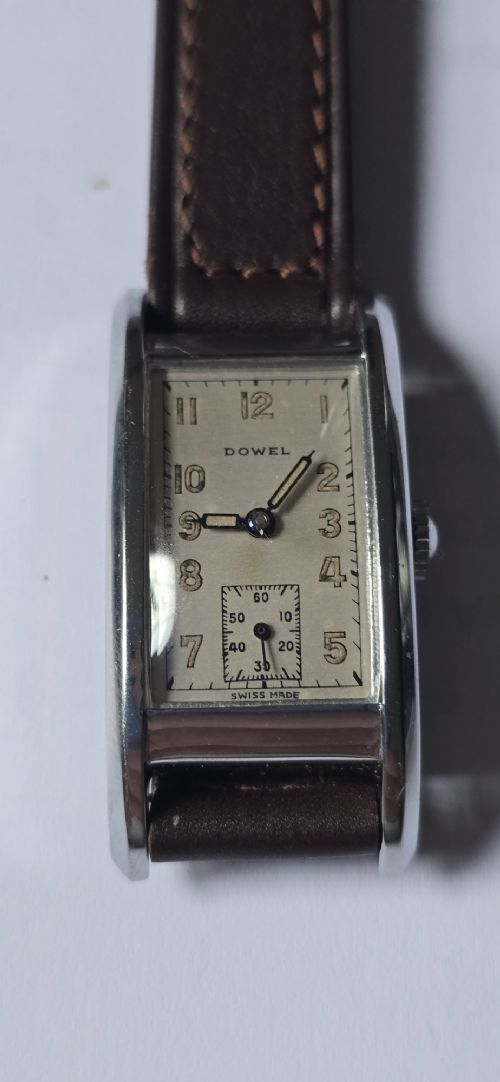
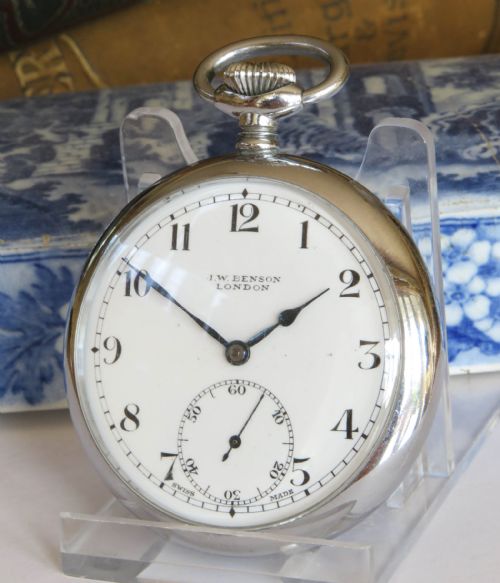
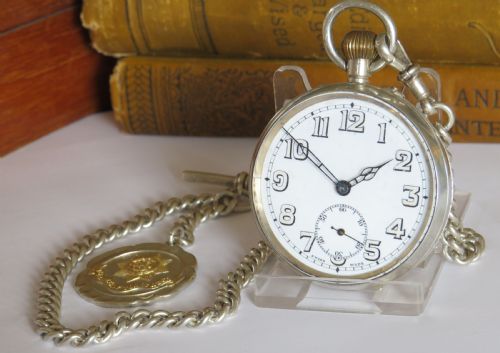
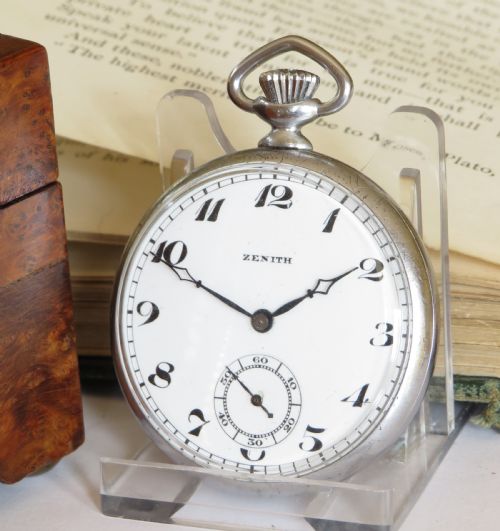
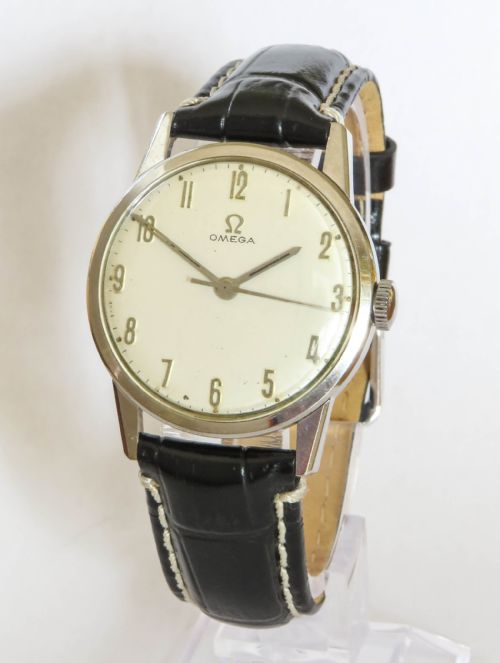
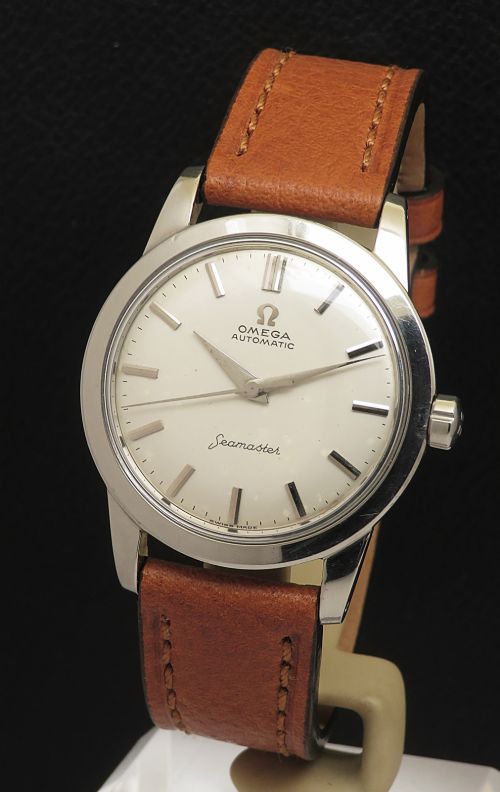
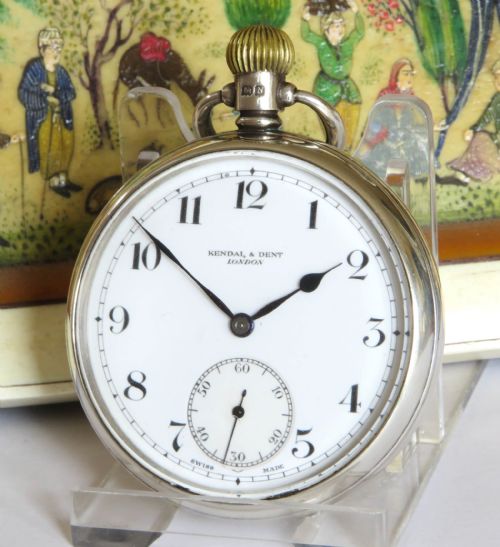
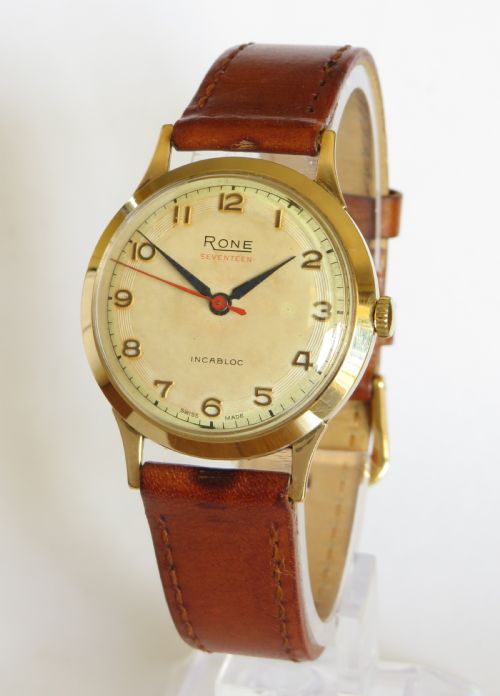
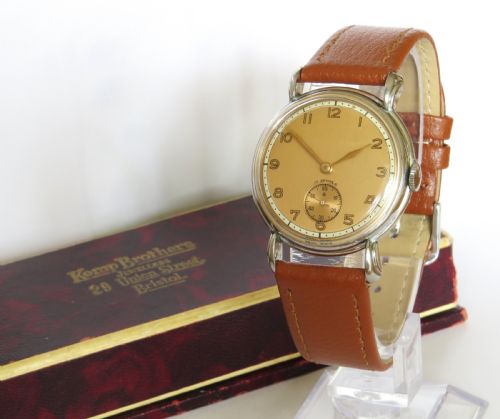
An antique swiss movement watch encompasses both pocket watches and wristwatches produced across multiple decades, including the 19th Century, Edwardian, and Art Deco periods. Buyers searching for an antique swiss movement watch will frequently encounter pocket watches housed in silver cases alongside mid-century wristwatches.
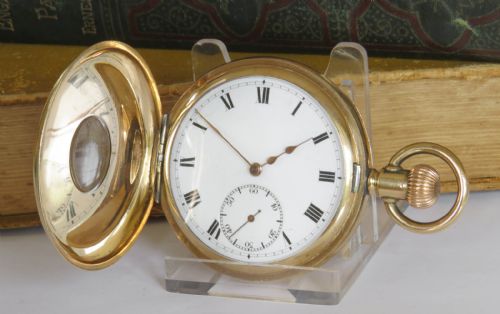
The selection ranges from early full hunter and half hunter pocket watches bearing traditional white dials to later wristwatch iterations featuring stainless steel or gold plate. Specific variants span military issue pieces, military fobs, and chronograph models.
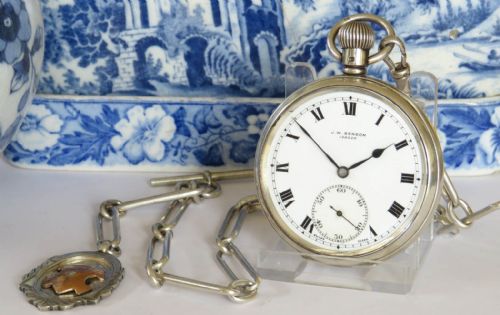
Makers and retailers represented across the eras include established houses such as Omega, Longines, Cyma, and J W Benson. These timepieces record the evolution of horological design from ornate Victorian pocket formats to functional Mid-Century Modern wrist formats.
Materials and construction
Cases utilise metals such as silver, gold plate, gun metal, and stainless steel, paired with glass crystals and enamel dials. Leather straps appear on wristwatches, while chains accompany pocket watches.
Movements rely on precision mechanical engineering enclosed within robust metallic housings, occasionally featuring specialised apertures or protective hunter covers. Enamel work provides durable, legible dial faces marked with Arabic or Roman numerals.
Antique Swiss Movement Watch Retail Price Guide 2026
Typical asking prices for swiss movement watch among the pieces listed under this phrase on Sellingantiques today, from the lower quarter to the upper quarter. They describe what is for sale here now, not the wider market.
Listings span the 19th Century through the 1960s, featuring pocket watches and wristwatches in silver, gold plate, stainless steel, and glass.
Distinctions in standard
Condition of the dial, glass crystal, and exterior finishing also marks the grade. Original fitted boxes, matching chains, or documented military provenance elevate a piece within its period.
Bulova·Zenith·Cortebert·Vertex·Kendal & Dent·Limit Revue·Gruen·Stauffer·Tavannes·Omega·Longines·Lonville·Cyma·Roamer·Girard Perregaux·Doxa·Tissot·Benrus·Tiffany And Co Geneva·Beltane·Larex
The Antique Swiss Movement Watch Glossary
- Full hunter
- A pocket watch featuring a spring-loaded metal cover that protects the glass dial face.
- Half hunter
- A pocket watch with a case cover containing a small central glass window or aperture to view the hands without opening the case.
- Chronograph
- A watch equipped with a display function for measuring elapsed time alongside standard timekeeping.
- Calibre
- The specific internal movement design and manufacturer designation of a watch mechanism.
- Manual wind
- A mechanical watch movement that requires regular hand-turning of the crown to tension the mainspring.
Antique Swiss Movement Watch: Frequently Asked Questions
How do I wind a mechanical watch?
Rotate the winding crown clockwise between your thumb and forefinger until you feel gentle resistance. Stop immediately to avoid over-tensioning the mainspring.
Perform this action daily at a consistent time if you wear the piece regularly to maintain accurate timekeeping.
Can I wear an antique watch daily?
Many of these pieces function reliably for everyday wear provided they receive regular mechanical servicing. Consideration must be given to vintage water resistance and impact protection.
Pairing a pocket watch with a secure chain or selecting a sturdy steel wristwatch helps prevent accidental drops during routine activities.
What is a military issue watch?
Military issue timepieces were commissioned by armed forces for personnel, featuring high-contrast dials and robust cases. These items often display specific service markings on the reverse.
Examples include pieces utilised by German Luftwaffe forces or Swedish military departments during the 1940s.
How do I read a pocket watch?
Open the outer case cover if the piece is a hunter model to reveal the dial face. Match the position of the hour and minute hands against the painted or applied numerals.
Pocket watches are traditionally carried in a waistcoat or jacket pocket and secured with a metal chain linked to a buttonhole.