

Antique Swing Toilet Mirror
An antique swing toilet mirror sits upon a chest or table, offering a pivoting glass for daily grooming.
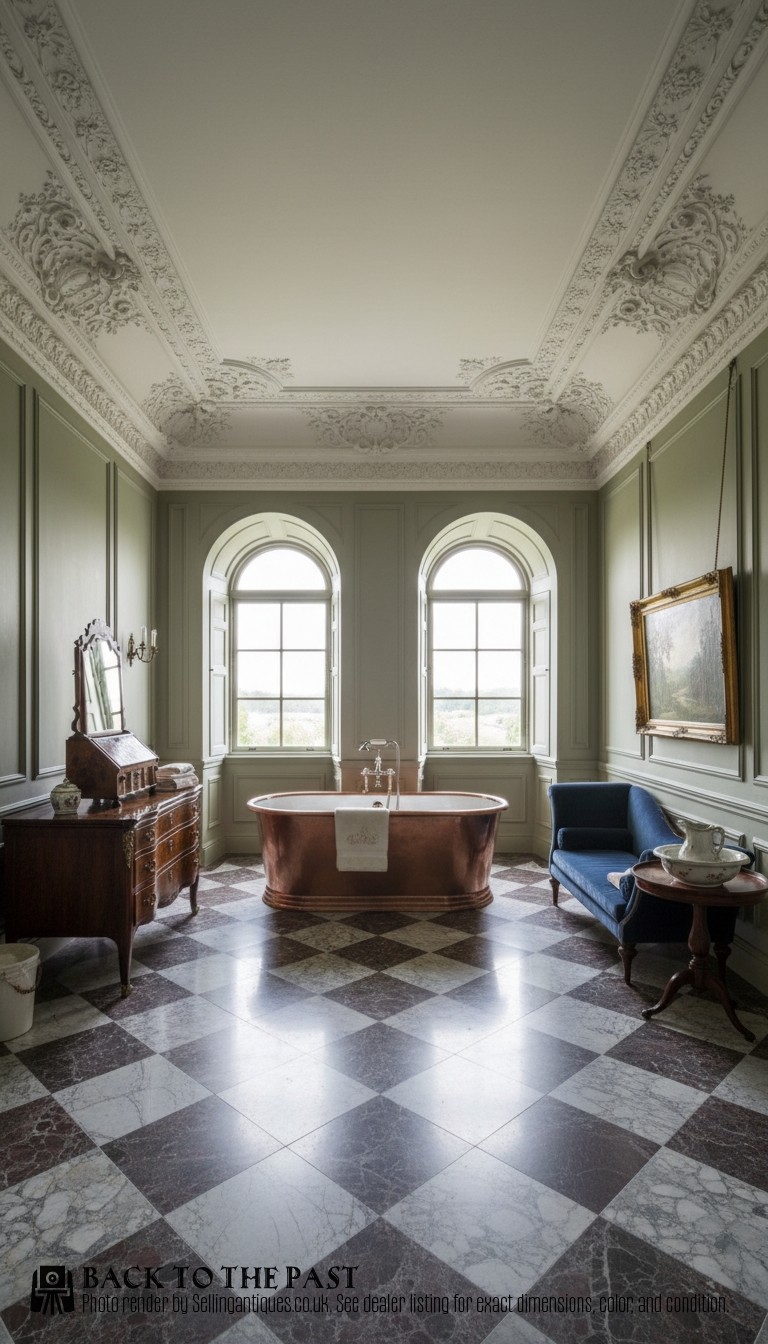
Antique Swing Toilet Mirror
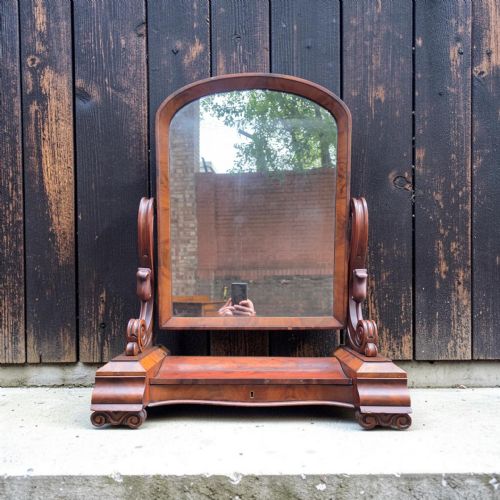
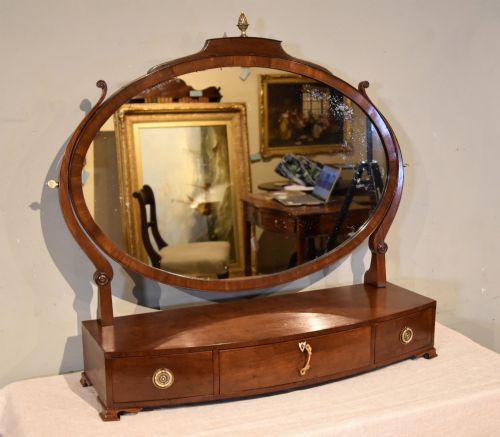
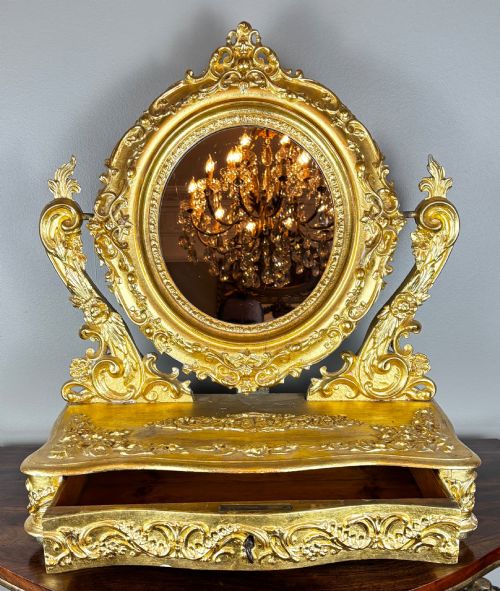
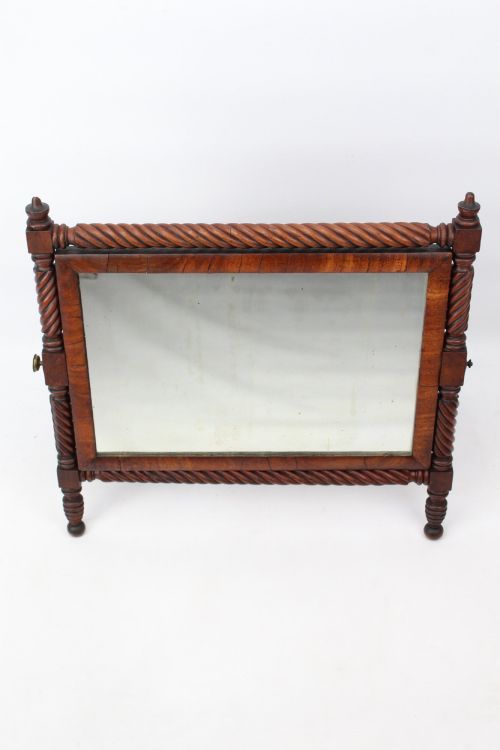
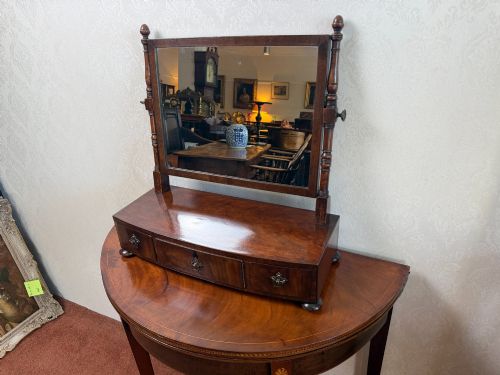
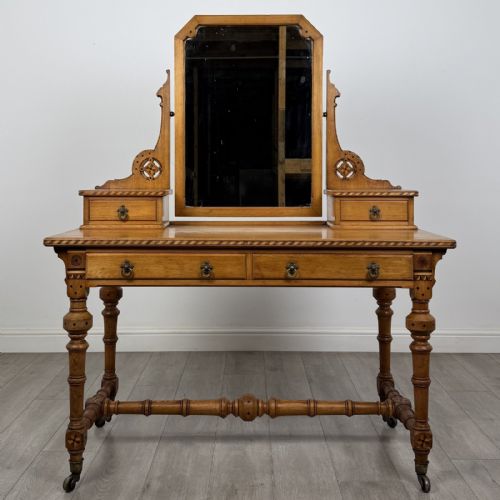
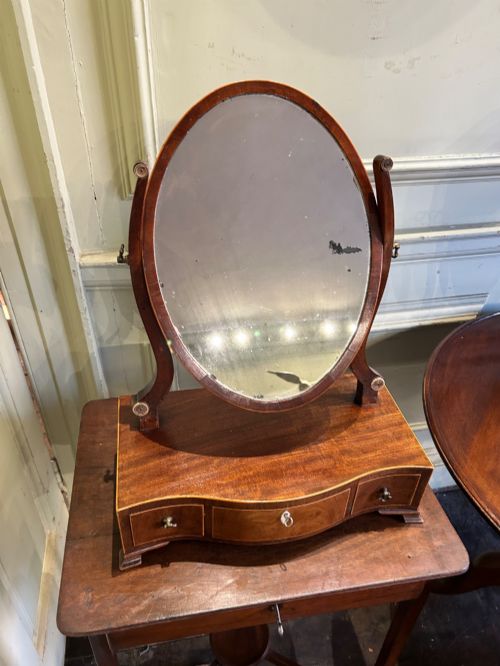
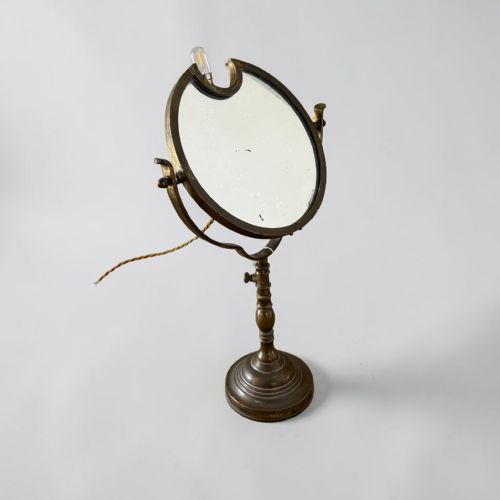
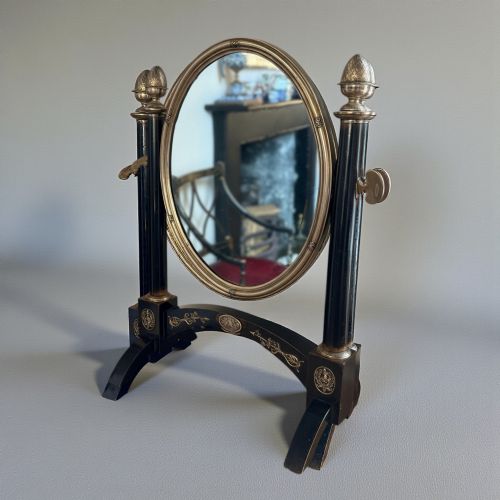
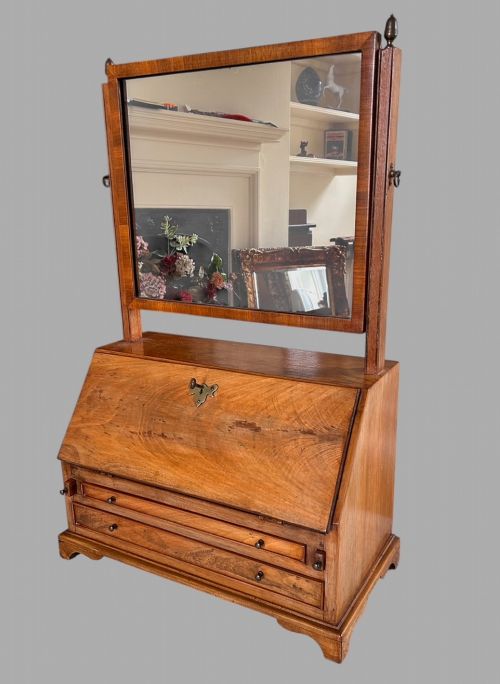
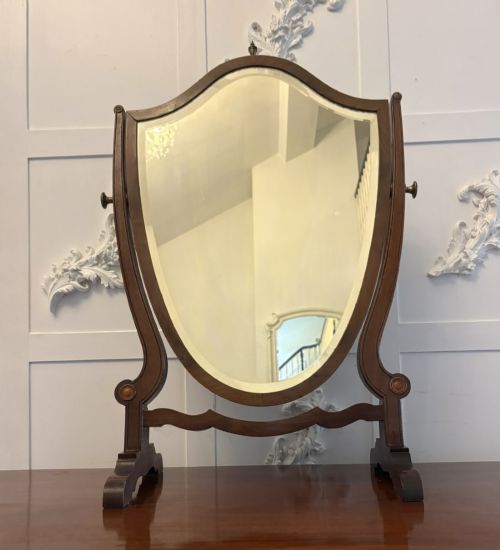
An antique swing toilet mirror is a tabletop looking glass mounted in a pivoting frame, designed for dressing tables and chests of drawers. These pieces range from compact Georgian box bases with small drawers to larger Victorian and Edwardian cheval or platform formats.
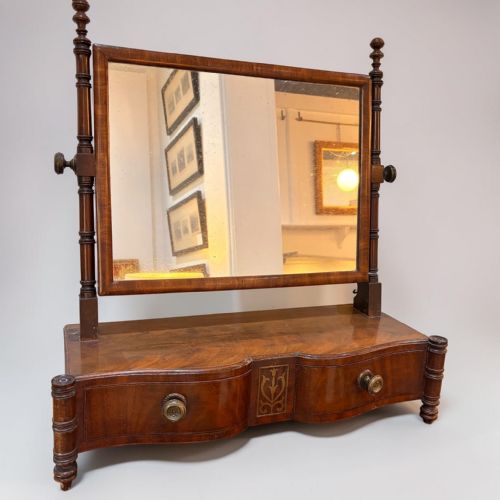
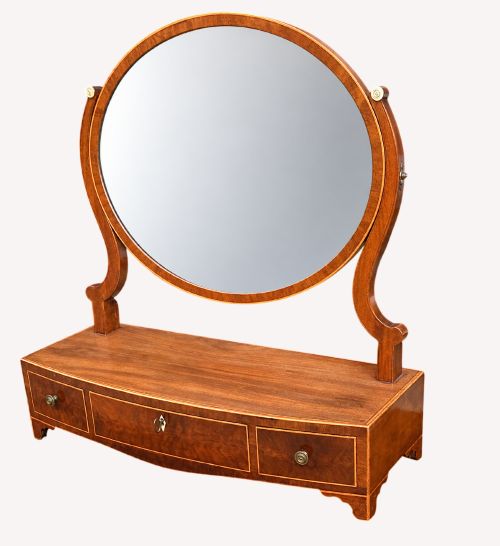
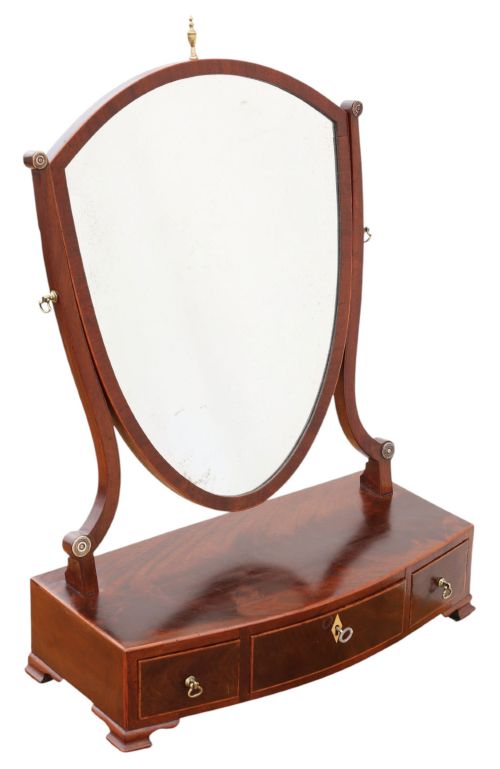
The most common examples encountered on this page date from the eighteenth and nineteenth centuries, executed in mahogany with pivoting side arms. Many incorporate small jewellery boxes or triple drawers beneath the main glass panel.
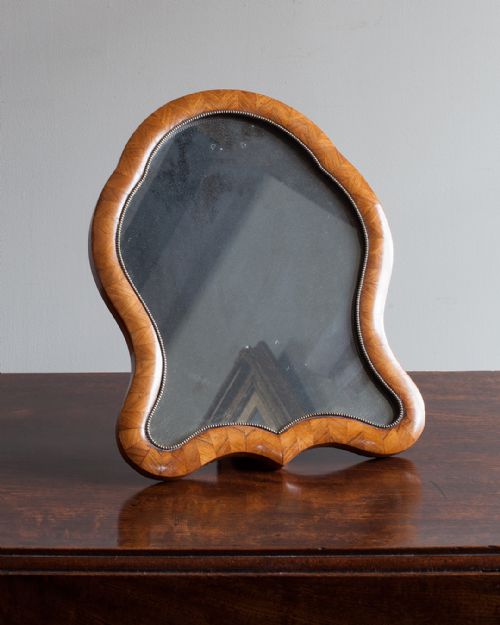
Makers produced these mirrors in various regional styles, including Dutch Baroque marquetry and English George III designs. Yew, walnut, fruitwood, and oak also appear among the woods used for the frames and supporting stands.
Construction and materials
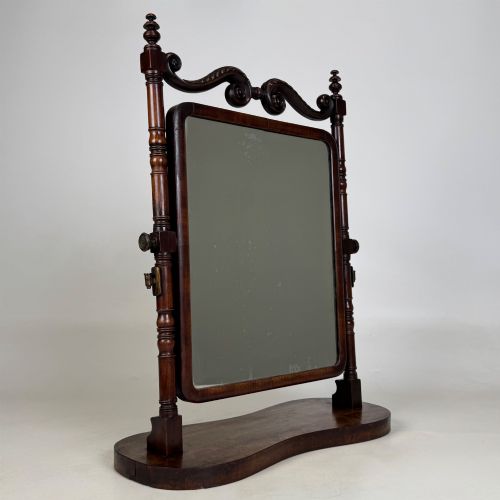
Cabinetmakers constructed these mirrors primarily from solid timber and veneers, frequently utilising mahogany, yew, walnut, fruitwood, and oak. Frames often feature turned supports or brass fittings to hold the glass securely in place.
Many examples incorporate delicate stringing, marquetry, or brass accents to enhance the timber surfaces. The glass plate rests within a pivoting wooden frame that connects to upright arms fitted to a box base or platform.
Antique Swing Toilet Mirror Retail Price Guide 2026
Typical asking prices for swing toilet mirror among the pieces listed under this phrase on Sellingantiques today, from the lower quarter to the upper quarter. They describe what is for sale here now, not the wider market.
Listings feature woods including mahogany, yew, walnut, fruitwood, and oak, paired with brass and bone elements.
Judging quality and proportion
Quality in these mirrors rests upon the choice of timber figure, such as flame grain mahogany, and the crispness of any inlaid marquetry. Finer pieces demonstrate careful joinery on the base drawers and well-cast brass hardware for the pivot mechanism.
Proportion dictates the elegance of the finished object, with superior examples balancing the weight of the mirror plate against the dimensions of the supporting base. Original glass and fitted interior compartments further distinguish better specimens.
The Antique Swing Toilet Mirror Glossary
- Swing mirror
- A looking glass hung on pivots within a frame, allowing the angle of reflection to be adjusted.
- Cheval mirror
- A full-length or large dressing glass supported on a freestanding frame with four legs.
- Marquetry
- Decorative veneer work arranged in pictorial or geometric patterns using various coloured woods.
- Serpentine
- A curved line of furniture fronts or mirror bases that undulates outward and inward.
- Platform mirror
- A mirror assembly raised upon a distinct base or plinth, occasionally housing small drawers.
Antique Swing Toilet Mirror: Frequently Asked Questions
Where should I place a swing toilet mirror?
These mirrors suit dressing tables, low chests of drawers, or sideboards where the height allows comfortable use. Their compact footprints make them versatile additions to bedroom or hallway surfaces.
Ensure the surface is stable enough to support the weight of the base and the pivoting frame without rocking during adjustment.
How do I date an antique mirror?
Dating relies on timber selection, construction methods, and the style of the base supports. Eighteenth-century pieces frequently feature box bases with multiple small drawers, while Victorian and Edwardian examples often display turned uprights or marble tops.
Hardware styles, such as brass screws or pivot knobs, provide further clues to the period of manufacture.
Are the glass plates original?
Many surviving mirrors retain their original glass, which may show minor foxing or light oxidation due to age. Replacement glass does occur during the long lifespan of these pieces.
Checking the silvering and the way the glass sits within the wooden rebate helps determine its period.
What maintenance do these mirrors need?
Keep the timber conditioned with appropriate furniture wax and avoid placing the mirror in direct sunlight or damp conditions. Periodically check the tension of the brass pivot screws to ensure the frame stays balanced.
Gentle cleaning of the glass with a soft cloth preserves both the mirror plate and the surrounding frame.