
Antique Sweetmeat Dish
An antique sweetmeat dish brings small confections to the table in silver, glass, or porcelain.
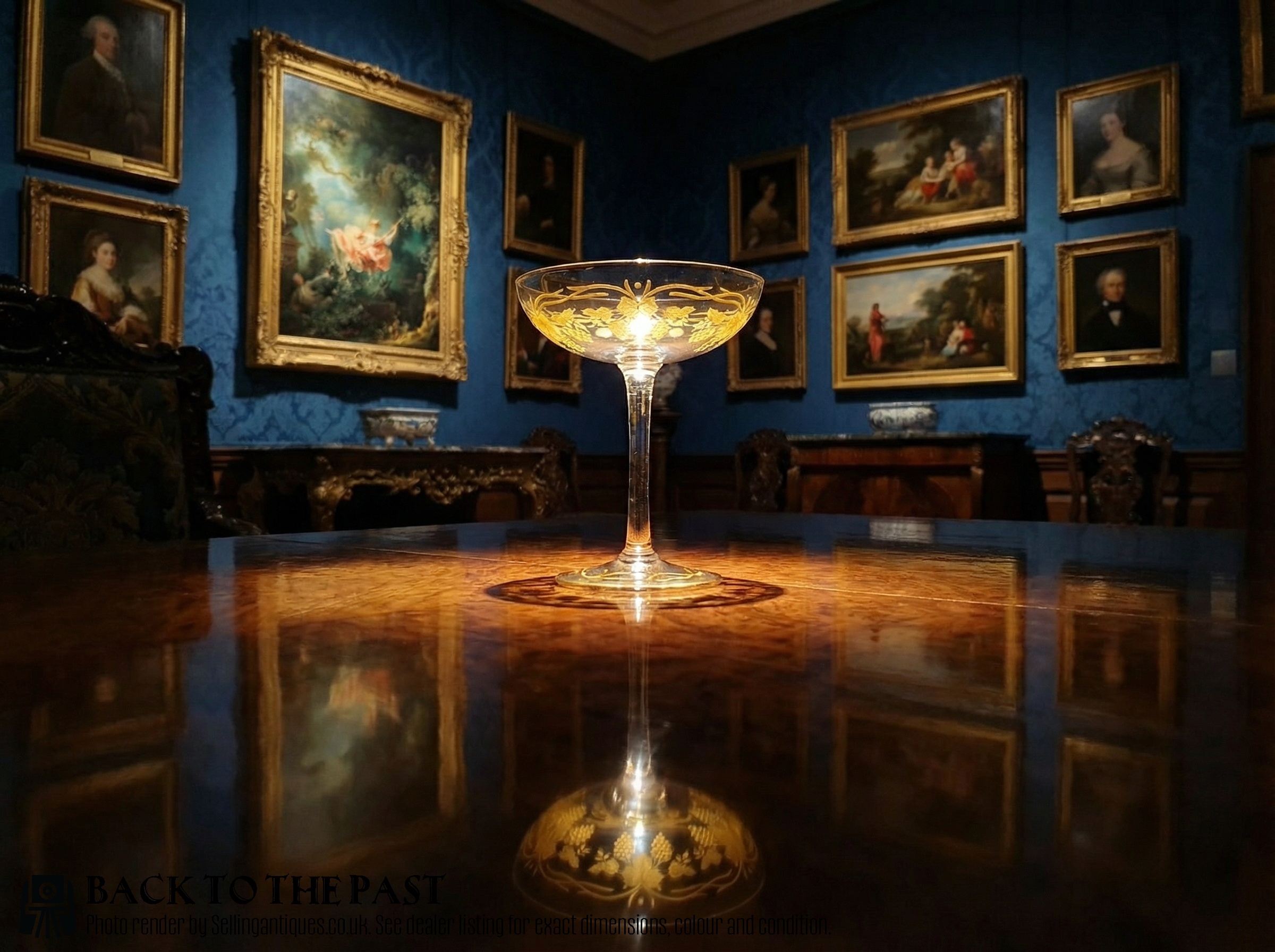
Antique Sweetmeat Dish
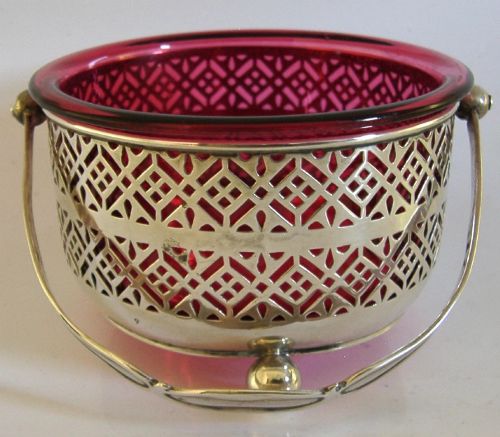
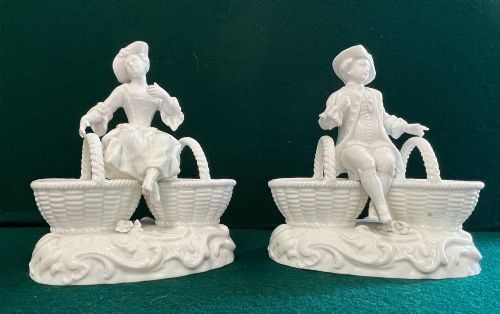
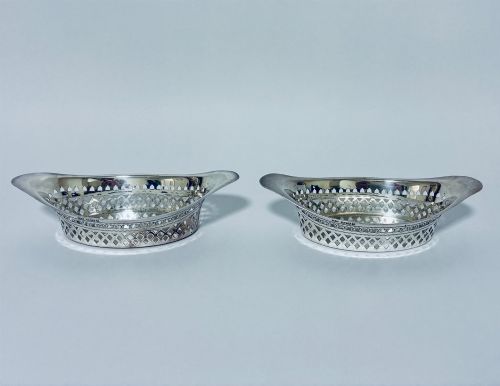
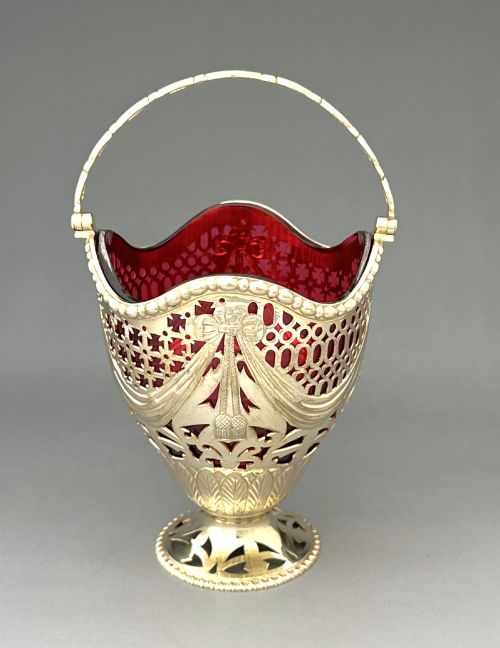
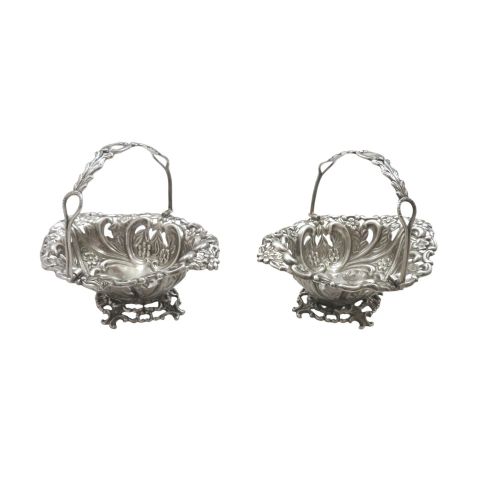
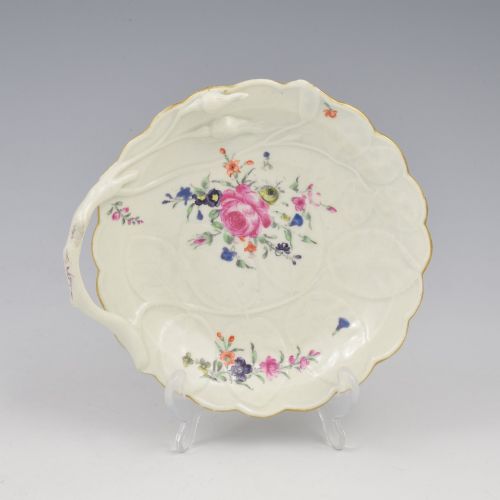
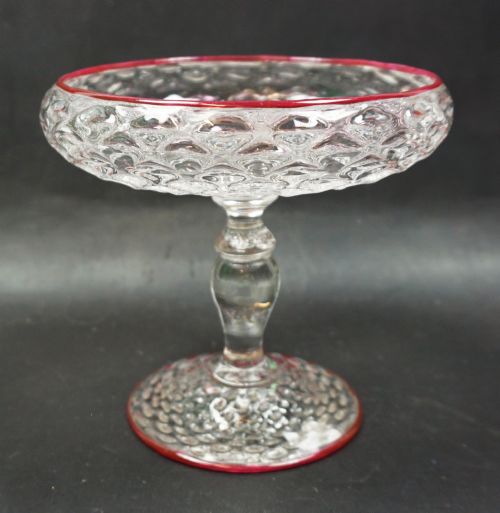
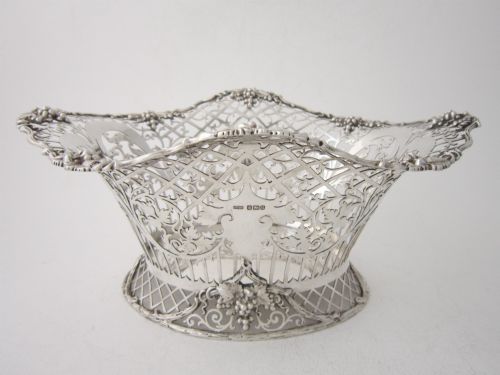
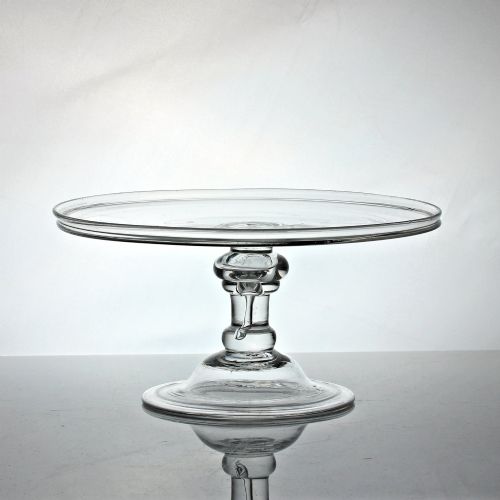
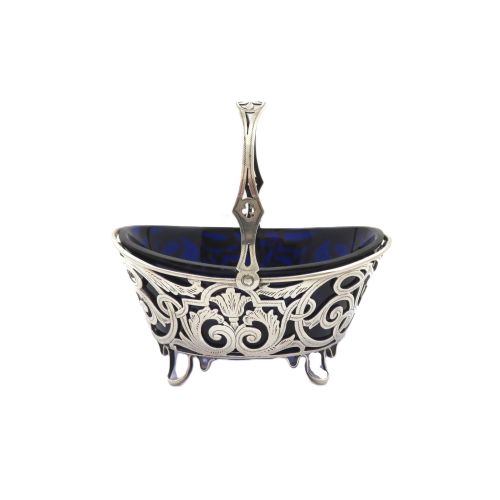
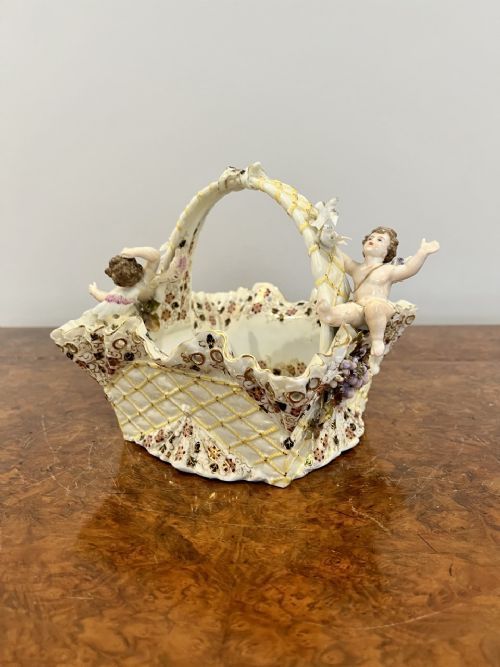
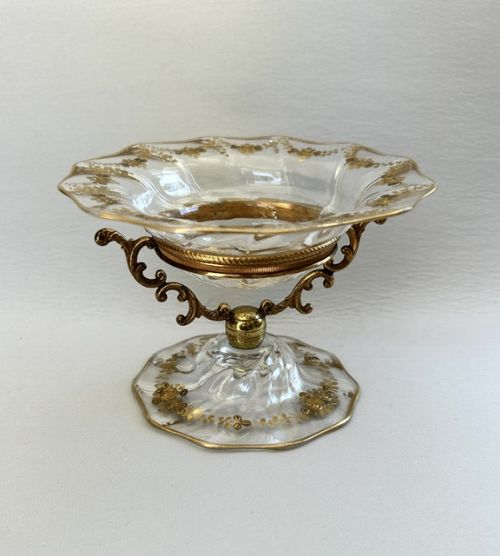
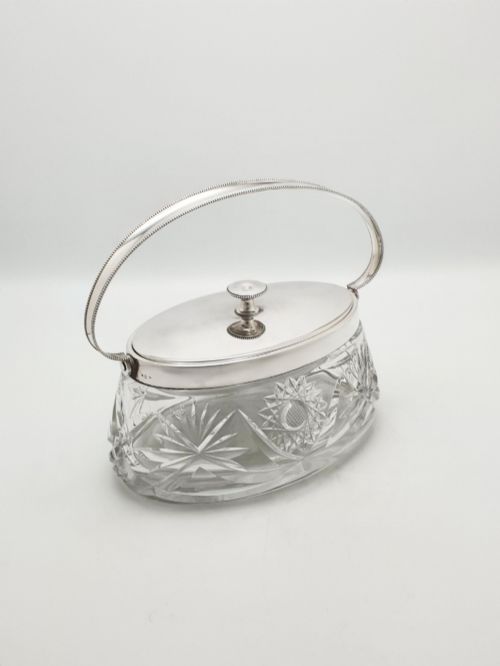
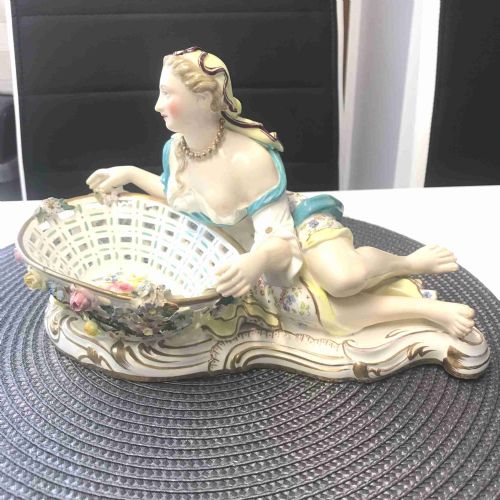
An antique sweetmeat dish serves small sweet confections, nuts, and dry fruits at the dining table. These table pieces appear in forms ranging from handled silver sugar baskets and small tazzas to porcelain leaf dishes and glass stands.
The versions met most often on this page date from the eighteenth century through the Edwardian period and the 1930s. They span Georgian silver, Victorian cut glass, and porcelain examples from factories like Worcester and Meissen.
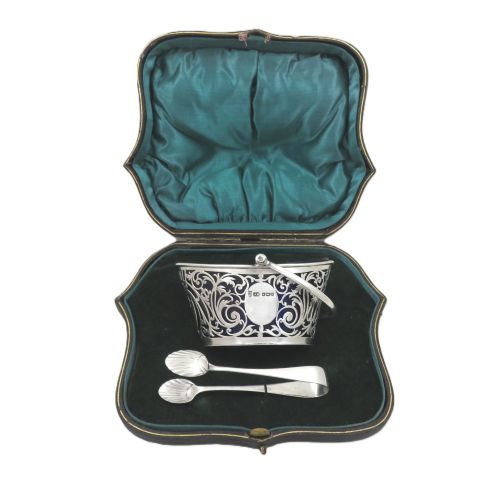
Makers shaped these items for specific social rituals involving sweet treats after a meal or during afternoon gatherings. Surviving pieces often retain liners in cranberry or amber glass, or swing handles designed for service.
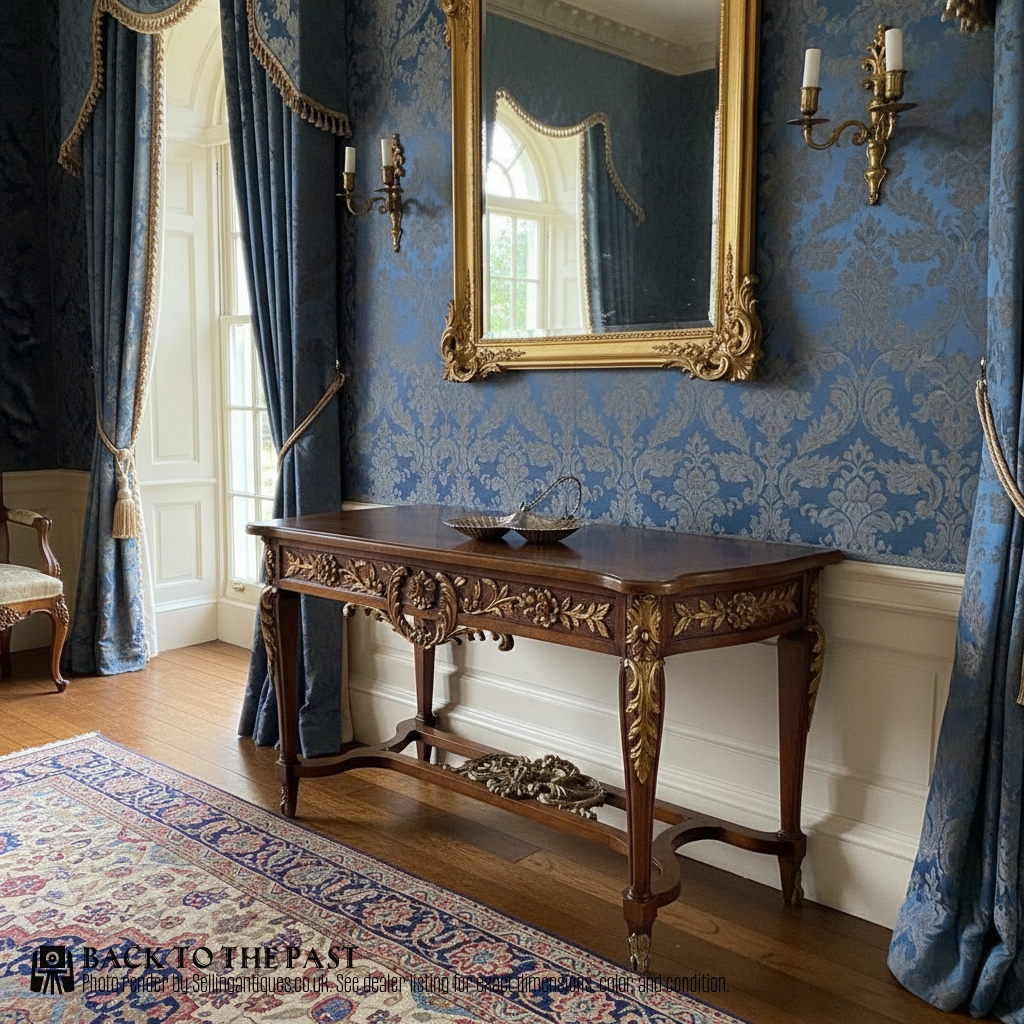
How they were made
Silversmiths shaped sterling silver and silver plate through piercing, casting, and repoussé work, frequently adding swing handles or intricate pierced galleries. Glassmakers utilised lead crystal and mould-blowing techniques, producing honeycomb patterns and faceted tazzas with applied canes.
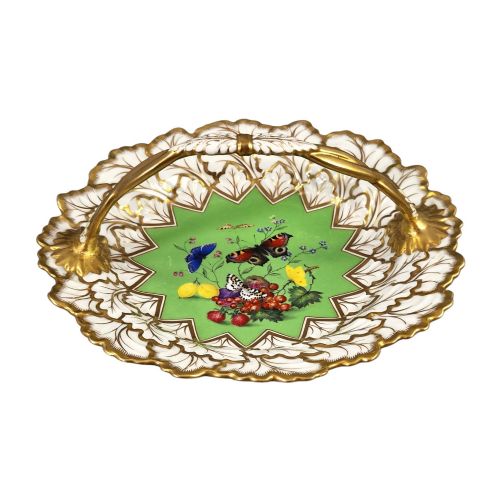
Porcelain works applied hand-painted enamel decoration and gilding over soft-paste bodies, shaping items into shells, leaves, and figural supports. Makers also combined metals, using ormolu stands alongside glass liners or pairing silver-plated frames with amber and ruby glass inserts.
Antique Sweetmeat Dish Retail Price Guide 2026
Typical asking prices for sweetmeat dish among the pieces listed under this phrase on Sellingantiques today, from the lower quarter to the upper quarter. They describe what is for sale here now, not the wider market.
Materials recorded across the inventory include cranberry glass, gold leaf, enamel, and Old Sheffield Plate alongside standard silver and crystal.
What varies in quality
The standard of craftsmanship shows in the crispness of pierced metalwork, the weight of the silver, and the precision of glass moulding. Superior porcelain examples display delicate, hand-painted botanical or bird motifs with clean, well-defined glaze applications.
Design complexity and the presence of matching original elements, such as coloured glass liners or fitted cases, set finer items apart. Pieces bearing clear hallmarks or attributed to notable workshops demonstrate greater historical and material integrity.
Dr Wall Worcester·Flight Barr And Barr·Meissen·Charles Boyton·Henry Chawner·Thomas Bradbury·James Hadley Royal Worcester·WMF
The Antique Sweetmeat Dish Glossary
- Sweetmeat dish
- A small vessel designed for serving sweet delicacies, nuts, and preserves at the table. These items appear in silver, glass, and porcelain forms.
- Tazza
- A shallow bowl or saucer raised on a stem and foot, used for serving fruit or sweets. They often feature moulded crystal or Georgian baluster stems.
- Soft-paste porcelain
- An artificial porcelain body fired at lower temperatures than hard-paste, common in eighteenth-century English factories. It exhibits a warm glaze and deep enamel absorption.
- Old Sheffield Plated
- A composite material made by fusing a thin sheet of silver to a copper base before fabrication. This technique precedes modern electroplating.
- Quaich
- A traditional shallow two-handled drinking vessel or small dish of Scottish origin. They occasionally appear in silver from the Edwardian period.
Antique Sweetmeat Dish: Frequently Asked Questions
How were sweetmeat dishes used?
Hosts used these dishes to offer guests small sweet treats, comfits, and preserves following a formal meal or during afternoon tea.
Many featured swing handles for easy passing around the table, while others stood on raised stems or ormolu mounts as centrepieces.
How do I care for antique silver and glass?
Silver pieces require gentle cleaning with non-abrasive cloths to preserve hallmarks and delicate pierced details without stripping the metal surface.
Glass liners and crystal tazzas should be washed by hand in lukewarm water, avoiding sudden temperature changes to protect old material.
How can I tell the period?
Periods are identified through hallmarks on silver, factory marks on porcelain, and manufacturing techniques like hand-moulding or early glass cutting.
Stylistic cues such as Georgian baluster stems, Victorian pierced silver, and Edwardian swing handles also indicate the exact era of production.