
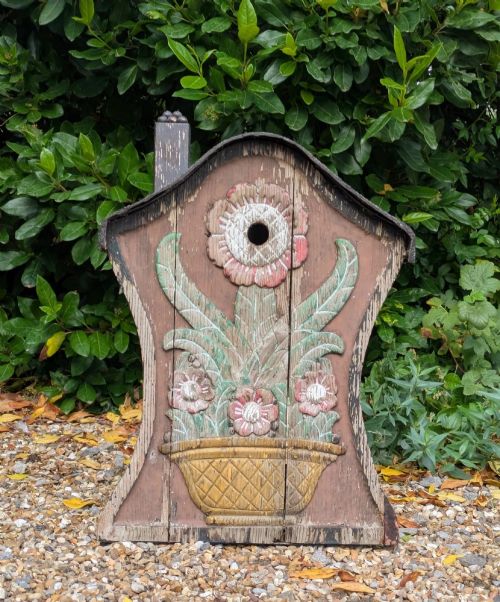
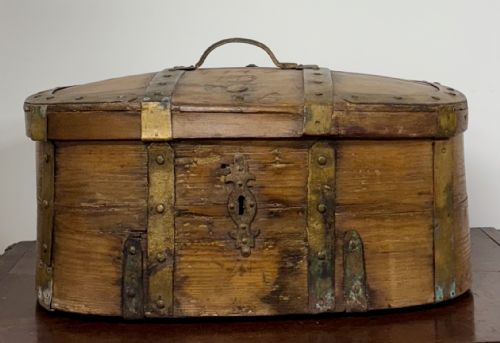
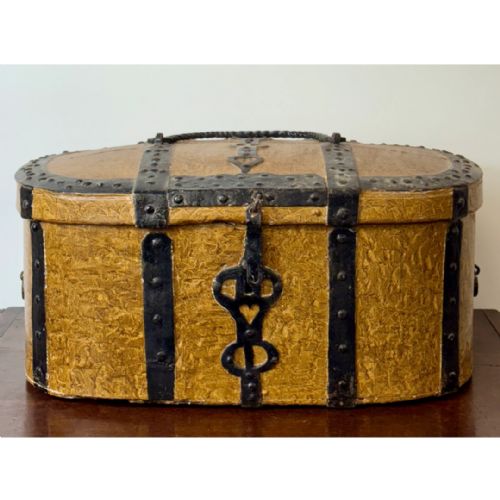
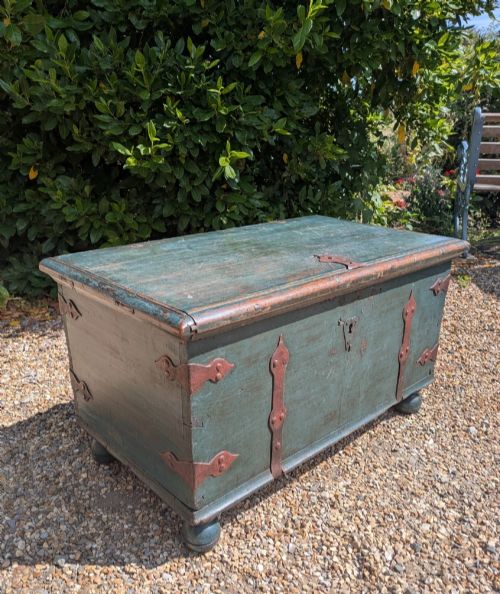




Antique Swedish Box
An antique swedish box brings the warmth of northern folk traditions directly into a room, offering both practical storage and rustic character.
Antique Swedish Box
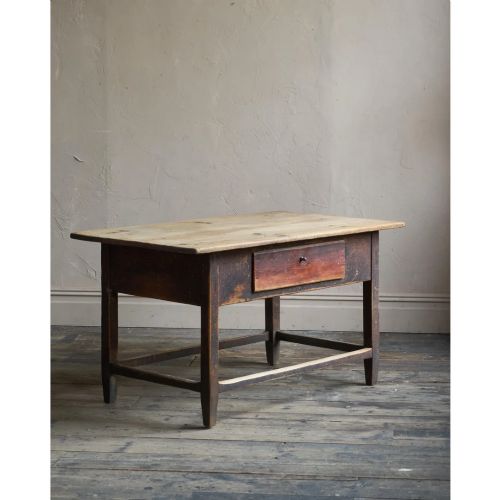
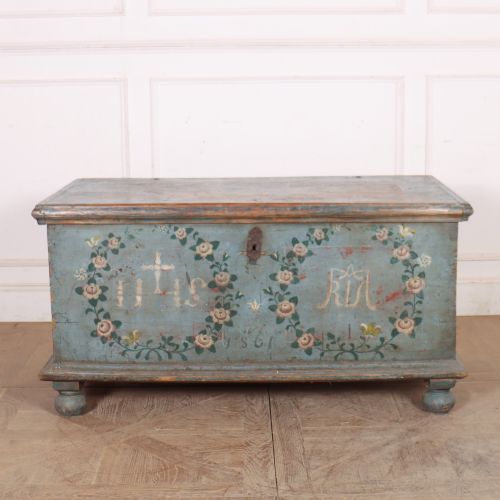
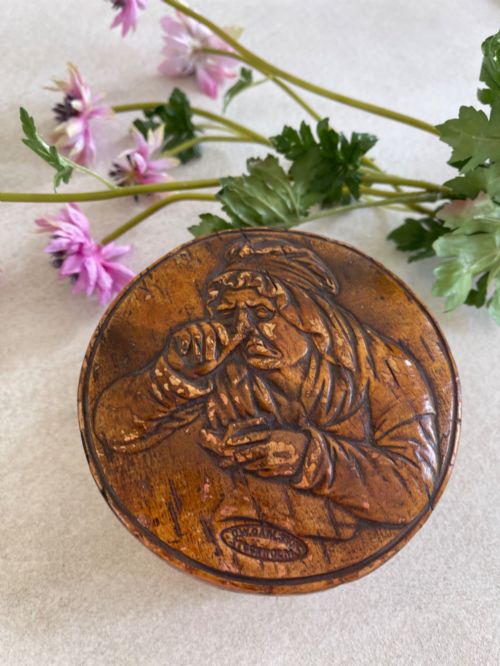
An antique swedish box encompasses everything from small tabletop salt containers to large marriage chests and dome-top coffers. The pieces span the eighteenth and nineteenth centuries, reflecting the domestic storage needs of rural Scandinavian households. Smaller items like snuff boxes and table caskets sit alongside substantial pine storage chests and strong boxes.
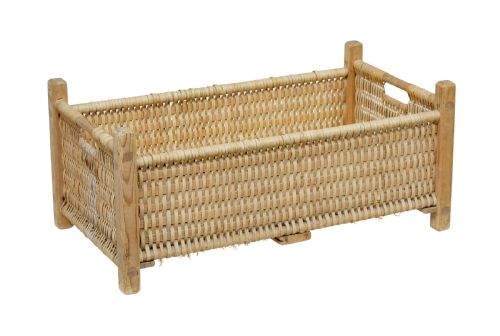
The aesthetic leans heavily into Scandinavian country and folk art traditions, with many examples originating from the nineteenth century. Buyers encounter functional items shaped for specific tasks, such as dough bins, log baskets, and oval strong boxes. These objects bridge the gap between utilitarian furniture and decorative folk craft.
Painted pine forms the backbone of these pieces, often decorated with hand-painted motifs or retained in original patinated surfaces. Gustavian influences appear alongside rustic country styles, showing a range from refined urban taste to rural simplicity. The survival of original paint surfaces remains a defining characteristic across the selection.
Materials and Construction
Pine serves as the primary structural timber for the larger chests, blanket boxes, and coffers. Artisans constructed these using traditional joinery, often incorporating hand-forged iron strapwork and hinges for added strength. Smaller table boxes and caskets sometimes utilise harder timbers like oak or burr birch.
Surface treatment defines the construction of many pieces, involving layers of paint applied over wood. Hand-woven techniques appear on specific storage baskets, while metal elements rely on wrought iron and brass for fastenings and locks. Solid silver occasionally surfaces in smaller trinket, pill, and snuff boxes.
The selection includes functional forms such as dough bins, log baskets, blanket boxes, and marriage chests.
Quality and Surface
The condition of the painted surface dictates much of the distinction between examples. Pieces retaining their original, unrefreshed paintwork with natural patination command greater interest than those with later overpainting. The subtlety of the folk art motifs and the preservation of early colour layers separate standard utilitarian containers from finer decorative works.
Structural integrity and the survival of original hardware, including hand-forged iron strapwork and functional locks, influence the standing of a piece. Finer examples display careful proportion in shaped bodies, such as oval strong boxes or dome-top coffers, maintaining balance between decoration and utility.
The Antique Swedish Box Glossary
- Folk art
- Objects created by self-taught or traditional craftsmen working within a specific regional culture. These pieces prioritize practical utility and traditional decorative motifs over academic design.
- Coffer
- A large, sturdy wooden chest traditionally used for storing valuables or textiles. They often feature hinged dome lids and heavy iron reinforcement.
- Marriage chest
- A large storage box commissioned or given to mark a wedding, frequently inscribed with initials and dates. These often display elaborate painted folk decoration.
- Strong box
- A heavily reinforced storage container designed to secure money, documents, or precious items. They typically incorporate robust iron strapwork and secure locking mechanisms.
- Patina
- The surface sheen and colour acquired by wood and paint over decades of handling and exposure. It acts as a visual indicator of age and authenticity.
- Gustavian
- The Swedish interpretation of neoclassical and French Louis XVI styles, characterised by restraint, light colours, and symmetrical lines.
Antique Swedish Box: Frequently Asked Questions
What were antique Swedish boxes used for?
These boxes served everyday domestic purposes in rural homes, storing textiles, dried goods, salt, or personal valuables. Larger marriage chests held a bride's dowry linens, while smaller table boxes kept letters, snuff, or sewing implements.
The variety in scale reflects their specific household roles, from kitchen dough bins to heavily strapped strong boxes kept secure in the corner of a room.
How do I identify original paint on Swedish boxes?
Original paint usually shows natural wear, subtle crazing, and soft fading that corresponds to the age of the pine underneath. Pigments often dull gracefully over time, and the underlying brushwork remains integrated with the timber.
Later repainting tends to sit flatly on the surface without the integrated patination and cumulative wear expected from centuries of use.
Where did these folk art pieces originate?
The pieces originate from rural Scandinavian communities, particularly across Sweden during the eighteenth and nineteenth centuries. Local craftsmen and domestic makers produced them using readily available regional materials like pine.
Different provinces developed distinct decorative styles and colour palettes, leading to the diverse range of folk art patterns seen today.
How do I care for a painted pine chest?
Painted pine requires a stable environment away from direct sunlight and sudden humidity changes to prevent the wood from warping and the paint from flaking. Dusting with a dry, soft cloth is sufficient for routine maintenance.
Avoid using modern chemical cleaners or polishes, as these can strip or soften fragile historic paint layers and historic patination.