


Antique Sunderland Pottery
Antique sunderland pottery brings remarkable pink lustre jugs and bowls into a room, carrying the bold maritime history of the northeast direct from the kiln.
Antique Sunderland Pottery
When you search for antique sunderland pottery, you encounter earthenware vessels dominated by striking jugs and pitchers alongside decorative bowls. These objects emerge primarily from the nineteenth century, spanning the Georgian and Victorian eras.
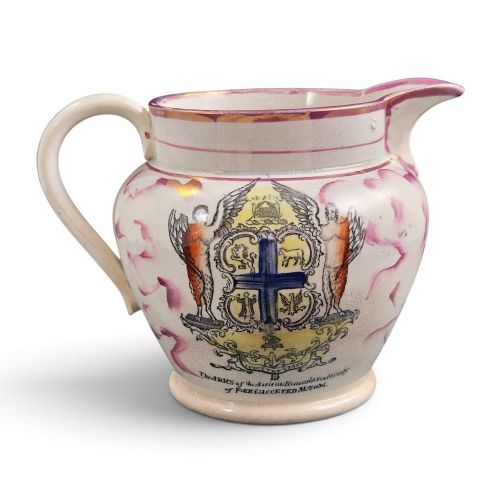
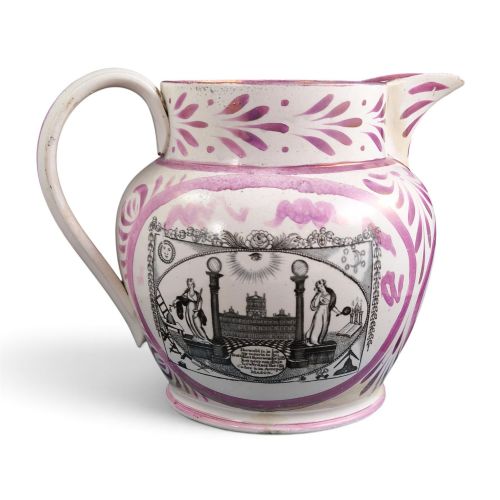
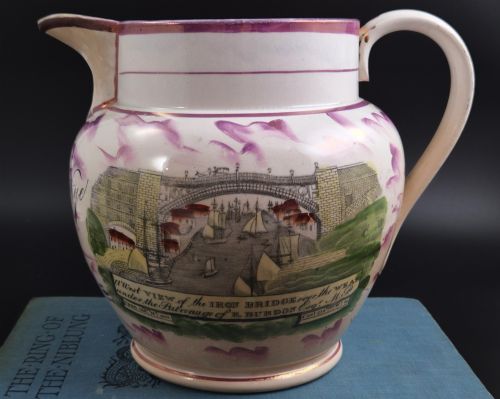
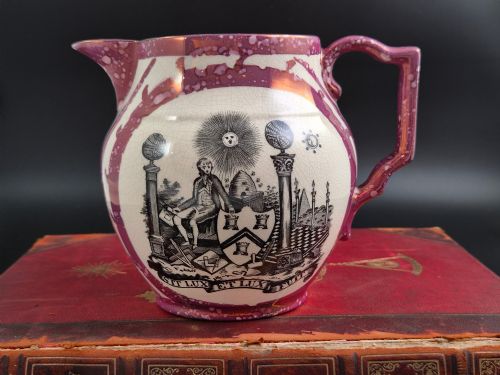
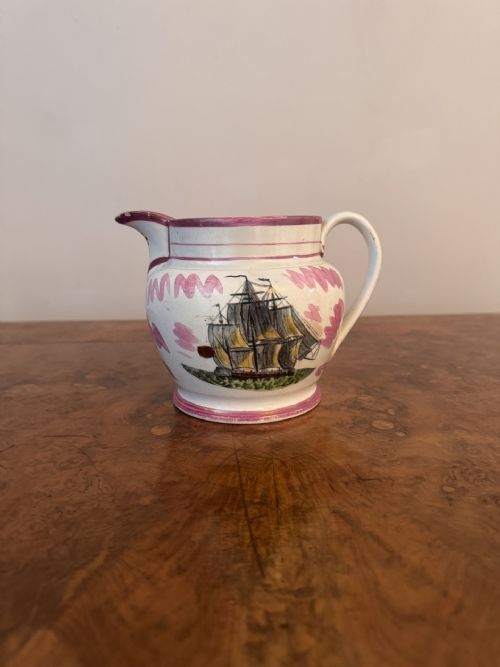
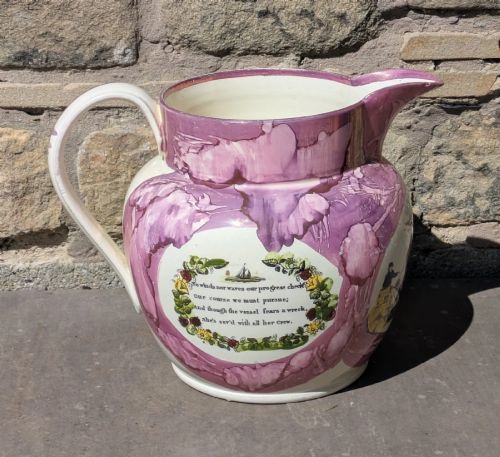
The version you are most likely to meet on this page is the pink lustre jug, frequently featuring transfer-printed maritime scenes, poetic panels, or masonic emblems. These pieces range from compact vessels to large presentation pieces bearing named inscriptions and dates.
How they were made
Potters shaped these vessels from earthenware and pearlware, applying white or cream backgrounds to receive detailed transfer-printed designs. Artisans then added hand-painted enamel highlights to bring colour to the ships, verses, and armorials.
The characteristic pink lustre effect comes from metallic oxide and metallic glaze techniques that created mottled splash patterns during firing. This lustre finish reacts to heat and application, giving each jug its unique iridescent sheen.
The listings span the nineteenth century, including Georgian and Victorian eras, utilising earthenware, pearlware, and metallic lustre glazes.
What varies in quality
Quality rests in the crispness of the transfer print and the richness of the pink lustre glaze. Finer examples display deep, even metallic splashes and carefully applied hand-coloured enamels rather than muddy or thin washes.
The significance of the subject matter also separates standard jugs from exceptional ones. Vessels bearing specific named vessels, dated inscriptions, or multiple detailed prints command greater attention than generic floral or simple decorative motifs.
The Antique Sunderland Pottery Glossary
- Pink lustre
- A metallic glaze technique that produces a mottled or splashed pink iridescent effect on earthenware. It relies on gold or copper oxides fired at specific temperatures.
- Pearlware
- A refined earthenware developed in the late eighteenth century featuring a subtle blue-tinted glaze over a pale body. It serves as the smooth canvas for early lustre pieces.
- Transfer printing
- A method of applying detailed monochrome designs to ceramics using an engraved copper plate and tissue paper. Artisans then hand-painted colours over this printed outline.
- Earthenware
- A porous ceramic body fired at lower temperatures, requiring a vitreous glaze to hold liquids. It forms the robust structure of nearly all these nineteenth-century vessels.
Antique Sunderland Pottery: Frequently Asked Questions
What is sunderland lustre pottery?
Sunderland lustre pottery comprises earthenware jugs and bowls produced in the northeast of England, celebrated for their pink metallic glazes and transfer-printed designs.
These pieces typically date from the Georgian and Victorian periods and often incorporate maritime themes, poetry, or fraternal symbols.
How were these jugs used?
Many of these large jugs served practical functions in inns and homes for pouring ale or water during communal gatherings.
Others functioned as decorative presentation pieces, commemorating marriages, voyages, or lodge memberships with specific names and dates.
How do I date a sunderland jug?
Dating relies on stylistic clues, ceramic bodies such as pearlware versus later earthenware, and occasionally direct inscriptions.
Earlier pieces from around 1800 often feature pearlware bodies, while mid-nineteenth-century examples display distinct Victorian print styles and bolder splash lustre.
How should I display them?
Display these jugs where adequate light can catch the iridescent pink lustre glaze and reveal the fine details of the transfer prints.
Because they are substantial earthenware vessels, place them securely on sturdy shelves or mantels away from busy edges.