



Antique Suite of Eight
An antique suite of eight offers a complete matching set of seating or furniture, perfect for a grand dining room.
Antique Suite of Eight
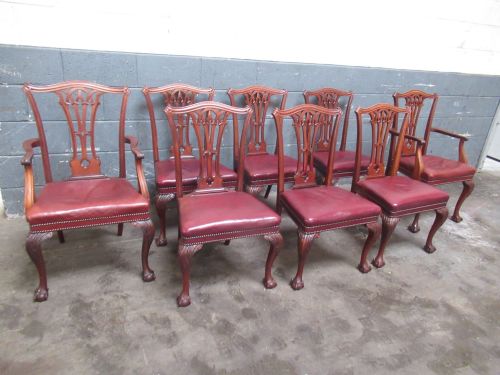
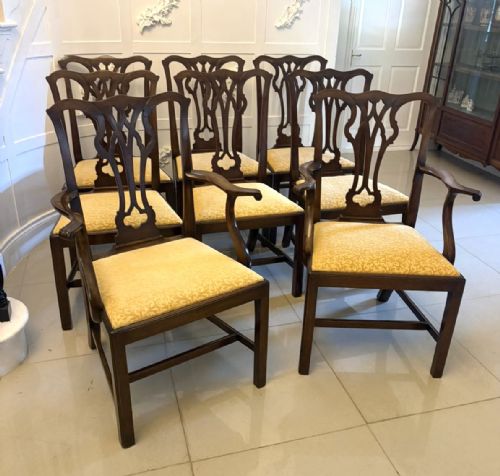
An antique suite of eight brings together a matching collection of eight items, most commonly dining chairs designed to seat a large table comfortably. These groupings range from sets of eight single chairs to configurations comprising six single chairs alongside two carvers with arms.
Buyers searching for an antique suite of eight will frequently encounter dining chair sets executed in mahogany, oak, and walnut, reflecting historical revivals from Georgian and Regency eras through to Edwardian and Art Deco periods.
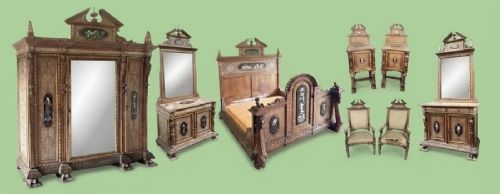
Beyond dining seating, the evidence includes larger furnishing groups such as comprehensive bedroom suites and combined dining tables with chairs, showing that these suites encompass both solitary seating sets and multi-piece room layouts.
Materials and construction methods
The pieces in an antique suite of eight are predominantly constructed from dense hardwoods like mahogany and walnut, often shaped and carved into revival styles such as Chippendale and Hepplewhite.
Seating portions frequently incorporate upholstered elements utilising fabric, velvet, leather, and textiles, sometimes finished with traditional button back detailing fixed with brass components.
Antique Suite of Eight Retail Price Guide 2026
Typical asking prices for suite of eight among the pieces listed under this phrase on Sellingantiques today, from the lower quarter to the upper quarter. They describe what is for sale here now, not the wider market.
Listings for this phrase include dining chairs, bedroom suites, and combined dining tables spanning the Georgian, Victorian, Edwardian, and Art Deco periods.
Judgments of quality
Quality in an antique suite of eight rests upon the crispness of the timber carving and the fidelity of the period style revival, distinguishing workshop productions from simpler output.
The integrity of the matching timber grain across all eight items and the survival of original upholstery materials dictate the distinction between uniform high-grade sets and assembled groupings.
Waring & Gillows
The Antique Suite of Eight Glossary
- Carver
- An armchair designed with armrests, typically supplied as a pair to accompany a larger set of single dining chairs. These were traditionally placed at the heads of the dining table.
- Splathack
- The central vertical wooden slat of a chair back connecting the crest rail to the seat. High splat backs appear frequently in revival dining chairs.
- Revival
- A design movement looking back to historical eras such as Georgian, Jacobean, or Chippendale styles. These pieces replicate earlier aesthetic vocabularies using contemporary workshop techniques of their own period.
- Mahogany
- A durable tropical hardwood favoured for its deep reddish-brown tone and stable grain. It forms the primary material for the majority of these dining sets.
Antique Suite of Eight: Frequently Asked Questions
What is an antique suite of eight?
An antique suite of eight consists of a matching set of eight furniture pieces, most commonly dining chairs designed to accommodate a large dining table.
These sets often include a combination of single chairs and armed carver chairs created during periods ranging from the Georgian era through to the Art Deco movement.
How were these suites used?
These large furniture groupings were utilised primarily in formal dining rooms to seat eight diners uniformly around a central table.
Bedroom versions also provided matching sets of furniture to furnish a complete chamber in a unified aesthetic style.
How do I live with these pieces?
Living with an antique suite of eight involves integrating large sets of wooden chairs or multi-piece groupings into contemporary dining or living spaces.
Care should be taken to protect upholstered elements like leather, velvet, and fabric from direct sunlight while maintaining the polished mahogany or walnut timber surfaces.
How do I tell periods apart?
Periods are identified through stylistic details and construction characteristics, such as the curved lines of Regency pieces, the carved ornamentation of Jacobean revival oak, or the clean geometry of Art Deco designs.
Materials also offer clues, with rich mahogany dominating Georgian and Victorian revivals alongside walnut and oak in alternative historicist styles.