
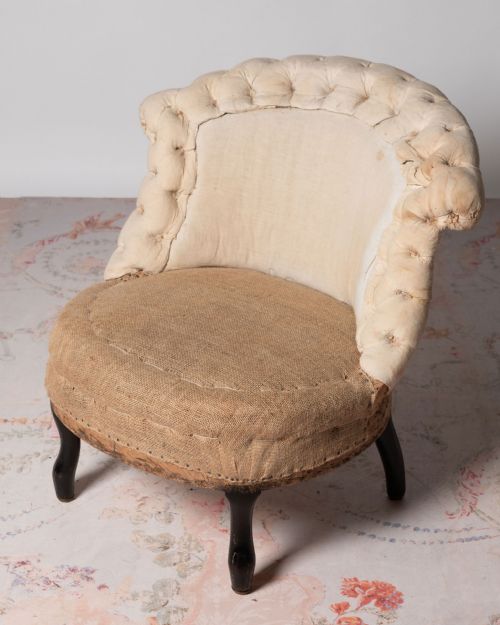


Antique Button Back Upholstery
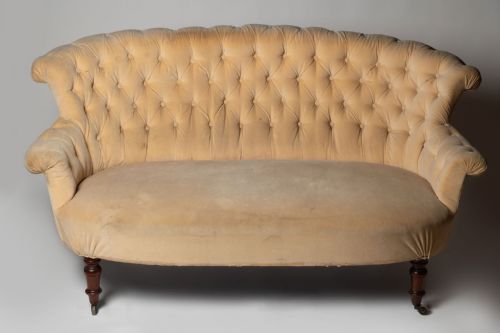
Antique button back upholstery brings deep tufted comfort and formal nineteenth century presence to a room.
Antique Button Back Upholstery
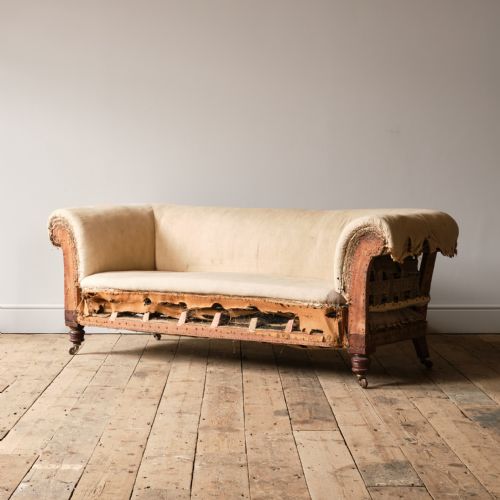
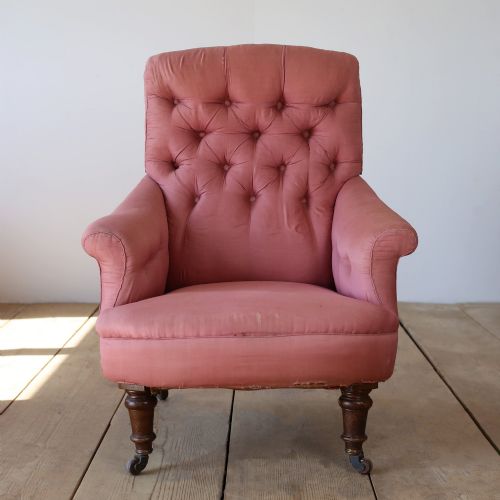
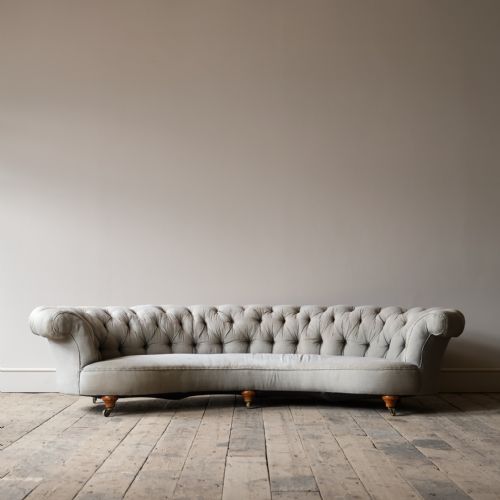
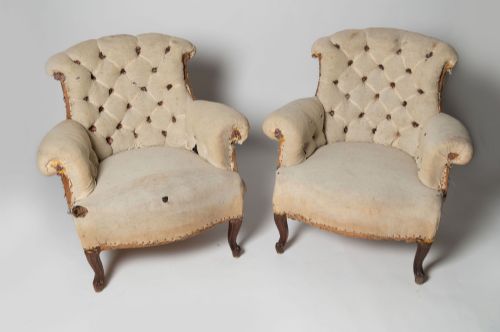
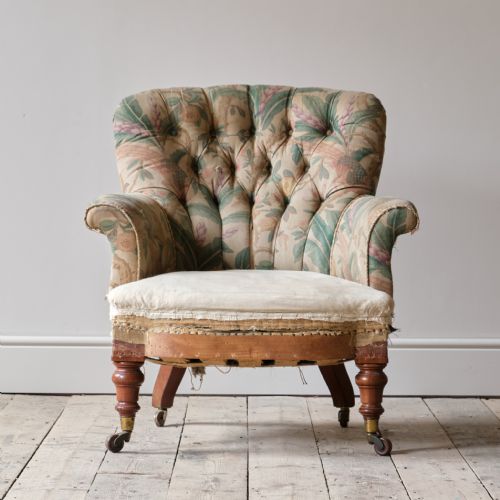
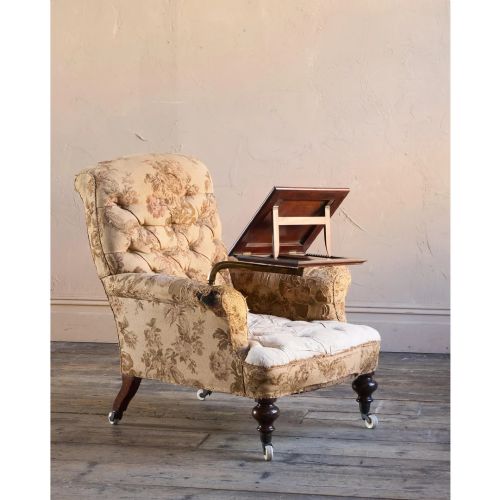
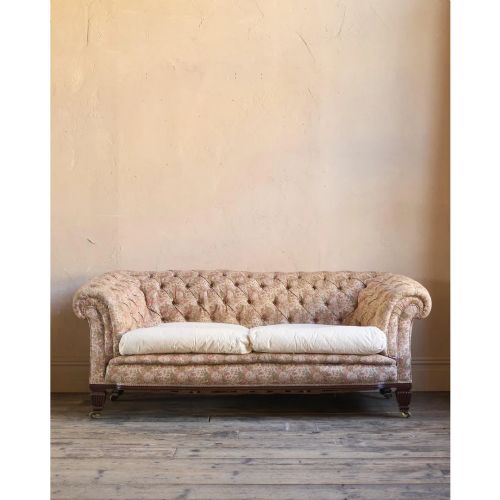
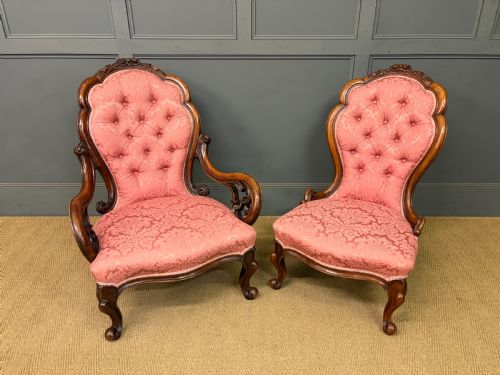
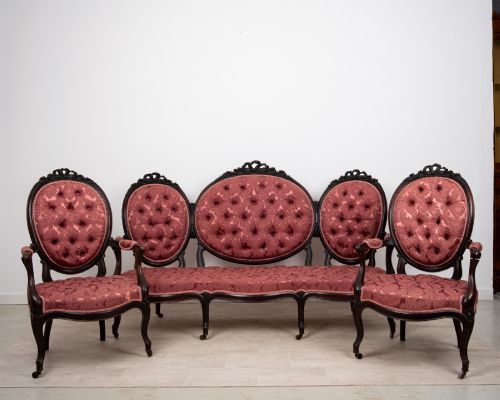
These pieces encompass armchairs, sofas, nursing chairs, and salon suites built primarily during the Victorian and Edwardian periods, alongside French Napoleon III designs. A buyer examining this selection meets everything from library armchairs and Chesterfield sofas to low slipper chairs and child chairs.
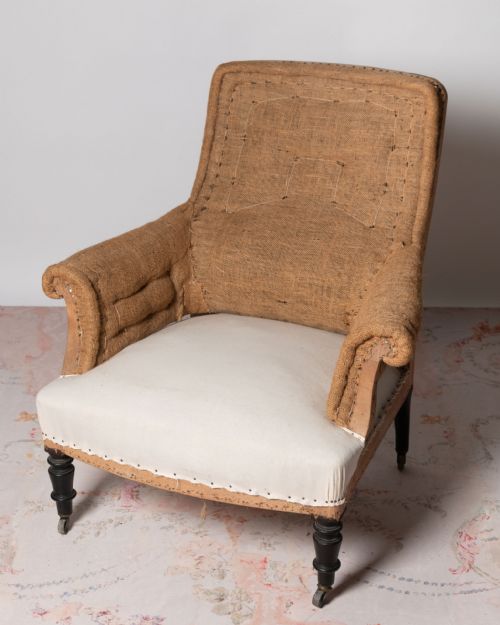
The defining characteristic across these forms is the deep buttoned upholstery technique, which pulls the fabric into a rhythmic, cushioned grid. Pieces often appear in traditional coverings such as velvet, ticking, hessian, and various textiles, ready for everyday use or further restoration.
Origins stretch from English country houses to French workshops, encompassing named cabinet makers and anonymous regional makers alike. Forms range from compact boudoir chairs to large proportioned salon suites intended for formal reception rooms.
How they were made
Frames are constructed from hardwoods such as mahogany and walnut, occasionally incorporating iron or supportive brass elements for structural longevity. Wood components often display carved details, turned supports like barley twist frames, or delicate inlay.
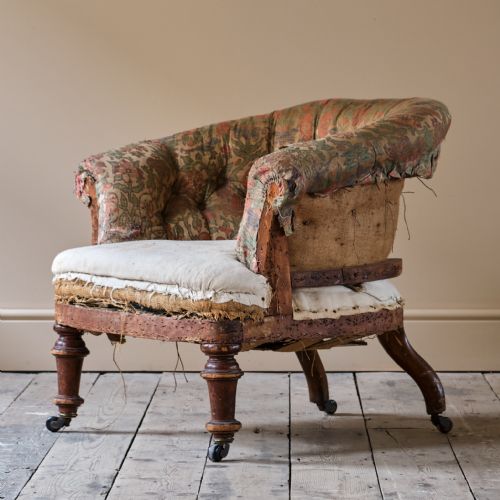
The upholstery technique relies on securing individual tufts through the padding to form the characteristic depressions, traditionally anchored to underlying webbing and stuffing. Outer covers utilise tactile materials including velvet, printed textiles, and sturdy ticking.
Listings feature 19th Century, Victorian, Edwardian, and specific years from 1850 to 1900, constructed in mahogany, walnut, and brass.
What varies in quality
Quality reveals itself in the architectural integrity of the wooden frame and the precision of the carved or turned details. Walnut and mahogany show crisp execution, while the proportions of the chair or sofa dictate its visual balance.
The execution of the buttoning determines the depth and regularity of the tufted pattern across the backrest and arms. Superior pieces maintain taut tension in the textile and disciplined spacing in the folds.
Howard and Sons·Gillows·Hamptons and sons·Cornelius V Smith·Maple and Co
The Antique Button Back Upholstery Glossary
- Button back
- An upholstery method where tufting buttons are pulled deep into the padding to create a textured, geometric pattern of dimples and folds. This technique adds structural firmness and decorative richness to the piece.
- Chesterfield
- A large, deeply buttoned sofa traditionally featuring arms and back of the same height. This form anchors formal nineteenth century interiors.
- Nursing chair
- A low-seated chair designed originally for comfort near a nursery hearth, often featuring an upholstered back without arms to accommodate voluminous Victorian skirts.
- Slipper chair
- A low, armless bedroom chair that sits close to the floor. It typically offers a compact footprint and an upholstered back.
- Napoleon III
- A French design period spanning the mid to late nineteenth century, known for ornate frames and eclectic revival styles. Pieces from this era often embrace curves and rich surface treatments.
Antique Button Back Upholstery: Frequently Asked Questions
What is antique button back upholstery?
Antique button back upholstery refers to nineteenth and early twentieth century seating where the fabric is pulled back with tufting buttons to create a padded, quilted surface.
These pieces include armchairs, sofas, and nursing chairs designed for formal parlours and private rooms.
How do I identify a Victorian button back chair?
Victorian examples typically feature dense hardwoods like walnut or mahogany, visible hand-turned or carved details, and traditional stuffed foundations.
Look for period frame construction methods and classic nineteenth century silhouettes such as low nursing chairs or library armchairs.
Are these pieces comfortable for daily use?
Most antique button back chairs and sofas offer a firm, supportive seat due to the dense packing required for deep tufting.
Their ergonomic posture reflects nineteenth century seating habits, making them suitable for studies, living rooms, and reading corners.
What is a French Napoleon III chair?
Napoleon III chairs are nineteenth century French seating pieces that often display curved frames, gilded or polished wood, and luxurious fabric coverings.
They bring an ornate, decorative presence that complements both traditional and eclectic modern interiors.
How should I care for antique velvet upholstery?
Velvet coverings benefit from gentle brushing with the grain to maintain the pile and prevent flattening of the fabric fibres.
Keep these pieces away from direct sunlight to preserve the rich depth of the textile over time.