



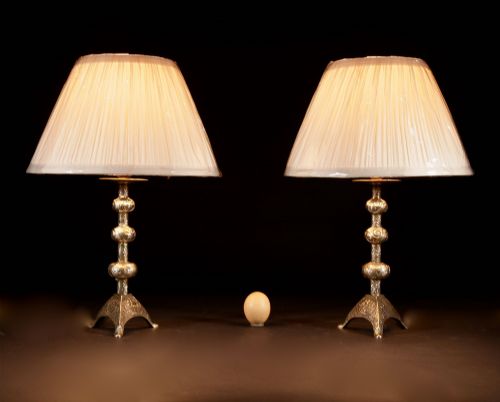
Antique Style Table Light
An antique style table light brings period character and focused illumination to a room, spanning styles from Louis XVI to Chinoiserie.
Antique Style Table Light
When searching for an antique style table light, buyers encounter a diverse selection of forms including converted candelabra, urn lamps, and traditional desk lamps. These pieces originate from various periods, stretching from the eighteenth century through the Victorian era and into the 1920s and 1930s.
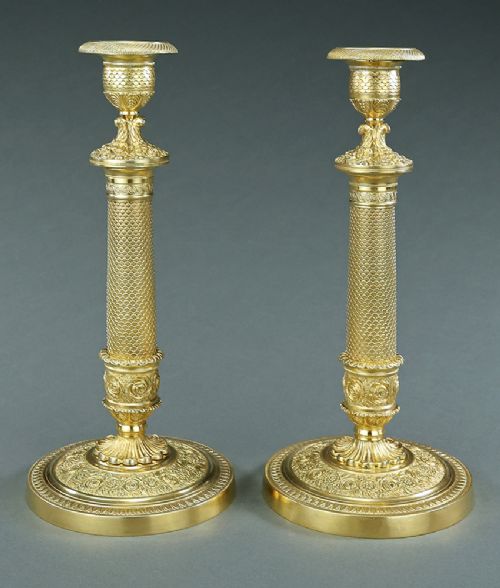
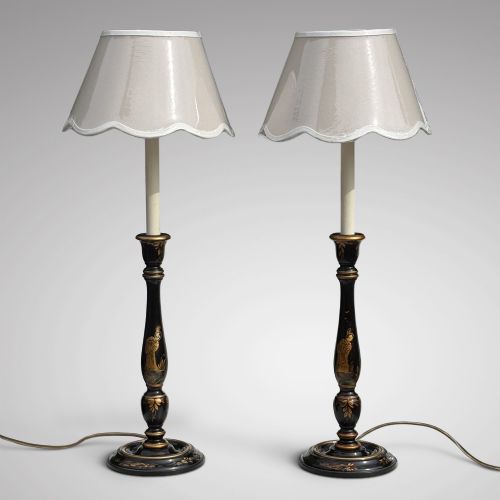
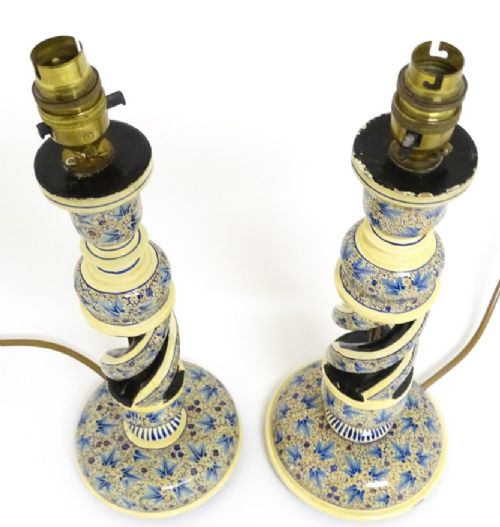
The most common examples on this page are table lamps and candelabra utilising materials like brass, gilt bronze, ormolu, and lacquered wood. Many items reflect distinct regional and stylistic influences, such as French Empire, Neoclassical, and hand-painted Chinoiserie designs.
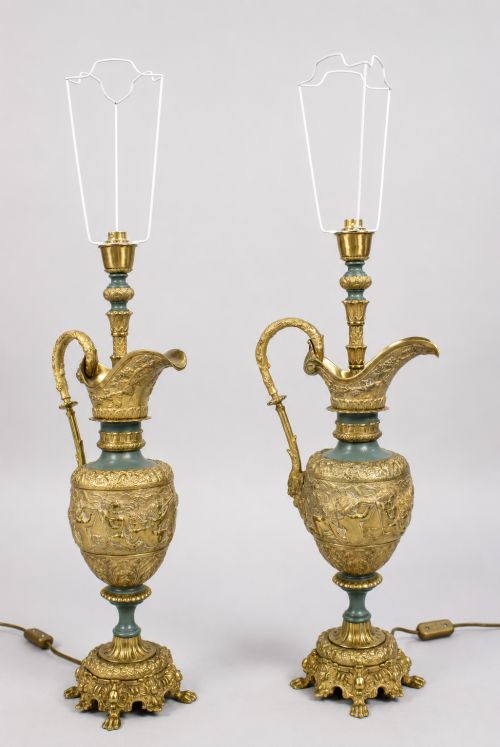
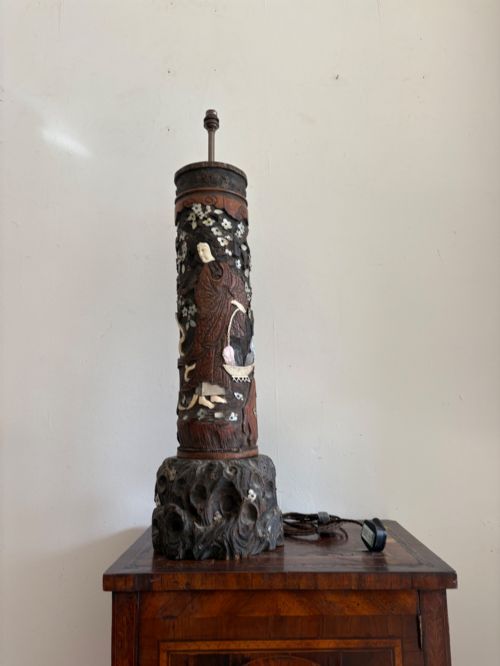
Buyers also find occasional hybrid pieces, such as converted vases and brush pots, which repurpose earlier decorative objects for modern electrical illumination. The range encompasses both modest bouillotte desk lamps and large, ornate pairs intended for prominent placement in a reception room.
Materials and construction
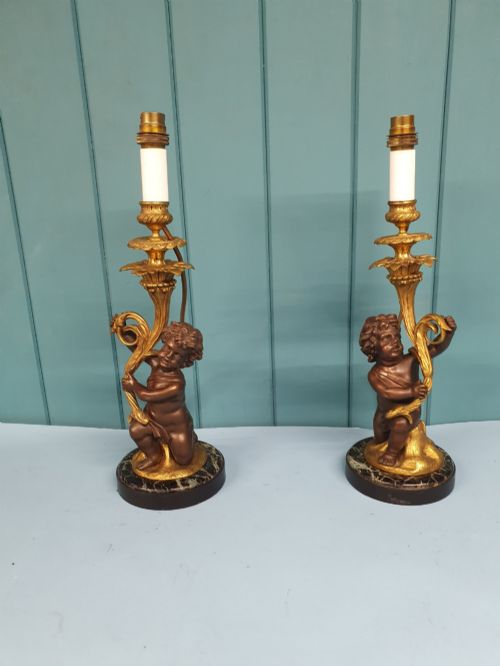
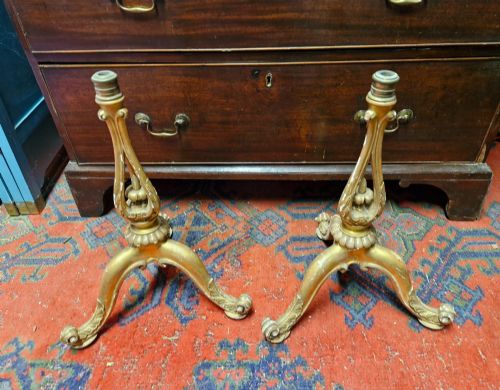
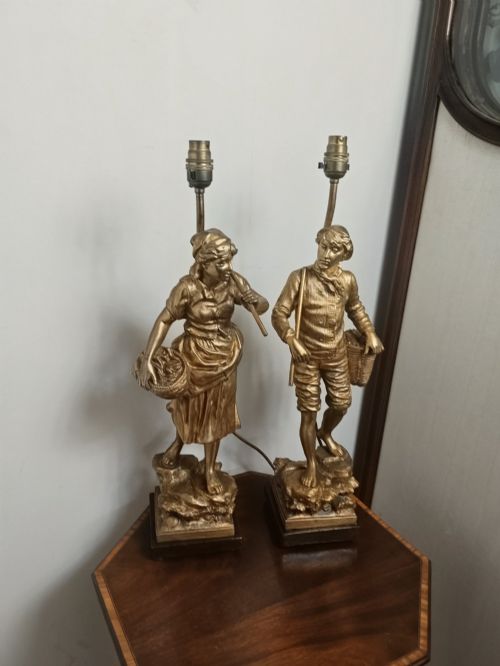
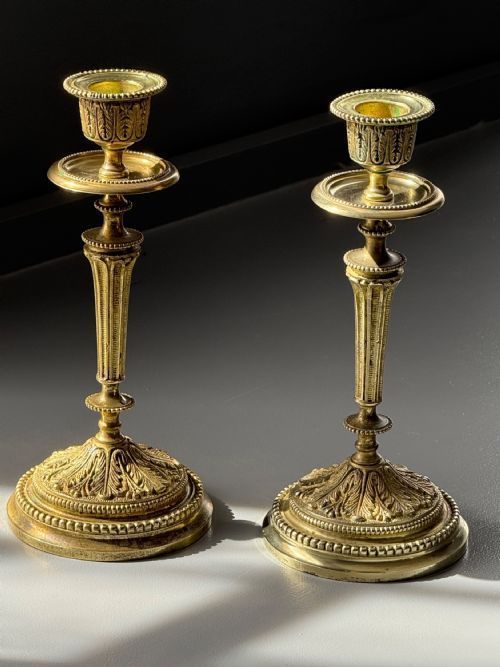
Metal components often rely on cast brass, bronze, or ormolu, sometimes finished with fine gilt layers or patination. These metals allow for intricate surface detailing, from floral motifs to figural cherubs and rams heads.
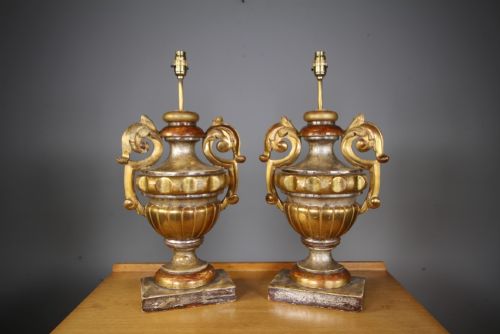
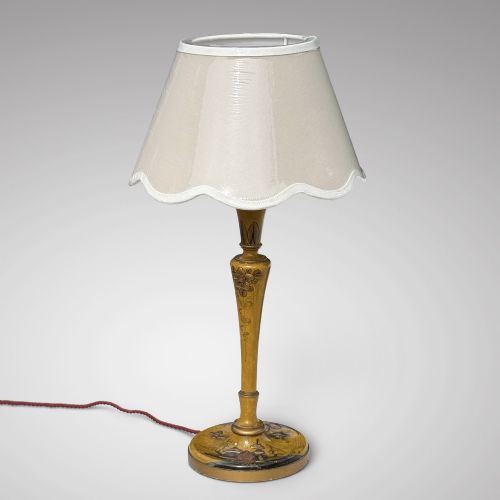
Wooden elements incorporate carved pine, oak, and giltwood, frequently paired with hand-painted lacquer finishes in ochre, mandarin orange, or green Toleware. Artisans also integrated porcelain panels, white marble bases, and opalescent glass into the structural designs.
Listings feature table lights spanning the 18th century, Victorian period, and 1920s, constructed from brass, porcelain, marble, and gilt bronze.
Judging the standard
Quality rests primarily on the crispness of the casting and the depth of the finish, whether in the chased details of gilt bronze or the hand-applied layers of Chinoiserie lacquer. Superior examples display precise symmetry, particularly in matched pairs, and retain their original decorative integrity despite conversion for electrical use.
The choice of secondary materials, such as solid marble plinths, heavy-gauge brass, and authentic porcelain inserts rather than later replacements, distinguishes finer pieces. Artistry in hand-painted motifs and the integration of diverse elements dictate where a piece sits within the stylistic hierarchy.
Pierre Philippe Thomire·E Rousseau·Sitzendorf
The Antique Style Table Light Glossary
- Ormolu
- Gilded bronze, where a mercury and gold amalgam was applied to cast bronze and heated to leave a rich golden layer. This technique was widely utilised in French decorative arts.
- Chinoiserie
- European decorative style reflecting Chinese artistic influences, typically characterised by hand-painted lacquered surfaces and motifs of figures or landscapes. It gained popularity during various periods including the early twentieth century.
- Bouillotte
- A type of adjustable desk lamp featuring a central shaft, a metal shade, and a shallow tray base for holding small items. They are frequently made of Toleware and brass.
- Candelabra
- Branched lighting devices designed to hold multiple candles, which are frequently found converted into electrical table lamps in antique markets. Their arms and sockets determine much of their visual weight.
- Pate sur pate
- A porcelain decoration technique where layers of liquid clay are built up on a contrasting body to create a low-relief cameo effect. This method requires considerable skill from the ceramic artist.
Antique Style Table Light: Frequently Asked Questions
What is an antique style table light?
An antique style table light is a decorative illumination piece originating from historical periods or designed in imitation of past decorative movements. These objects encompass converted candelabra, urn lamps, and dedicated desk lights.
They combine functional lighting with period craftsmanship, utilising materials such as brass, porcelain, carved wood, and gilt bronze to add character to domestic interiors.
Were these always electric lamps?
Many antique table lights started life as candleholders, oil lamps, vases, or decorative vessels before being adapted for electricity at a later date. Candelabra and porcelain vases are frequently converted to hold electrical fittings.
This adaptation allows historical decorative objects to serve modern functional purposes while retaining their original aesthetic appeal.
How do I style a table lamp?
Styling these lamps depends on their scale, finish, and the surrounding interior aesthetic, whether pairing an oak-based piece with rustic furniture or a gilt bronze lamp with formal decor. Placing them on side tables, desks, or bedside cabinets highlights their decorative metalwork and painted finishes.
Matching pairs provide symmetry on larger sideboards, while singular statement pieces work well as focal points on smaller tables.