

Antique Style Studs
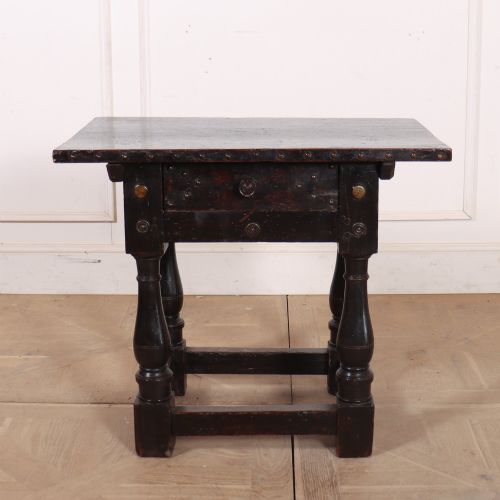
Antique style studs denote the decorative brass nails edging period seating and leatherwork, bringing structural trim and traditional craft detail to chairs and beds.
Antique Style Studs
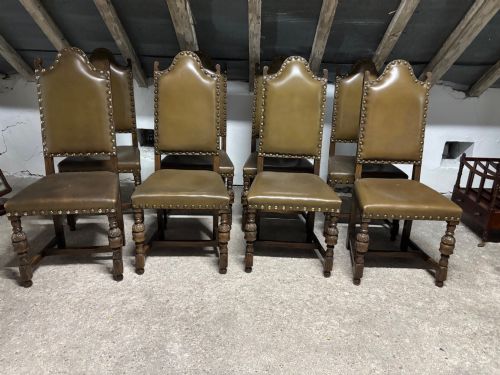
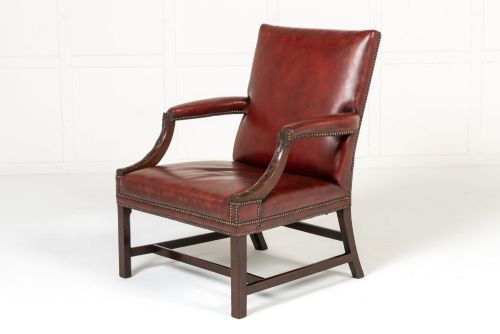
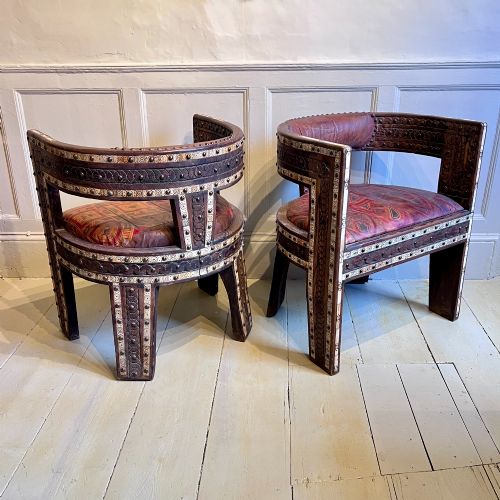
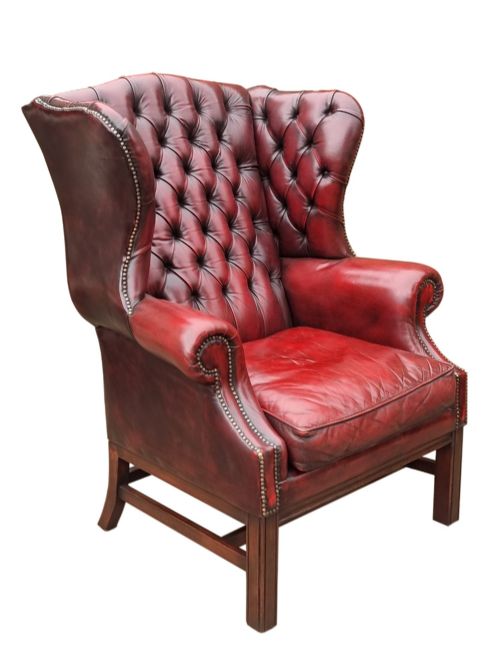
When searching for antique style studs, buyers encounter decorative metal fasteners applied along the borders of upholstered furniture such as leather armchairs, dining seats, and settees. These small metallic components serve to secure leather and fabric coverings tightly to wooden frames while providing a distinct visual outline.
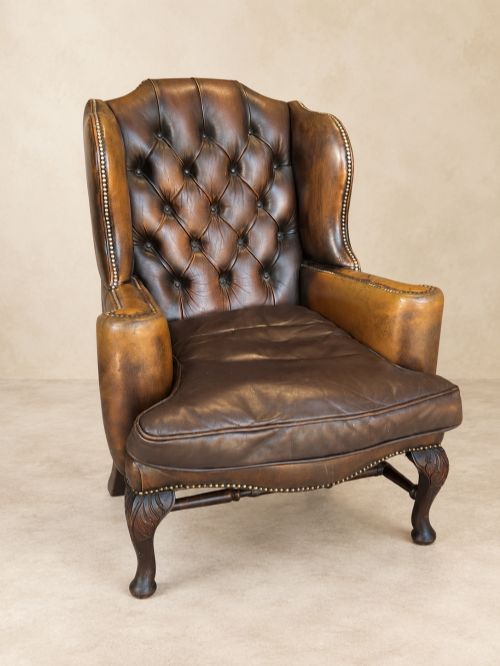
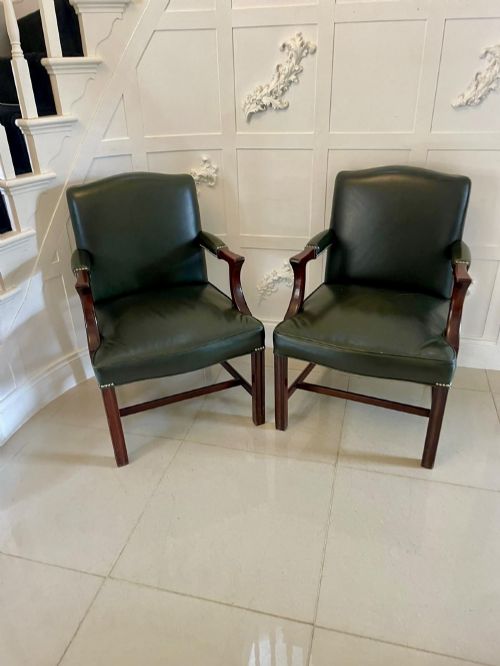
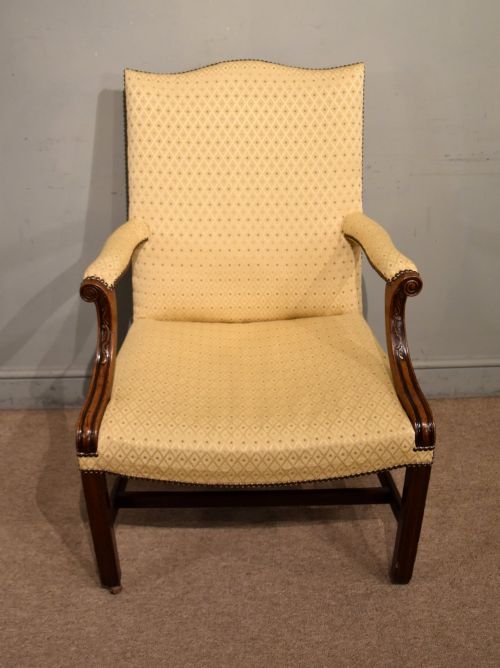
The pieces available display these decorative details on items originating from periods spanning the Georgian era, the nineteenth century, and the Edwardian epoch. Seating types frequently incorporate these metal accents around the wings, arms, and bases of library chairs and desk seats.
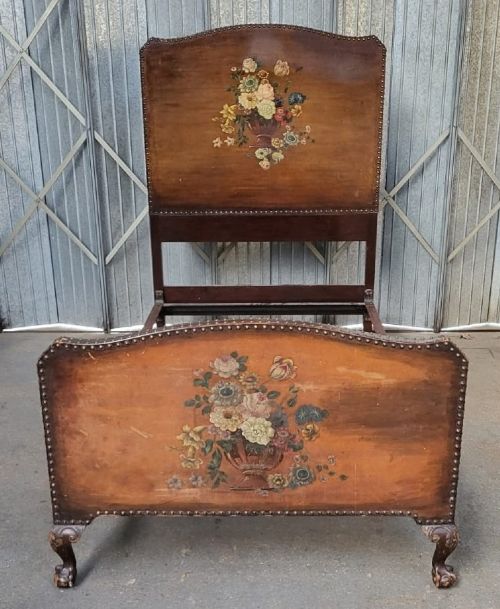
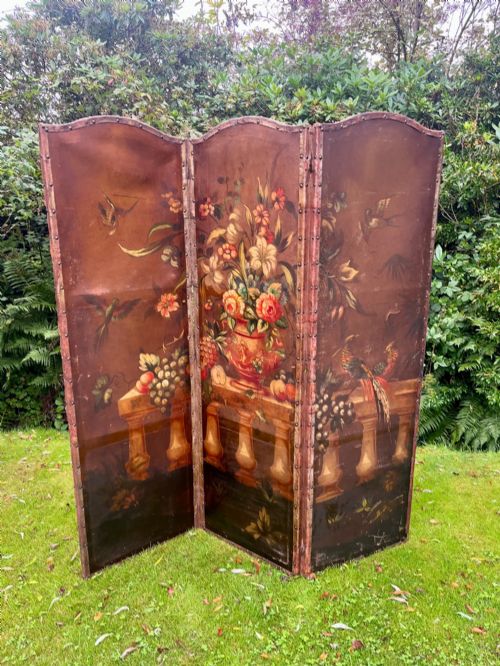
Beyond seating, the listings reveal these metal fastenings on beds and folding screens upholstered in leather. Such examples demonstrate how hardware functions both as a functional anchor for hides and textiles and as a deliberate stylistic device.
How they were made
Craftsmen utilised durable metals such as brass to form the heads of these decorative nails, attaching them individually through leather or fabric into solid frames of oak, mahogany, walnut, and other timbers. Each fastener required careful placement by hand to maintain even spacing along the contours of armchairs and settees.
The underlying frames supporting these studded hides relied on traditional joinery executed in hardwoods, ensuring that the structural skeleton could withstand the tension applied by stretched leather and upholstery webbing. Wood framing materials like mahogany and oak provided the dense foundation necessary to hold the driven nails securely in place.
A solitary brass stud once doubled as a secret map marker for a mischievous Victorian cabinetmaker.
What varies in quality
The standard of execution in these pieces rests upon the regularity of the nail placement and the integrity of the metalwork used for the stud heads. Hand-forged or solid brass components exhibit a depth of finish that distinguishes them from simpler plated alternatives.
Quality also depends on the union between the studded leather and the hardwood frame beneath, where precise tension prevents sagging and maintains the intended profile of wing armchairs and desk seats over decades of use.
The Antique Style Studs Glossary
- Gainsborough armchair
- A wide seat with an upholstered back and arms, designed during the eighteenth century and frequently finished with brass studs along the leather borders.
- Wingback armchair
- A high-backed seat featuring protective side panels designed to shield the sitter from drafts, commonly upholstered in hide secured with decorative metal nails.
- Chesterfield
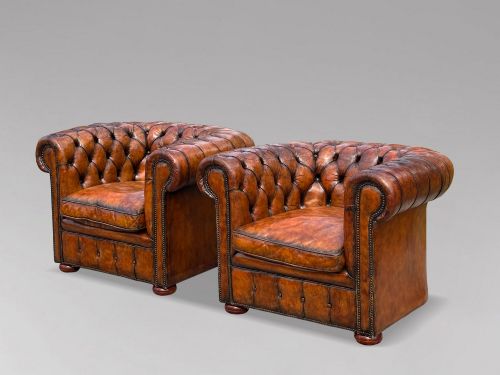
- A large padded settee or club armchair characterised by deep buttoning and borders edged with individual metallic fasteners.
- Cabriole leg
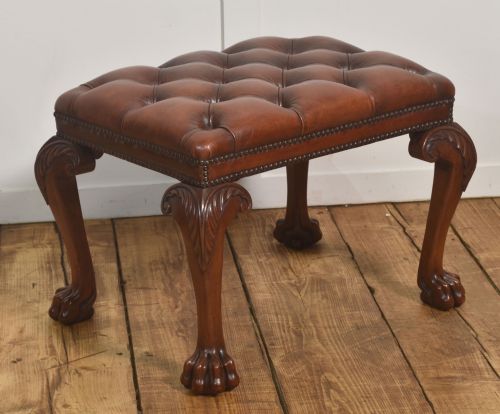
- A furniture support that curves outward at the knee and tapers inward toward the foot, seen on various seating styles from the Georgian period onward.
- Blind carving
- Ornamental wood decoration carved in low relief directly onto the solid frame rather than applied as a separate moulding.
Antique Style Studs: Frequently Asked Questions
What are antique style studs made from?
These decorative fasteners are typically manufactured from brass or other durable metals, chosen for their ability to maintain a polished appearance while securing heavy hides and textiles.
Over time, the metal develops a natural patina that complements the aged timber frames and leather upholstery of period seating.
How were studs used on furniture?
Cabinetmakers and upholsterers drove these metal nails through the edges of leather or fabric to fasten the covering materials firmly to the wooden internal framework.
Beyond their structural purpose, the heads were aligned in continuous rows to create a decorative border that defined the silhouettes of armchairs and screens.
Which furniture types feature these studs?
You will find these decorative nailheads predominantly on upholstered seating such as Gainsborough armchairs, wingback chairs, library desk seats, and Chesterfield settees.
They also appear on larger items like leather-upholstered bedsteads and decorative folding screens from the nineteenth and early twentieth centuries.
How do I care for studded leather furniture?
Maintain the leather surrounding the studs by applying appropriate conditioners to keep the hide supple and prevent cracking near the nail points.
Clean the metal heads gently with a soft cloth to avoid disturbing the upholstery or scratching the polished brass surfaces.