




Antique Style Rug
An antique style rug brings centuries of woven heritage into a room, offering traditional motifs and durable floor coverings.
Antique Style Rug
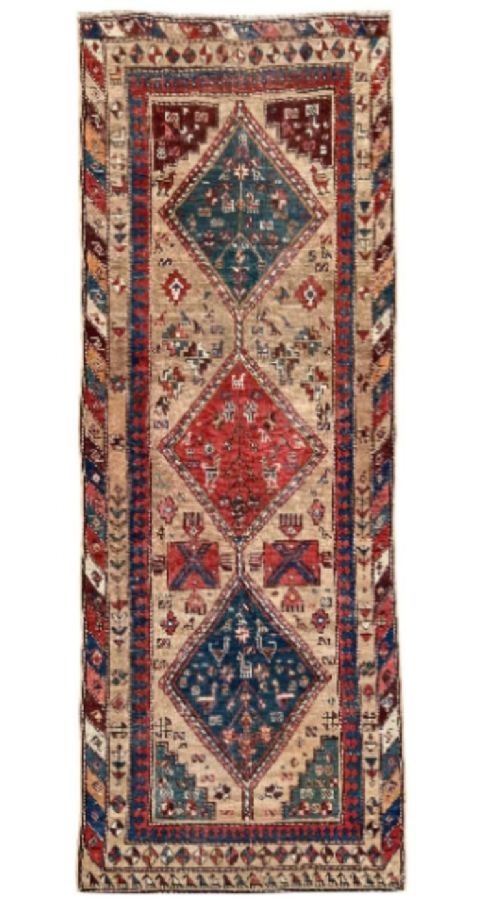
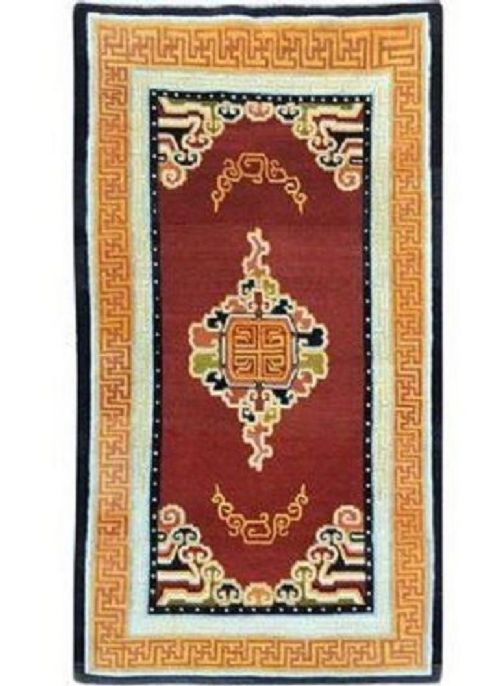
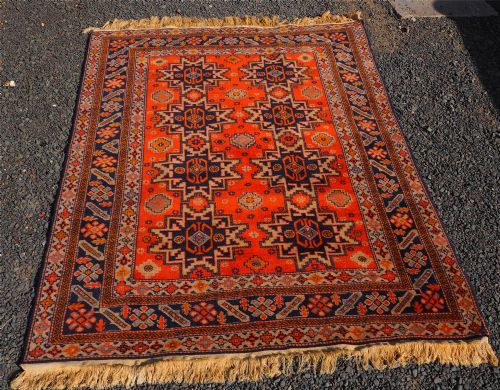
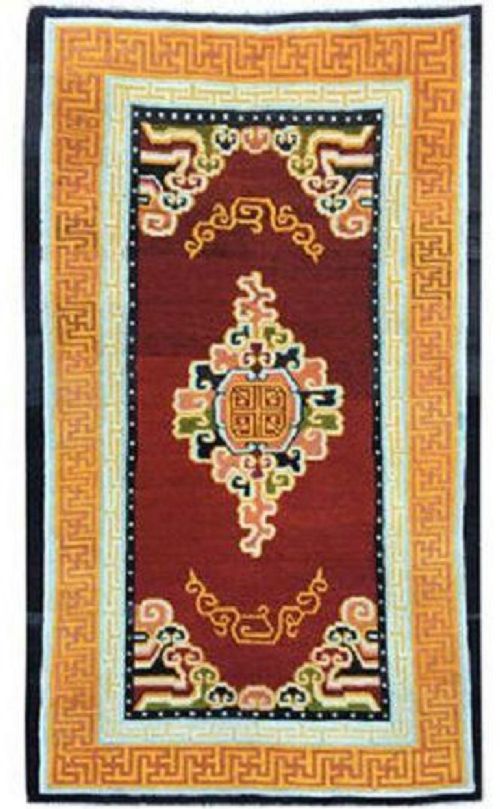
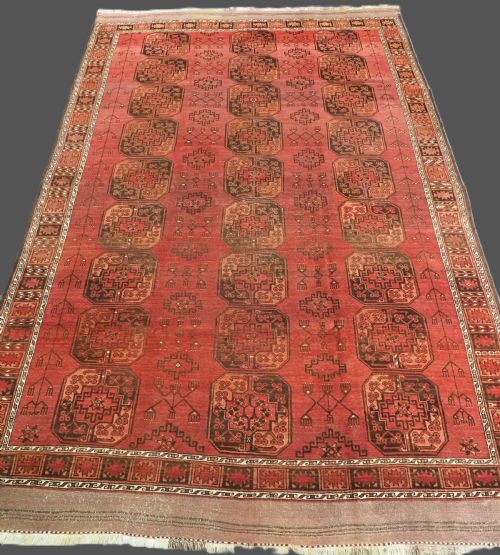
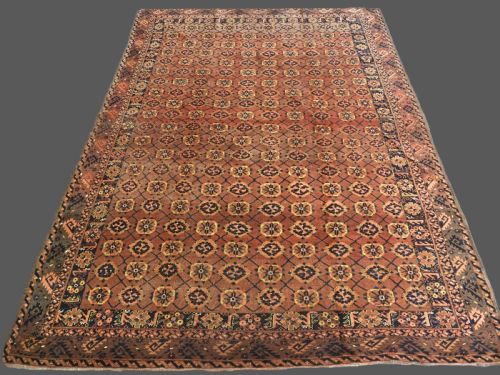
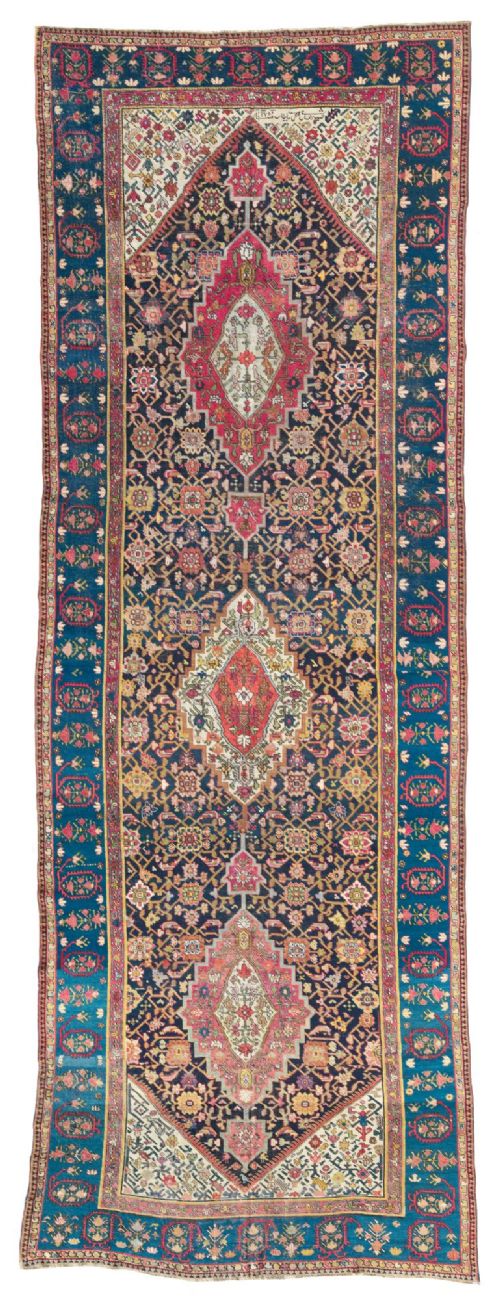
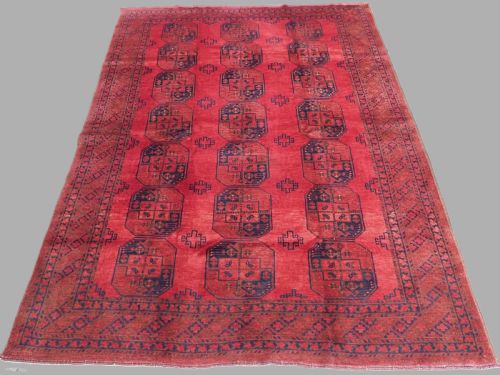
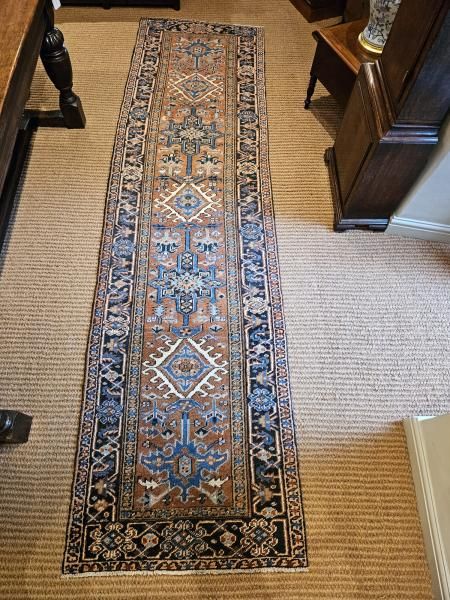
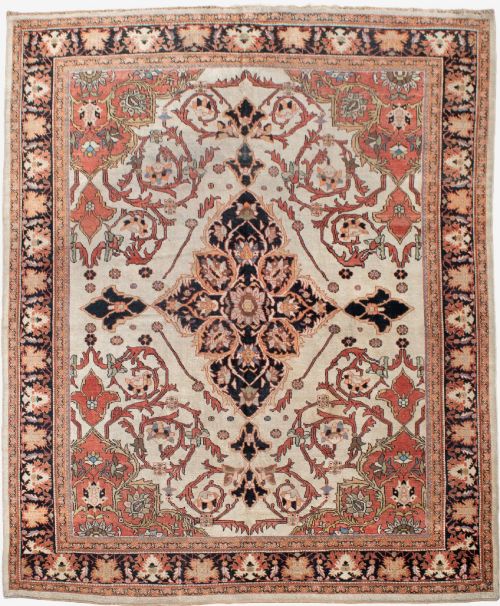
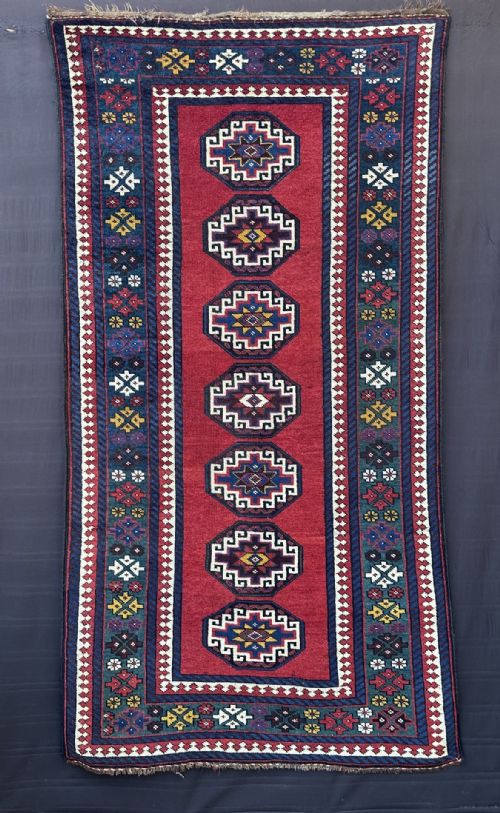
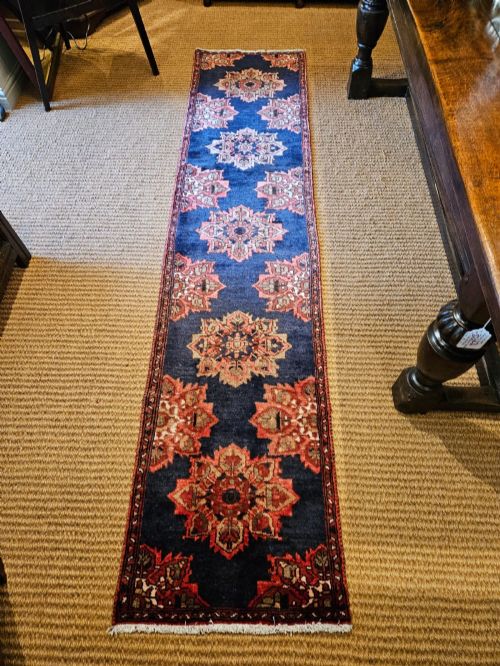
When searching for an antique style rug, buyers encounter floor coverings that span from the nineteenth century through the early twentieth century. These pieces include runners, large carpets, and smaller area rugs originating from Persian, Caucasian, Turkmen, and Afghan traditions.
The selection ranges from village carpets and tribal kelims to specific regional weaves like Heriz, Oushak, and Kazak. Buyers most frequently meet runners and village rugs carrying traditional geometric or floral designs in various room sizes.
How they were made
These textiles rely primarily on wool, hand-spun wool, and cotton foundations, occasionally incorporating silk. Artisans knotted or wove these materials by hand to produce dense, hard-wearing piles and flat weaves.
Natural and traditional dye methods created the warm reds, olive greens, and navy blues seen across the pieces. The combination of sturdy wool and tight knotting accounts for the longevity of these carpets.
One listed runner proudly embraces its individuality as a crooked Kazak, proving that perfect straight lines are overrated.
What varies in quality
Quality in these rugs depends on the fineness of the knotting and the complexity of the design execution. Tighter weaves and crisper geometric or curvilinear patterns generally distinguish finer village and workshop productions.
The integrity of the foundation materials and the richness of the palette also set examples apart. Uniformity in the wool and depth of colour separate standard village pieces from exceptional tribal specimens.
The Antique Style Rug Glossary
- Runner
- A long, narrow carpet suited for hallways and corridors. These pieces often measure significantly longer than they are wide.
- Pile
- The cut or uncut loop surface of a carpet that forms the upper layer. This soft face absorbs foot traffic and protects the foundation.
- Kelleh
- A large format carpet that is longer than a standard square format but wider than a typical runner. It serves well in substantial living spaces.
- Bag face
- The decorative front panel of a storage sack produced by nomadic weavers. These remnants are often preserved and displayed as small rugs.
Antique Style Rug: Frequently Asked Questions
Where should I place a runner rug?
Runners suit narrow spaces such as hallways, corridors, and galley kitchens. Their elongated format bridges rooms while protecting wooden or tiled flooring.
They also work effectively along the side of a bed or in narrow entryways where standard rectangular sizes do not fit.
How do I identify a Heriz carpet?
Heriz carpets typically display bold, geometric medallion designs anchored in the centre of the field. They originate from the Heris region in northwestern Persia and feature robust wool construction.
Their distinctive large-scale motifs and sturdy structures separate them from finer, curvilinear city carpets.
What is a tribal rug?
Tribal rugs are woven by nomadic or village groups using memory patterns passed down through generations. These pieces often feature geometric designs, earthy palettes, and spontaneous stylistic variations.
Unlike formal workshop carpets, tribal weaves reflect the personal expression and local traditions of the maker.
How do I care for an old wool rug?
Vacuum these textiles gently with a suction-only attachment to avoid damaging the delicate wool pile and foundation threads. Rotating the rug periodically ensures even wear across high-traffic areas.
Professional cleaning tailored to antique wool maintains the integrity of the natural dyes and fibres.