

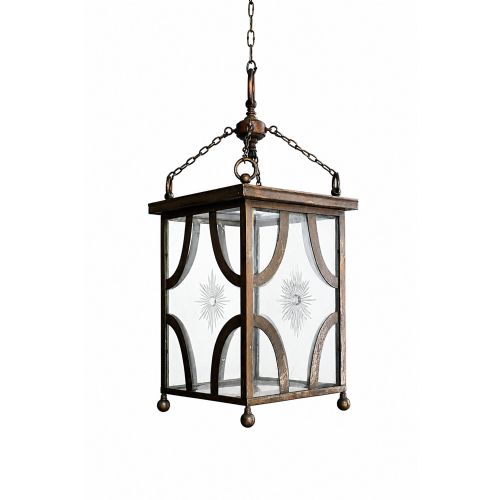
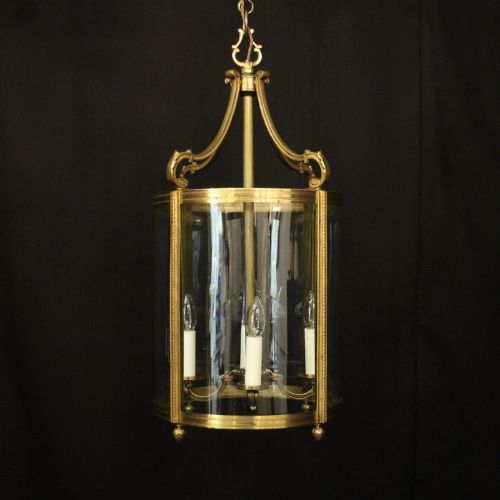
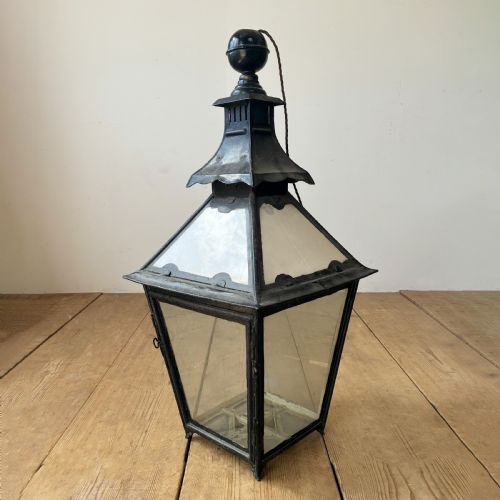
Antique Style Lantern
An antique style lantern brings historic illumination indoors, combining period metalwork with glass to anchor a hallway or entrance.
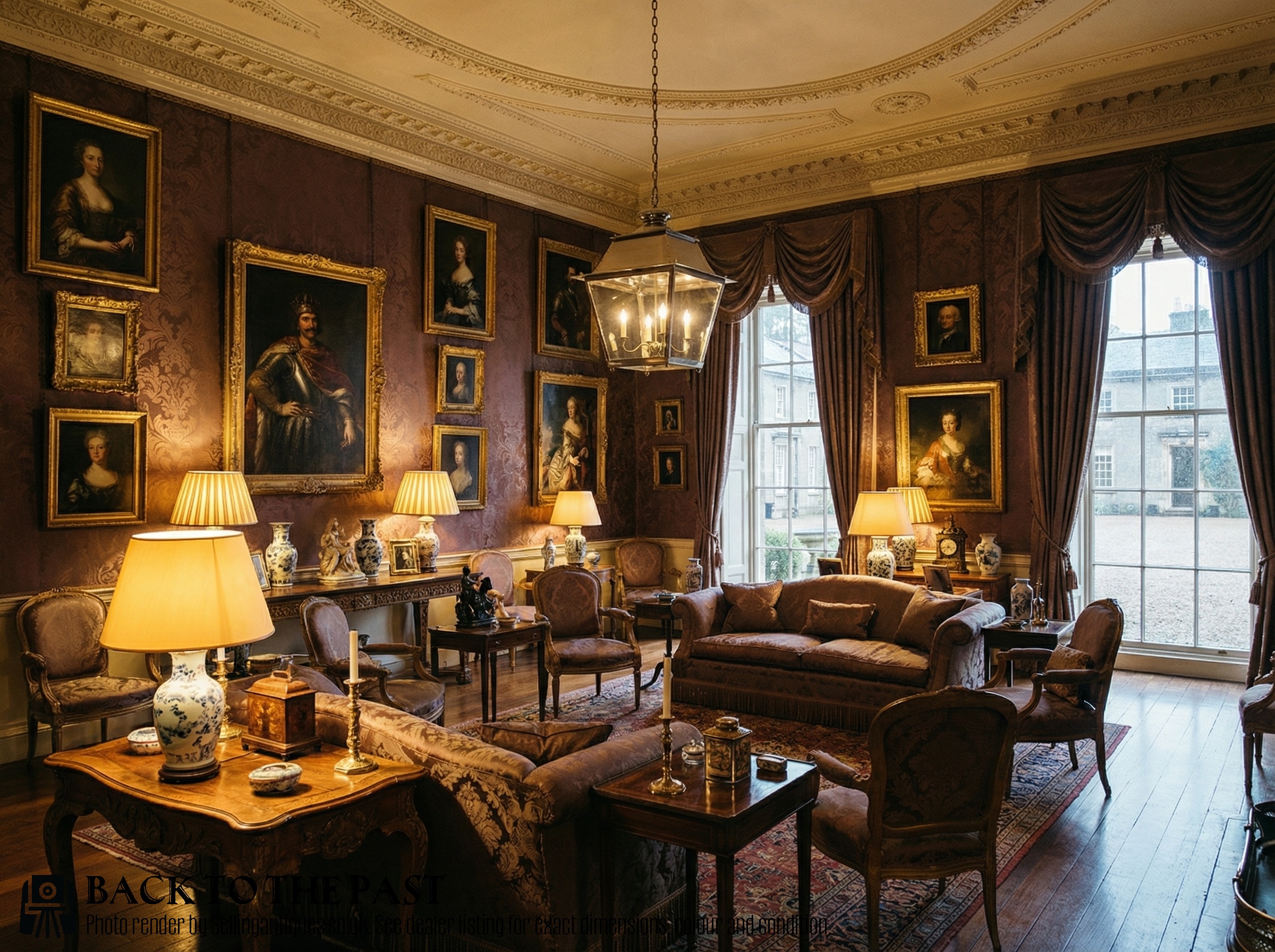
Antique Style Lantern
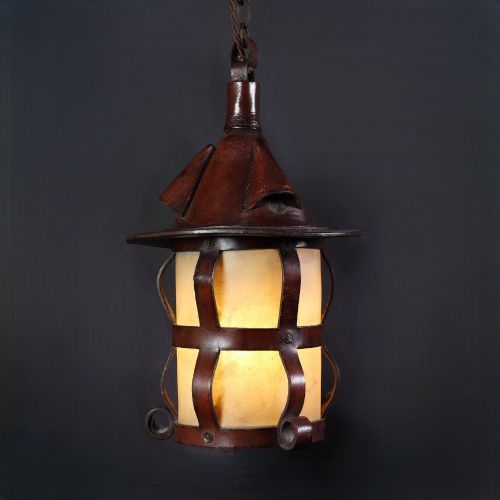
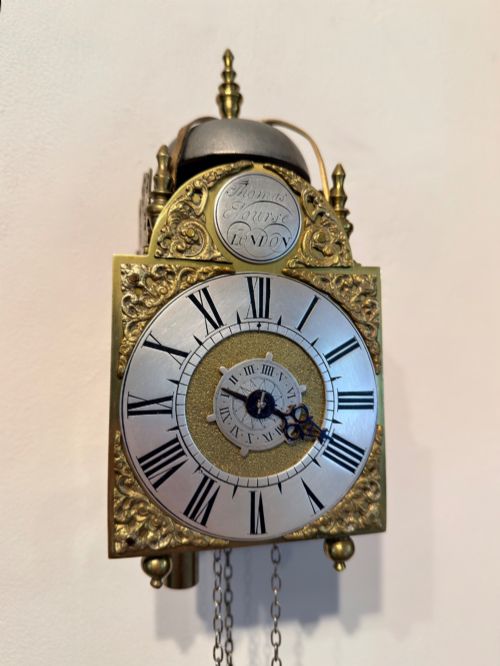
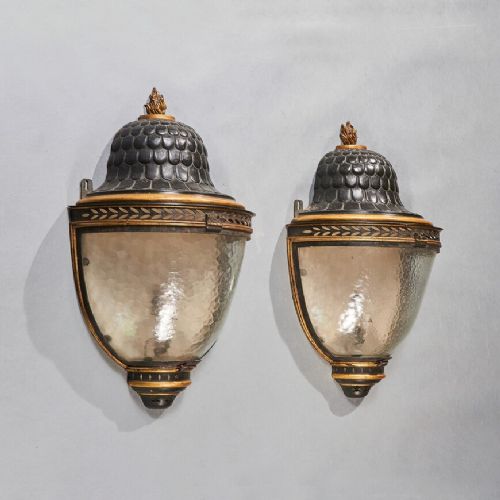
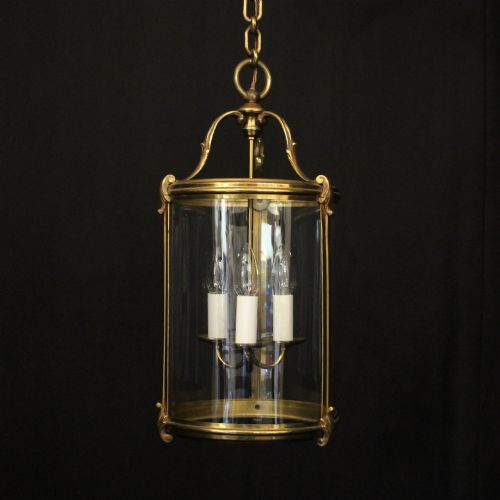
When you search for an antique style lantern, you encounter a varied collection of hanging, wall-mounted, and ceiling fixtures spanning the nineteenth and twentieth centuries. These pieces draw on French chateau, neoclassical, Gothic revival, and Arts and Crafts design traditions.
The selection ranges from small single-light fixtures to monumental giltwood and bronze chandeliers. Buyers find both electrified conversions and pieces retaining early wiring configurations suited to period interiors.
Materials and Construction
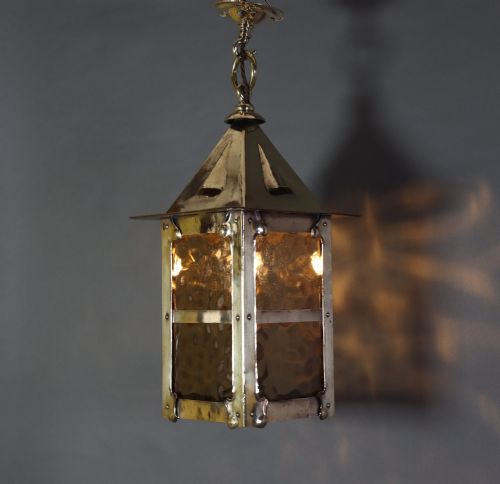
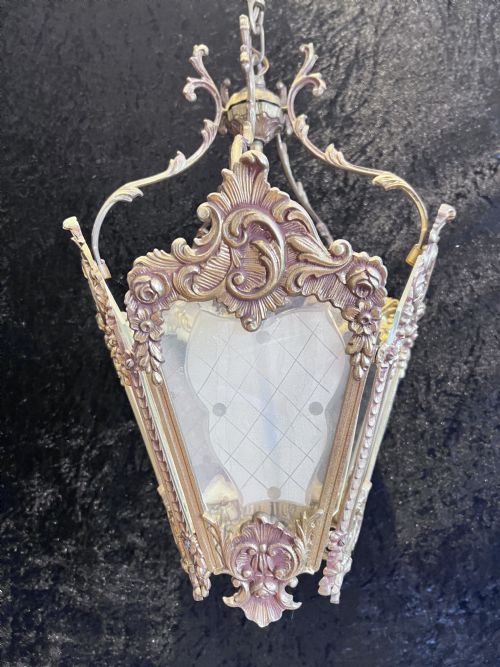
Metalwork forms the structural backbone of these fixtures, utilising cast and gilded bronze, polished or patinated brass, wrought iron, and copper. Artisans shaped these metals through casting, piercing, and parcel-gilding to achieve intricate surface detail.
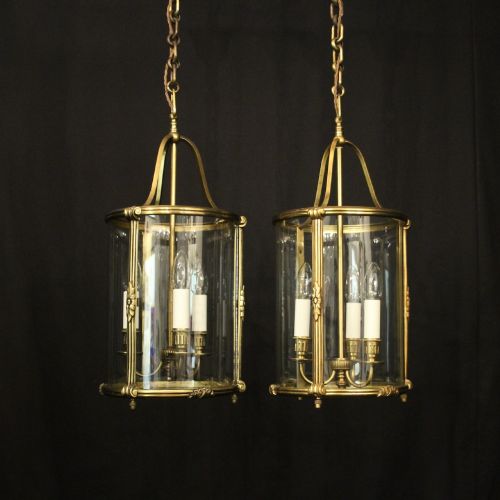
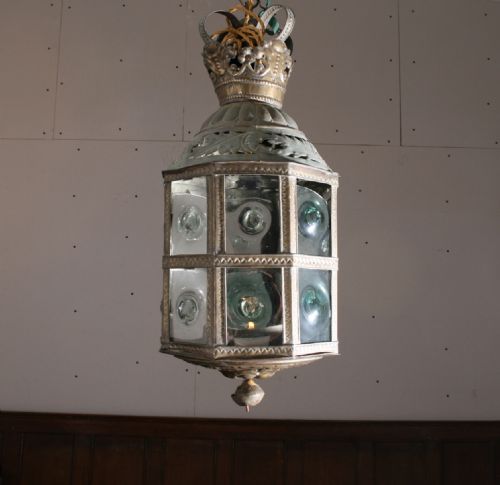
Glass panels, including hand-blown bullseye panes and curved convex glass, fit securely into metal frames to diffuse light. Rivets, screws, and soldered joints hold the metal and glass components together, while suspension chains or wall brackets support the weight.
Materials across these listings include brass, copper, bronze, iron, steel, and glass.
Distinctions in Quality
The distinction between standard and exceptional pieces rests in the weight of the metal casting and the crispness of the chased or pierced ornamentation. Heavier gauge brass, bronze, and copper maintain structural integrity and display deeper relief work.
Glass selection significantly impacts the finish, where hand-blown bullseye or curved convex panes demonstrate superior artisan skill compared to standard flat glass. Furthermore, integrated decorative elements like verdigris patination or fine parcel-gilding indicate higher workshop standards.
Perry And Co·P H Vogel
The Antique Style Lantern Glossary
- Convex glass
- Curved glass panels that project outward to diffuse light across a wider angle. They appear frequently in hall lanterns to soften bulb glare.
- Ormolu
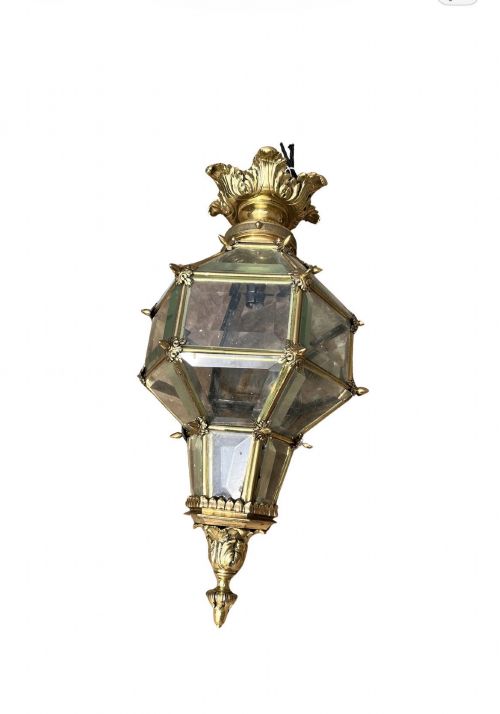
- Gilded bronze ornaments applied to metal frames for decorative effect. The technique involves treating bronze with a gold amalgam.
- Gilt bronze
- Bronze metal treated with a thin layer of gold to produce a rich metallic finish. It resists tarnishing while offering a bright appearance.
- Tole peinte
- Painted tinplate utilised for decorative metal objects and lanterns. This technique introduces coloured designs onto sheet metal surfaces.
- Bullseye glass
- Thick glass formed with a central circular distortion left by the blowing iron. It provides texture and obscures direct interior views.
Antique Style Lantern: Frequently Asked Questions
How do I hang a heavy brass lantern?
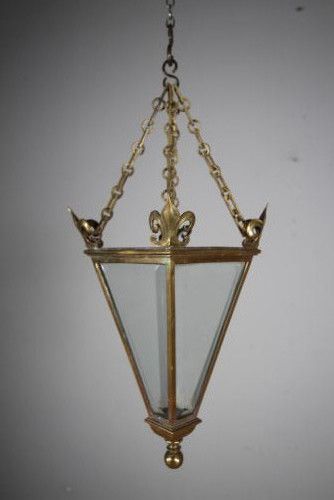
Heavy brass and bronze lanterns require secure ceiling joists or adequate wall blocking to support their substantial weight safely. A professional electrician should assess the wiring and install a rated support hook.
Suspension height depends on the ceiling clearance and the designated pathway below. Hallway fixtures typically hang high enough to clear foot traffic easily.
What rooms suit a wall lantern?
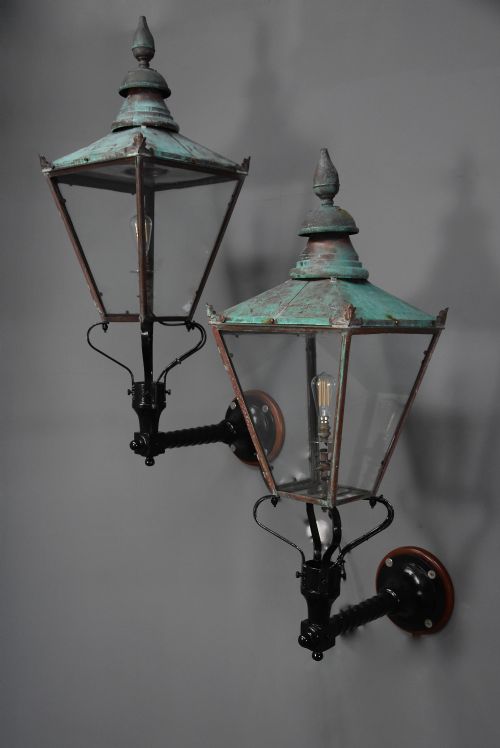
Wall lanterns and carriage lights suit entranceways, porches, and long corridors where directional side lighting works best. Their protruding brackets add architectural interest to plain walls.
Pairing a wall light with a matching ceiling pendant unifies the lighting scheme across connected spaces. Scale the fixture size to match the surrounding wall area.
How do I clean patinated copper?
Patinated copper and verdigris surfaces need gentle dusting with a soft, dry cloth to preserve their aged appearance. Avoid harsh chemical cleaners that strip away the historical finish.
Preserving the natural oxidation keeps the metal stable over time. Light applications of microcrystalline wax help protect vulnerable metal areas.