




Brass Candle Lanterns
Brass candle lanterns bring warmth and character to an entrance hall, combining metalwork and glass to illuminate interiors.
Brass Candle Lanterns
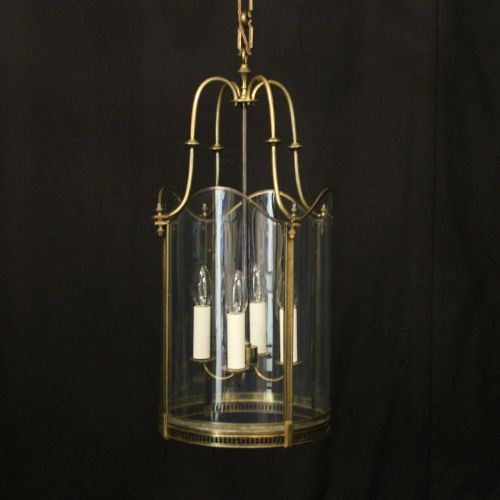
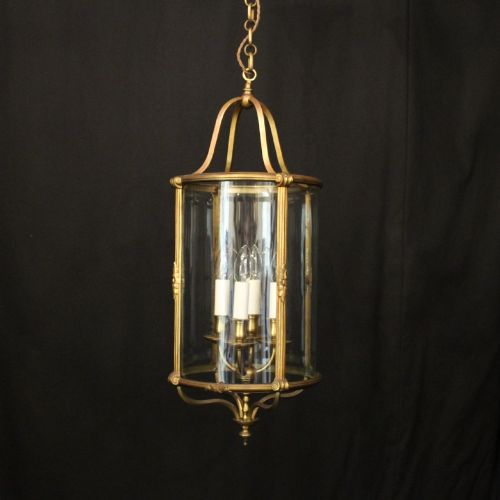
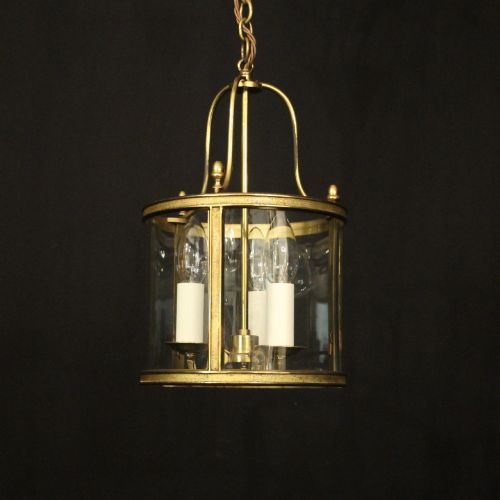
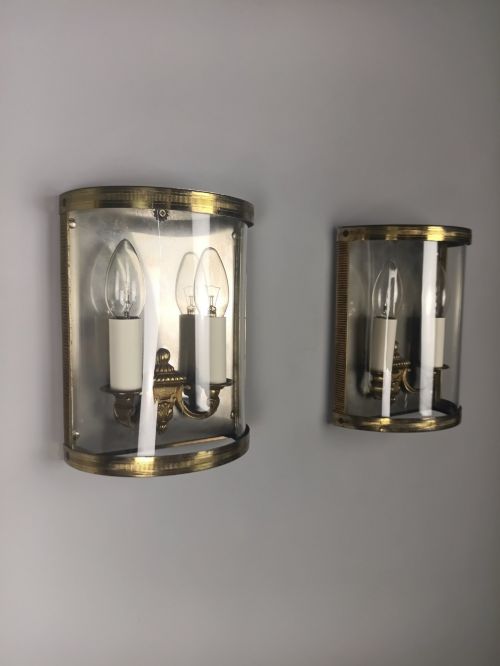
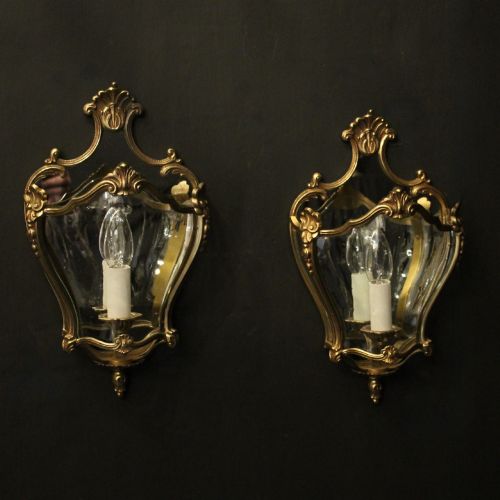
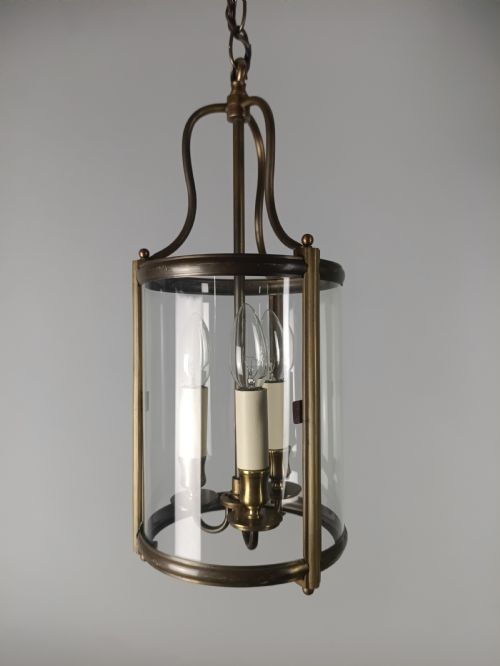
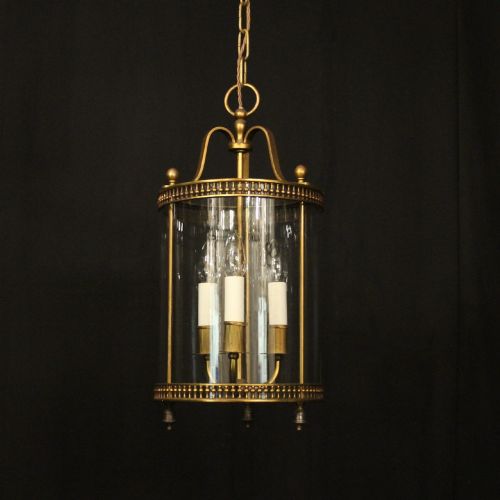
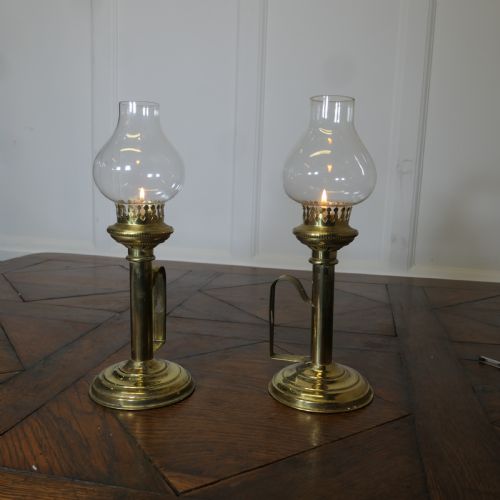
Brass candle lanterns encompass hanging ceiling fixtures, wall-mounted sconces, and hall lanterns designed to illuminate interior spaces. When searching for brass candle lanterns, collectors encounter pieces primarily originating from the early twentieth century and the Edwardian era, alongside nineteenth-century examples. French designs dominate these selections, spanning classical, neoclassical, empire, and chateau styles alongside English interpretations.
The assortment includes single, twin, triple, and four-light configurations, frequently featuring convex or bevelled glass panels. Hanging lanterns and hall lights form the core of these listings, accompanied by matching wall lights and occasional chandeliers. These fixtures serve both functional lighting purposes and decorative architectural roles within domestic spaces.
How they were made
Maker construction methods rely upon cast brass, gilt bronze, and gilded brass frameworks combined with glazed panels. Metal founders shaped structural frames through casting and joining techniques, mounting individual glass panes securely within the metal housings.
Surface treatments range from polished brass finishes to applied gilding on bronze and brass substrates. Glazing techniques incorporate flat, curved, and bevelled glass to diffuse internal illumination from the candle or electrical fittings housed within.
Listings feature brass candle lanterns primarily from the early twentieth century, alongside nineteenth-century examples and Edwardian pieces.
What varies in quality
Quality differentiates through the crispness of metal casting and the thickness of the brass or bronze framework. Superior pieces display finely detailed surface ornamentation, substantial weight, and robust structural joinery that maintains rigidity across large hanging frames.
The execution of the glass panels further separates tiers of quality, particularly where bevelled or convex panes require specialised cutting and fitting. Original gilding and surface patination contribute significantly to the distinction between standard production items and finer examples.
The Brass Candle Lanterns Glossary
- Convex glass
- Curved glass panes that project outward to soften and magnify internal light sources. This feature appears frequently on period hall lanterns.
- Bevelled glass
- Glass with edges cut and polished at an angled border to refract light. It adds decorative depth to lantern panels.
- Gilt brass
- Brass treated with a thin layer of gold or gold-coloured finish to enhance visual brilliance. The treatment provides a rich metallic lustre.
- Hall lantern
- A hanging light fixture specifically proportioned for entranceways and corridors. These pieces typically feature enclosed glass sides.
- French Empire
- A neoclassical design style characterised by military motifs, symmetry, and classical restraint. Pieces from this tradition emphasise formal balance.
Brass Candle Lanterns: Frequently Asked Questions
Where should I hang a hall lantern?
Hall lanterns suit entrance corridors, stairwells, and vestibules where overhead illumination creates an inviting entrance. Their enclosed design protects the light source while casting diffused light across circulation spaces.
Ensure adequate ceiling height and clearance when positioning hanging fixtures above walking routes. Wall-mounted versions provide an alternative for narrower passages lacking sufficient vertical clearance.
How do I identify French styles?
French styles display distinct decorative vocabularies ranging from ornate chateau motifs to restrained neoclassical and empire symmetry. Examining the decorative mounts and overall silhouette reveals the intended design period.
Local craftsmanship traditions often manifest in the specific casting details and proportion of the metal framework. Comparing these elements against known architectural periods helps confirm stylistic origins.
Are these lanterns wired for electricity?
Many period lanterns receive modern rewiring to accommodate electrical lamp holders while retaining their traditional appearance. Converted fixtures integrate internal wiring discreetly through the suspension hardware.
Buyers should inspect the interior fittings to verify current electrical standards and compatibility with modern bulbs. Professional installation ensures safe operation within domestic settings.
What maintenance do brass frames require?
Brass and bronze surfaces benefit from gentle dusting with a soft, dry cloth to prevent dust accumulation. Avoid abrasive cleaning compounds that can strip historic gilding or original patination.
Glass panels clean easily with standard glass cleaner applied to a cloth rather than sprayed directly onto the metal. Regular care preserves the finish of both the metal and the glass.