
Antique Style Furniture
These pieces of antique style furniture bring period character to a room through traditional forms and timber.
Antique Style Furniture
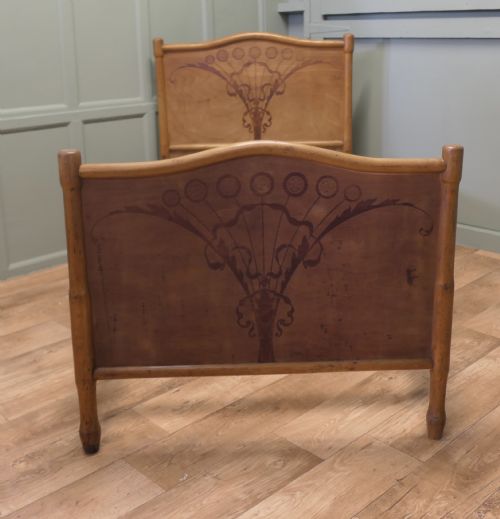
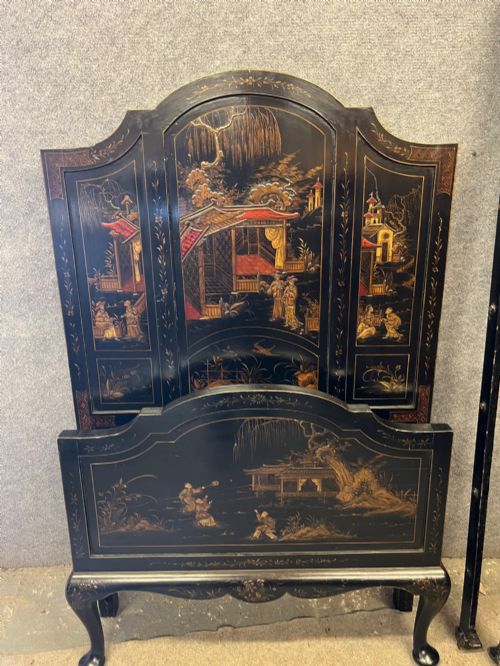
When buyers search for antique style furniture, they encounter a diverse selection of seating, storage, and display pieces originating from the nineteenth and early twentieth centuries. The inventory spans standard domestic items such as chests of drawers, bookcases, writing desks, and single beds.
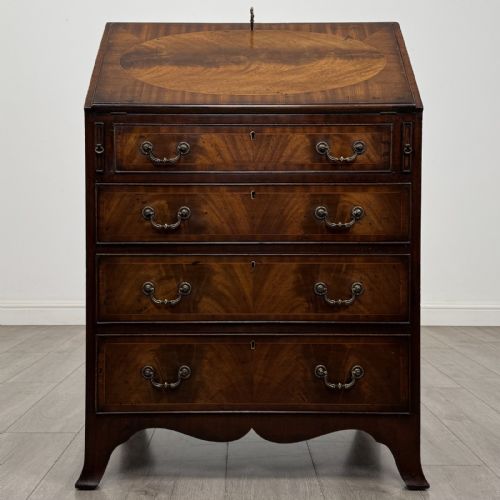
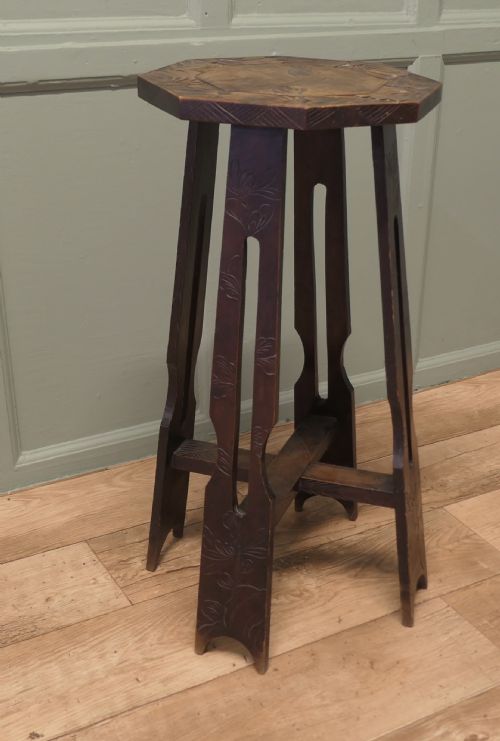
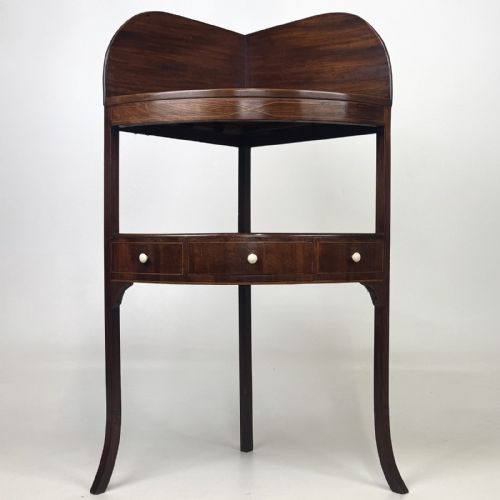
The aesthetic draws heavily on earlier historical periods, particularly Georgian, Regency, and Queen Anne designs, alongside Victorian, Edwardian, and Arts and Crafts movements. Workshops utilised established forms like the bureau, the corner stand, and the drop-front writing desk to satisfy demand for traditional proportions.
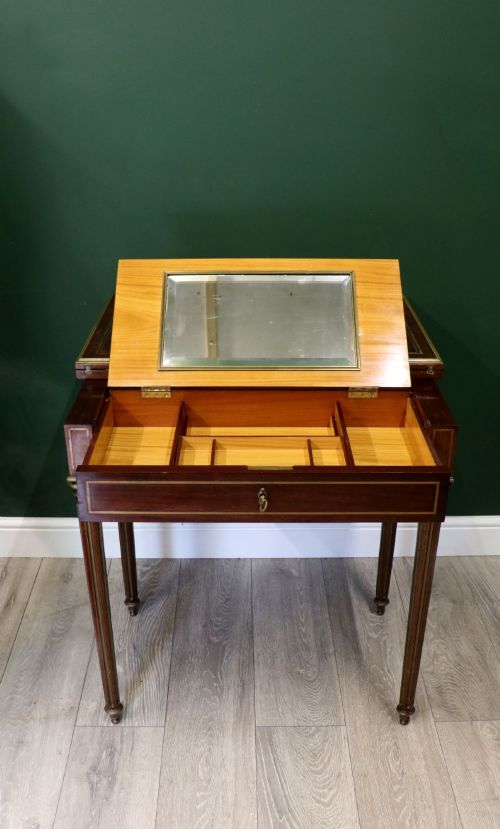
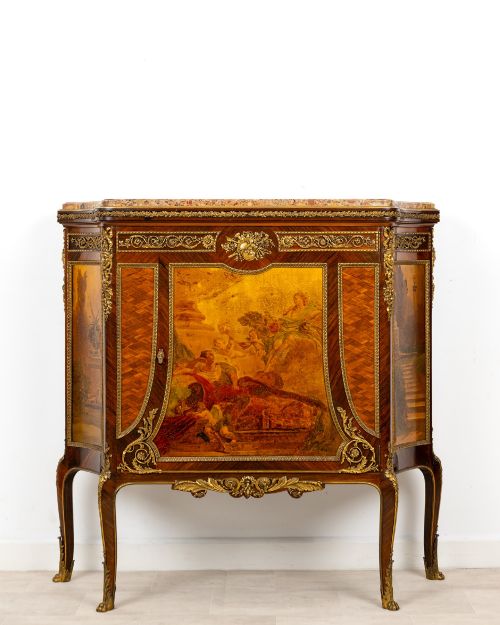
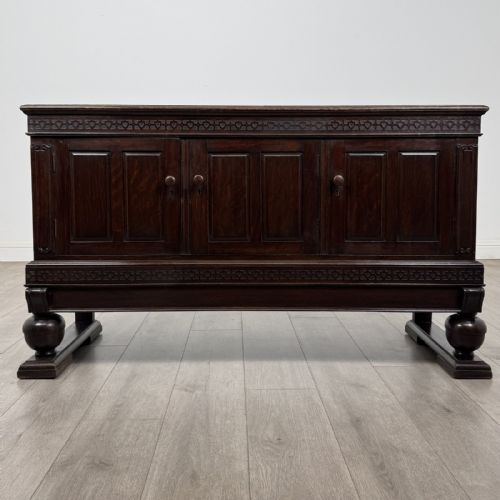
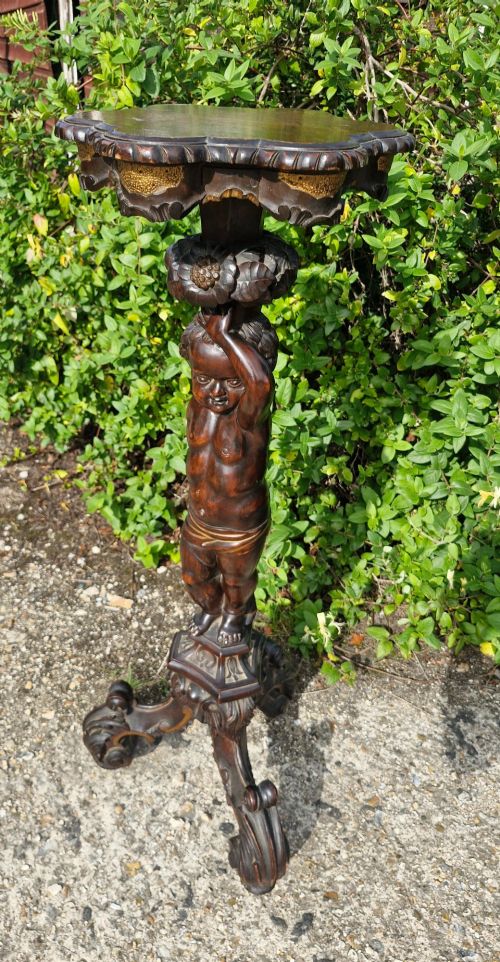
Mahogany, oak, and walnut dominate the selection, often complemented by marquetry inlay or burr veneers. Pieces range from modest oak cupboards to elaborate French writing desks decorated with ormolu and gilt-bronze mounts.
Materials and construction methods
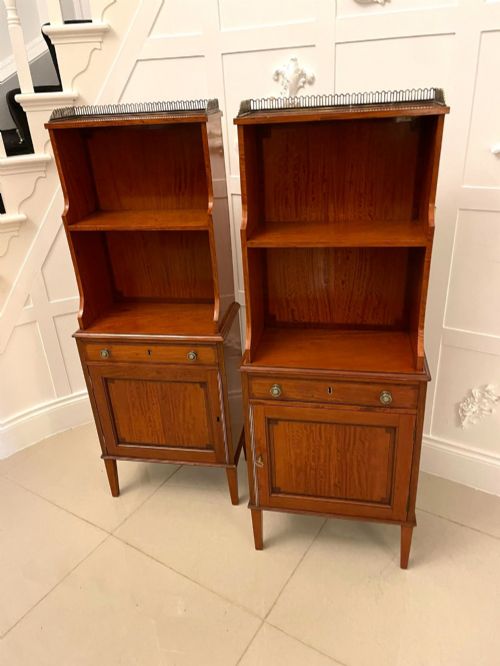
Makers relied on solid hardwoods such as mahogany, oak, walnut, and elm for structural integrity, frequently applying figured veneers like burr walnut or satinwood to visible surfaces. Brass fittings, ormolu mounts, and glazed panels added decorative and functional detail to cabinets and bookcases.
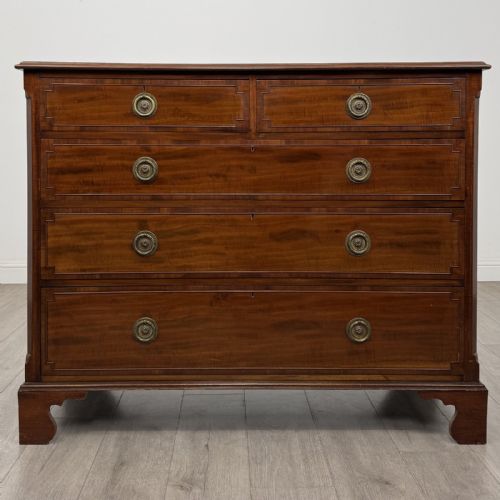
Joinery techniques relied on traditional framing and drawer construction, often featuring hand-cut dovetails and bracket feet. Surface finishes involved polishing with shellac or wax to highlight the natural grain of the timber.
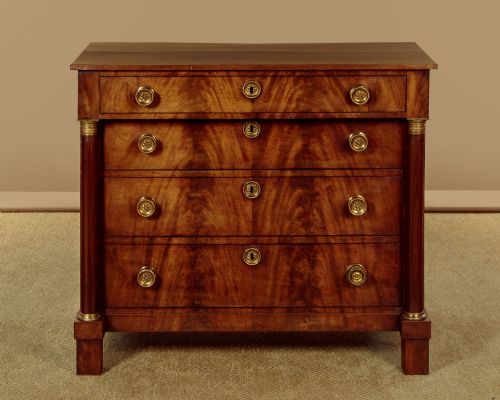
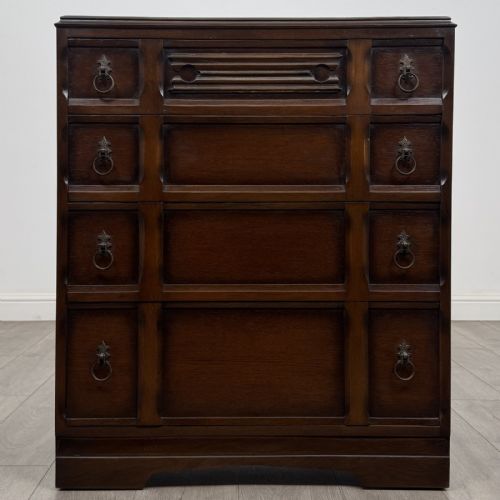
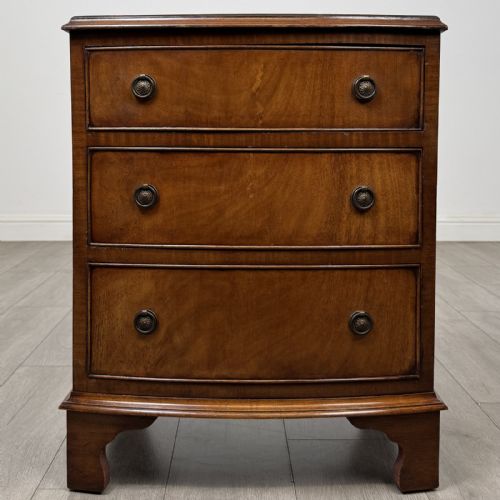
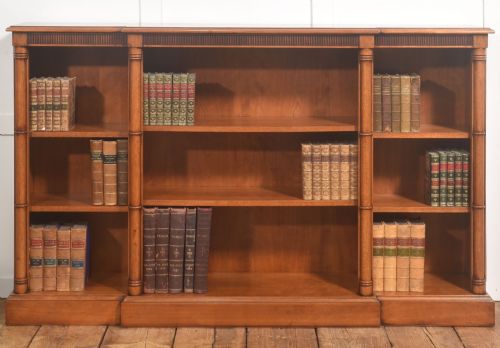
Listings feature extensive examples of 19th Century and Edwardian oak and mahogany storage furniture, including chests of drawers and bookcases.
Indicators of quality and execution
Quality rests upon the selection of timber and the precision of the underlying construction. Pieces featuring heavily figured burr veneers, consistent grain matching, and crisp carving distinguish themselves from plainer examples.
Attention to detail in secondary woods, drawer linings, and the execution of brass hardware or bracket feet marks the distinction between standard commercial output and finer workshop production.
Gillows·François Linke·Liberty and Co·Jason and Joseph Kohn·Gunn Furniture·Lebus·Finnigans
The Antique Style Furniture Glossary
- Ormolu
- Gilt bronze mounts applied to furniture, popular in French revival and nineteenth-century pieces. This technique provides metallic contrast against dark woods like mahogany.
- Marquetry
- The art of applying pieces of veneer to a structure to form decorative patterns. Craftsmen utilised various coloured timbers to create floral or geometric designs.
- Breakfront
- A piece of furniture where the central section projects forward from the side sections. This configuration adds architectural depth to bookcases and side cabinets.
- Cabriole leg
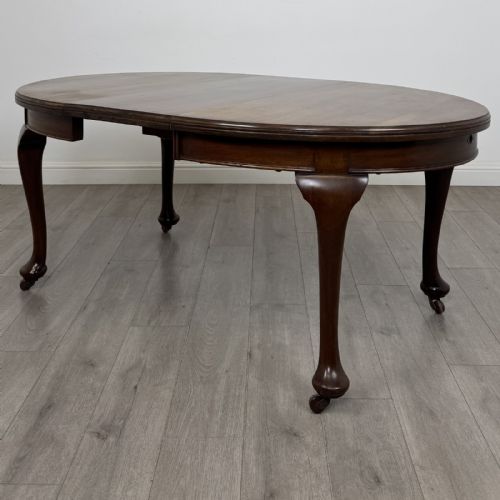
- A furniture leg that curves out and then in, resembling the leg of an animal. This form frequently appears on Queen Anne and Georgian style pieces.
- Bracket foot
- A simple foot shape formed by two pieces mitred together at the corner. It supports chests of drawers and cabinets from the base.
Antique Style Furniture: Frequently Asked Questions
How do I date antique style furniture?
Dating relies on examining construction methods, timber choices, and hardware styles. Secondary woods and tool marks often reveal the period of manufacture.
Comparing the decorative vocabulary to established nineteenth and twentieth-century design movements helps narrow the timeframe.
Where should I place a mahogany bookcase?
Mahogany bookcases suit studies, libraries, and living rooms where traditional decor predominates. Keep them away from direct sunlight and heat sources to protect the polished wood.
Ensure the floor is level so glazed doors open and close without binding.
How do I care for burr walnut veneer?
Maintain burr walnut by dusting gently with a dry cloth and avoiding silicone-based polishes. Apply a quality beeswax periodically to nourish the timber and preserve the sheen.
Keep the environment stable in humidity to prevent the thin veneer from lifting.