








Antique Style Fruit Artwork
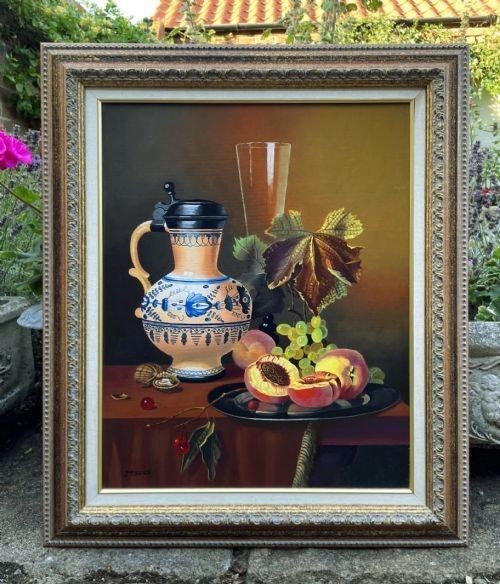
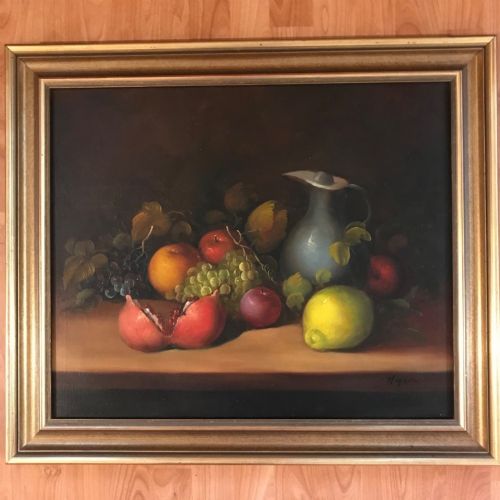
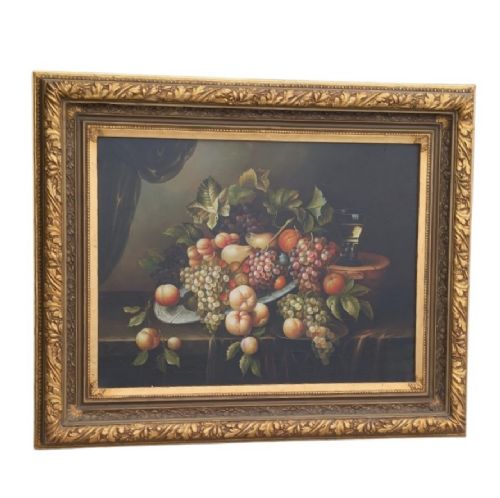
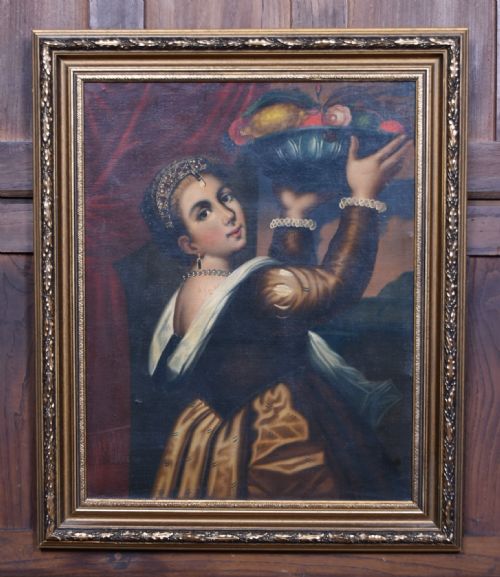
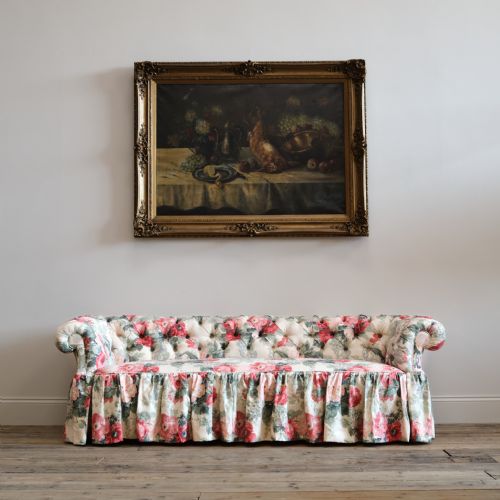
These antique style fruit artwork pieces bring rich centuries of still life tradition into your home with oil on canvas.
Antique Style Fruit Artwork
When you search for antique style fruit artwork, you are looking at oil paintings depicting arrangements of fruit, game, and flowers. These pieces range from 18th century baroque compositions to later traditional classical and post-impressionism works.
The versions you are most likely to meet on this page span the nineteenth and eighteenth centuries. They include continental school still lifes and academic old master paintings set in timber or giltwood frames.
How they were made
These works are executed in oil paint upon canvas stretched over wood frames. Artists built up the subject matter using rich pigments to capture the textures of fruit, feathers, and rustic bread.
Many of these paintings are housed within giltwood frames or gold leaf surrounds. The craftsmanship of the period extended equally to the carved wooden mouldings framing the canvases.
Antique Style Fruit Artwork Retail Price Guide 2026
Typical asking prices for style fruit artwork among the pieces listed under this phrase on Sellingantiques today, from the lower quarter to the upper quarter. They describe what is for sale here now, not the wider market.
Materials recorded across the page include giltwood frames, gold leaf, and traditional wood.
What varies in quality
The distinction between ordinary and exceptional works lies in the handling of light and shadow across the fruit and foliage. Finer paintings demonstrate greater depth and nuance in the rendering of surfaces.
Quality also rests in the preservation of the canvas and the execution of the surrounding gilt wood frame. Earlier 18th century baroque examples often display more intricate compositional arrangements than later pieces.
WILLIAM JONES OF BATH·Robert Byng
The Antique Style Fruit Artwork Glossary
- Still life
- A painting featuring inanimate subject matter, typically commonplace objects such as fruit, game or flowers. This genre allows artists to focus heavily on light, texture, and composition.
- Baroque
- An artistic style originating in the 17th century and extending into the 18th century, characterised by dramatic lighting and rich detail. Baroque fruit paintings often pair produce with game birds.
- Giltwood
- Wood that has been covered with a thin layer of gold leaf or gilt. It provides an ornate and reflective border for traditional oil paintings.
- Continental school
- A broad term denoting European artists working outside of Britain during various historical periods. These works frequently reflect regional academic traditions of the 19th century.
Antique Style Fruit Artwork: Frequently Asked Questions
What is antique style fruit artwork?
These pieces are traditional oil paintings depicting arrangements of fruit, often accompanied by flowers, game, or rustic bread. They reflect centuries of painting traditions from the continental and Dutch schools.
Created primarily during the eighteenth and nineteenth centuries, these works utilise oil on canvas to capture rich textures and warm interior lighting.
How were these paintings displayed?
Historically, such oil paintings hung in dining rooms, parlours, and formal reception spaces. Their subject matter of bountiful fruit and game made them fitting ornaments for spaces dedicated to hospitality.
They are almost invariably set within heavy wooden or giltwood frames designed to project the artwork outward from the wall.
How do I care for an oil painting?
Keep the canvas away from direct sunlight and steady humidity fluctuations to protect the oil paint and wood stretcher. Dust the surface and frame gently with a dry, soft brush.
Avoid using liquid cleaners or hanging the artwork near heat sources which might dry out the canvas and gilt wood.
How do I identify an 18th century piece?
Eighteenth century works often adhere to baroque or traditional classical compositions featuring dense groupings of fruit and dead game. The handling of the subject matter reflects the academic standards of that era.
Examination of the canvas, stretcher construction, and the style of the giltwood frame can also help confirm the period.