


Antique Style Dining Set
When searching for an antique style dining set, buyers encounter matching tables and chairs spanning multiple centuries and revival designs.
Antique Style Dining Set
An antique style dining set combines a dining table with a matching or coordinated group of chairs, often created during revival periods or drawing inspiration from earlier centuries.
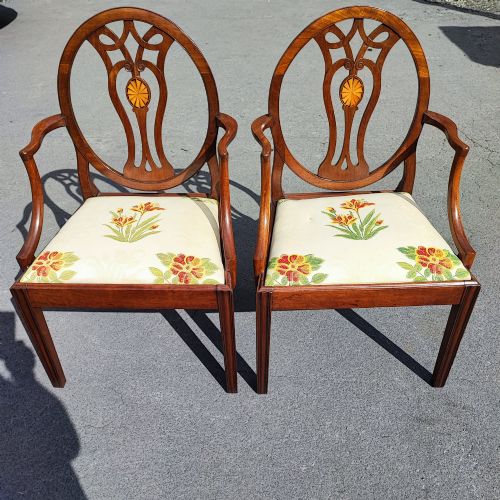
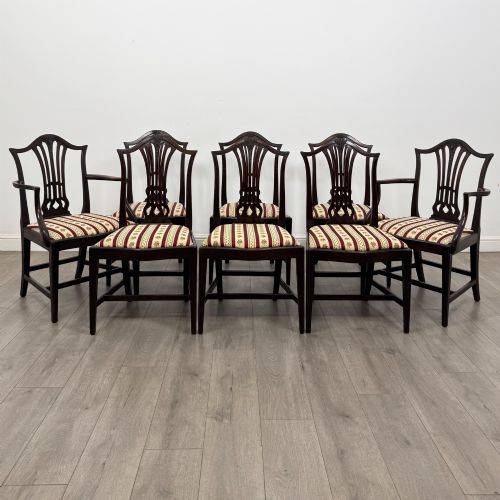
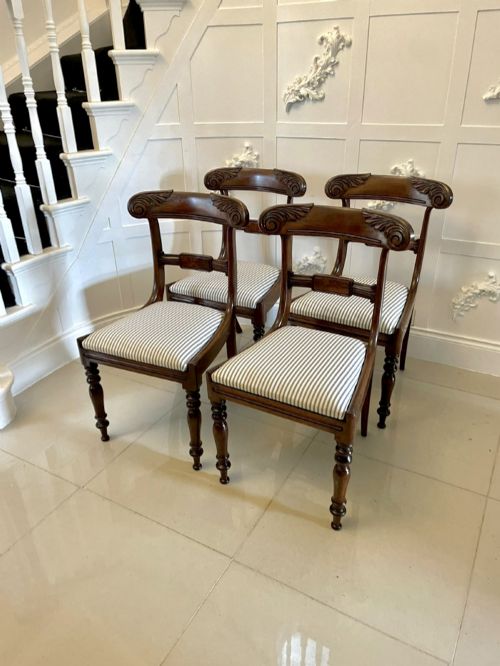
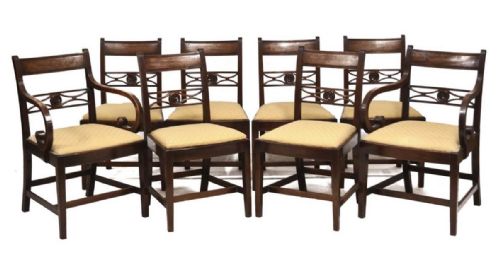
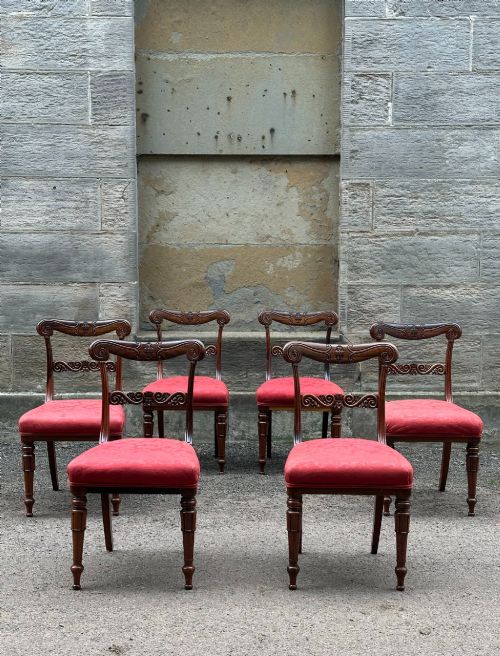
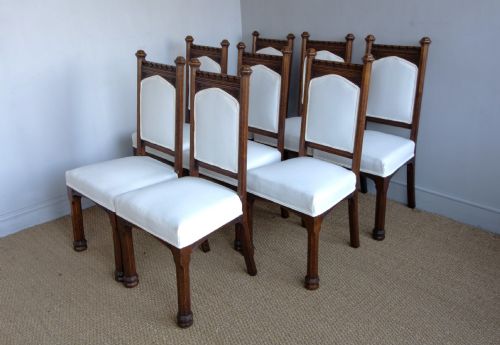
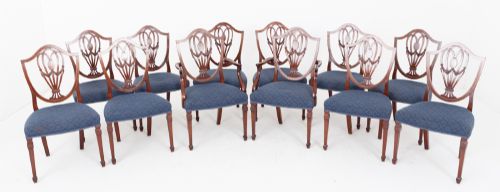
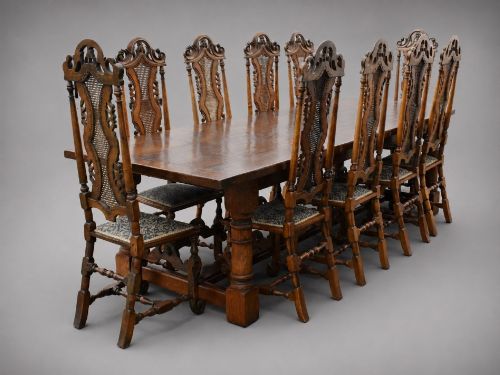
Sets frequently pair mahogany extending tables with Chippendale, Hepplewhite, or Sheraton style chairs, alongside substantial oak options built in the Jacobean or Queen Anne traditions.
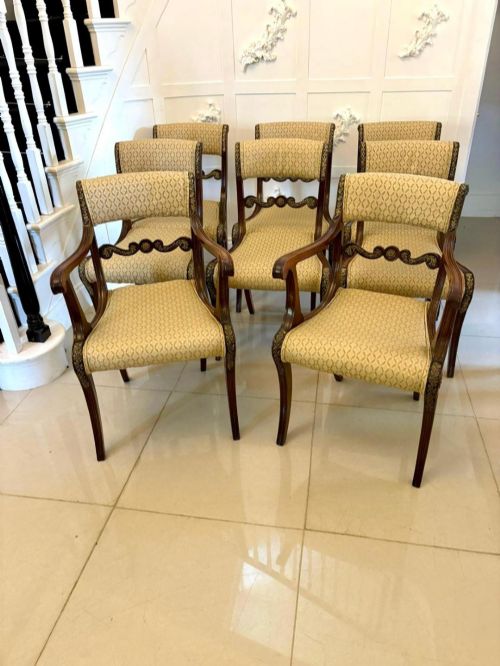
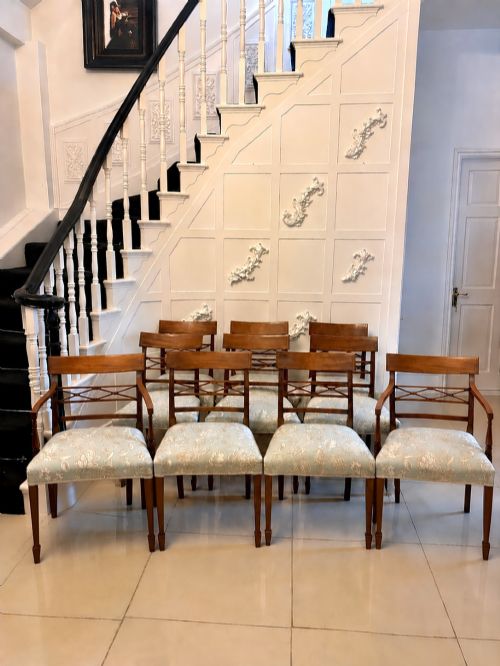
Configurations range from intimate four-chair groupings to extensive suites accommodating twelve or more diners with armchairs and single chairs combined.
Materials and construction methods
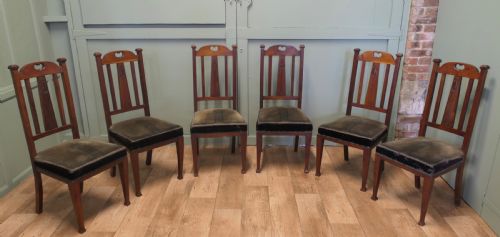
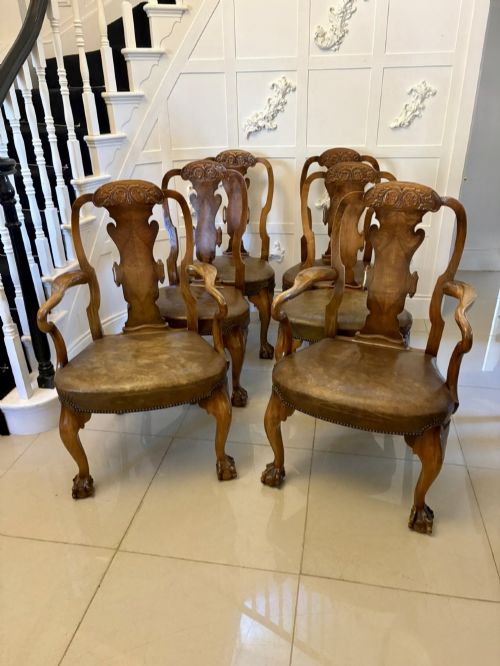
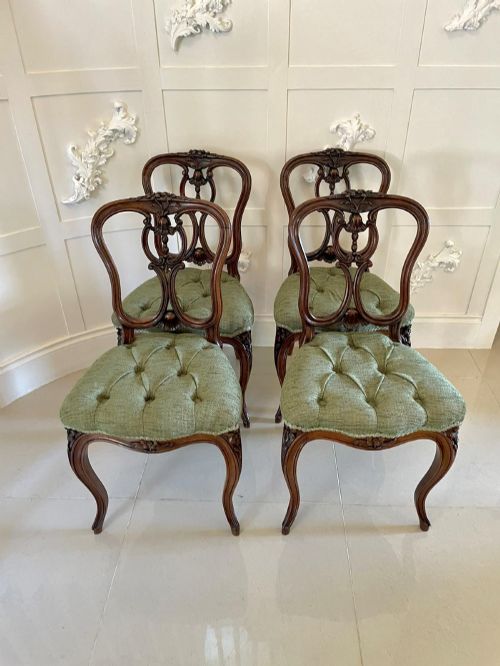
Makers predominantly utilised solid mahogany and oak for frames, incorporating detailed hand-carved motifs, shield backs, and ladder backs into chair construction.
Upholstery materials such as leather, velvet, fabric, and cane were integrated into seats and high-back panels using traditional padding and fastening techniques.
Extending dining tables utilised draw leaves or central mechanisms alongside brass hardware to support larger gatherings.
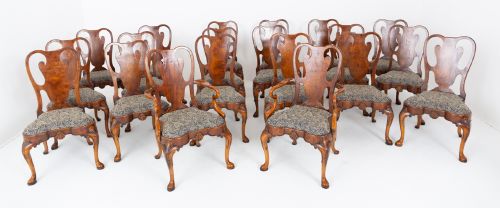
Occasional grand dining groups provide up to twenty matching seats, ensuring nobody has to sit on a kitchen stool.
Factors influencing quality and character
The precision of hand-carved details and inlay work distinguishes standard production from exhibition pieces produced by notable makers and workshops.
Timber selection and seasoning determine the structural integrity of large extending tables and heavy chair frames over decades of use.
The consistency across a full set of chairs, particularly in larger groupings of ten or twenty, reflects the original commission's scale and ambition.
Maple and Co·Alfred Allen of Birmingham
The Antique Style Dining Set Glossary
- Carver
- An armchair designed to sit at the head of a dining table. These typically feature supportive armrests matching the accompanying single side chairs.
- Shield back
- A chair back shaped like a heraldic shield, popularised in the 18th century and frequently revisited in later revival sets. This design often incorporates carved splats and intricate woodwork.
- Draw leaf
- A table mechanism featuring extension leaves stored beneath the main top that pull out to lengthen the surface. This allows an oak or mahogany table to expand quickly.
- Bar back
- A horizontal wooden slat crossing the upper back of a dining chair, common in 19th-century seating designs. It provides robust lumbar support.
- Chippendale style
- A design vocabulary drawing on 18th-century cabinet maker patterns, characterised by carved ribbon backs and cabriole legs. These chairs appear frequently in mahogany dining groupings.
Antique Style Dining Set: Frequently Asked Questions
How do I care for antique mahogany dining surfaces?
Protect timber surfaces from direct sunlight and excessive heat fluctuations to prevent warping or fading. Regular dusting with a soft cloth preserves the polished finish.
Avoid harsh chemical cleaning products and utilise placemats to guard against moisture rings from daily dining use.
What is the difference between single chairs and carvers?
Single chairs are narrower side chairs designed to fit neatly along the long sides of a dining table. They lack armrests to maximise seating capacity.
Carvers feature arms and are traditionally placed at the head and foot of the table for the hosts.
How can I tell a revival set from an earlier period?
Examine the timber seasoning, tool marks, and construction joints beneath the seats and tables. Revival pieces from the 19th and 20th centuries often show standardised machine assistance alongside traditional hand finishing.
Style combinations and hardware fixings also provide clear indicators of whether a set originates from the Georgian era or a later revival period.
Can I mix chairs with an extending table?
Extending tables allow dining sets to accommodate varying numbers of guests by inserting leaves or pulling out draw extensions. Matching chairs ensure visual harmony across the extended length.
When pairing tables with separate chair sets, check the table clearance height against the chair arm heights to ensure proper tucking.