
Antique Style Chandelier
An antique style chandelier brings period illumination and historic character to a room through traditional materials like brass, bronze, and cut glass.
Antique Style Chandelier
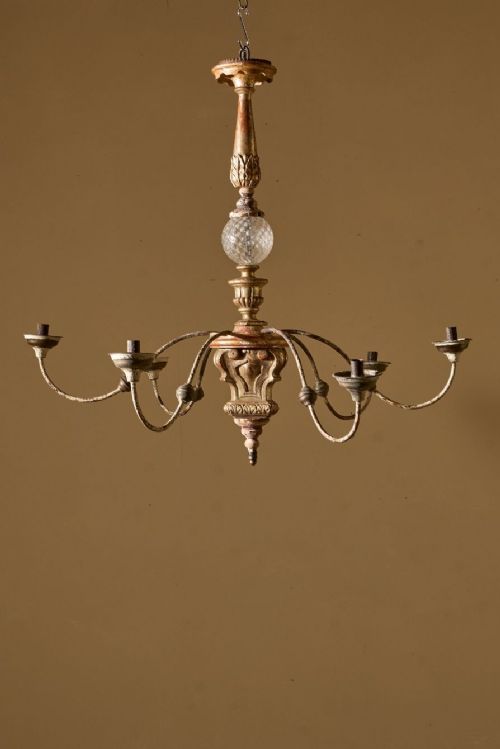
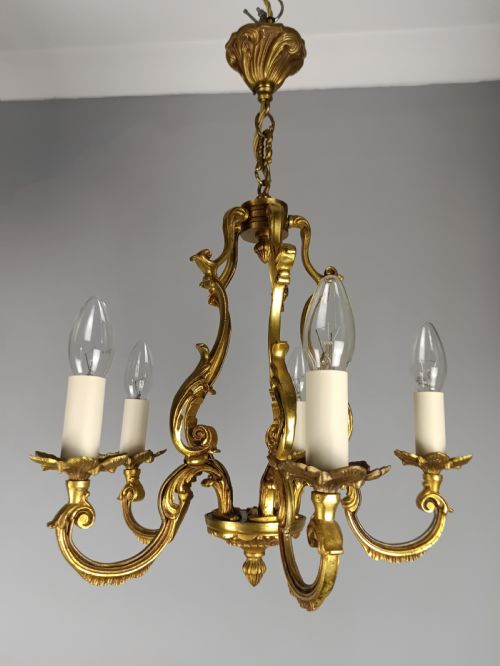
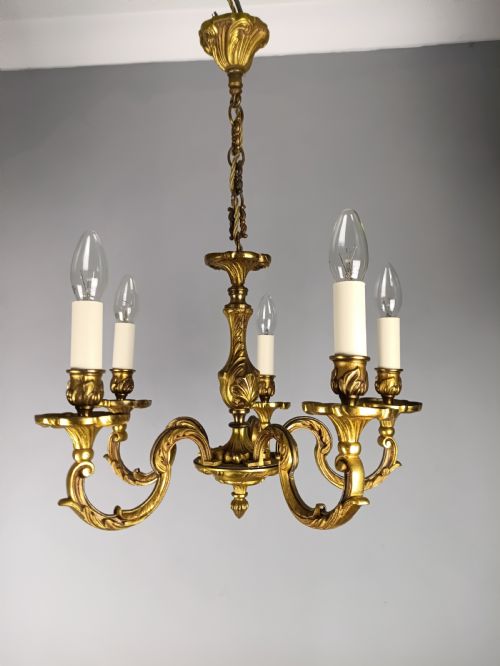
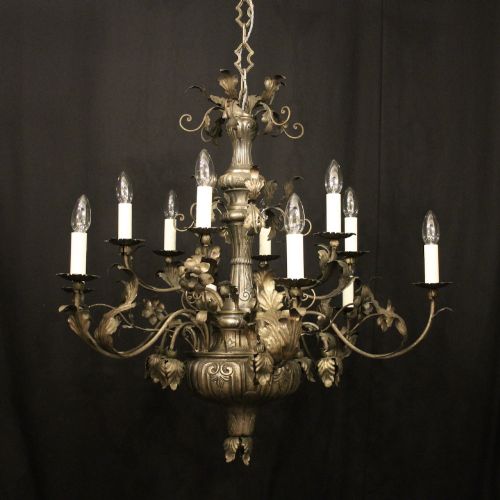
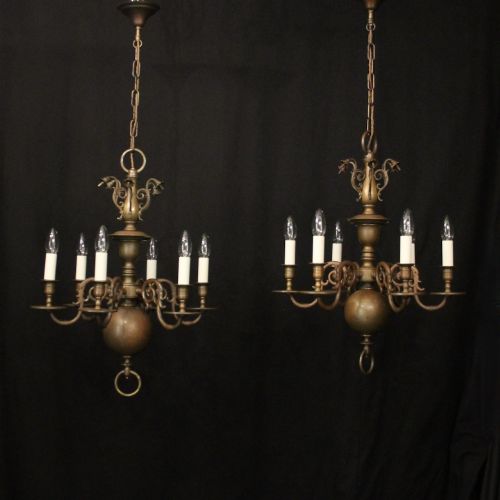
An antique style chandelier is a ceiling-suspended lighting fixture designed in historical aesthetics spanning the nineteenth and early twentieth centuries. These fixtures encompass various forms, from multi-light branch configurations to elaborate multi-tiered crystal arrangements.
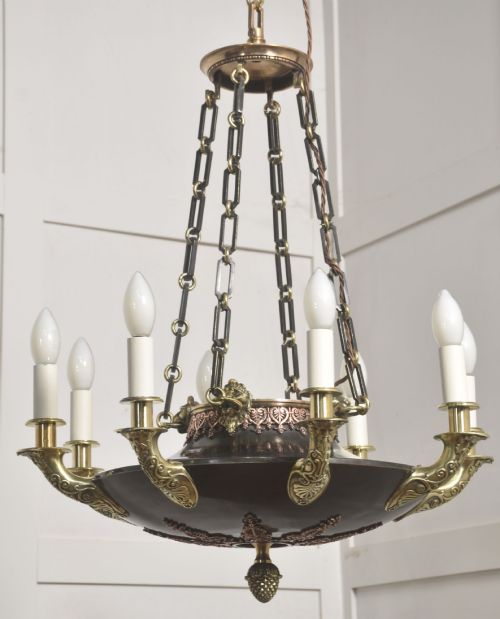
The selection on this page is dominated by French and Italian designs, particularly pieces drawing on Rococo, Empire, and Neoclassical vocabularies. Alongside central chandeliers, the category includes related hanging forms such as lanterns, wall sconces, and pendant lights.
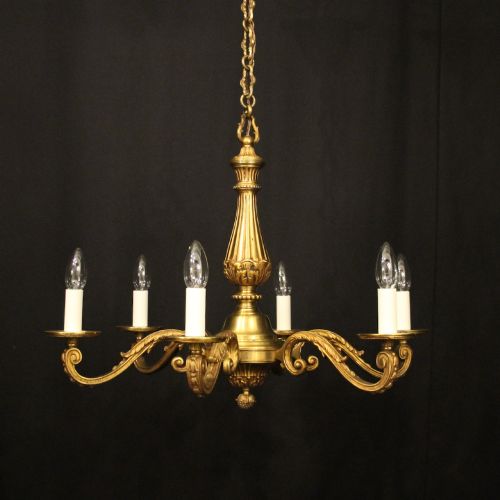
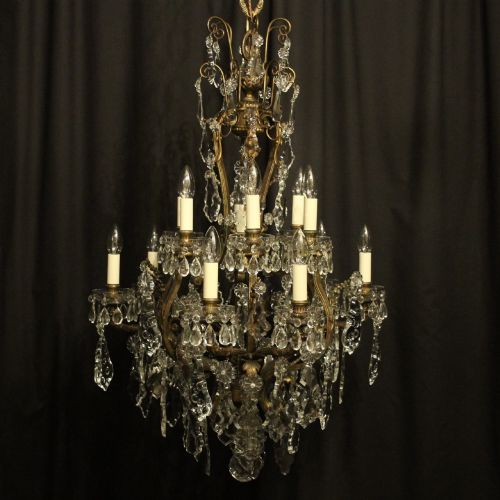
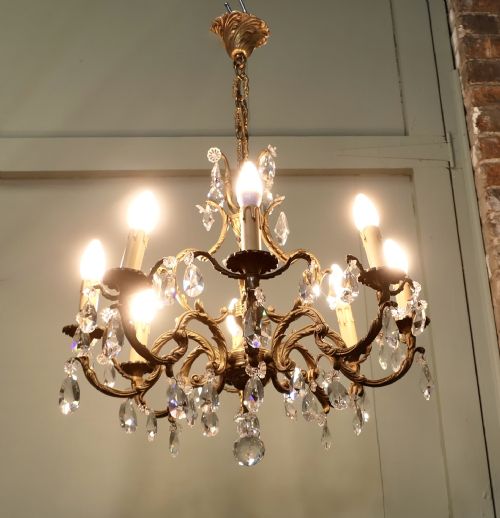
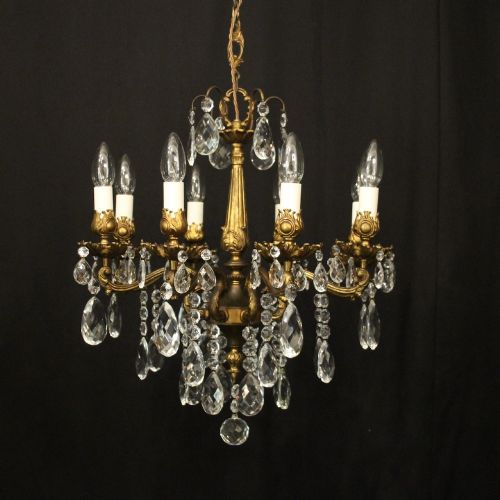
The chronological scope ranges from nineteenth-century examples to pieces produced through the Edwardian era and the early decades of the twentieth century. Common configurations include multi-light branch designs in brass or gilt bronze, frequently embellished with crystal drops, lustres, and waterfalls.
Materials and Construction
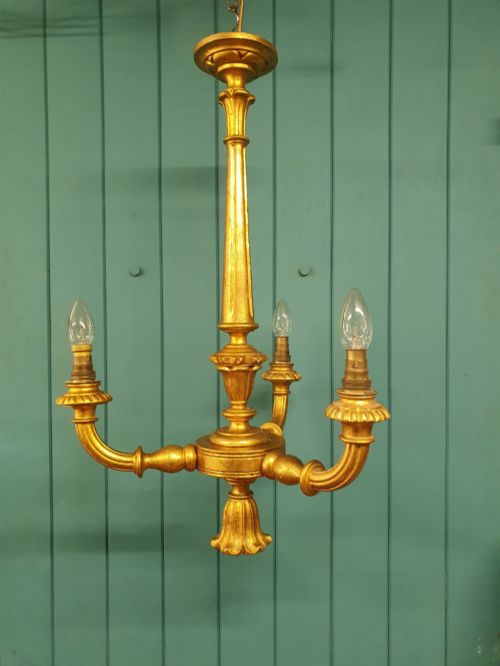
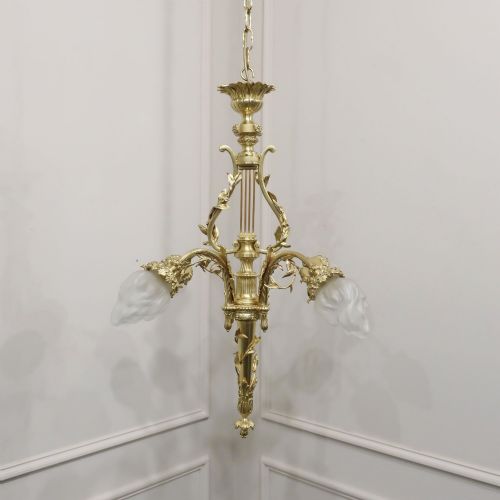
The primary structural framework of these fixtures relies on cast or worked metals, predominantly brass, bronze, and gilt bronze, alongside occasional uses of copper, carved giltwood, and silver gilding. These metals provide the durable armature required to support heavy branch arrangements and glass elements.
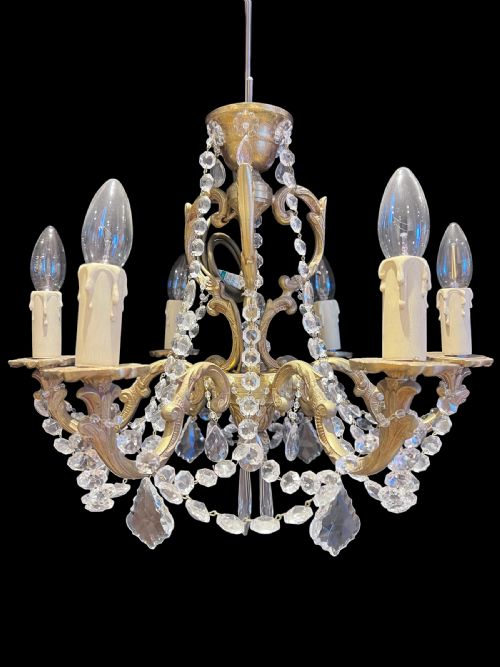
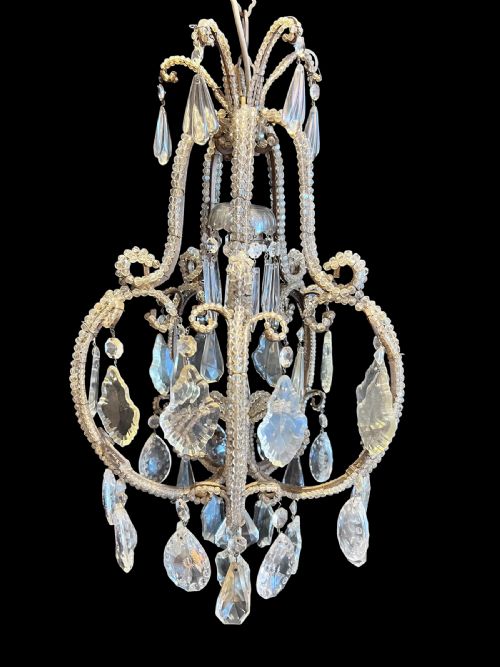
Lighting components are richly augmented with transparent materials, utilising cut glass, crystal, and beaded elements to refract light from multiple bulbs or candles. Details such as pierced brass panels, cast cherubs, and intricate birdcage frames demonstrate traditional foundry and metalworking skills of the period.
Listings feature materials spanning brass, bronze, gilt bronze, cut glass, and crystal across the nineteenth and early twentieth centuries.
Distinctions in Execution
Quality in these fixtures rests upon the crispness of metal casting and the depth of surface finishes such as fire gilding or polychrome decoration. Heavier gauges of brass and bronze provide structural integrity and a substantial presence.
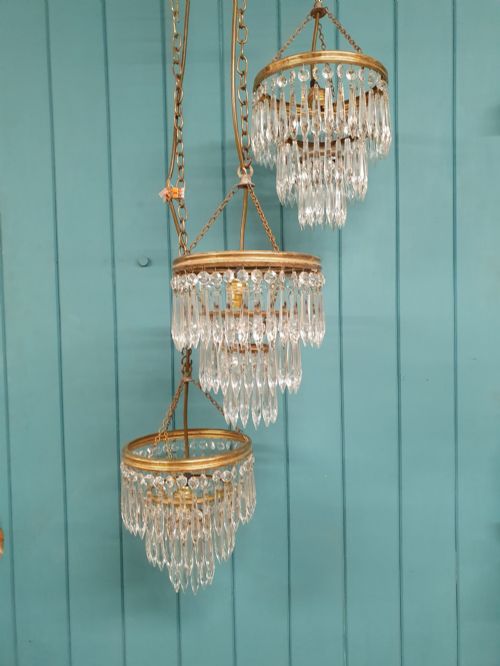
The integration and clarity of the glass elements distinguish standard examples from finer works, particularly where hand-cut crystal lustres, tent-and-waterfall assemblies, and intricate beaded drapes are employed to maximise light refraction.
The Antique Style Chandelier Glossary
- Crystal lustre
- A cut glass pendant or drop hung from the arms or crown of a chandelier to refract light. These elements catch and multiply the illumination from the bulb points.
- Tent and waterfall
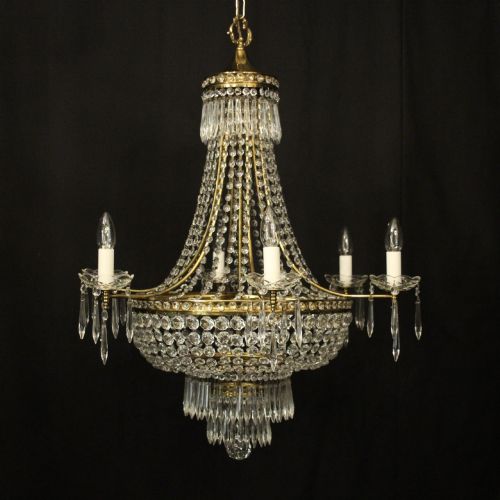
- A specific configuration where strings of crystal beads form an upper tent shape above a lower cascading waterfall of pendants. This multi-tiered style creates an opulent silhouette.
- Gilt bronze
- Bronze metal treated with a gold application, often referred to as ormolu in French pieces. It provides a durable, lustrous surface finish that resists tarnish.
- Spike chandelier
- A central stem design where arms radiate from a linear vertical spike or axis. These fixtures often feature streamlined profiles suited to early twentieth-century interiors.
- Wall sconce
- A lighting fixture secured directly to a vertical wall surface rather than suspended from the ceiling. They share the decorative motifs and metalwork of matching chandeliers.
Antique Style Chandelier: Frequently Asked Questions
What periods do these chandeliers represent?
The pieces span the nineteenth century, the Edwardian period, and the early decades of the twentieth century, including styles inspired by French Rococo and Empire designs.
Manufacturing dates recorded in the listings cluster around 1900, 1920, and 1930, reflecting historical revival movements and contemporary tastes of those decades.
How do French and Italian chandeliers differ?
French examples frequently employ gilt bronze, structural birdcage frames, and formal Empire or Rococo revival motifs. Many incorporate elaborate crystal tent and waterfall formations.
Italian pieces often showcase regional specializations, such as Florentine polychrome gilded finishes or Genoa branch configurations, emphasising carved or pierced metalwork and distinct local aesthetics.
What materials are most common in these fixtures?
Brass and bronze form the core structural materials, often found with a gilded finish to enhance the decorative impact. Metal components are frequently paired with cut glass and crystal.
Additional materials include copper, carved giltwood, and specialised glass beads used in specialised lantern and wall light configurations.
Are all listed items ceiling fixtures?
While multi-light chandeliers and ceiling lights form the majority of the selection, the category also accommodates related hanging formats. These include hall lanterns, pendant lights, and wall sconces.
Such complementary pieces allow for coordinated lighting schemes across adjacent hallways, rooms, and wall spaces using matching stylistic vocabularies.