
Antique Style Cane Seating
Antique style cane seating brings woven texture and classical timber frames into a room, offering both durability and light, airy craftsmanship.
Antique Style Cane Seating
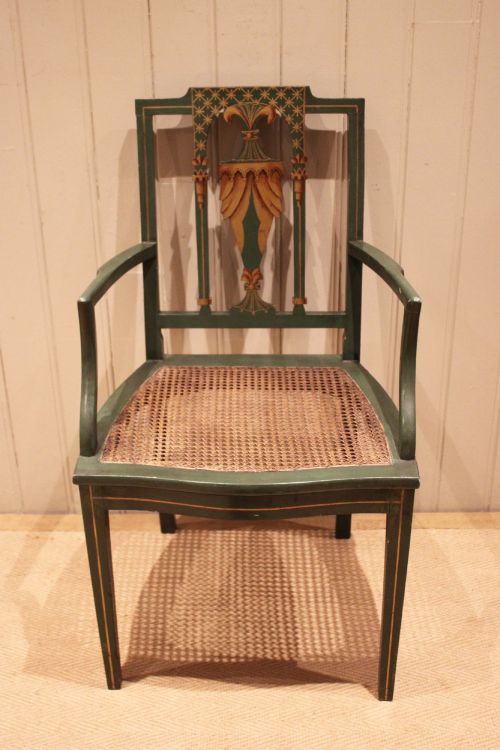
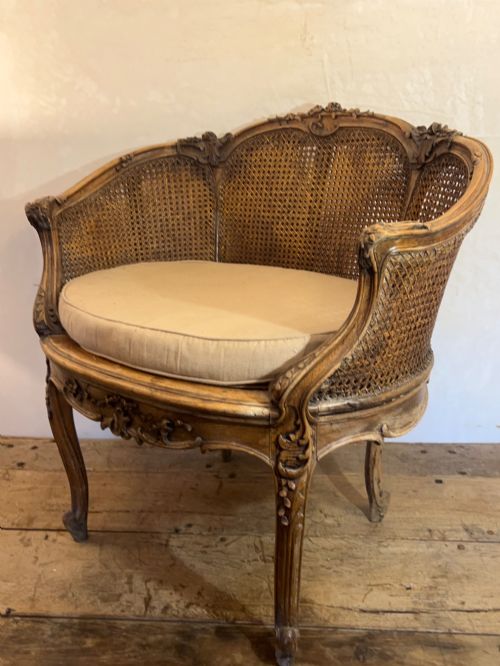
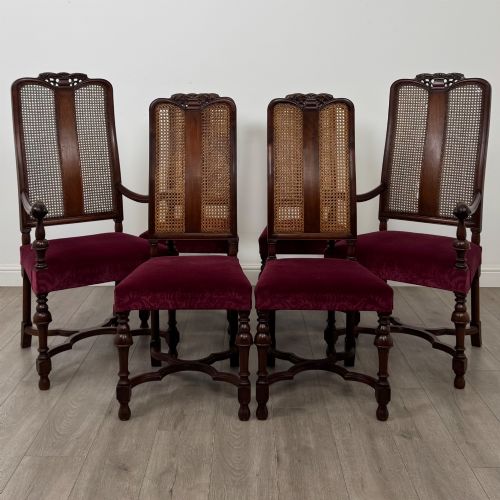
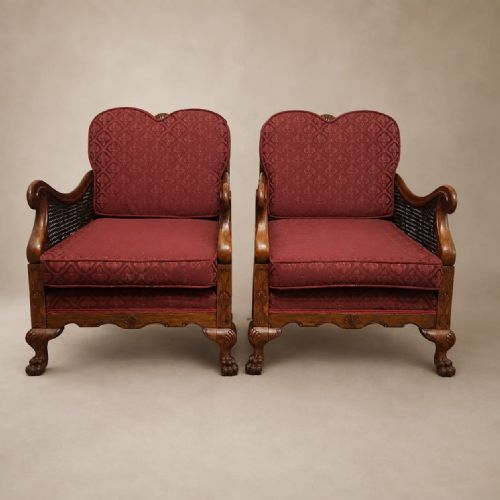
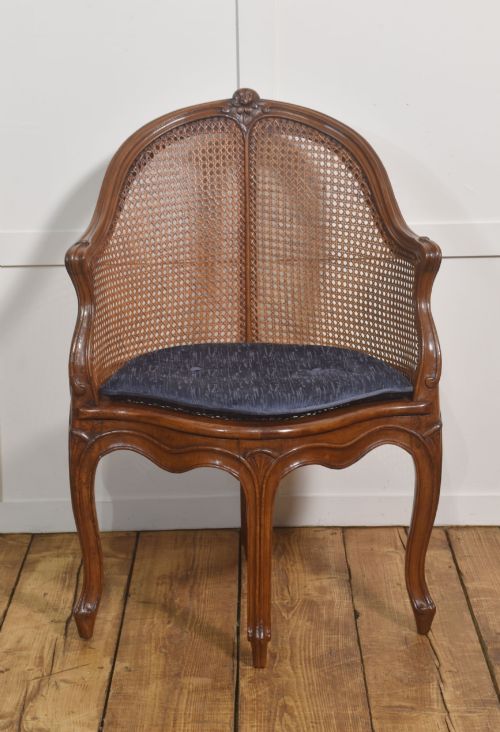
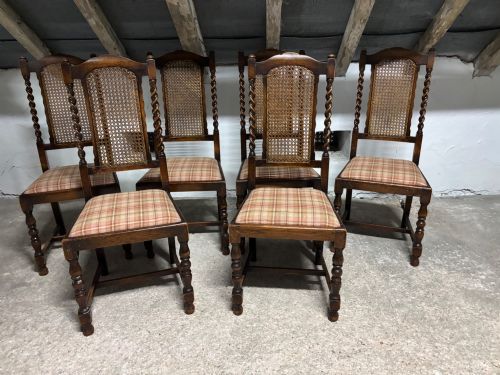
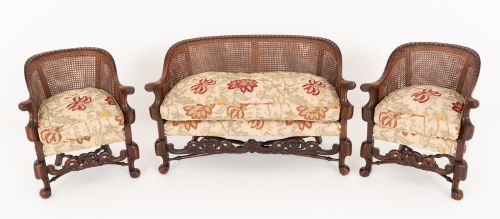
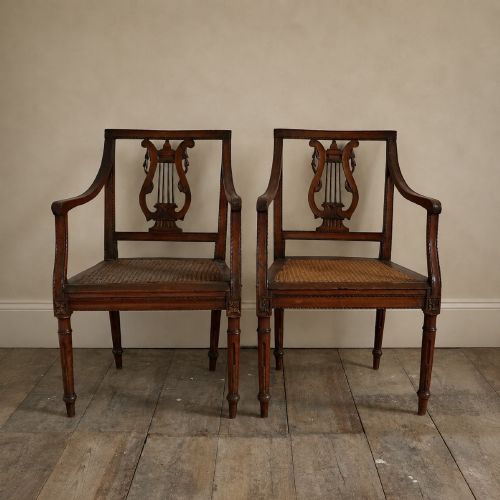
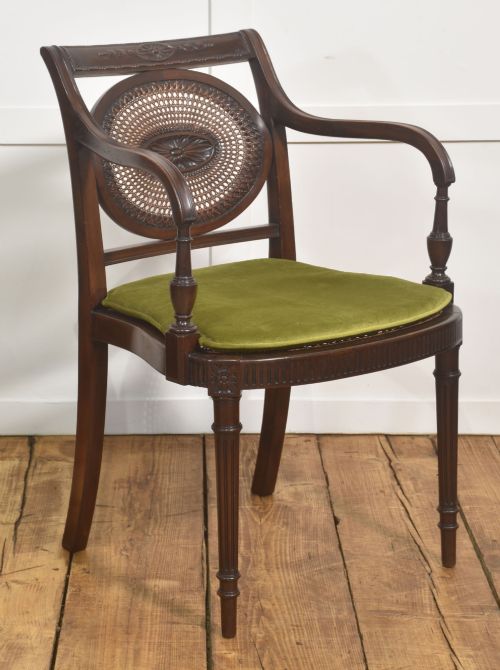
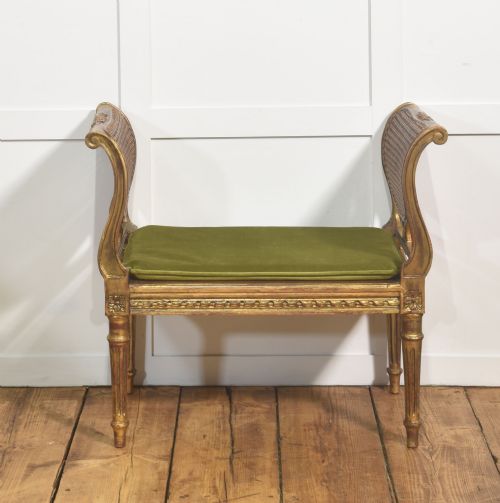
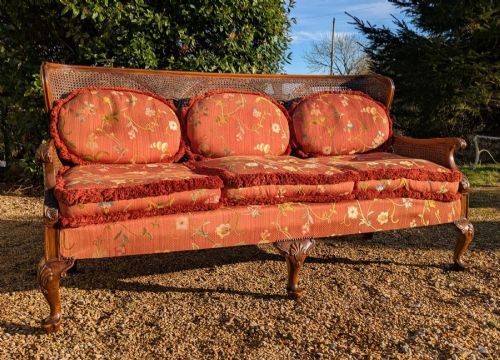
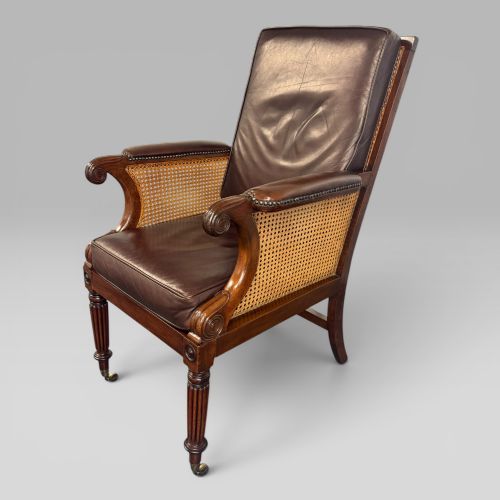
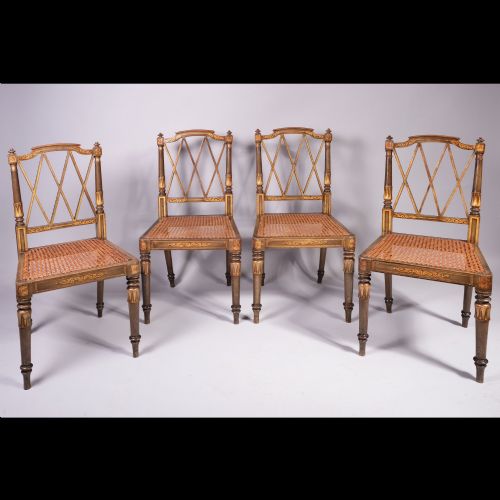
These pieces encompass a wide variety of antique style cane seating, ranging from singular library armchairs and window seats to substantial dining sets and settees. Buyers encounter forms drawing inspiration from multiple eras, including Regency, Louis XV, and Carolean revivals.
Materials and Construction
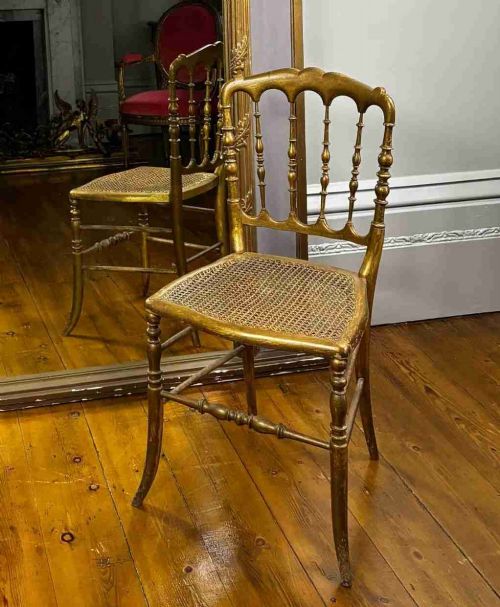
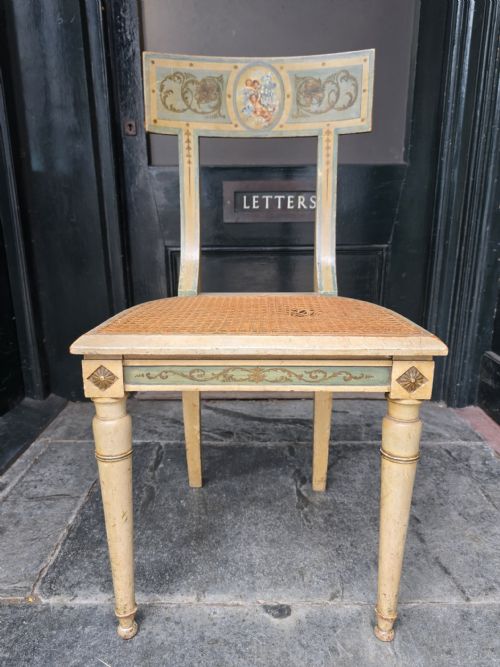
Frames rely on solid timbers such as walnut, mahogany, oak, and padouk, frequently shaped into curved cabriole legs, lyre backs, or rectilinear revival forms. Many pieces also display painted or giltwood surfaces over the timber base.
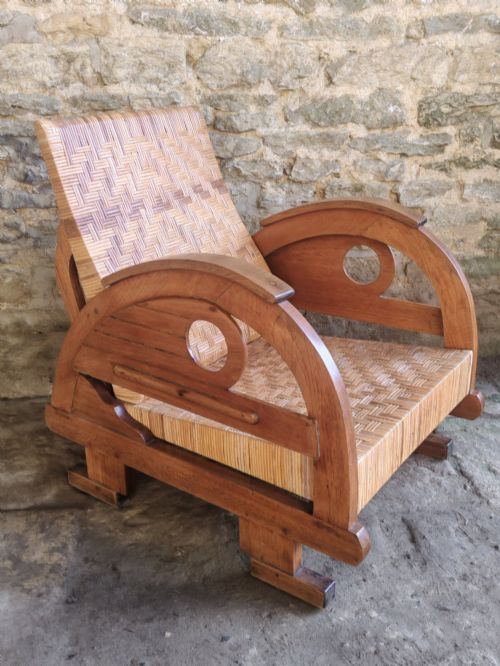
The characteristic seating and back panels utilise natural cane, rattan cane, or split cane woven directly through drilled holes in the wooden frame or slotted into channels. Skilled hands weave these strands to provide a resilient yet flexible support surface.
Listings feature cane seating framed in walnut, oak, mahogany, and painted or giltwood finishes spanning the seventeenth to twentieth centuries.
Craftsmanship and Proportion
Quality rests in the tightness and regularity of the cane weave, alongside the integrity of the underlying timber frame. Superior examples maintain crisp carving on walnut or mahogany, with joints remaining solid through decades of use.
The balance of proportions distinguishes finer items, whether in the sweep of a tub chair arm or the symmetry of a painted shield-back frame. Original paint or gilding also elevates the distinction of a piece.
Waring & Gillow
The Antique Style Cane Seating Glossary
- Bergère
- A closed armchair with upholstered or cane-filled sides and a fitted seat cushion. These comfortable seats became popular in French eighteenth-century design and later revivals.
- Cane
- Strips of rattan peel woven into geometric patterns to form seats and backs. This material provides breathable strength for light furniture frames.
- Giltwood
- Timber coated with a thin layer of gold leaf or powder. This finish adds a reflective surface to ornate salon chairs and window seats.
- Padouk
- A dense tropical hardwood known for its reddish hue and durability. It appears in carved colonial and Anglo Indian seating.
- Rattan
- A climbing palm whose stems supply the pliable material used for caning. Workers split the outer skin to create strands for weaving.
Antique Style Cane Seating: Frequently Asked Questions
How do I clean cane seats?
Dust the woven surface regularly with a soft brush to prevent dirt from settling between the strands. Wipe the cane occasionally with a damp cloth and allow it to dry completely to keep the material supple.
Avoid soaking the cane or placing the furniture near direct heat sources, which can cause the natural fibres to become brittle and snap.
Can broken cane be repaired?
Traditional cane seating can be repaired by a skilled restorer who threads new rattan strands through the existing holes in the frame. Hand-woven cane requires matching the pattern of the original work.
Panel cane, which uses a pre-woven sheet held in a groove by a spline, can also be replaced relatively easily by removing the old spline and gluing in a fresh mesh.
Where do I place a window seat?
Window seats fit naturally beneath low windows, along hallways, or at the foot of a bed. Their low profiles maintain sightlines while offering convenient perches.
These pieces also function well in dressing rooms or studies where a full-sized armchair might overwhelm the floor space.
How do I spot a revival piece?
Revival furniture often exhibits machine-made components, standardised screw threads, or timber cuts characteristic of nineteenth and early twentieth-century manufacturing. Makers during the Regency and Edwardian eras frequently copied seventeenth and eighteenth-century styles.
Examine the underside and joints for tool marks and timber ageing that align with the later production date rather than the original historical period.