

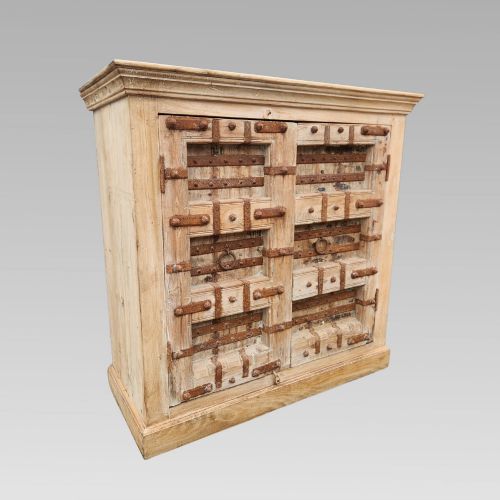
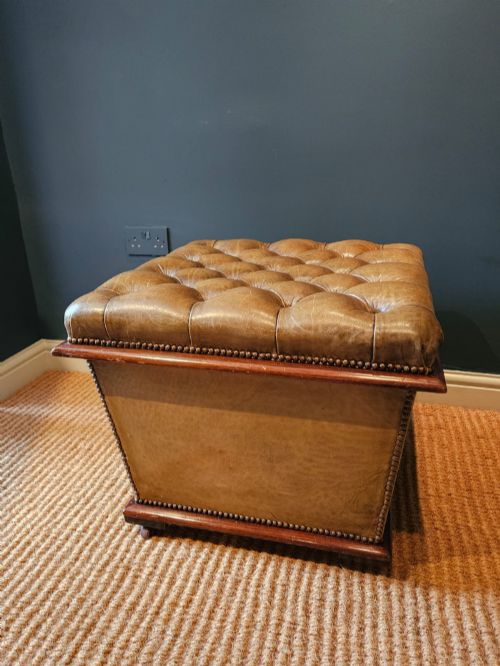
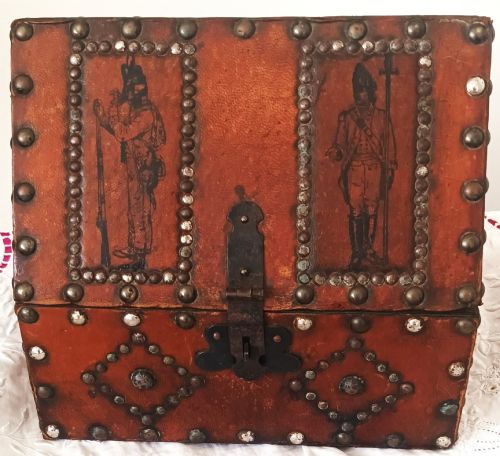
Antique Studded Chest
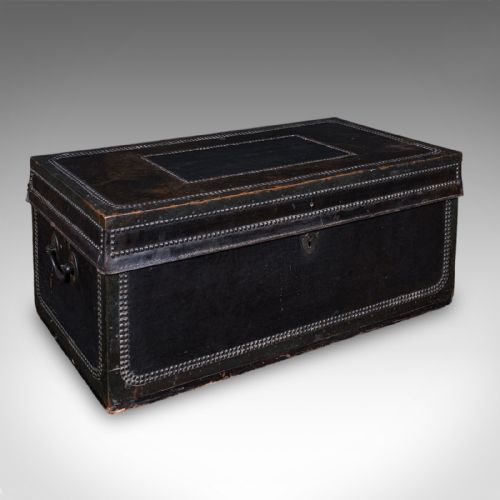
An antique studded chest carries the weight of long journeys across continents, built in leather, wood and heavy metal.
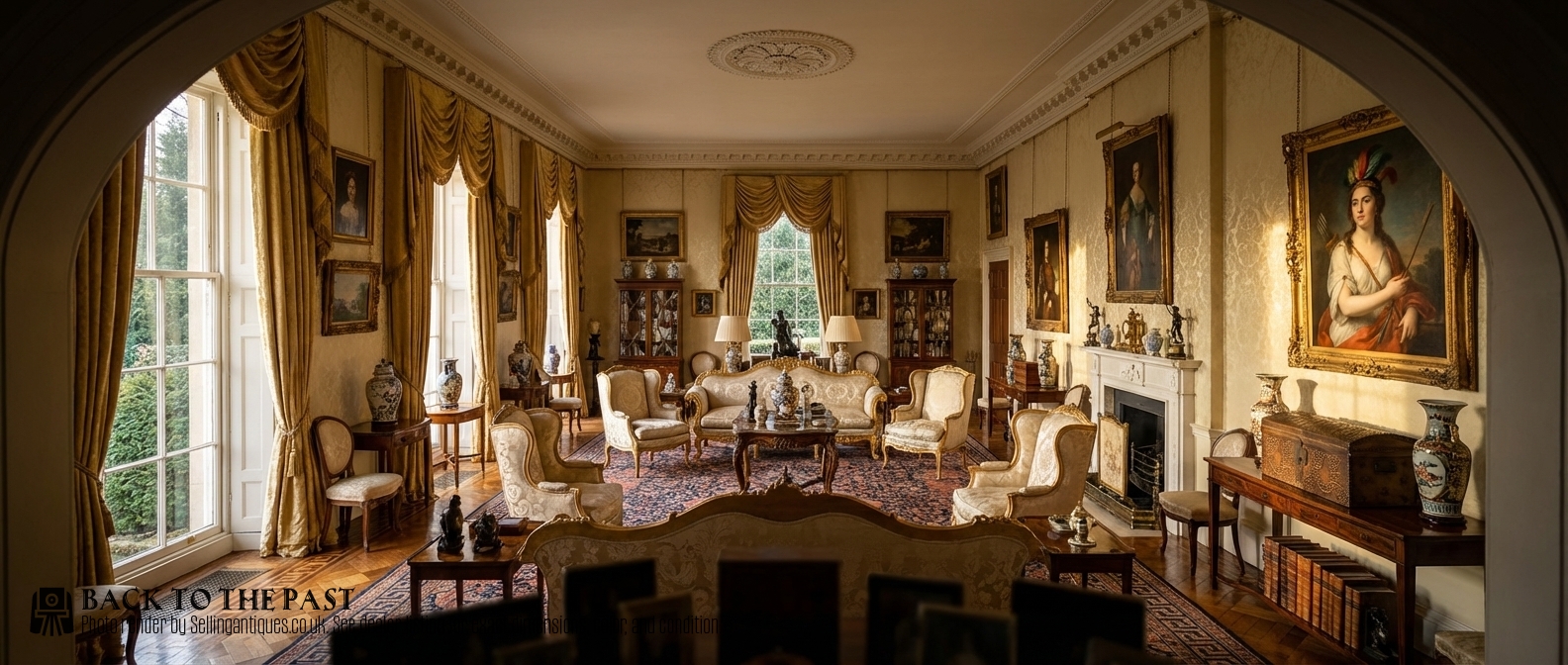
Antique Studded Chest
When you search for an antique studded chest, you encounter portable storage pieces designed for travel, domestic blankets or colonial trade. These items span from the seventeenth century through to the Edwardian era, taking the form of trunks, coffers, blanket boxes and ottomans.
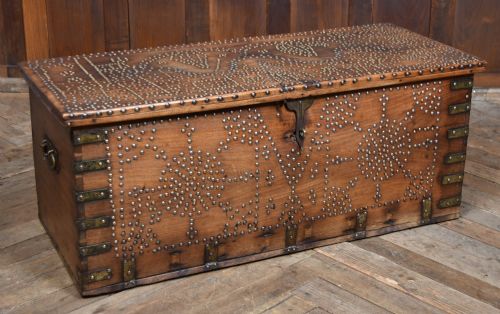
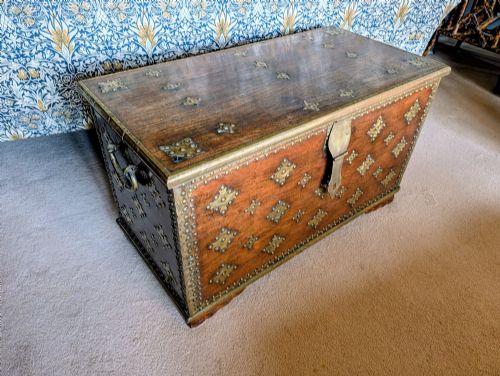
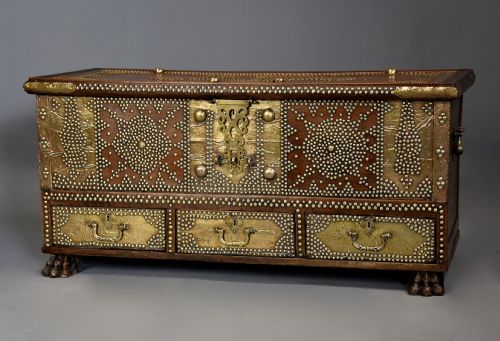
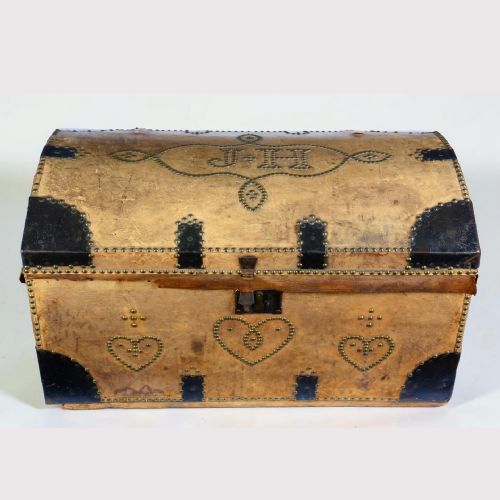
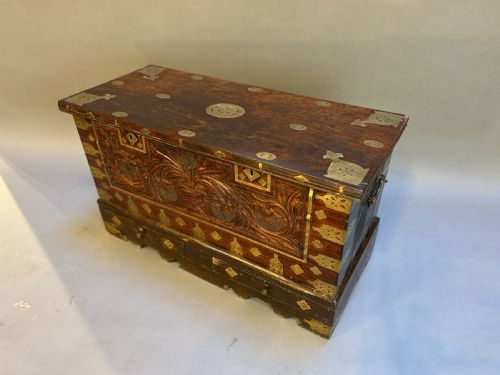
The specimens on this page originate from diverse regions including Britain, Spain, China, Scandinavia and Zanzibar. You meet dome-top travelling trunks covered in hide alongside rectangular hardwood blanket boxes finished with brass tacks.
Camphorwood, padouk, teak and oak form the primary body timbers, often wrapped in leather or hide and secured with iron or brass bands. The studs serve a structural purpose, pinning the hide and metal straps firmly to the wooden core.
How they were made
Cabinetmakers and trunk-makers utilised dense timbers such as mahogany, teak, rosewood and camphorwood to construct the foundational carcass. These durable woods resisted insect damage and heavy handling during maritime and coach transport.
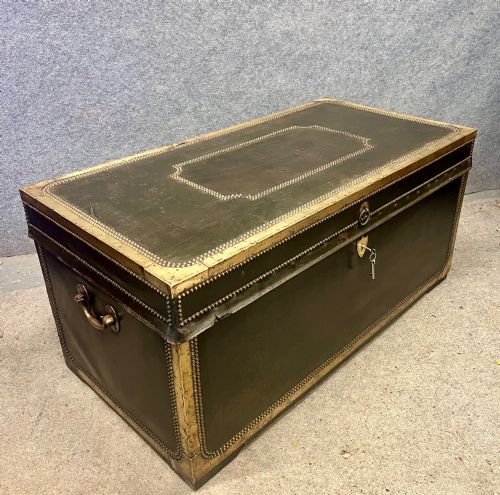
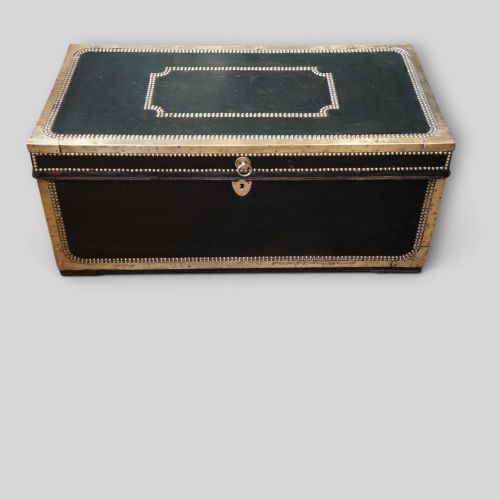
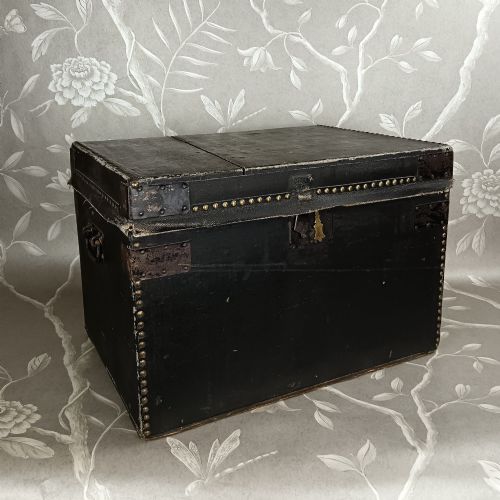
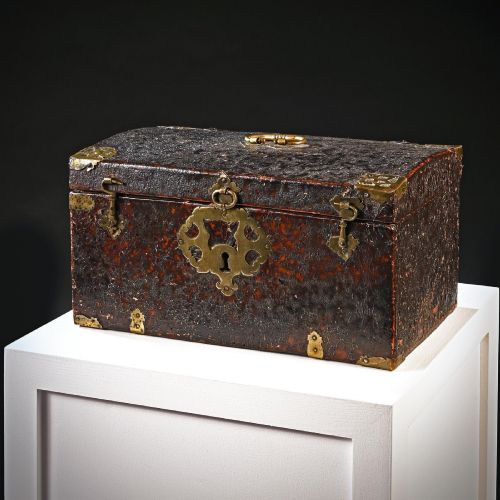
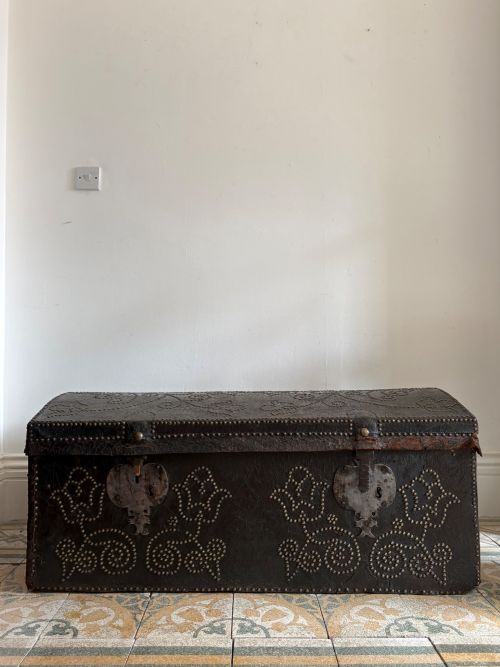
Workers applied layers of cowhide, leather or painted finishes over the wood, securing the outer skin with rows of individual brass or iron studs. Metal corner braces, carrying handles and strapwork added reinforcement to points of high stress.
Several trunks carry the original owner's initials stamped into the leather or brass, preserving the mark of long-dead travellers across the centuries.
What varies in quality
The standard of an antique studded chest rests on the integrity of its internal timber frame and the precision of its metalwork. Dense hardwoods and heavy-gauge brass mounts indicate a higher grade of commission made for substantial travel or wealthy households.
The regularity of the brass studding and the quality of the tooling on the leather skin distinguish utilitarian containers from prestige pieces. Original locks, carrying handles and fitted interior compartments elevate the standing of an individual box.
Samuel Pratt·Wm Insall of Bristol·Chapple and Sons·Seabrook of St Pauls London
The Antique Studded Chest Glossary
- Zanzibar chest
- A heavy hardwood storage box featuring brass studding, strapwork and often a central drawer, associated with trade routes along the East African coast.
- Campaign trunk
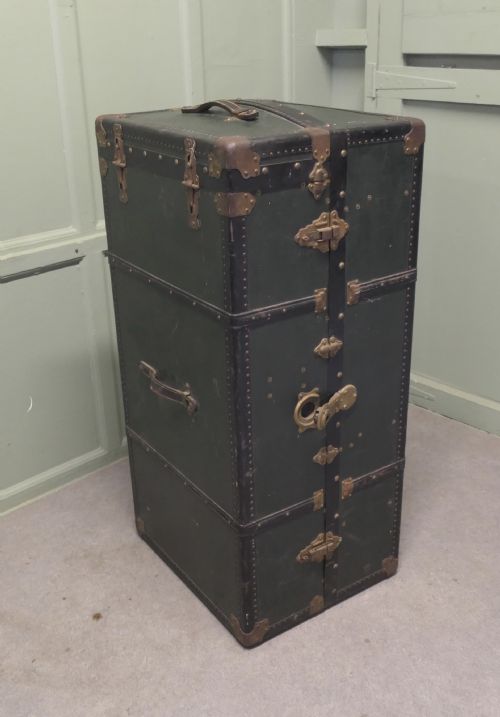
- A portable storage box made for military officers or travellers, built with recessed handles and reinforced corners for transit.
- Coffer
- A heavy wooden box with a lid, traditionally used for storing valuables, linens or documents before the widespread use of wardrobes.
- Camphorwood
- An aromatic Asian timber frequently utilised for maritime chests because its natural scent deters moths and insects.
- Dome top
- A curved lid construction designed to shed rainwater during travel on the roofs of coaches or carriages.
Antique Studded Chest: Frequently Asked Questions
What were antique studded chests used for?
These pieces functioned primarily as luggage for officers, diplomats and merchants travelling across land and sea. They held uniforms, documents, valuable cargo and household blankets during long voyages.
Over time, many transitioned into permanent domestic furniture, serving as blanket boxes, coffee tables or hallway storage containers.
How do I date an antique studded chest?
Dating relies upon observing the construction methods, timber species and style of the metalwork. Earlier examples from the seventeenth and eighteenth centuries often feature simple iron bindings and heavy oak or pine carcasses.
Nineteenth-century variants frequently incorporate exotic woods like padouk or camphor, alongside elaborate brass stud patterns and campaign-style recessed carrying handles.
Are these chests suitable for daily living?
They fit modern interiors well by offering concealed storage for shoes, toys, spare bedding or bulky items. Their robust construction allows them to function practically as low tables or bench seating.
Placing them away from direct heat sources helps preserve the natural oils in the old leather, wood and metal components.
Why do some chests have brass studs?
The studs secured layers of leather, canvas or hide tightly to the underlying wooden panels, preventing the covering from sagging or tearing. They also held iron or brass strapwork firmly in place across stress points.
Cabinetmakers arranged the tacks in geometric patterns to add decorative detail to utilitarian travelling containers.