


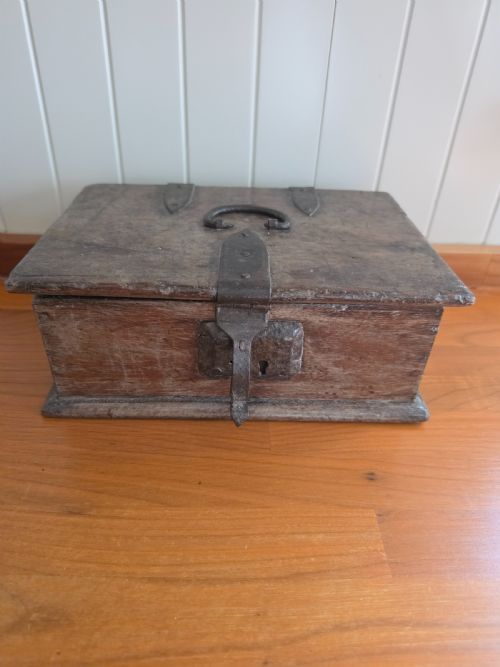
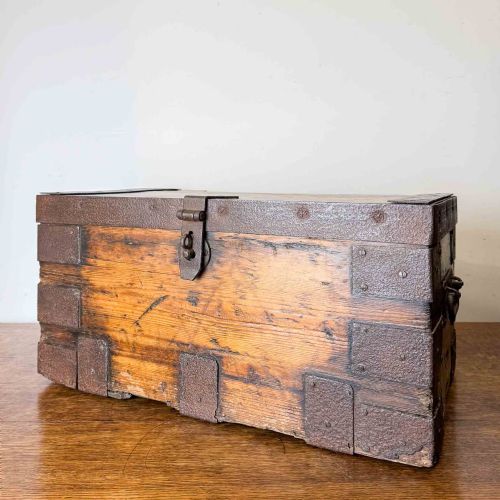
Antique Strongbox
An antique strongbox provides heavy security for valuables, combining robust timber or iron construction with intricate mechanical locks.
Antique Strongbox
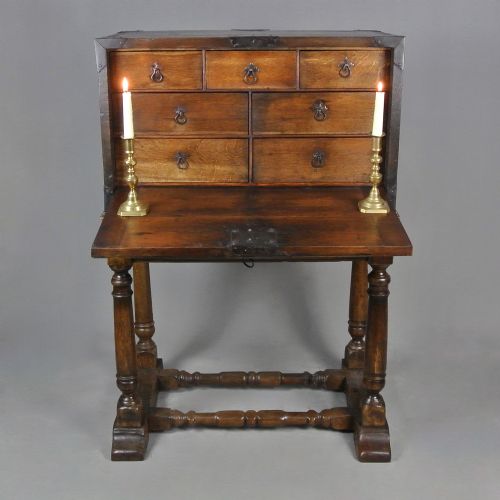
The antique strongbox encompasses a range of secure containers, from early seventeenth-century oak and iron-banded coffers to Victorian cast iron safes. Buyers encounter timber boxes reinforced with metal straps as well as specialised travelling chests designed for merchants and nobility. English, Continental, and Scandinavian examples dominate the selection, showing distinct regional preferences in timber and decoration.
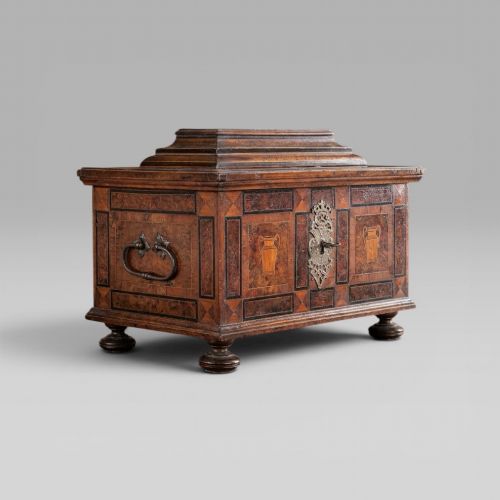
The materials span sturdy native oaks and elms alongside exotic veneers such as kingwood and burr walnut, often protected by elaborate steel locking mechanisms. Scandinavian pieces frequently display hand-painted finishes on pine or oak, while German workshops produced intricate steel and marquetry caskets. These pieces served to safeguard currency, documents, and silver in domestic and commercial settings.
Materials and Technique
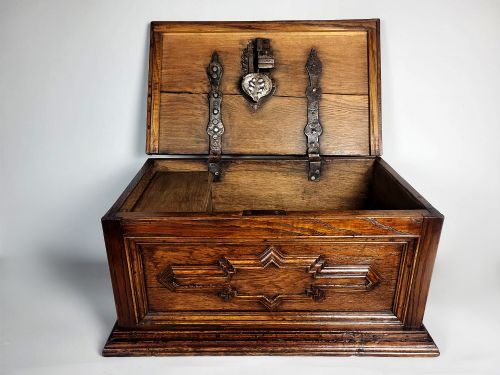
Makers built these containers using thick planks of oak, pine, or elm, frequently reinforcing the corners and lids with heavy wrought iron straps and bandings. Smiths forged complex internal locking mechanisms that engaged multiple bolts across the lid, operated by a single concealed keyhole.
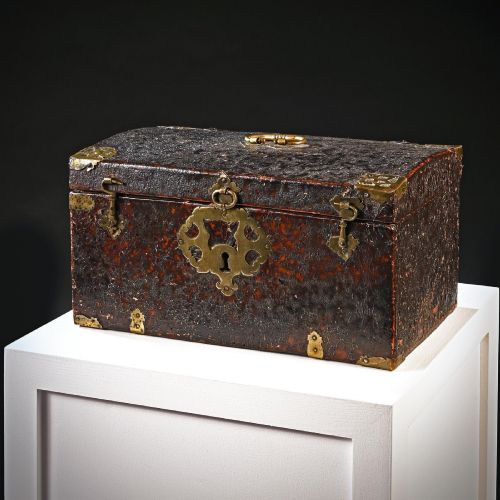
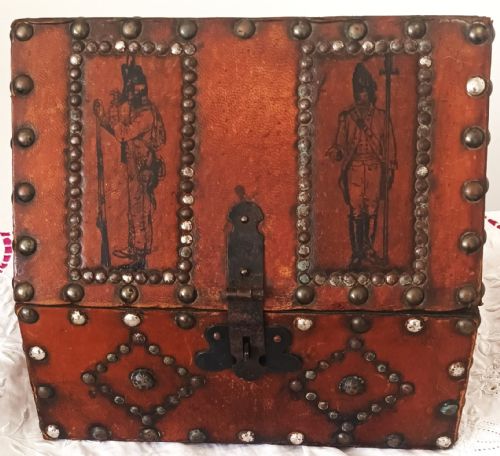
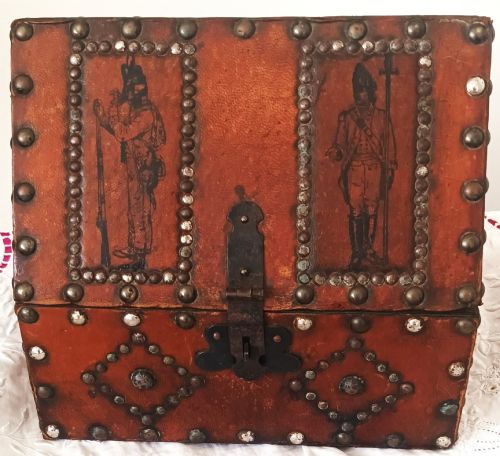
Fine examples feature decorative elements such as kingwood veneers, leather bindings, or hand-painted floral motifs on Scandinavian pine and oak. Interior compartments often contained secret drawers and secondary locking mechanisms to provide an extra layer of protection for documents and coins.
The inventory includes Scandinavian painted pieces alongside English merchant chests and Continental coffres forts.
Assessing Craftsmanship
Quality rests primarily on the sophistication of the locking mechanism and the integrity of the original ironwork and timber. Superior pieces retain their complex internal steel locks in working order, often accompanied by the original key.
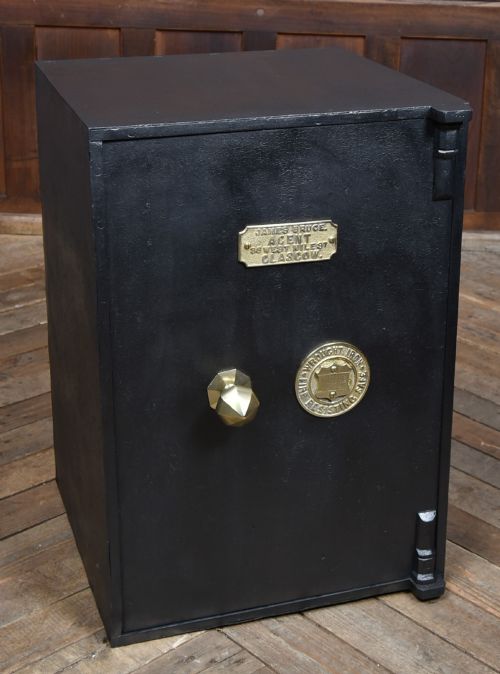
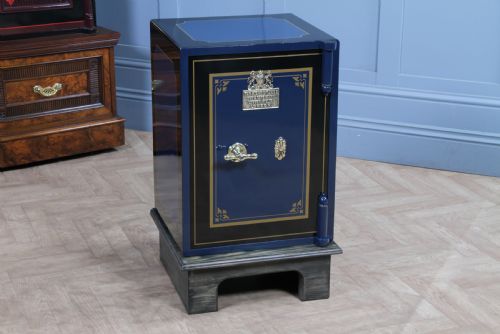
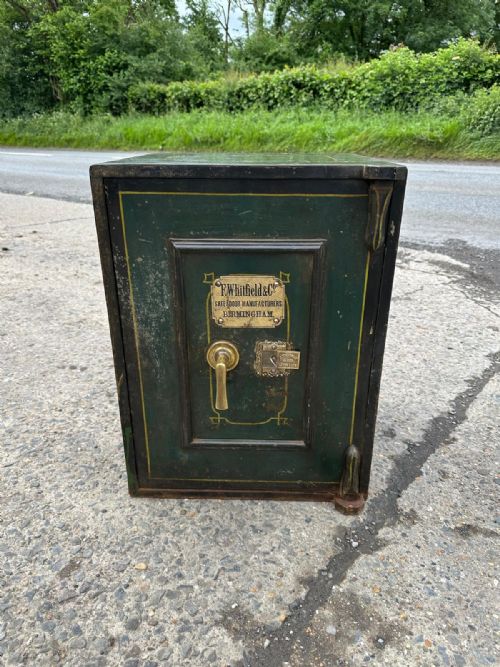
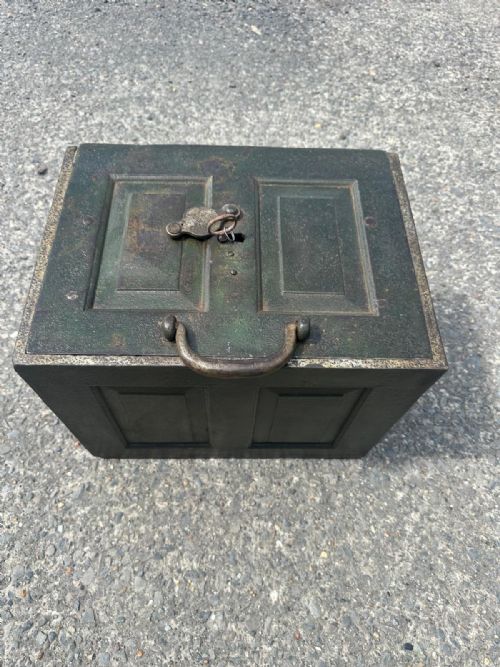
The standard of exterior finish, whether finely figured oyster veneers or careful hand-painted folk art decoration, distinguishes workshop standards. Heavy cast iron and steel commercial safes from later periods depend on the precision of their patented locking systems and the survival of makers' plates.
James Bruce·F. Whitfield and Co·Milners·Chubb·Waring and Sons
The Antique Strongbox Glossary
- Coffre fort
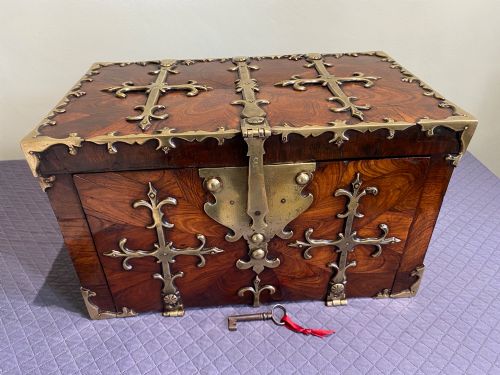
- A heavily reinforced strongbox or chest, often veneered in exotic timbers and fitted with a complex internal lock. These Continental containers combine furniture-grade exterior styling with high-security interiors.
- Armada chest
- A heavy iron strongbox of German or Flemish manufacture, typically fitted with an elaborate lid-locking mechanism that covers the entire underside of the lid.
- Nuremberg casket
- A portable steel or iron box produced in German workshops, featuring etched decoration and intricate spring-loaded locks concealed beneath the lid.
- Silver chest
- A robust timber box, frequently oak and iron-bound, lined to protect domestic silverware and commissioned from high-end retailers.
Antique Strongbox: Frequently Asked Questions
How do I identify a 17th century strongbox?
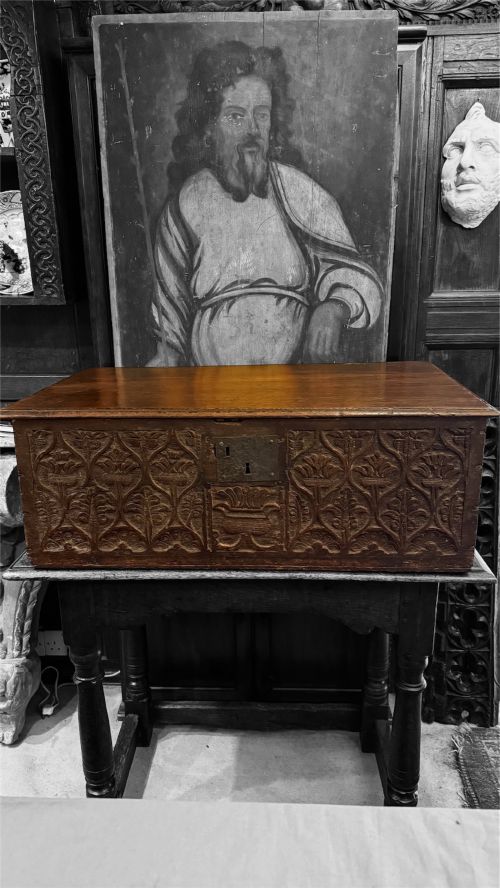
Seventeenth-century examples rely on heavy oak construction joined with dovetails or pegs, secured by hand-forged iron straps and large exterior hinges. The locks are visible on the underside of the lid and require intricate keys to throw multiple internal bolts.
Surface wear on the timber should look consistent with age, showing dry patination rather than modern finishes. Iron elements typically display hammer marks and irregular patination from centuries of handling.
What is a coffre fort?
A coffre fort is a secure chest or strongbox, often associated with seventeenth and eighteenth-century Continental craftsmanship. These pieces use high-status woods like kingwood and burr walnut over sturdy core structures, blending domestic cabinet-making with security.
The interiors frequently house complex locking systems concealed behind decorative wooden panels or secondary compartment lids. They were used by affluent merchants and nobility to store portable wealth.
Can I use an antique strongbox for daily security?
While these boxes were built to protect valuables, historic locking mechanisms require careful handling and may not meet modern security standards. Many collectors use them as decorative storage or display pieces rather than active safes.
Operating original steel locks should be done gently to avoid stressing historical metalwork and delicate internal springs.
How should I care for iron-bound wooden boxes?
Maintenance involves keeping the timber nourished with appropriate microcrystalline wax and protecting iron elements from moisture. Avoid placing boxes in direct sunlight or near heat sources that cause wood to split.
Metal components benefit from occasional light applications of oil to prevent oxidation without damaging the surrounding timber.