



Antique Strongbox Casket
An antique strongbox casket is a heavily secured receptacle designed to safeguard valuables, offering tangible history and robust craftsmanship for the discerning collector.
Antique Strongbox Casket
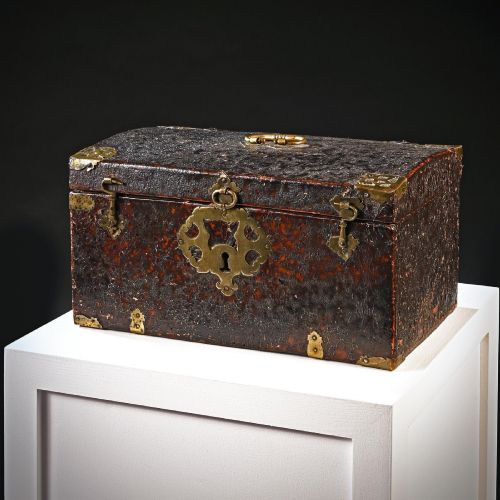
An antique strongbox casket represents a secure repository for documents, coin, and jewellery, often taking the form of a heavily fortified chest or deed box. When you search for antique strongbox casket, you encounter works spanning the sixteenth through the nineteenth centuries, reflecting domestic and continental storage needs.
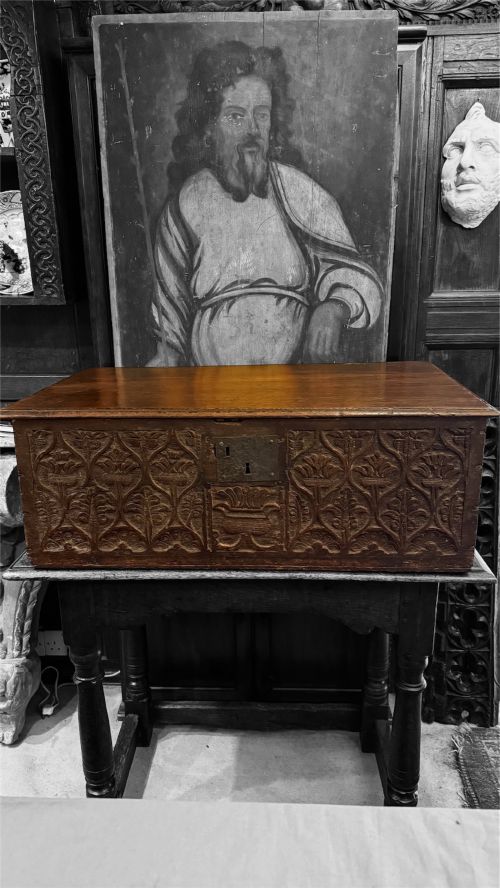
Forms include document bible boxes, travelling caskets, and continental coffre forts fitted with elaborate internal locking systems. These receptacles served merchants, nobility, and travellers who required portable security before modern banking systems emerged.
How They Were Made
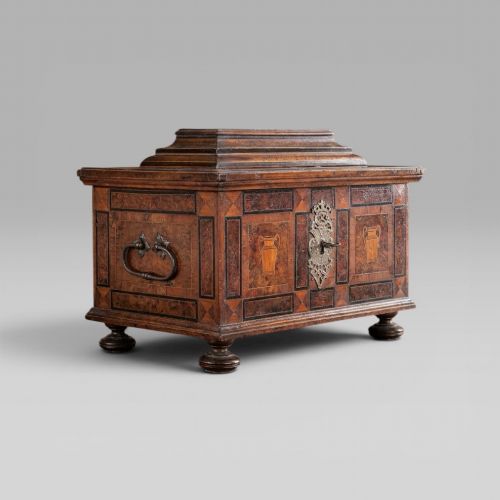
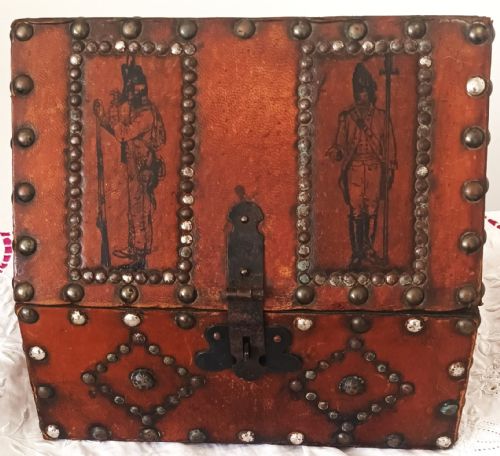
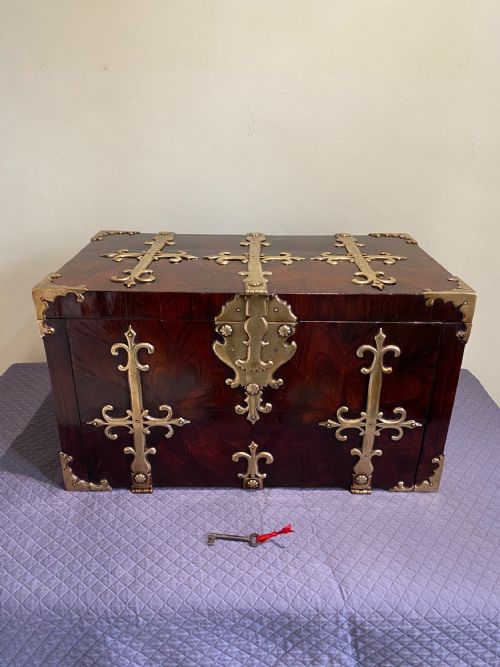
Makers constructed these caskets using dense timbers such as oak, chestnut, and rosewood, frequently applying decorative veneers like kingwood and burr wood. Metal-bound examples incorporated robust iron, steel, and wrought iron straps to reinforce the structural integrity of the box.
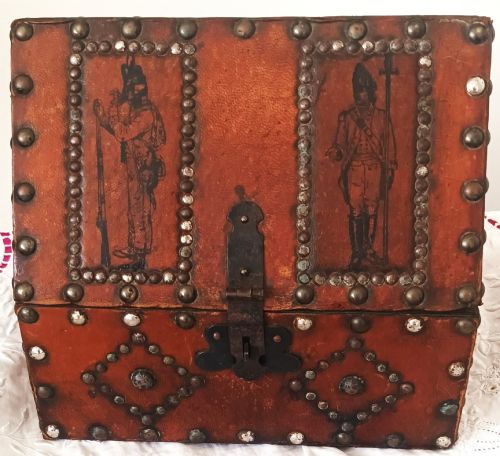
Complex steel and brass locks formed the central engineering challenge, often housed within the lid and engaging multiple bolts across the interior. Surface ornamentation included leather binding, gothic carving, and German marquetry work, uniting structural defence with refined cabinetmaking.
Several seventeenth-century boxes hide their master keyholes beneath sliding panels to trick inquisitive fingers.
What Varies in Quality
The sophistication of the internal locking mechanism dictates much of the distinction between standard utilitarian boxes and elite examples. Intricate steel mechanisms featuring engraved faceplates and multi-bolt actions command greater technical admiration than simple latches.
Materials and surface decoration also separate ordinary storage boxes from exceptional pieces. The presence of oyster veneers, fine marquetry, or heavy silver mounts indicates a higher grade of commission intended for wealthy patrons.
The Antique Strongbox Casket Glossary
- Coffre fort
- A French term denoting a strongbox or safe chest. These pieces typically feature heavy iron construction or dense wood reinforced with metal strapping.
- Chasse
- A reliquary-shaped box with a steeply pitched roof lid. They often appear in leather-bound or metal construction dating to the Georgian period.
- Oyster veneer
- A method of cutting branches transversely to produce circular or oval patterns resembling oyster shells. This technique gained popularity during the seventeenth century on fine cabinetry and boxes.
- Bible box
- A small desktop box historically used to store domestic scriptures and important household papers. English examples frequently display carved oak panels and sloping lids.
- Nuremberg casket
- A portable steel strongbox produced in German workshops during the sixteenth and seventeenth centuries. They are renowned for complex internal lid locks operated by a single key.
Antique Strongbox Casket: Frequently Asked Questions
What is an antique strongbox casket?
An antique strongbox casket is a secure portable container built from timber, iron, or leather to protect currency, documents, and valuables.
These pieces range from utilitarian sixteenth-century German steel boxes to decorative eighteenth-century veneered English and continental caskets.
How were these caskets used?
Owners used them for safekeeping precious items at home or transporting valuables securely during travel before modern banking existed.
Many contained complex locking mechanisms hidden beneath the lid to prevent unauthorised access by servants or thieves.
How do I date an antique casket?
Dating relies on examining the timber species, construction joints, decorative styles, and the engineering of the lock mechanism.
For instance, seventeenth-century pieces often show hand-forged iron straps and oak framing, while Georgian versions utilise mahogany or rosewood with refined brass fittings.
Where were strongbox caskets made?
Production occurred across Britain, Germany, France, and Scandinavia, with distinct regional preferences in materials and ornamentation.
German workshops specialised in steel Nuremberg caskets, whereas British craftsmen focused on oak and leather-bound document boxes.