



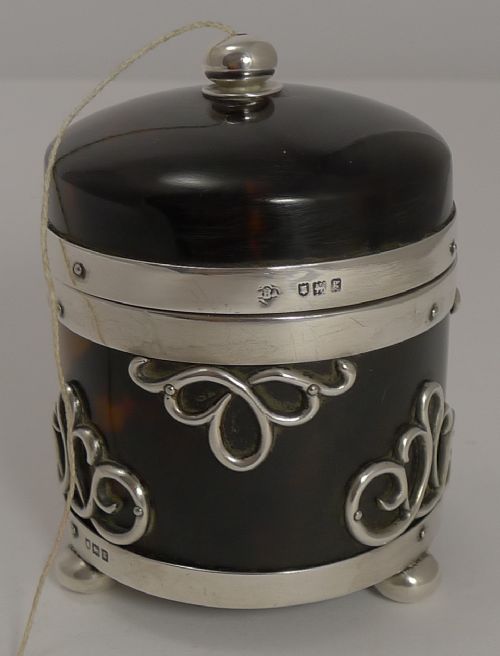
Antique String Holder
An antique string holder keeps twine ready on the desk or dressing table, offering both practical utility and fine nineteenth or twentieth century craftsmanship.
Antique String Holder
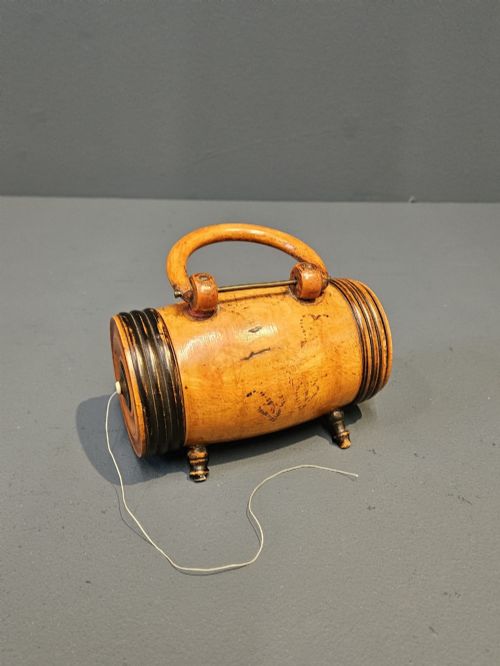
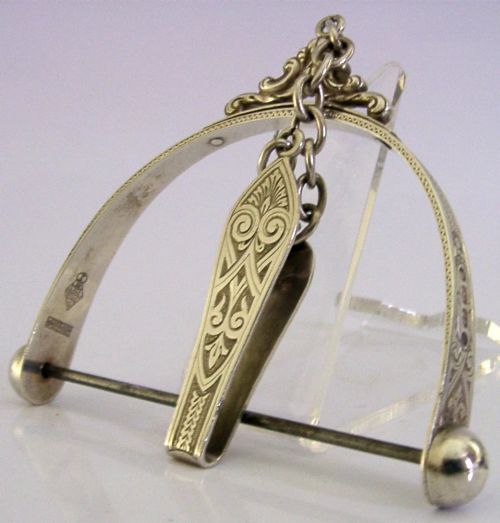
An antique string holder encompasses desk accessories, chatelaine items, and treen barrels designed to dispense twine neatly. These domestic tools range from compact chatelaine pieces worn at the waist to substantial desk boxes.
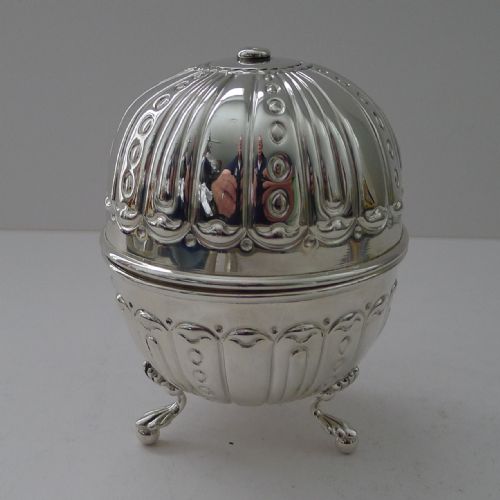
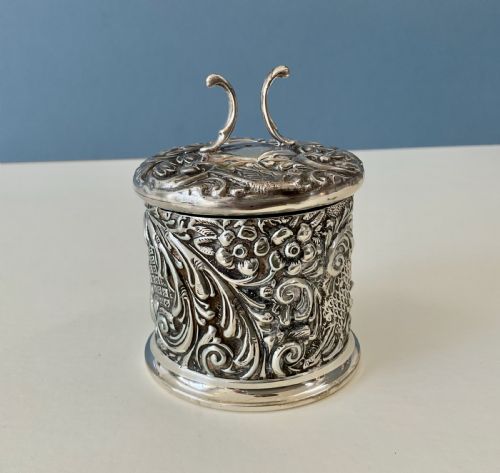
The selections visible here lean heavily towards Victorian and Edwardian examples in silver, glass, and dense hardwoods. Buyers encounter everything from turned wooden barrels to silver apple and bird boxes.
Functional items of the nineteenth and early twentieth centuries survive in various forms, reflecting the orderly domestic habits of the period. Desk accessories and string barrels represent the most common formats on this page.
How They Were Made
Silversmiths formed precious metal mounts, lids, and pierced frames, occasionally pairing sterling silver with glass jars or tortoiseshell. Woodworkers turned dense timbers on a lathe to create spherical balls and cylindrical barrels.
Dense hardwoods such as lignum vitae, sycamore, and Karelian birch provided the necessary weight for treen dispensers. Artisans also utilised brass and maple, sometimes applying Mauchline ware decorative techniques to the wooden surfaces.
Victorian silversmiths occasionally shaped silver string boxes to resemble apples and birds, hiding utility inside miniature fauna.
What Varies in Quality
The fineness of the turning in wooden treen determines the crispness of the mouldings and the smooth fit of the lid. Dense timbers like lignum vitae show sharp, precise grain and clean apertures for the twine.
Silver mounts display varying degrees of crispness in their hallmarks, chasing, and structural integrity. Glass and tortoiseshell components require careful inspection for seamless integration with the metal collars.
The Antique String Holder Glossary
- Treen
- Small handmade wooden objects for domestic use. Items turned on a lathe, such as string barrels, fall into this category.
- Chatelaine
- A decorative belt hook worn from the waist with suspended fittings. Sewing tools and small thread holders hung from these attachments.
- Mauclineware
- Souvenir wooden items decorated with photographic transfers or tartanware patterns. These pieces date primarily from the nineteenth century.
- Lignum Vitae
- A very dense, heavy wood obtained from trees of the genus Guaiacum. Its weight made it ideal for stationary string holders that stayed put when pulled.
Antique String Holder: Frequently Asked Questions
How were antique string holders used?
These pieces sat on merchant desks, writing tables, or sewing stations to keep twine tidy and accessible.
Users pulled the cord through a small aperture in the lid or side, preventing the ball from tangling or rolling away.
What materials are most common?
Sterling silver and turned hardwoods dominate the surviving examples from the Victorian and Edwardian eras.
Glass, brass, tortoiseshell, and maple also appear frequently among the desk accessories and treen barrels.
How do I date a silver holder?
Assay office hallmarks stamped onto the silver components provide exact dates and maker's marks.
Stylistic cues such as Edwardian shaping or Victorian chasing help narrow down the period when hallmarks are rubbed.
Can I still use them today?
Most antique string holders accept modern twine rolls or balls of a comparable size.
Placing the cord inside allows the piece to function on a modern desk just as it did in the nineteenth century.