




20th Century Desk Ornament
A 20th century desk ornament brings character and fine craftsmanship to a workspace, offering small-scale bronze animalier studies, marble obelisks and decorative metal figures.
20th Century Desk Ornament
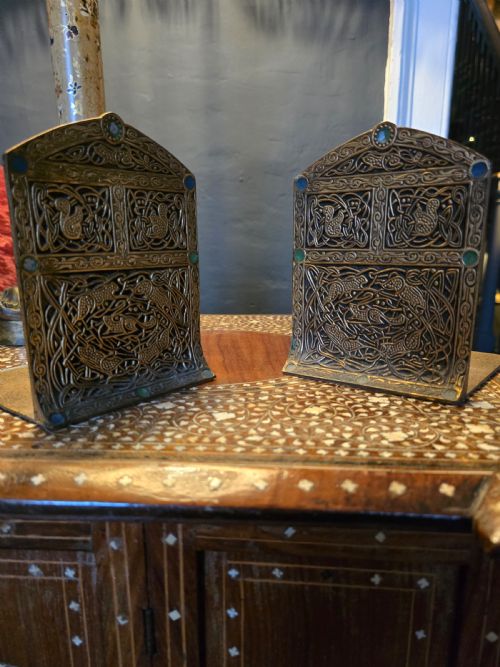
A 20th century desk ornament encompasses small-scale sculptures, bookends, pen holders and decorative objects designed to sit upon a writing table or bureau. The pieces on this page span the early to mid-20th century, drawing on periods from the 19th century through to the 1920s.
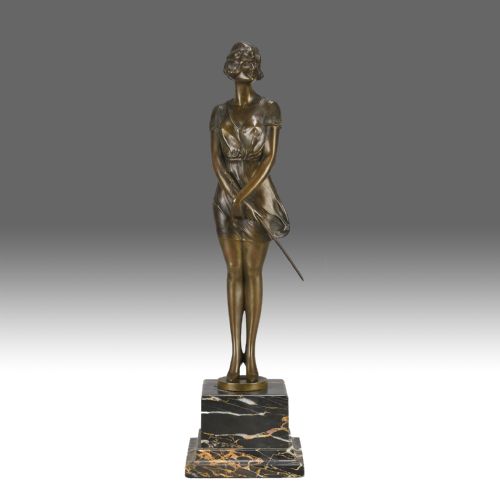
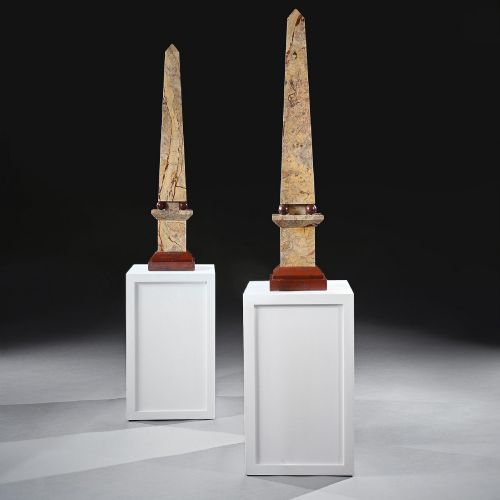
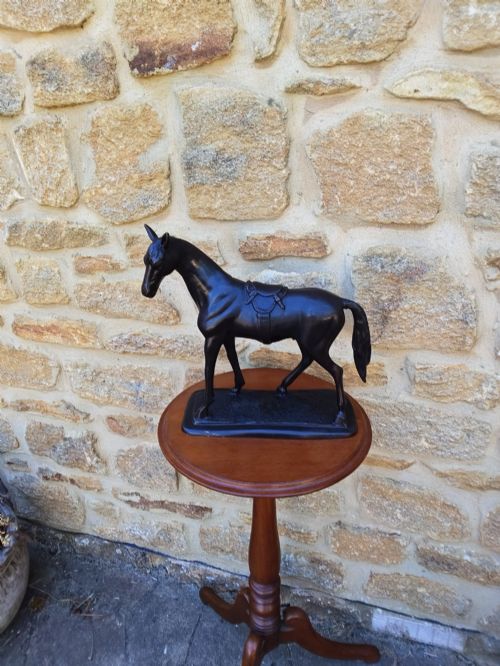
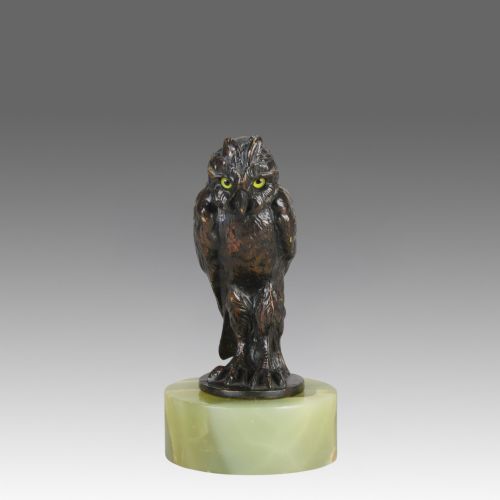
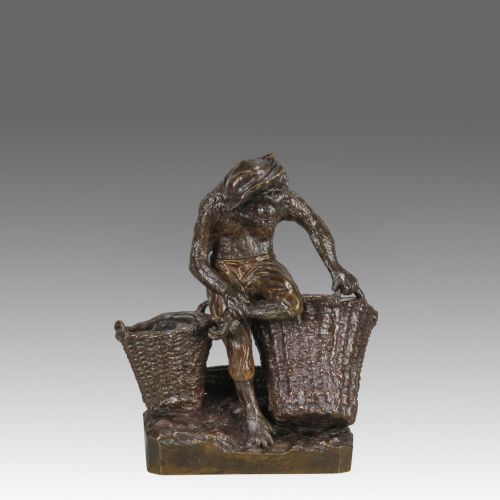
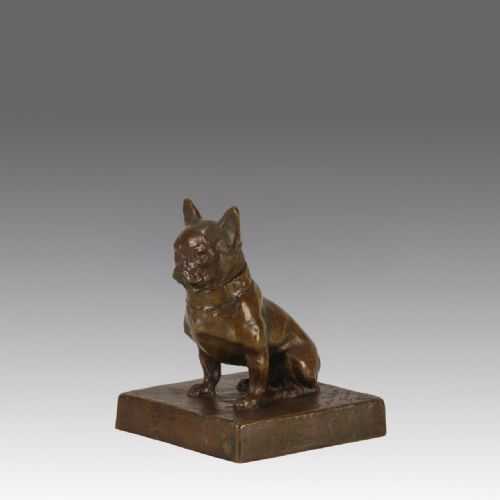
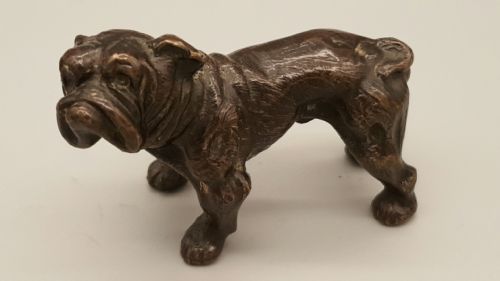
Buyers will encounter various forms, including animalier bronzes depicting dogs, birds and horses, alongside marble obelisks, cast iron items and Karelian birch string balls. Animal figures and small figurative studies dominate the available selection.
Origins stretch across European workshops, featuring Austrian cold-painted bronzes, French animalier sculptures, Italian Grand Tour models and American studio pieces. Each object reflects the prevailing aesthetic tastes of its decade of origin.
Materials and construction methods
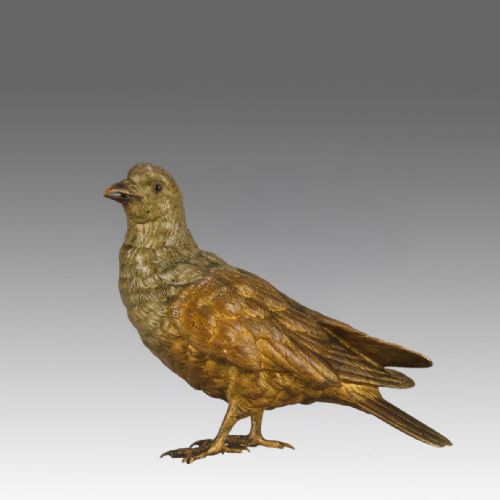
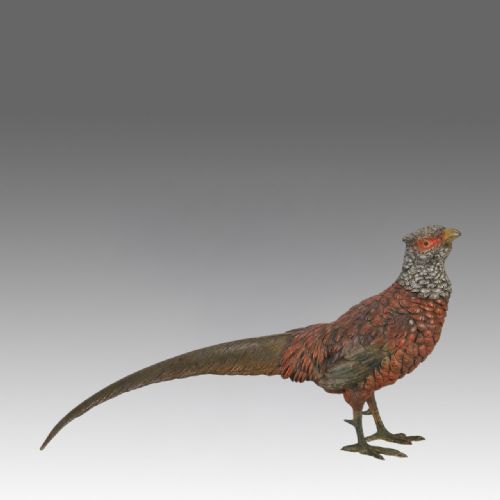
Bronze remains the primary material, shaped through casting and frequently finished with cold painting or patination to render realistic detail on figures such as owls, pheasants and dogs. Marble varieties such as Portasanta and Rosso Antico provide heavy, polished bases and architectural forms like obelisks.
Metals such as silver plate and cast iron appear alongside organic materials like Karelian birch, demonstrating a diverse material palette utilised by makers of the era. Cold-painting techniques applied distinct layers of pigment directly onto cured bronze surfaces.
Distinctions in standard and execution
Quality reveals itself in the crispness of the casting and the preservation of hand-applied cold paint on bronze surfaces, where skilled polychrome work retains its original vibrancy. Sculptures bearing the signature of recognised founders or artists demonstrate superior execution in anatomical proportion and expression.
The choice and preparation of materials also dictate standard, evident in the heavy polish of Portasanta and Rosso Antico marble or the careful turning of Karelian birch. Pieces retaining their original patination and foundational structure exhibit greater integrity than those altered over time.
Bruno Zach·Christophe Fratin·Dora Heber·Franz Bergman·Tiffany Studios New York·Clovis Masson·Josef Lorenzl·Edith Parsons·P J Mêne·Rudolf Küchler
The 20th Century Desk Ornament Glossary
- Animalier
- A style dedicated to the realistic portrayal of animals, prominent in nineteenth and early twentieth-century bronze sculpture. Artists focused on capturing creatures in motion or natural repose.
- Cold-painted bronze
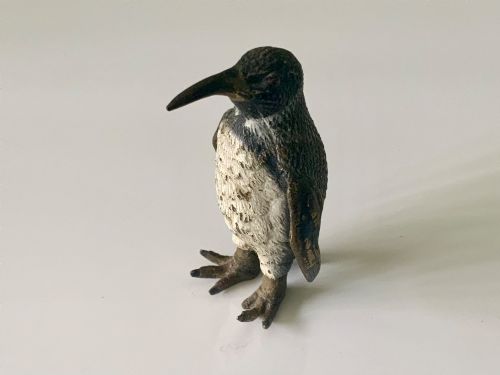
- A technique where bronze sculptures are painted with unfired oil or enamel colours after casting. This method allows for vivid detailing on small decorative figures and birds.
- Grand Tour
- Souvenirs purchased by travellers on cultural tours of Europe, often including miniature bronze models of classical monuments and sculptures. These items frequently served as decorative desk accessories.
- Obelisk
- A tall, four-sided, narrow tapering monument which ends in a pyramid-like shape at the top. In desk ornaments, these are carved from decorative stones such as marble.
- Vienna bronze
- Small, highly detailed bronze sculptures produced in Austrian foundries during the late nineteenth and early twentieth centuries. They are renowned for their intricate cold-painted finishes.
20th Century Desk Ornament: Frequently Asked Questions
What is a cold-painted bronze?
A cold-painted bronze is a metal sculpture finished with layers of unfired paint applied over a metallic base. This technique achieved lifelike colours on small decorative figures.
Artisans used this method extensively in Austrian workshops to decorate animal and human figurines intended for display.
How were desk ornaments used?
Desk ornaments served both decorative and functional roles on writing tables in studies and offices. Items ranged from paperweights and bookends to pen holders and sculptural studies.
They reflected the personal tastes and intellectual interests of the owner while adding texture to the workspace.
How do I identify Art Deco pieces?
Art Deco desk ornaments display clean geometric lines, stylised figurative forms and smooth surfaces typical of the interwar period. Materials often include polished metals, carved wood and select marbles.
Pieces from this movement emphasise modernity and streamlined elegance rather than ornate Victorian flourishes.
What is an animalier bronze?
An animalier bronze is a small sculpture focusing primarily on the naturalistic depiction of animals. These pieces captured beasts in dynamic poses or quiet observation.
Nineteenth and early twentieth-century sculptors specialised in this genre, studying animal anatomy closely to produce convincing models.