

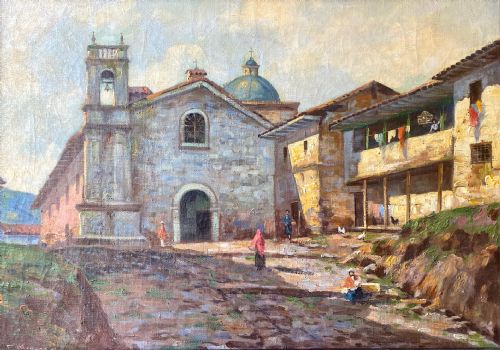


Antique Street Scene Artwork
These antique street scene artwork pieces capture historic urban life through oils and watercolours, offering a direct window into past cityscapes.
Antique Street Scene Artwork
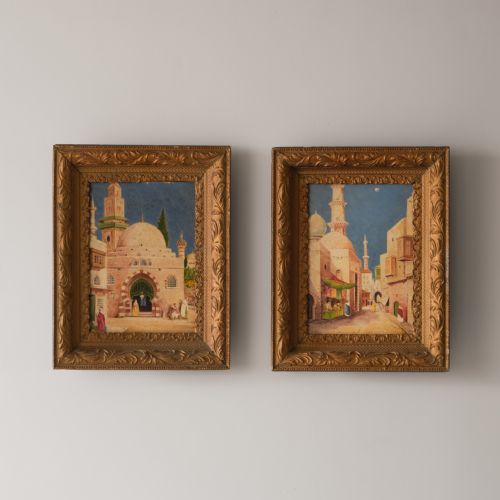
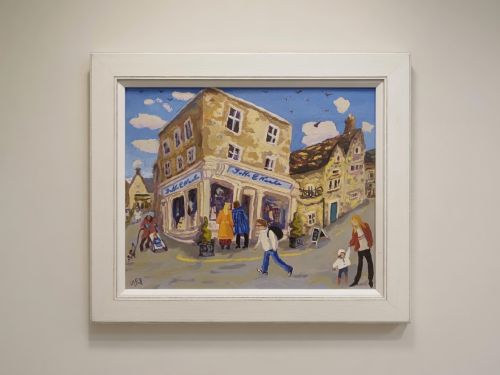
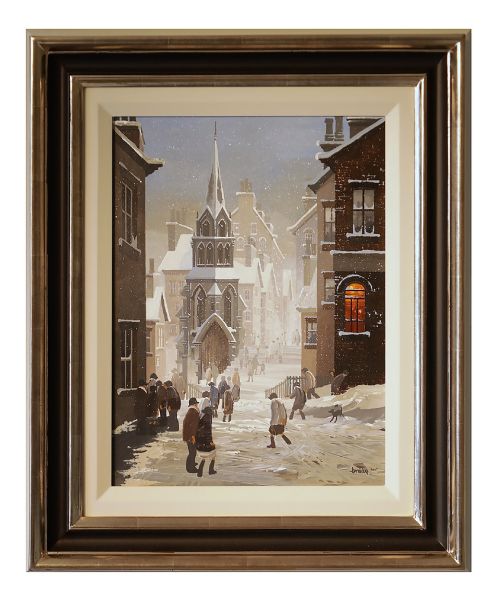
When you search for antique street scene artwork, you encounter painted and printed depictions of urban life, market places, and architectural views. These works span the Victorian period through to the mid-twentieth century, capturing cities and towns across Britain and continental Europe.
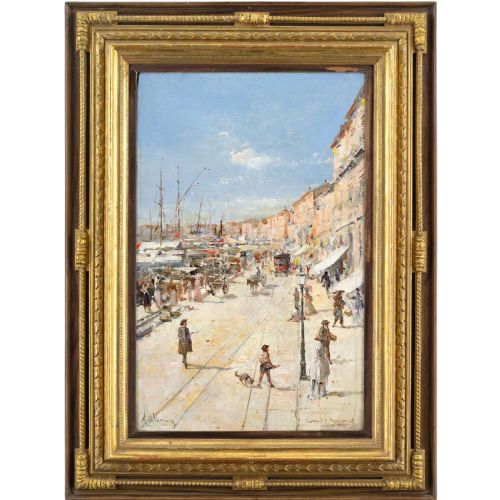
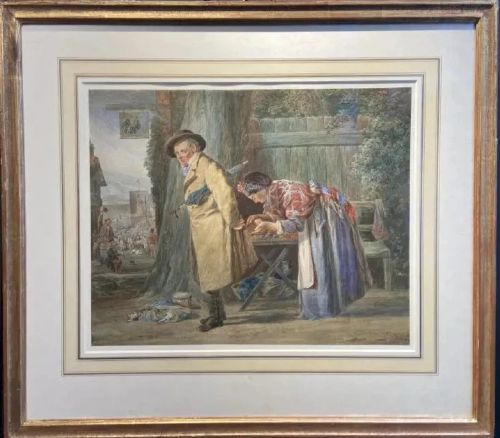
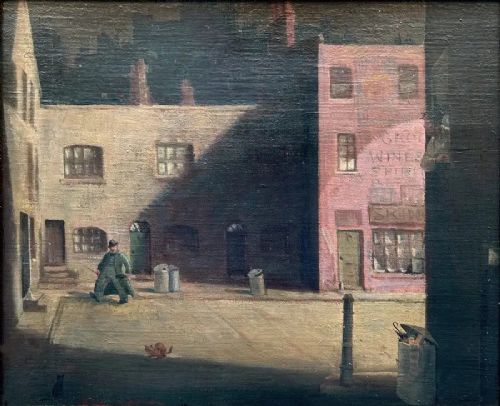
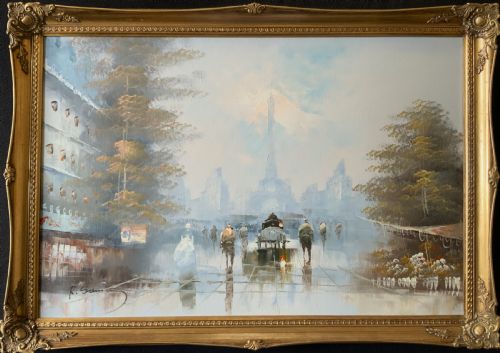
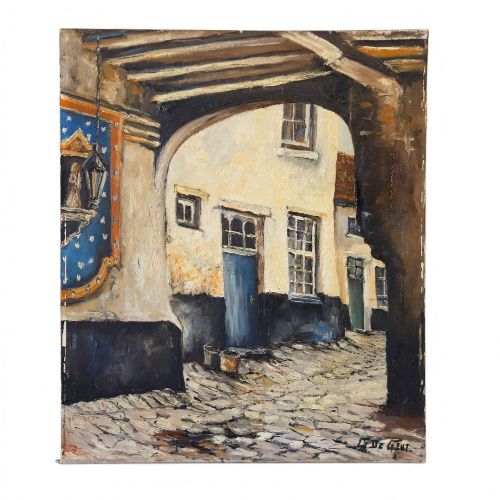
The selection ranges from detailed watercolours of market days to expressive oil paintings of Parisian boulevards and Flemish street corners. You frequently find depictions of daily commerce, horse-drawn carts, and figures gathered outside historic buildings.
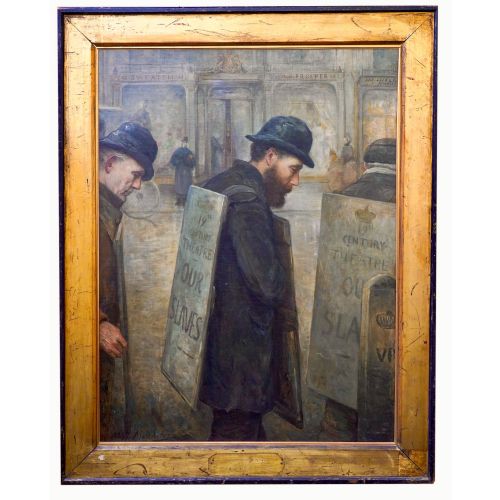
Makers and artists recorded specific localities, from Leicester Square to Messina and Venice, documenting the changing character of urban spaces. These paintings and prints serve as visual records of social history and architectural heritage.
How they were made
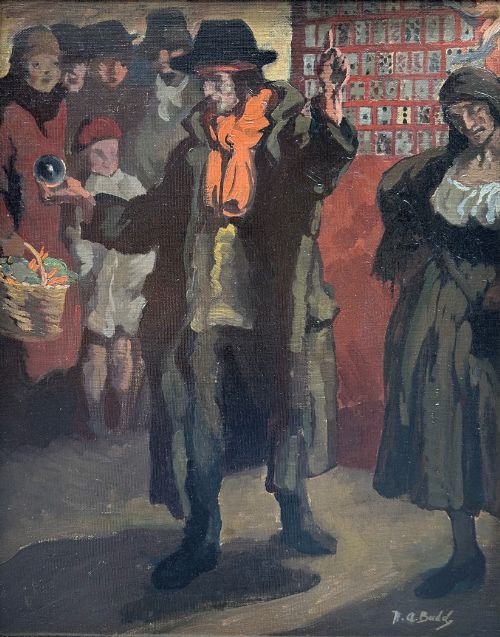
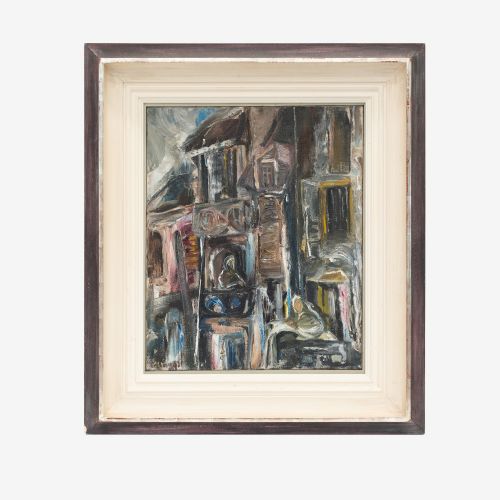
Artists applied oil paint to canvas, wood panels, and board to build textured compositions of city life. Watercolours on paper capture lighter atmospheric effects, often utilising pastel or ink highlights to define figures and architectural details.
Many works retain their period framing, utilising giltwood and gold leaf to complement the painted surface. Prints from series such as the Cries of London employ traditional graphic techniques on paper, preserved under glass.
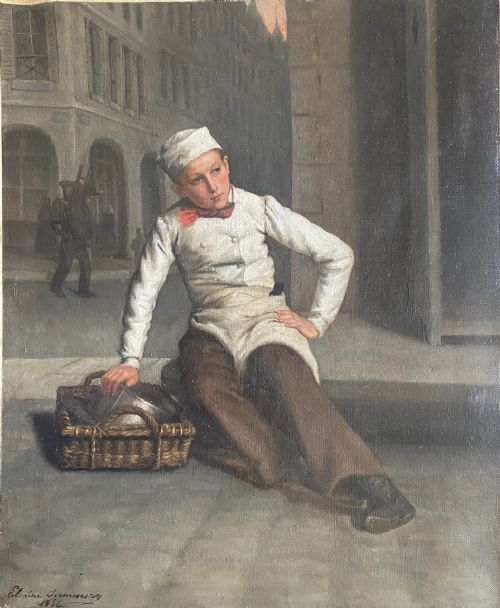
An apprentice cook resting in Paris and chestnut sellers brave the historic streets alongside high-society cathedral visitors.
What varies in quality
Quality rests in the artist's handling of light, atmosphere, and perspective within a bustling urban setting. Works by established painters demonstrate a superior command of figure grouping and architectural scale compared to simpler topographical records.
The preservation of the original medium, whether oil on canvas or delicate watercolour on paper, influences the visual impact. Period framing in giltwood also contributes to the integrity and presentation of the piece.
Felix Stone Moscheles·Thomas Ellison·Augusto Alberici·Joseph H Barnes·Francisco Sancha·Herbert Ashwin Budd·L. De Gent·Albert Ludovici Jnr·William Greaves·Victor Gabriel Gilbert·William Manners·Charles James Lauder·Léon Joseph Voirin·Cornelis Christian Dommersen·William George Meadows·Lewis J Wood·John Smith Atherton·George Whyatt·Andrew Young·Eduard Leon Cortes·Robert Hollands Walker·Joseph W. Milliken·Walter Meegan·Charles H Poingdestre·Rowland Henry Hill
The Antique Street Scene Artwork Glossary
- Genre painting
- Depictions of everyday life, often featuring people engaged in common occupations or social activities in public spaces. These scenes provide valuable insight into historical customs and dress.
- Topographical art
- Accurate representations of specific real-world locations, buildings, and streetscapes. This genre prioritises geographical and architectural fidelity.
- Giltwood
- Wood that has been treated with a thin layer of gold leaf or gold paint. It was commonly used for traditional picture frames during the Victorian and Edwardian periods.
- Impressionism
- An art style focused on capturing the visual impression of a moment, particularly through the use of shifting light and unblended brushstrokes. In urban scenes, it translates to the hustle and bustle of city life.
- Watercolour
- A paint consisting of pigment suspended in a water-based solution, typically applied to paper. It allows for translucent washes and delicate tonal gradations.
Antique Street Scene Artwork: Frequently Asked Questions
What periods do these artworks cover?
The listings span from the late Georgian and Victorian eras through the Edwardian period up to the mid-twentieth century. This timeline captures significant shifts in urban development and artistic styles.
You encounter works from the nineteenth century alongside pieces created into the 1950s and 1960s, reflecting changing approaches to painting cityscapes.
Where were these street scenes painted?
Artists recorded scenes across Britain, including London and Yorkshire, as well as continental European locations. Paris, Venice, and various Dutch and Italian towns appear frequently in the artwork.
These locations reflect both local British traditions and the Grand Tour influence where artists travelled to paint foreign architecture and markets.
How should I display these pieces?
These works suit traditional and contemporary interiors alike, particularly when hung in studies, living rooms, or hallways. Ensure watercolours are kept out of direct sunlight to prevent fading of the paper and pigments.
Many retain their original giltwood frames, which provide a period-appropriate border that complements the tones of the urban landscape within.
How do I identify the medium?
Oil paintings display a textured surface on canvas, board, or wood panels, often with visible brushwork. Watercolours and pastels are executed on paper and sit behind protective glass.
Close inspection under natural light reveals the matte finish of pastel or the fluid washes characteristic of watercolour pigment.