
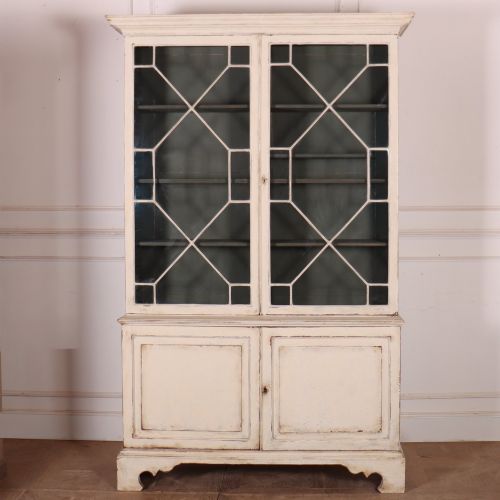
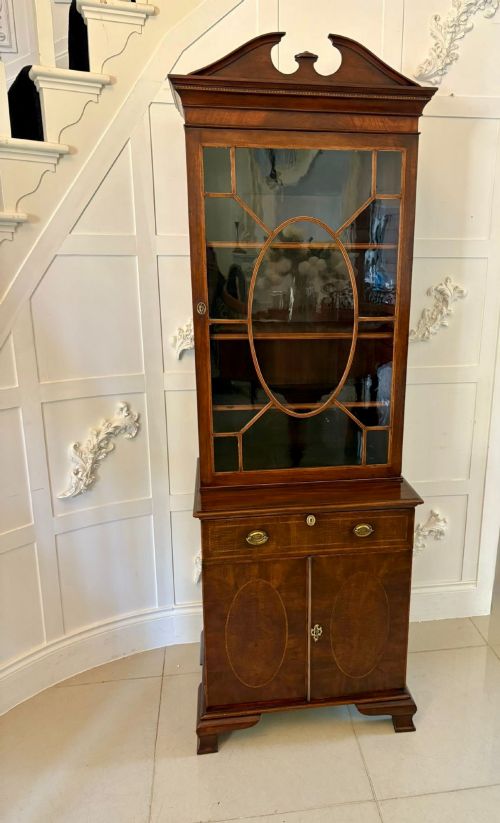

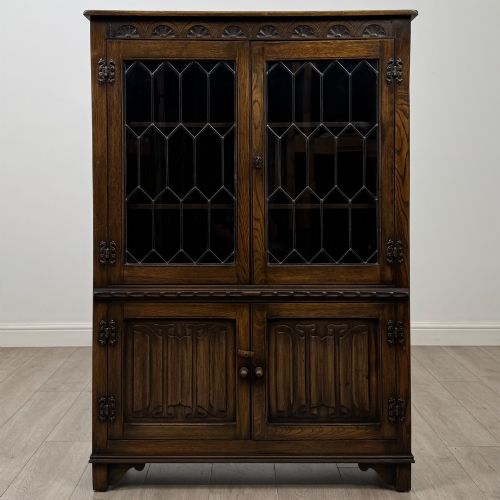
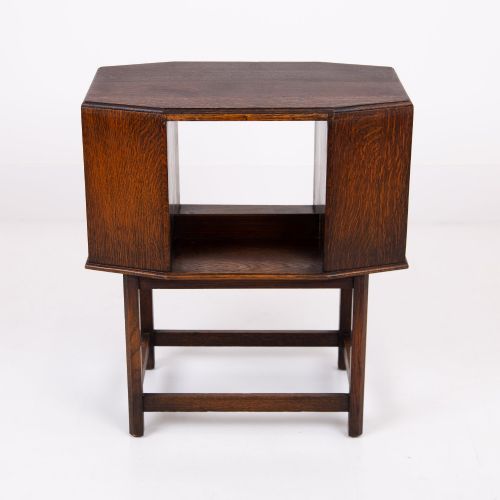
Antique Storage Bookcase
An antique storage bookcase brings orderly charm to a room, offering sturdy shelves and concealed cupboards for your collection of volumes.
Antique Storage Bookcase
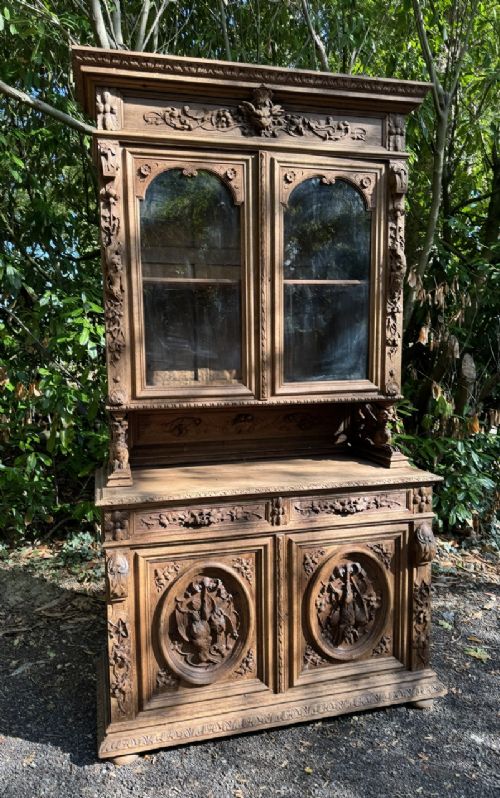
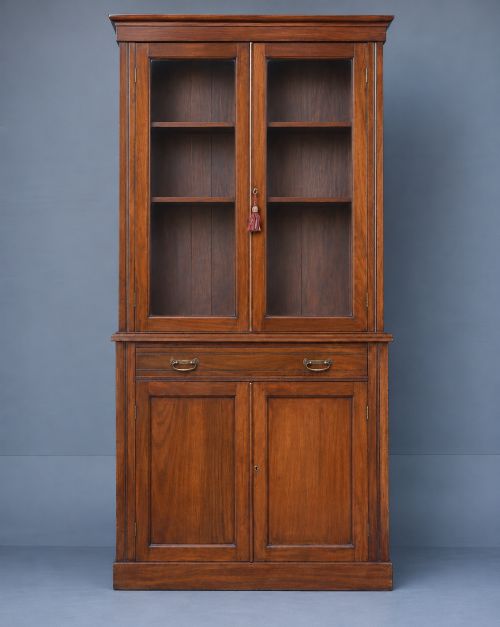
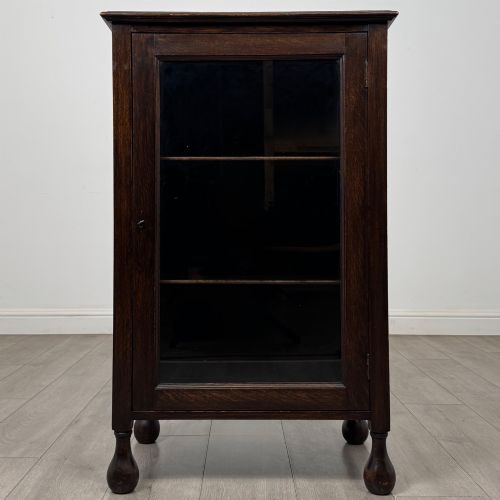
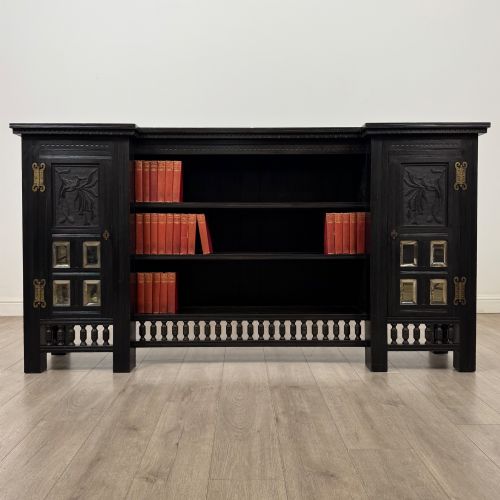
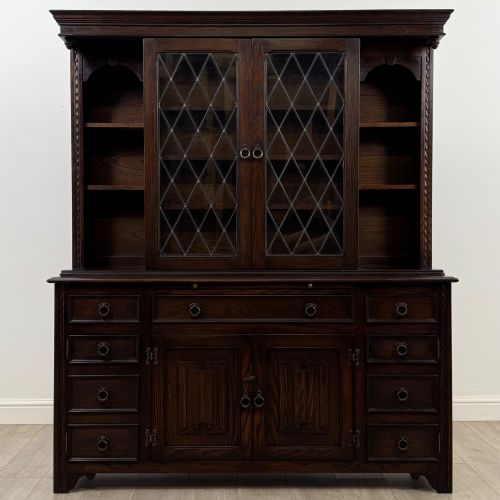
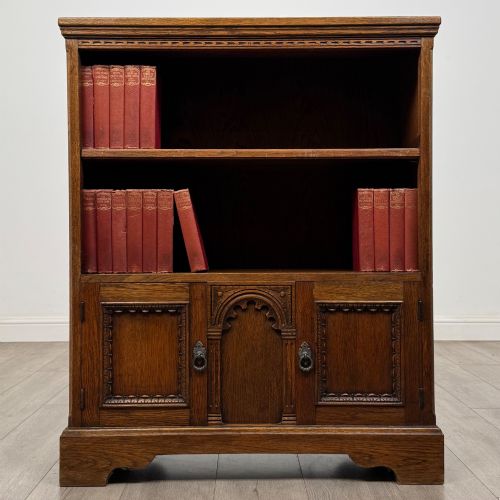
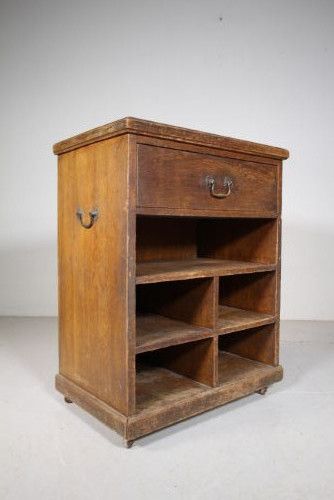
You are most likely to meet oak and mahogany examples on this page, reflecting the dominant woods found across nineteenth-century and early twentieth-century listings. Forms range from open bookcases with small base cupboards to glazed display cabinets and tiered library pieces.
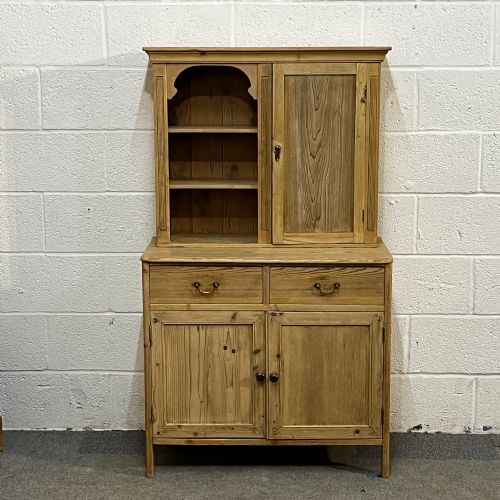
Regional styles also emerge in the records, including English country pieces, French provincial designs, and Welsh oak variations. These domestic items served utilitarian needs in studies, kitchens, and parlours, combining upper shelving with lower storage compartments.
Materials and construction methods
The listings record solid woods and veneers primarily in mahogany, oak, walnut, and pine, occasionally supplemented by rosewood for more decorative finishes. Cabinet makers utilised brass hardware for handles and locks, alongside fitted glass panes for glazed doors.
Construction techniques involve traditional joinery to support heavy library volumes and household items over generations. Surfaces receive wax, paint, or polished finishes that highlight the natural grain of the timber.
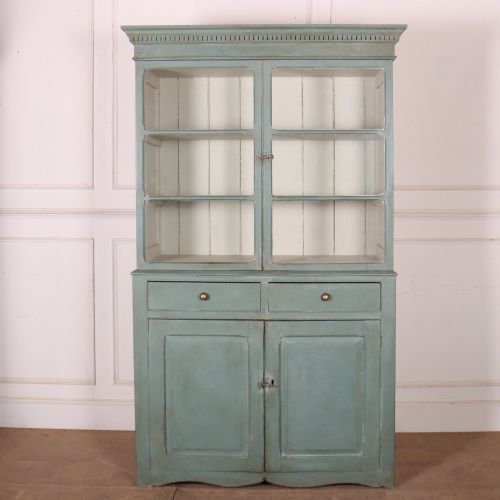
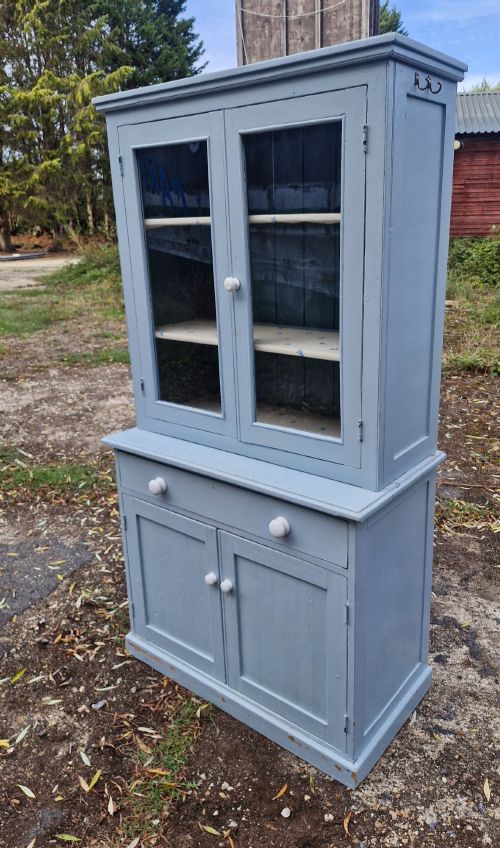
Several pine bookcases arrive with delightfully painted interiors, proving that nineteenth-century book collectors enjoyed a hidden splash of colour behind closed doors.
Assessing quality in storage bookcases
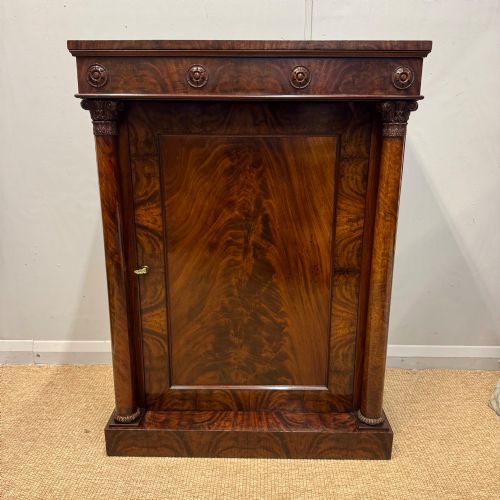
Quality rests on the selection of timber, such as figured mahogany or burr walnut, and the precision of the joinery in the shelves and doors. Better examples display careful attention to proportion, harmonious inlay work in satinwood or brass, and intact original glass.
The sophistication of the carved detailing and the integration of functional storage, such as adjustable shelving or fitted interior compartments, separate standard utility pieces from finer cabinet work.
Gillows
The Antique Storage Bookcase Glossary
- Barristers stacking bookcase
- A modular bookcase featuring glass-fronted sections that lift and slide upwards. This clever design allows individual tiers to be stacked together.
- Waterfall bookcase
- A tiered set of open shelves that progressively deepens from top to bottom. The sides often step back in a cascading profile.
- Linenfold
- A style of wood carving that mimics folded fabric, commonly seen on Tudor and Jacobean revival panels. It adds texture to cabinet doors.
- Figured mahogany
- Timber cut to reveal distinctive grain patterns such as flame or fiddleback. Cabinet makers prized this for the front facades of important pieces.
- Whatnot
- A set of open shelves on slender uprights used for displaying ornaments and small books. These light pieces date largely from the nineteenth century.
Antique Storage Bookcase: Frequently Asked Questions
What is an antique storage bookcase?
An antique storage bookcase is a piece of furniture combining open or glazed shelving for books with enclosed cupboard space below. These items date primarily from the Georgian, Victorian, and Edwardian periods.
They were built to house home libraries while keeping ledgers, papers, or household goods neatly tucked away behind wooden doors.
How do I tell Victorian from Edwardian bookcases?
Victorian bookcases often feature heavier proportions, darker polished mahogany or walnut timbers, and occasionally elaborate carved details. They reflect the industrial production capabilities and formal tastes of the nineteenth century.
Edwardian pieces tend to be lighter in scale, frequently utilising oak with simpler lines, satinwood inlay, or arts and crafts influences suited to brighter turn-of-the-century interiors.
Were these bookcases used in offices?
Many sturdy oak and mahogany bookcases served in domestic libraries, studies, and parlours rather than commercial offices. Stacking barristers' bookcases offered modular storage suited to growing collections of professional texts.
Kitchen cupboards and glazed dressers also provided functional storage for household volumes and provisions in country homes.
How do I care for antique pine furniture?
Pine bookcases finished with wax require gentle cleaning with a soft, dry cloth to remove dust. Avoid placing them near direct heat sources to prevent the softwood from drying out and splitting.
Periodic application of traditional beeswax helps maintain the lustre and protects the aged surface of waxed pine and painted finishes.