
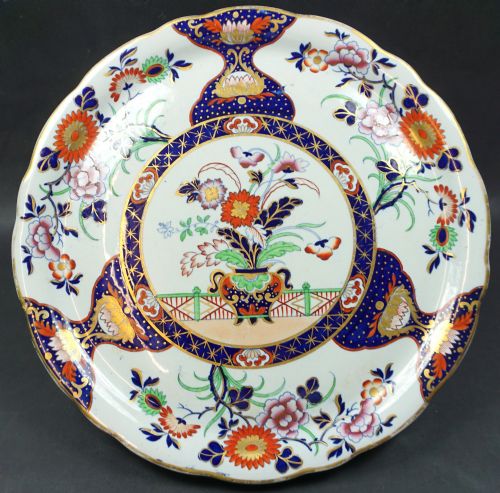
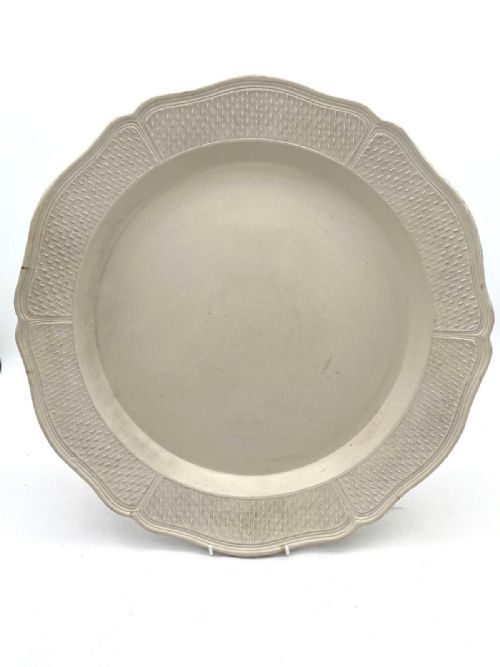
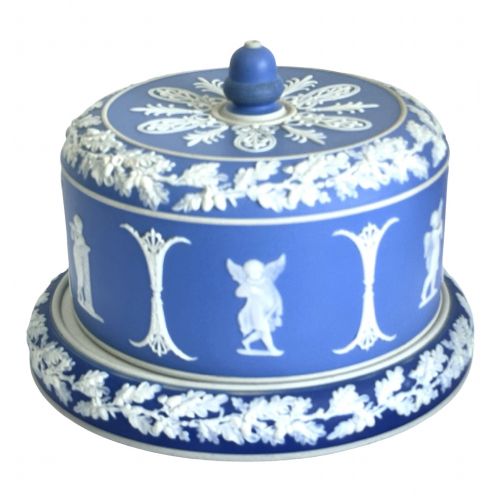


Antique Stoneware Dish
These antique stoneware dish examples range from practical culinary vessels to decorative table centrepieces, offering durable ceramic bodies that suit daily use.
Antique Stoneware Dish
An antique stoneware dish encompasses heavy utilitarian kitchenware alongside decorative plates, chargers, and serving vessels. Buyers investigating this category encounter functional pieces such as cheese domes, game pie dishes, and cooking vessels alongside ornamental items.
The selections span centuries and origins, reaching from early imported celadon bowls to nineteenth-century English kitchen and table ceramics. Nineteenth-century Victorian pieces and earlier Georgian forms appear alongside much earlier Asian stoneware traditions.
Vessels on this page serve various domestic functions, from large platters and salad bowls to smaller trinket boxes and chambersticks. The common thread is the vitrified ceramic body, which distinguishes these durable pieces from softer earthenware.
Materials and production methods
Stoneware body preparation involves dense, impermeable clay fired at high temperatures until the material vitrifies. Potters apply salt glazes, enamel colours, and hand-painted details to decorate the hardened surfaces.
Moulding and throwing techniques shape the heavy bodies of large chargers, cheese bells, and pie dishes. Artisans utilise transfer printing, hand-colouring, and relief moulding to achieve distinct patterns such as blue and white transferware and applied jasperware motifs.
Game pie dishes often wear moulded rabbits and pheasants upon their lids, keeping watch over invisible pastry.
Determining quality in stoneware
Quality rests upon the crispness of moulded relief work, the evenness of the glaze, and the precision of hand-painted or transfer-printed decoration. Finer pieces display sharp detailing in applied ornamentation and clean lines across large forms.
Condition and structural integrity heavily influence the standing of each piece, particularly on functional items like cheese domes and cooking dishes. The balance of the form, clarity of maker marks, and preservation of delicate surface enamels separate standard utility items from superior examples.
Hicks & Meigh·Wedgwood·James Dudson·John Ridgway·Royal Doulton·Doulton Lambeth·J. & R. Clews
The Antique Stoneware Dish Glossary
- Stoneware
- A dense, hard pottery fired at high temperatures until the clay body vitrifies and becomes non-porous. This robust material resists liquids and heavy kitchen use without requiring a secondary glaze.
- Jasperware
- A fine-grained, unglazed stoneware developed by Wedgwood, typically featuring white neoclassical reliefs applied against a coloured background. Common shades include blue, drabware, and sage.
- Saltglaze
- A glossy, slightly textured finish produced by throwing common salt into the kiln during high-temperature firing. The vapour reacts with the silica in the clay body to form a durable coating.
- Caneware
- A yellowish-tan stoneware resembling the colour of bamboo or light wicker, frequently utilised for nineteenth-century game pie dishes and kitchenware. It provides a warm, natural background for moulded culinary decoration.
- Celadon
- A transparent pale green glaze applied over a grey-white stoneware body, originating in ancient Asian kilns. The thick glaze often pools in carved or moulded floral and foliate recesses.
Antique Stoneware Dish: Frequently Asked Questions
How do I clean an antique stoneware dish?
Wash historic stoneware gently by hand using warm water and mild soap, avoiding harsh scrubbing or modern dishwashers that can damage aged glazes and enamels.
Dry the piece thoroughly with a soft cloth to protect any vulnerable areas, particularly unglazed portions or historic repairs.
What is a game pie dish used for?
Game pie dishes were designed for baking and serving meat pies during formal nineteenth-century dining, often featuring fitted lids to retain heat and moisture.
The heavy stoneware or caneware construction helped regulate baking temperatures and kept the pastry contained at the table.
How do I identify a saltglazed charger?
Saltglazed chargers exhibit a characteristic orange-peel texture across the surface caused by the vaporised salt reacting with the clay during high-firing.
These large circular platters are notably heavy and possess a dense, vitrified body that lacks standard liquid absorption.
Can I use antique stoneware for cooking?
Using antique stoneware for modern cooking is generally discouraged due to thermal shock risks and potential historic lead content in older glazes.
It remains safer to treat these historic vessels as display items or serving pieces rather than subjecting them to direct oven heat.