




Antique Stone Column
These antique stone column pieces bring architectural gravity to an interior, built from marble, sandstone and limestone to elevate busts, lamps and garden displays.
Antique Stone Column
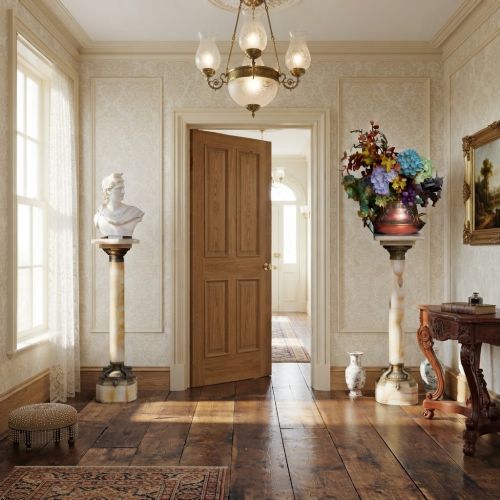
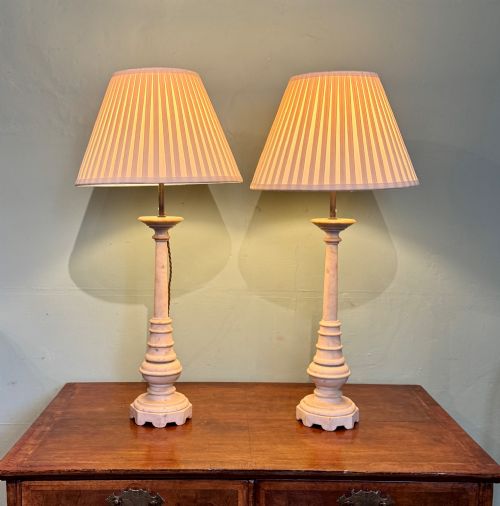
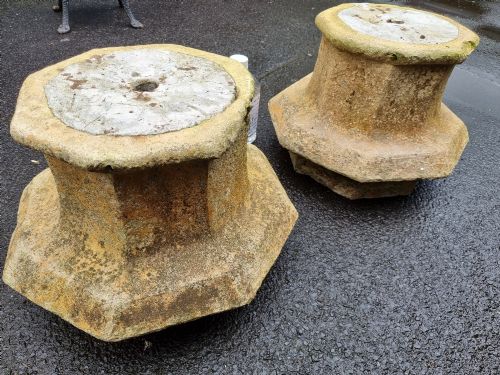
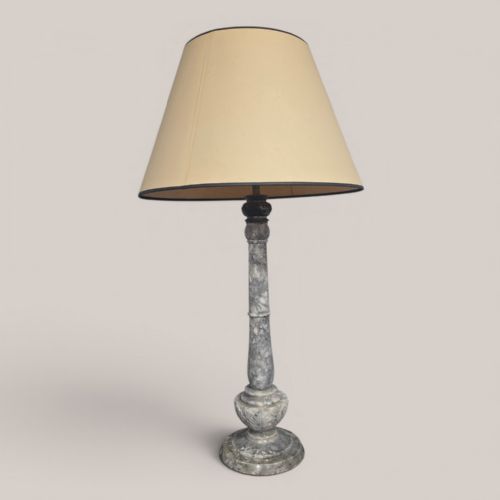
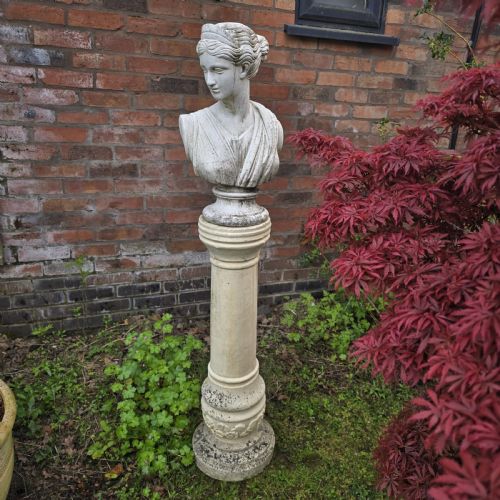
An antique stone column serves primarily as a structural support or a display pedestal for sculpture, lighting and garden ornaments. When exploring this selection, buyers encounter everything from indoor marble torcheres to weathered sandstone garden plinths.
The forms span interior plant stands and clock garnitures through to monumental architectural salvage and garden statuary. Pieces frequently emerge from nineteenth century workshops influenced by neoclassical, gothic and grand tour aesthetics.
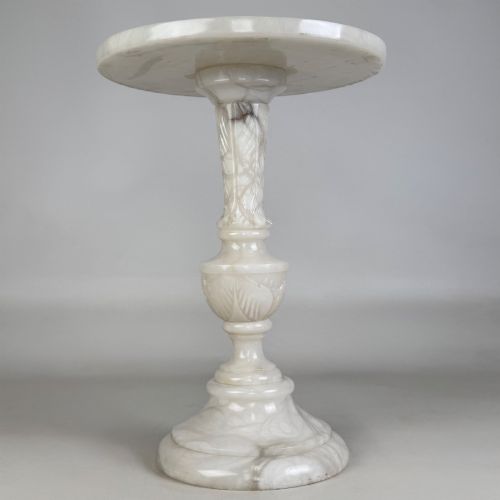
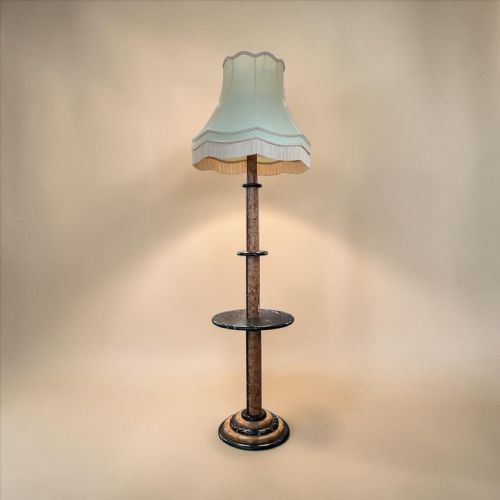
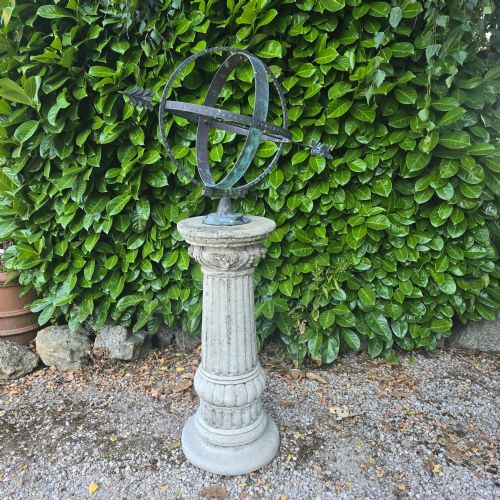
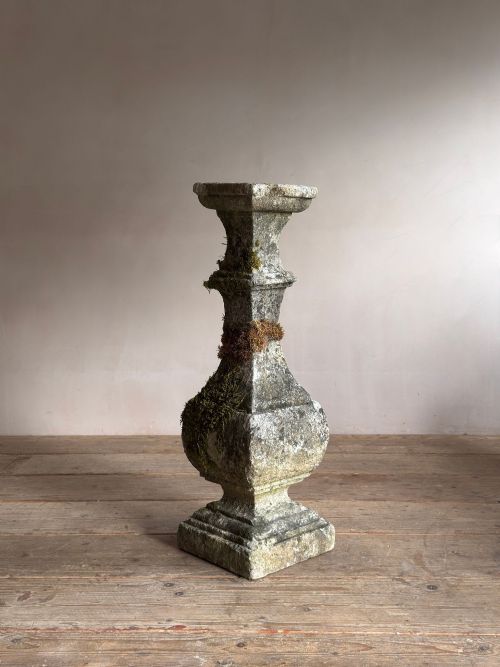
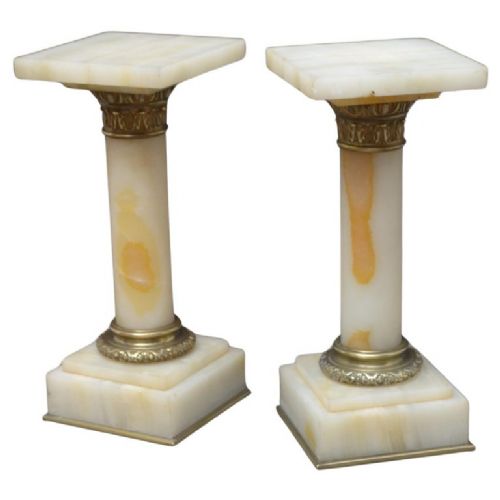
Indoor examples often utilise polished variegated green marble, alabaster or onyx with brass details. Outdoor variants lean towards robust limestone, sandstone and composite stone designed to weather naturally in a garden setting.
How they were made
Stonemasons shaped hard materials like limestone, sandstone and marble using hand chisels and banker machines to achieve fluted shafts and carved capitals. Architectural capitals and bases demonstrate traditional masonry techniques applied to structural stone and timber combinations.
Turning cylindrical shafts on lathes created smooth columns from blocks of alabaster, serpentine marble and onyx. Masons finished the surfaces through graded abrasive stones and polishing agents to reveal natural veining and fossil inclusions.
Reconstituted stone and composite materials offered an alternative casting method for garden plinths and gothic revival garden ornaments. These moulded items allowed workshops to replicate carved stone details efficiently while maintaining structural mass.
The documented periods range from eighteenth-century Georgian architectural salvage through to mid-twentieth-century garden statuary.
What varies in quality
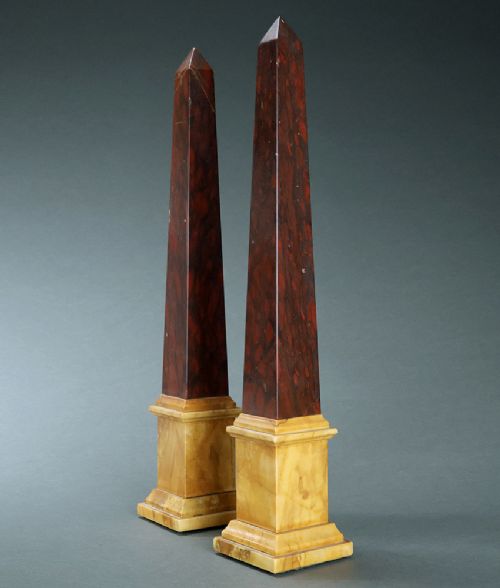
The visual impact rests heavily on the mineral selection, where uniform colour gives way to dramatic natural veining in arabescato and verde antico marbles. Superior items display harmonious colour matching across paired columns or matching obelisks.
Carving depth and sharpness define the finer examples, particularly in neoclassical capitals, acanthus leaf details and figural plant stands. Crisp chisel work distinguishes bespoke architectural salvage from routine commercial production.
Proportion and structural integrity dictate the balance of a pedestal when supporting heavy marble busts or bronze garnitures. A well-balanced base prevents top-heaviness, ensuring the column stands securely under vertical loads.
The Antique Stone Column Glossary
- Capital
- The uppermost member of a column, typically decorated with carved foliage or scrolls. It sits directly beneath the load-bearing abacus.
- Pedestal
- An upright support or base for a statue, vase or lamp. These items elevate focal points within a room or garden scheme.
- Serpentine
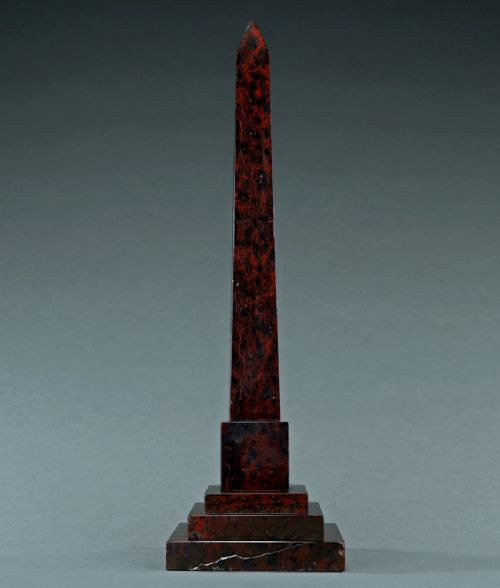
- A dark green silicate mineral resembling marble, frequently utilised for decorative obelisks and columns. It polishes to a high, lustrous finish.
- Scagliola
- A composite material made from selenite, glue and pigments, resembling marble and other fine stones. Craftsmen apply it to cores to create smooth architectural surfaces.
- Torchere
- A tall stand designed to hold a light source or candelabrum. These pieces often take the form of slender marble columns.
- Plinth
- A heavy flat-bottomed slab upon which a column or bust rests. It provides a stable footing on uneven ground or flooring.
Antique Stone Column: Frequently Asked Questions
Can I use an antique stone column outside?
Sandstone, limestone and composite stone columns withstand exterior conditions well when placed on stable garden footings. Porous stones benefit from winter protection to prevent frost damage.
Softer materials like alabaster and polished onyx belong indoors away from dampness and direct weathering. Temperature shifts easily degrade polished interior surfaces.
What is the difference between a column and a pedestal?
Columns follow classical architectural orders featuring shafts, capitals and bases derived from ancient building traditions. They often mimic structural load-bearing elements.
Pedestals serve primarily as display stands with square or cylindrical bodies designed specifically to elevate artwork and plants.
Are antique stone columns heavy?
Solid stone, marble and reconstituted stone columns possess substantial mass to support heavy sculptures without tipping. Moving them requires careful lifting equipment and multiple pairs of hands.
Lighter alternatives include hollow scagliola or brass-mounted plant stands with onyx tiers. These offer the appearance of solid masonry with reduced weight.