
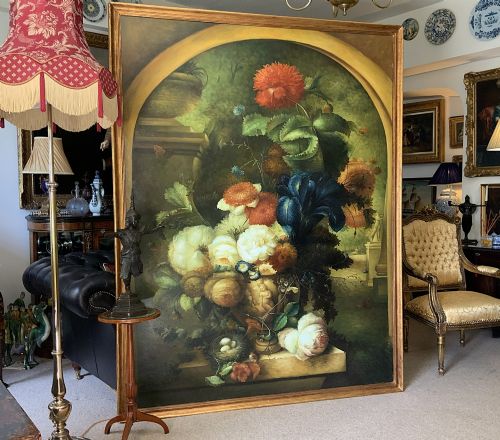
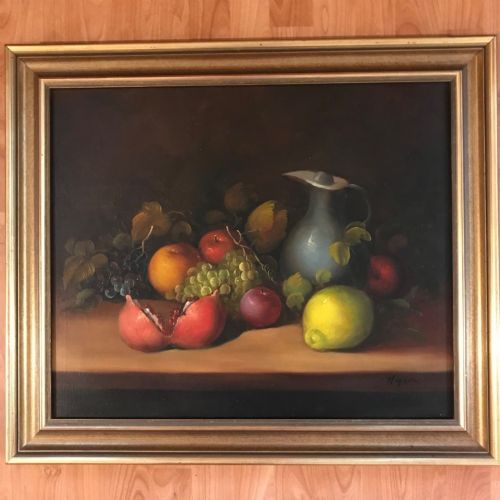
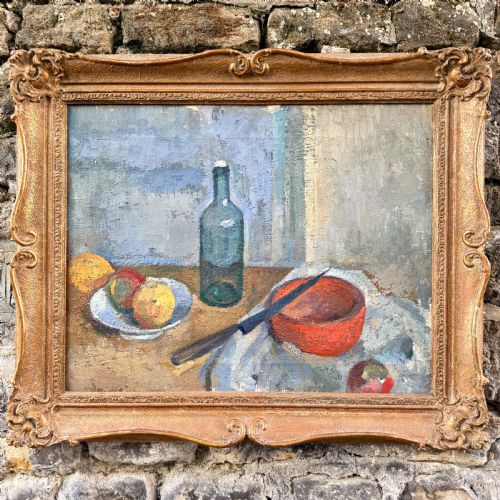
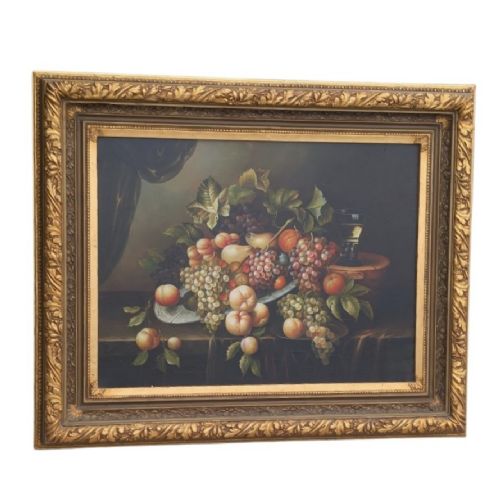
Antique Still Life Canvas
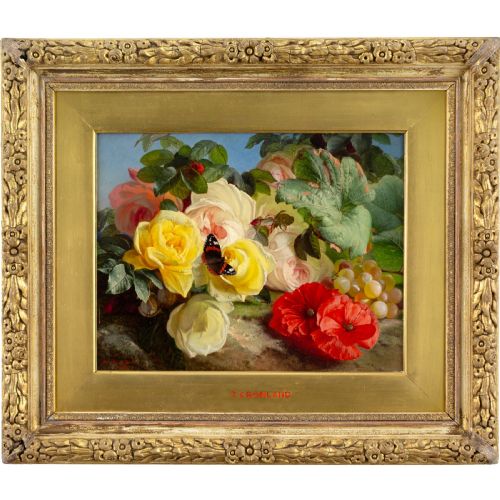
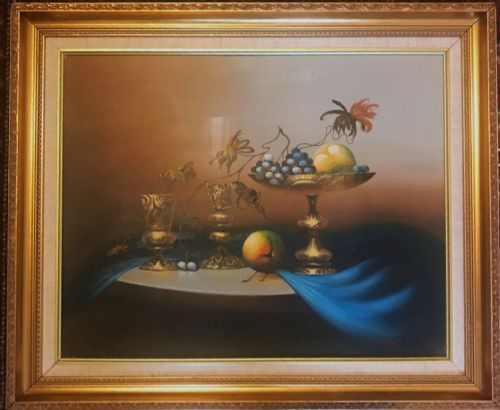
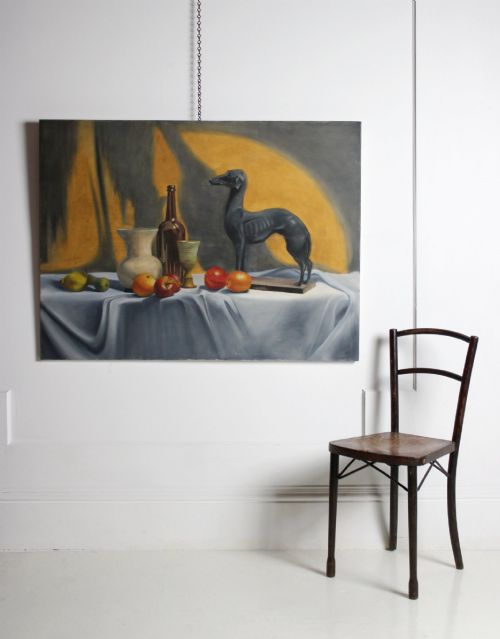
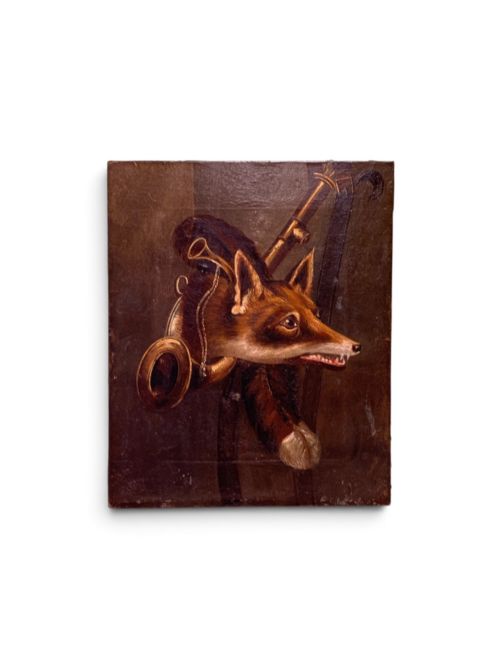
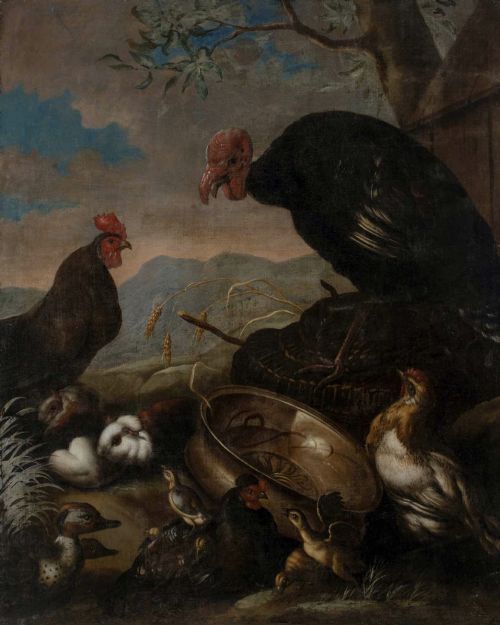
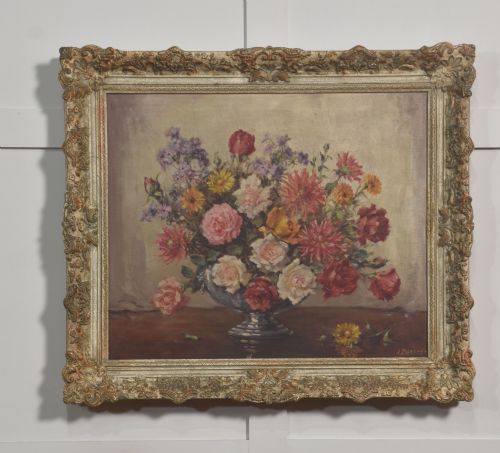
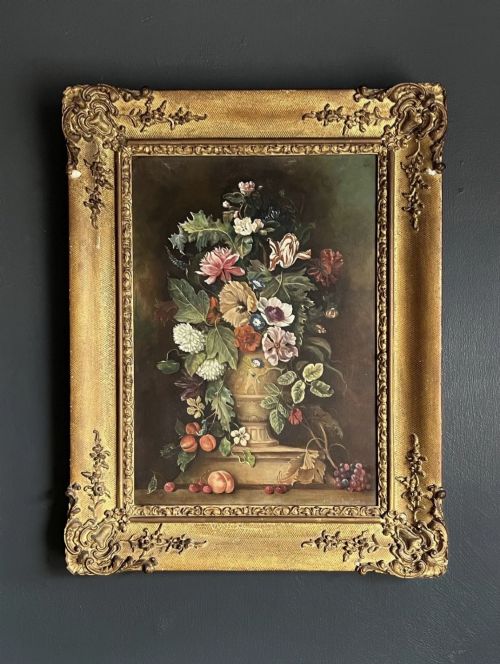
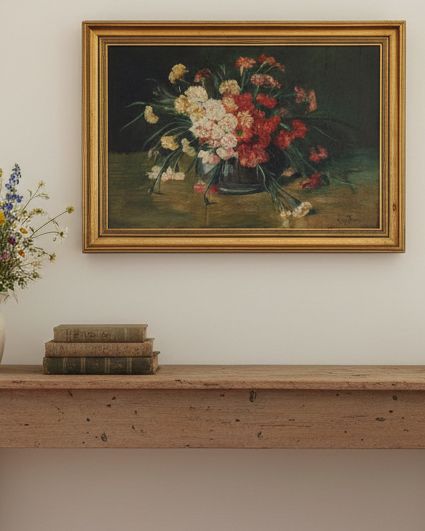
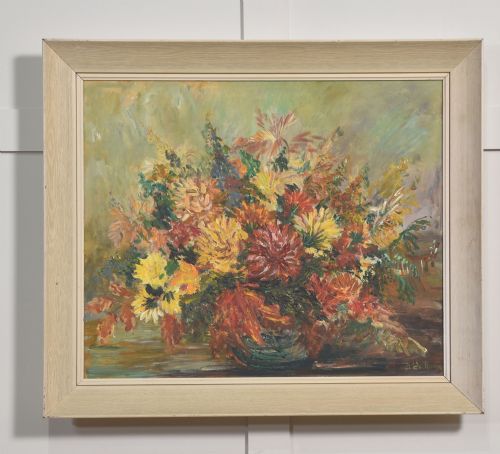
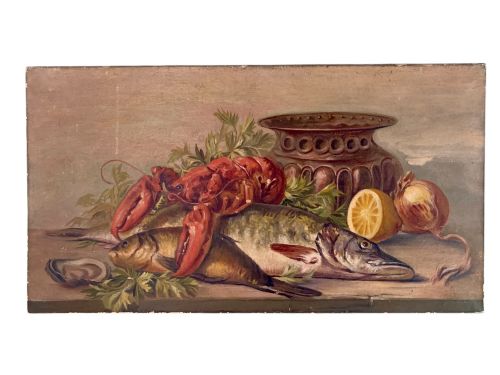
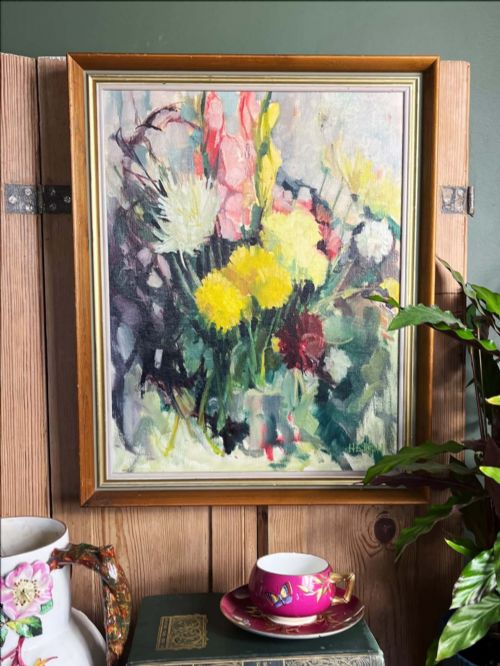
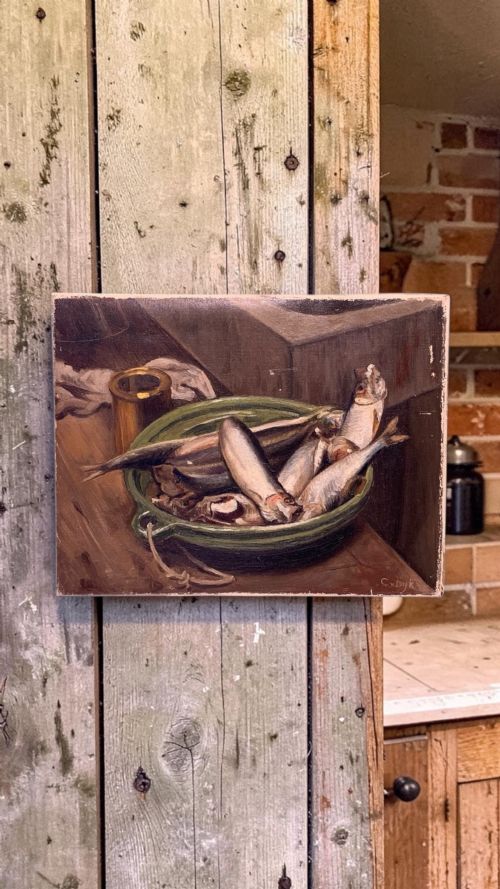
These pieces of antique still life canvas capture centuries of painted fruit, game and flowers rendered with remarkable brushwork.
Antique Still Life Canvas
When searching for an antique still life canvas, buyers encounter original oil paintings spanning from the seventeenth century through to the mid-twentieth century. The selection encompasses diverse regional schools, including Dutch, Flemish, French, Austrian, Swiss and British traditions.
Subjects range from monumental floral arrangements and botanical studies of roses and chrysanthemums to larder views featuring game, fish and fruit. Canvases frequently arrive housed in period frames, including ornate gilt gesso designs.
The most common pieces met on this page date from the nineteenth and early twentieth centuries, reflecting the enduring popularity of domestic floral and tabletop compositions.
How They Were Made
These works are painted in oil paint upon woven canvas supports, sometimes attached to wooden boards or stretcher frames for stability. Painters built up compositions using layered oil pigments to achieve depth in petals, fur and fruit.
Antique Still Life Canvas Retail Price Guide 2026
Typical asking prices for still life canvas among the pieces listed under this phrase on Sellingantiques today, from the lower quarter to the upper quarter. They describe what is for sale here now, not the wider market.
The listings span from the 17th century through the Edwardian era up to the 1950s, utilising oil paint upon canvas and wood supports.
What Varies in Quality
The distinction between standard decorative works and mastergrade examples lies in the precision of the brushwork and the lifelike rendering of textures. Superior pieces capture the play of light across delicate petals, glistening fruit skins and translucent glass vessels with convincing anatomical and botanical accuracy.
Compositional balance and the handling of atmospheric depth also separate accomplished studio output from more naive student or regional efforts. Signed works by recognised historical painters generally command greater art historical interest than anonymous school pieces.
Theude Grönland·Angelo Maria Crivelli·Edward Ladell·Gaspar Peeter Verbruggen·William Henry Ward·Else Preußner·Edwin Steele·Konstantin Stoitzner·William Thomas Wood·Victor Simonin·Frans Snyders·Owen Bowen·Gertrude Hayes·Simon Pietersz Verelst·George Lance·Jessie Wolfe·William Greaves·Marthe Barbaud-Koch
The Antique Still Life Canvas Glossary
- Canvas
- A heavy woven fabric stretched across a wooden frame to serve as a durable support for oil painting. It provides the foundational texture visible beneath historical paint layers.
- Gesso
- A plaster mixture applied to wooden frames before gilding to create a smooth, sculptural surface for gold leaf. It allows for intricate moulded decorative details.
- Gold Leaf
- Extremely thin sheets of beaten gold applied to frames to give a rich, reflective metallic finish. It enhances the visual presence of antique paintings.
- Impressionism
- An art movement characterised by visible brushstrokes, open composition and an emphasis on accurate depiction of light. Works in this style prioritize overall visual effects over microscopic detail.
- Baroque
- A theatrical European style known for dramatic lighting, deep shadows and rich ornamentation. Still life paintings from this tradition often feature lavish displays of game, flowers and silver.
Antique Still Life Canvas: Frequently Asked Questions
Can I reframe an old painting?
Historic paintings are ideally kept in their original or period-appropriate frames, which often share the age and provenance of the canvas. Changing a frame alters the historical context and aesthetic balance intended by the maker.
If reframing is necessary due to structural damage, select a period-correct housing that matches the historical era of the artwork. Avoid modern mouldings that clash with the traditional patination of the canvas.
How should I hang my painting?
Artworks on canvas need stable environments away from direct sunlight, dampness and extreme temperature fluctuations. Consistent indoor conditions prevent the canvas fabric from sagging or the wood from warping.
Ensure wall fixings are securely anchored to support the combined weight of the painting and its heavy gesso frame. Hang the piece at standard eye level to properly appreciate the fine detail.
How do I identify the period?
Dating relies upon examining the preparation of the canvas, the style of the stretcher frames, and the pigment composition. Stylistic cues such as costume, glassware, or floral arrangements often point to specific artistic eras.
Signatures, artist monographs, and framing styles provide further clues for attribution. Comparing handling techniques with documented works helps narrow down the decade of creation.