

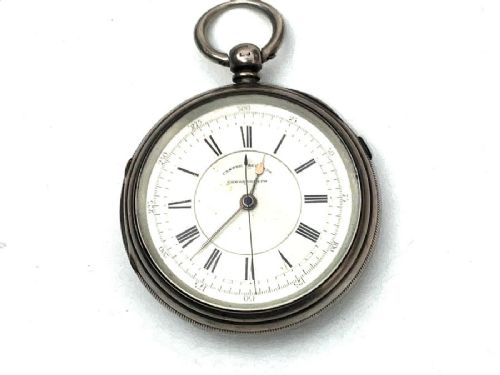
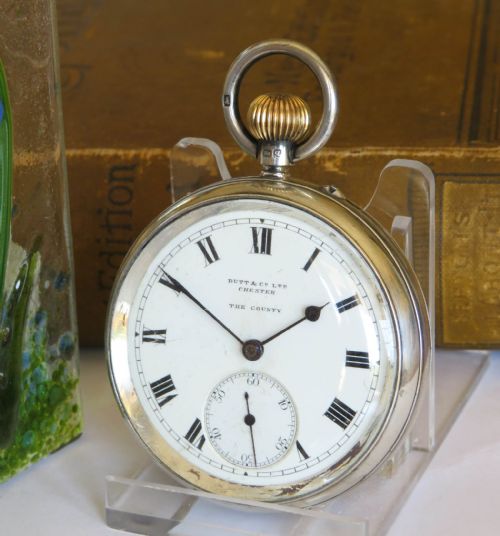
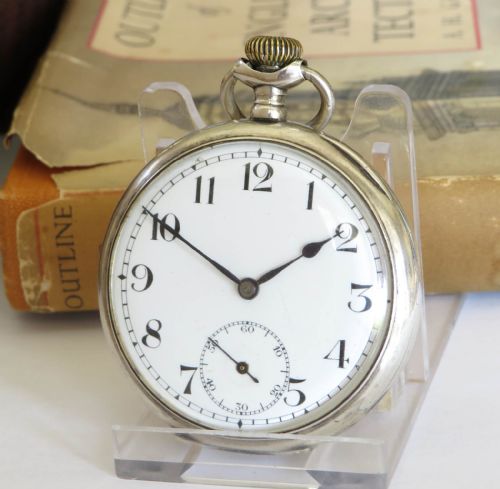
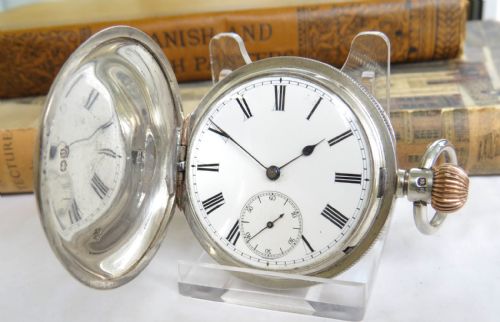
Antique Sterling Timepiece
An antique sterling timepiece brings portable or desk-bound precision to daily life, spanning pocket watches, carriage clocks, and desk pieces crafted in silver.
Antique Sterling Timepiece
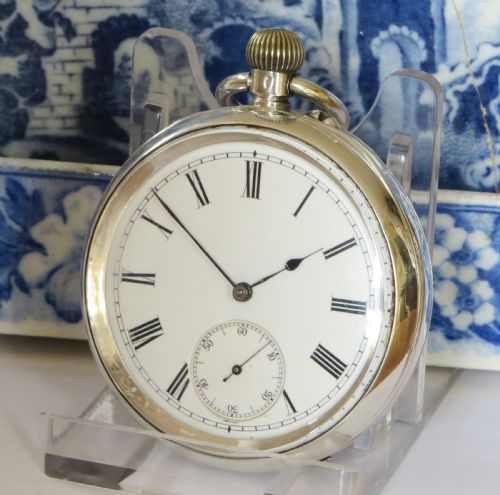
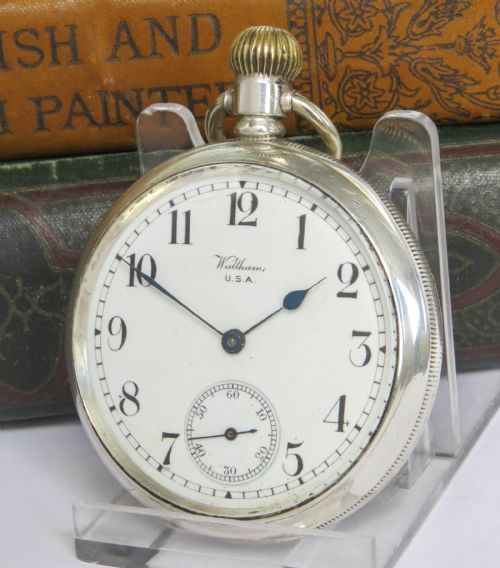
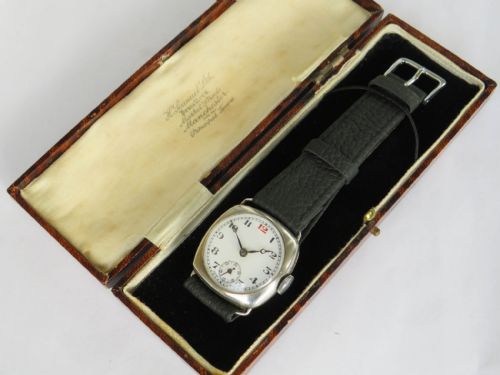
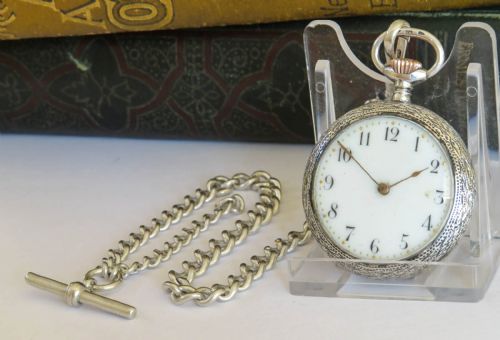
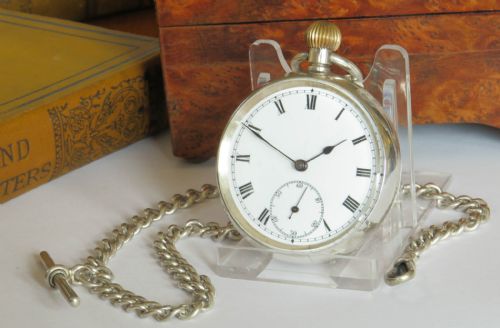
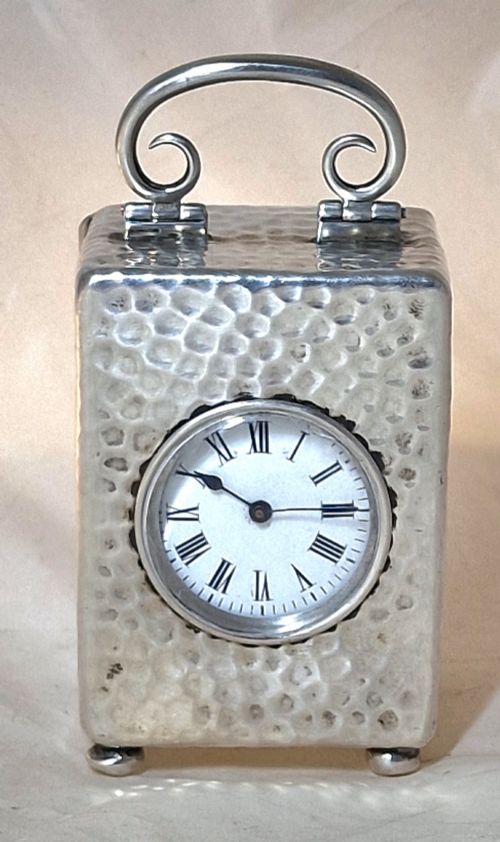
Every antique sterling timepiece encompasses a variety of portable and desk-bound instruments designed to measure hours accurately, ranging from pocket watches and wristwatches to mantel clocks and carriage clocks. The items appearing in this selection reflect these practical forms alongside specialised travel clocks and boudoir timepieces.
The objects span multiple eras, most frequently originating in the Victorian, Edwardian, and Art Deco periods, with occasional pieces from the late nineteenth and early twentieth centuries. Pocket watches and carriage clocks dominate the range, supplemented by desk clocks and miniature boudoir pieces.
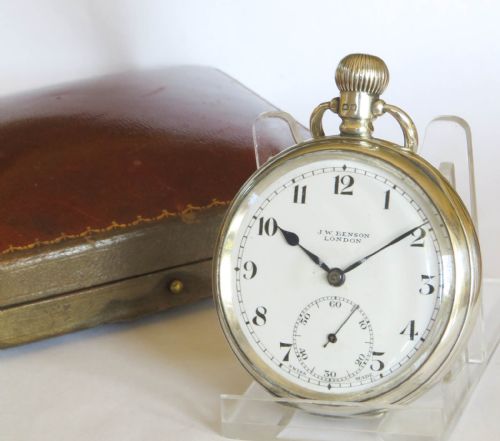
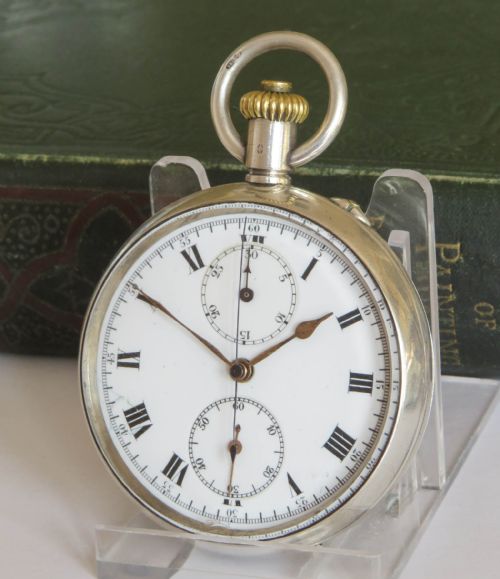
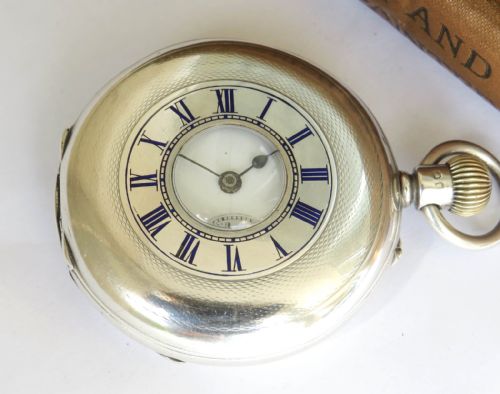
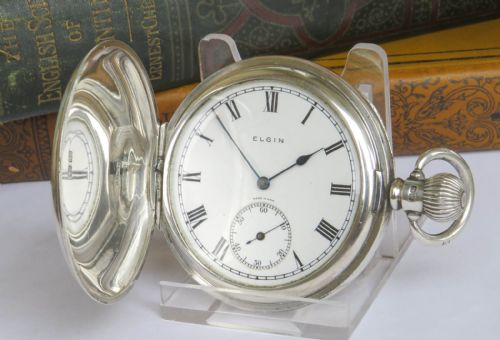
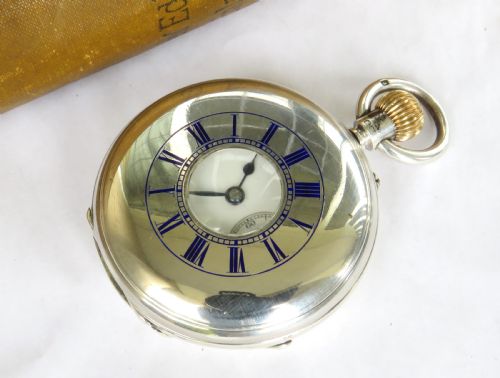
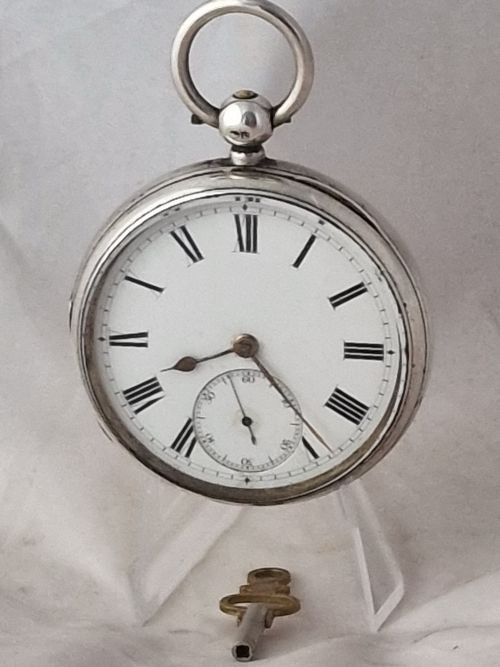
Origins stretch across British workshops and makers, utilising sterling silver cases, silver fronts, and hallmarked metals. Buyers encounter standard pocket watches alongside specialised chronograph, half hunter, and full hunter designs.
How they were made
Makers housed precision mechanical movements inside sterling silver and solid silver cases, frequently pairing the metal with glass crystals to protect the dial. Desk and carriage clocks incorporated silver fronts or solid silver housings, sometimes embellished with enamel or guilloche work.
Movements relied on brass, steel, and internal gear assemblies, while travel clocks and pocket watches often included leather cases for protection. Artisans applied hallmarks to designate the silver standard and assay office origin.
Antique Sterling Timepiece Retail Price Guide 2026
Typical asking prices for sterling timepiece among the pieces listed under this phrase on Sellingantiques today, from the lower quarter to the upper quarter. They describe what is for sale here now, not the wider market.
Oddfellows society pocket watches keep temporal tabs on fraternal brotherhood long after the lodge meetings end.
What varies in quality
Quality rests in the precision of the movement and the integrity of the silver case, where crisp hallmarks and unpolished metal indicate superior preservation. Maker attribution, such as signed dials from recognised watchmakers or retailers, elevates certain pieces above standard production.
The complexity of the mechanism also separates standard models from advanced examples, distinguishing basic time-only pocket watches from chronographs and fusee movements. Decorative execution, including fine enamel work or architectural case design, marks the upper tier of mantel and desk clocks.
J W Benson·Mappin & Webb·William Comyns·Liberty's London
The Antique Sterling Timepiece Glossary
- Sterling silver
- A silver alloy containing substantial pure silver by mass, forming the primary case material for these timepieces.
- Half hunter
- A pocket watch featuring a case lid with a glass or open centre window, permitting time reading without opening the cover.
- Fusee
- A conical pulley mechanism designed to maintain even tension on the watch chain as the mainspring unwinds.
- Carriage clock
- A small, portable spring-driven clock originally designed for travelling, enclosed in a brass or silver frame with glass panels.
- Guilloche enamel
- A decorative technique where intricate patterns are engine-turned beneath translucent enamel layers.
Antique Sterling Timepiece: Frequently Asked Questions
How do I wind a mechanical pocket watch?
Mechanical pocket watches require turning the crown or using a key depending on the age and movement type. Care must be taken not to overwind the mainspring.
Regular handling keeps the internal mechanical oils distributed and maintains accurate timekeeping.
What is the difference between a carriage clock and a mantel clock?
Carriage clocks are typically smaller, portable timepieces housed in glass-paneled metal frames with a carrying handle on top. Mantel clocks are larger, heavier stationary objects designed to sit on a fireplace shelf.
Both categories utilise spring-driven movements enclosed in decorative housings.
How can I date my silver timepiece?
British silver timepieces display hallmarks stamped directly into the metal case, including assay office marks and date letters. These official stamps provide precise years for hallmarked items.
Stylistic cues such as Art Deco geometric forms or Edwardian floral motifs offer additional context when hallmarks are absent.