
Antique Sterling Silver Collectable
These antique sterling silver collectable pieces span Georgian, Victorian, Edwardian and mid-century periods, offering functional objects and novelties shaped from silver, enamel and glass.
Antique Sterling Silver Collectable
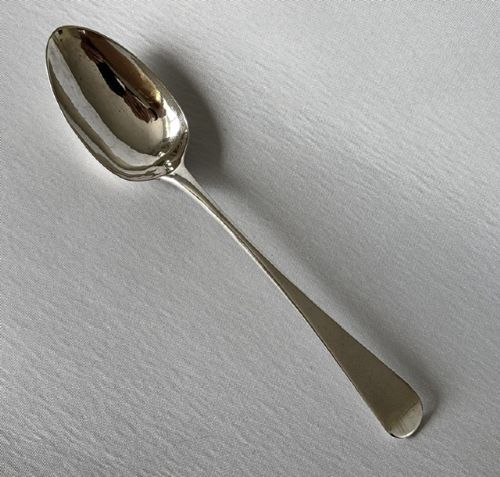
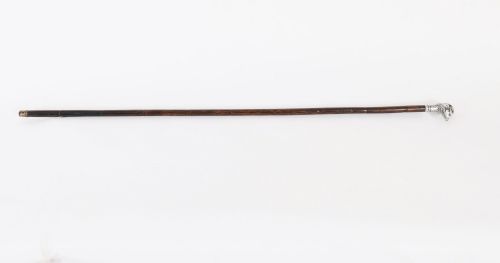
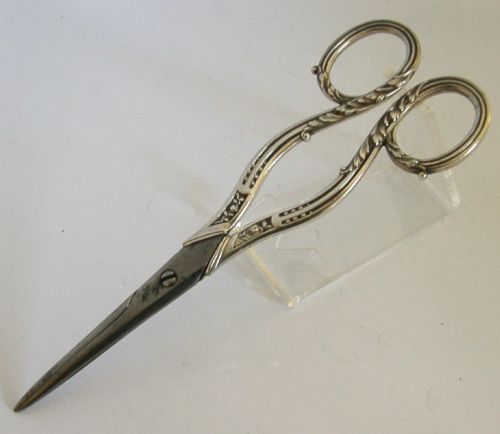
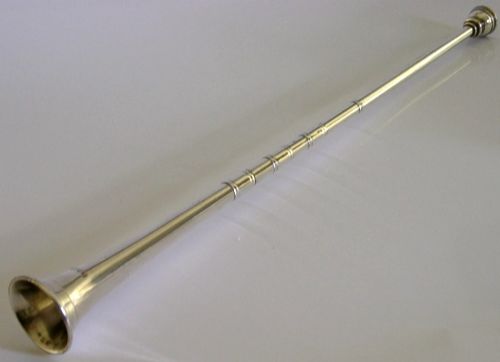
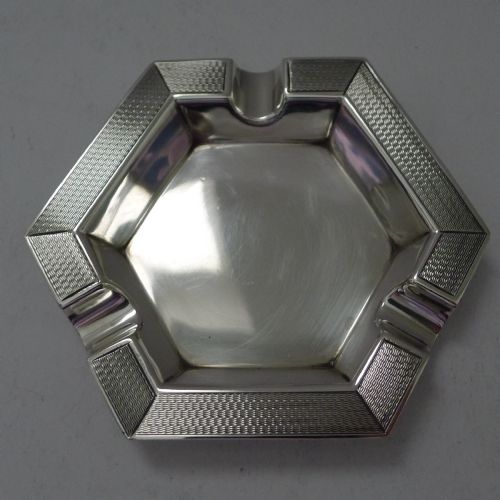
The selection includes dining utensils like caddy spoons and tablespoons, alongside pocket watches, walking stick handles and desk items such as ashtrays and gavels. These items reflect the domestic and personal habits of past eras, often combining practical utility with whimsical design.
How they were made
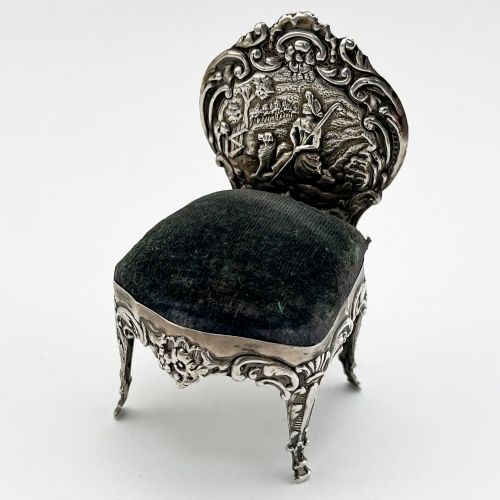
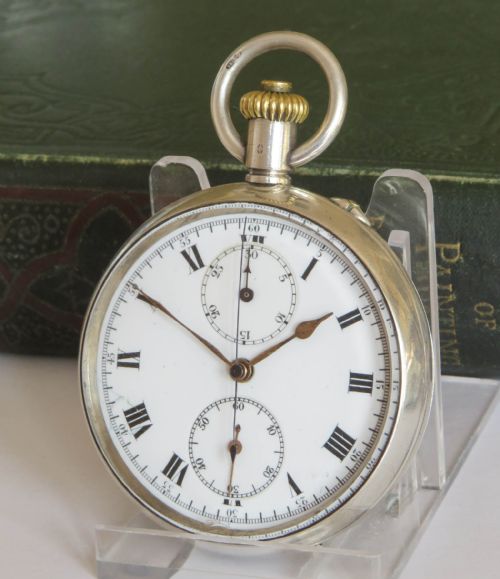
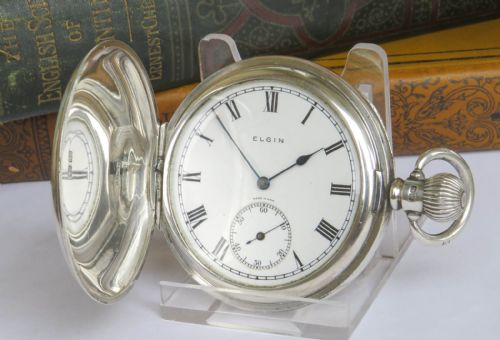
Makers shaped sterling silver through casting, embossing and hand-engraving, frequently incorporating materials such as velvet, glass, fabric and steel within items like pin cushions, travelling medical kits and pocket watches.
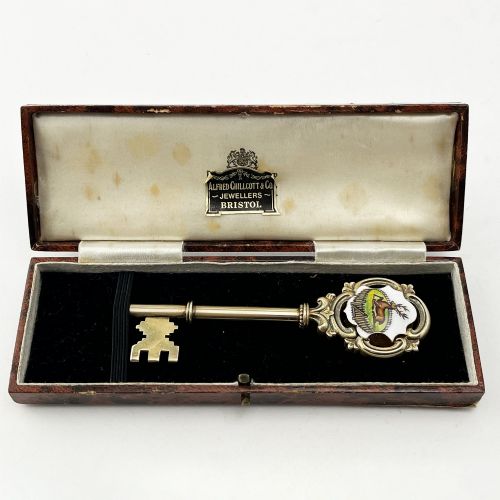
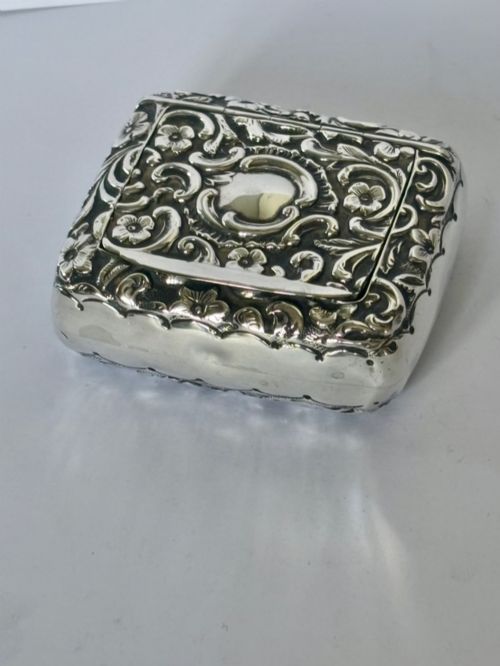
Vibrant polychrome enamel often decorates surfaces on thimbles, keys and vesta cases, while selective use of silver gilt adds contrasting golden tones to interior surfaces of snuff boxes and vinaigrettes.
Victorian silversmiths transformed everyday sewing tools into miniature brass-bound buckets and cheeky monkeys.
What varies in quality
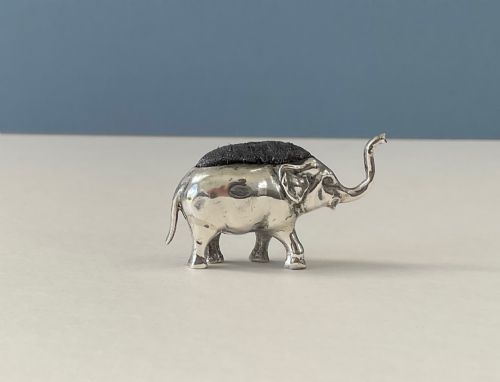
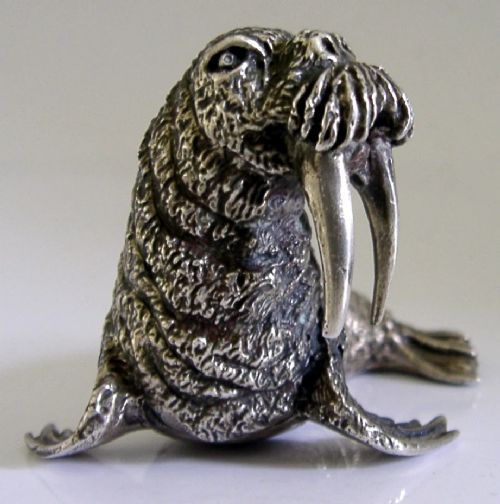
Quality rests upon the crispness of the chased or embossed detail and the precision of the silversmith's marks stamped into the metal. Figural novelties like animal pin cushions or novelty chairs display varying degrees of sculptural realism and anatomical detail.
The survival of fragile secondary materials, such as undamaged enamel on sewing thimbles or intact velvet pads on pin cushions, separates standard surviving items from finer examples.
Peter and Jonathan Bateman·Sampson Mordan·William Neale·Henry Matthews·Tiffany and Company·Adie and Lovekin·David Andersen·Dee and Fargus·Hugh Brown·Edward Smith
The Antique Sterling Silver Collectable Glossary
- Vesta case
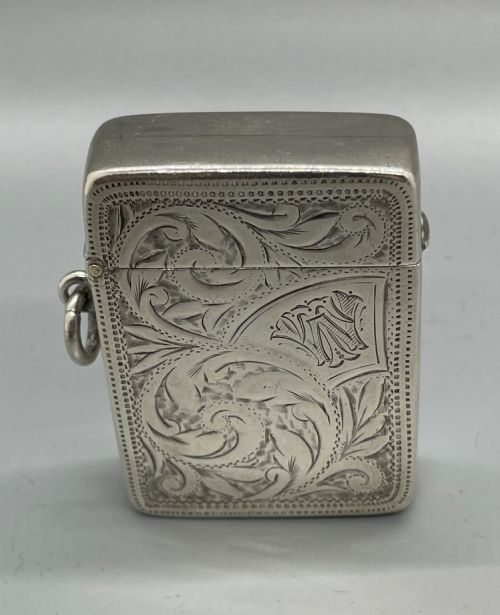
- A small portable container designed to hold matches, typically hinged with a striking surface on the base. These cases often feature engraved scrollwork or figural enamel decoration.
- Vinaigrette
- A small ornamental box containing a perforated grille, originally holding a sponge soaked in aromatic vinegar. These pieces are frequently formed in sterling silver with gilt interiors.
- Caddy spoon
- A small short-handled spoon specifically designed for measuring tea leaves from a storage caddy. They appear in various regional British silver designs.
- Silver gilt
- Sterling silver that has been coated with a thin layer of gold on its surface. This technique protects the underlying silver from tarnishing in specific areas like box interiors.
- Novelty silver
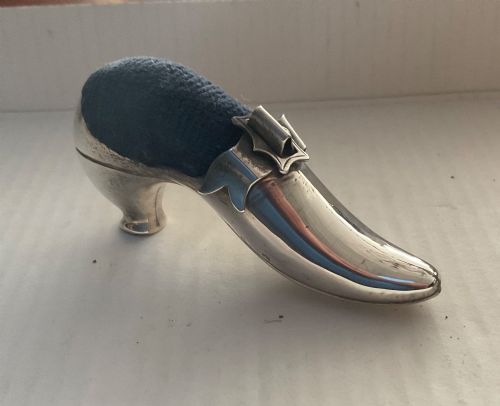
- Items fashioned into unexpected, humorous or figural shapes while retaining a practical function. Examples include pin cushions shaped as railway lamps or animals.
Antique Sterling Silver Collectable: Frequently Asked Questions
How do I clean tarnished sterling silver?
Gentle washing in warm soapy water using a soft cloth removes everyday dirt without harming delicate surfaces. Avoid abrasive dips that strip away historic patination.
For pieces with enamel or fabric elements like velvet pin cushions, keep moisture away from the inserts to prevent permanent staining or structural loosening.
How are silver date letters read?
British assay offices stamped specific alphabetical letters corresponding to the year an item was tested and hallmarked. Checking these marks against regional assay office charts reveals the exact year of manufacture.
Additional sovereign heads or maker's marks often accompany these date letters, confirming the origin city such as London, Birmingham or Chester.
Can I use antique pocket watches daily?
Mechanical pocket watches from the Victorian and Edwardian eras require careful handling and regular servicing by a horologist to maintain accurate timekeeping. Modern daily wear places stress on delicate vintage internal gears.
Wind them gently at consistent times and protect them from moisture and sudden impacts to preserve their working condition.