




Hallmarked Silver Miniature
These hallmarked silver miniature pieces bring small-scale silverwork into daily display, offering fine detail and traditional craftsmanship.
Hallmarked Silver Miniature
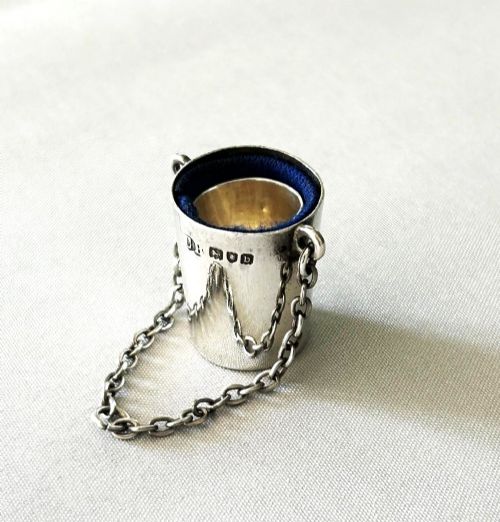
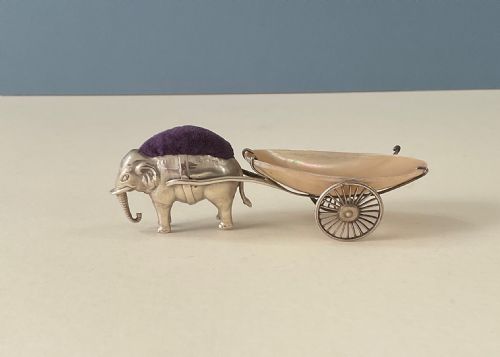
When searching for hallmarked silver miniature items, collectors examine small decorative and utilitarian objects made from sterling silver. These pieces range from novelty items like pin cushions and thimble buckets to functional timepieces such as carriage clocks and desk accessories.
The selection includes items from the Victorian and Edwardian eras through to the 1930s. Miniature carriage clocks, small silver bowls, photo frames, and novelty animals form the most common versions met on this page.
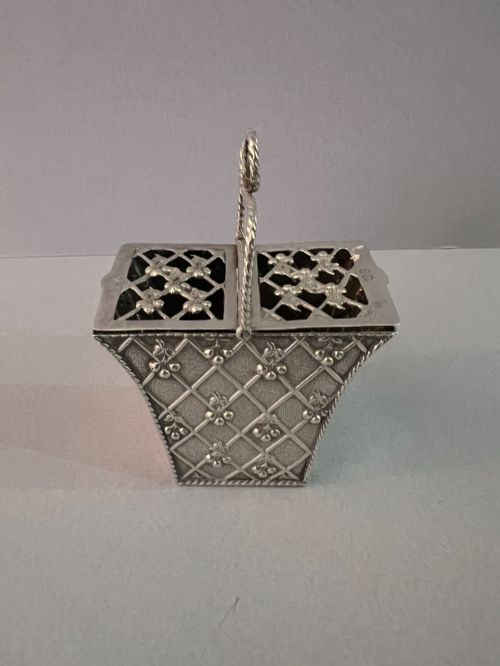
Originating largely from British workshops and assay offices, these objects demonstrate the period skill in scaling down domestic silver forms. Buyers find everything from delicate sweatmeat baskets to miniature folding chairs on plinths.
How They Were Made
Silversmiths utilised sterling silver alongside supportive media such as wood, velvet, glass, shell, and silk to construct these miniature items. Cast silver birds and animals required detailed moulding, while clocks and photo frames combined metalwork with glass fronts and textile linings.
Hammered techniques appear on carriage clock cases, and enamel work adds colour to Arts and Crafts pieces. Each item bears hallmarks that denote the standard of silver and the assay office responsible for testing.
Miniature silver goats and thimble buckets prove that Victorians liked their sewing gear with a generous dose of theatre.
What Varies in Quality
The distinction between standard and superior pieces rests on the crispness of the cast or hammered details and the legibility of the hallmarks. Finer examples retain sharp chasing on novelty forms like miniature goats or trowel bookmarks without smoothing from over-cleaning.
Integration of secondary materials also influences the piece, such as the condition of the original leather cases for carriage clocks or the intact nature of enamel panels on presentation chairs.
Henry Matthews·Berthold Muller·Liberty's London
The Hallmarked Silver Miniature Glossary
- Hallmark
- Official marks stamped on precious metal items to guarantee the purity of the silver. These stamps typically include the maker's mark, assay office symbol, and date letter.
- Sterling silver
- An alloy of silver containing ninety-two point five percent silver and seven point five percent other metals, usually copper. This standard is universally applied to British hallmarked silver.
- Novelty silver
- Silver objects shaped to resemble everyday non-silver items, animals, or humorous subjects. Victorian and Edwardian makers produced many pin cushions and small containers in this manner.
- Assay office
- An official body that tested and marked the purity of precious metals. Towns such as London, Birmingham, and Chester operated prominent offices.
Hallmarked Silver Miniature: Frequently Asked Questions
What periods do these silver miniatures cover?
The available pieces span from the late nineteenth century through the Edwardian period into the 1930s. Victorian examples sit alongside Edwardian novelties and later Arts and Crafts items.
Assay dates and style markers help place each piece within this broader timeline of British silver production.
How were miniature carriage clocks used?
These small timepieces served as portable clocks for desks, dressing tables, or travel during the Victorian and Edwardian eras. They combined functional clockwork movements with decorative sterling silver exterior cases.
Many retain their original leather cases or folding stands designed for display.
What are novelty silver pin cushions?
Novelty silver pin cushions take whimsical forms such as animals, birds, or household objects cast in solid silver. A fitted velvet or silk cushion holds sewing pins within the metal structure.
Victorian and Edwardian makers produced these as both decorative desk items and functional sewing accessories.
How do I identify a silver hallmark?
Hallmarks consist of a series of small stamped symbols impressed directly into the silver surface. They reveal the maker, the assay office, and the specific year the piece was tested.
A magnifying glass helps read these tiny stamps on miniature items.