
Antique Sterling Serving Spoons
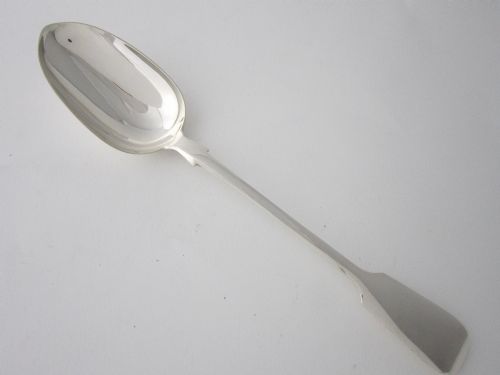
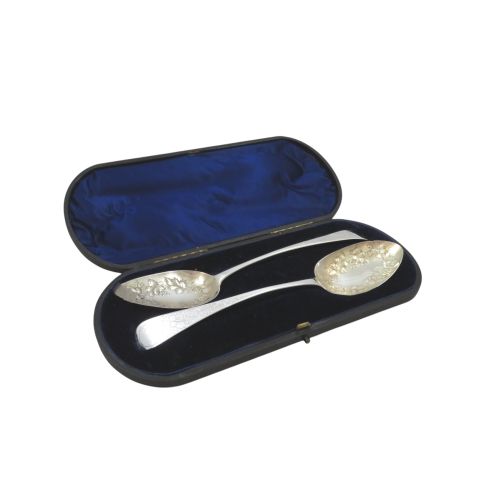
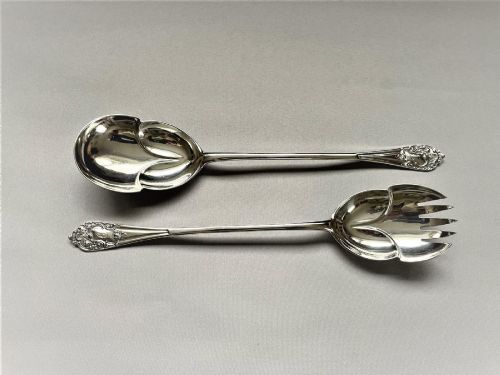
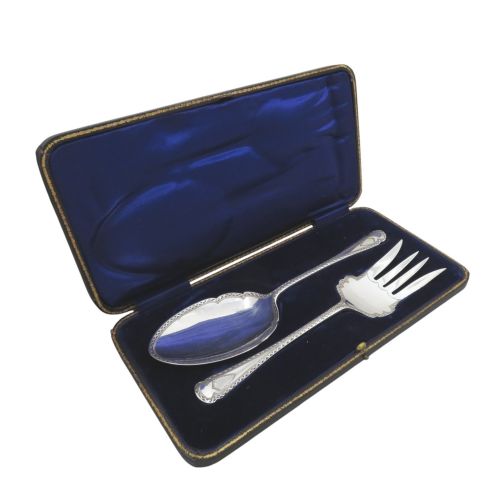
These antique sterling serving spoons span grand Georgian basting pieces, ornate Victorian berry sets and clean Edwardian salad servers.
Antique Sterling Serving Spoons
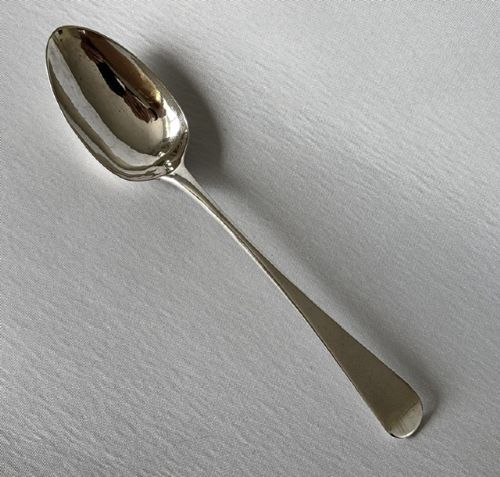
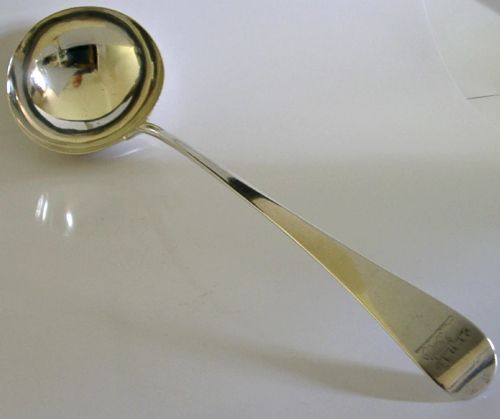
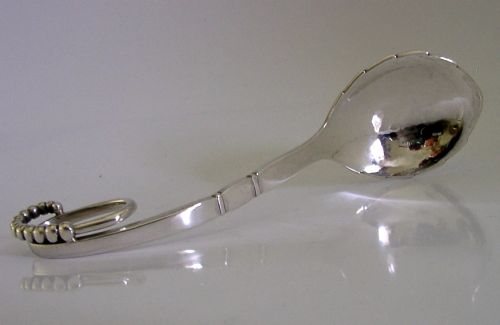
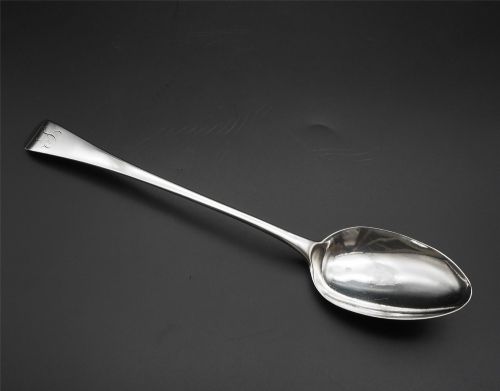
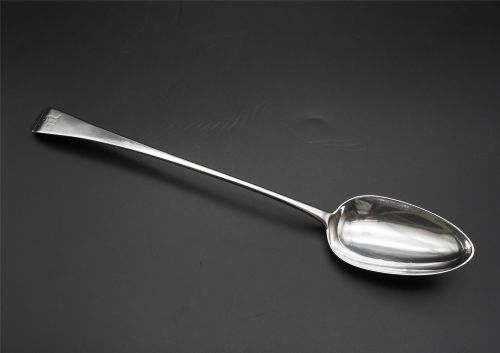
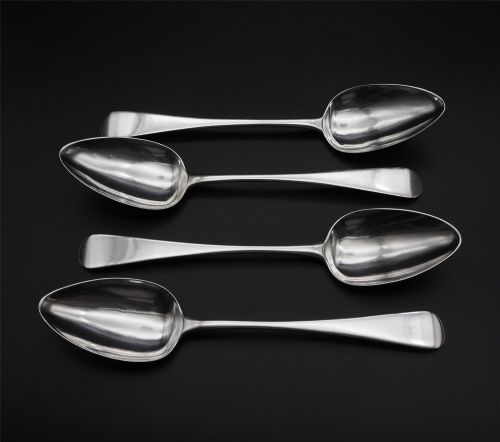
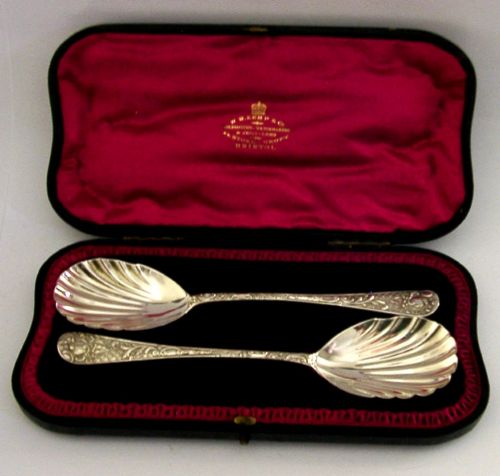
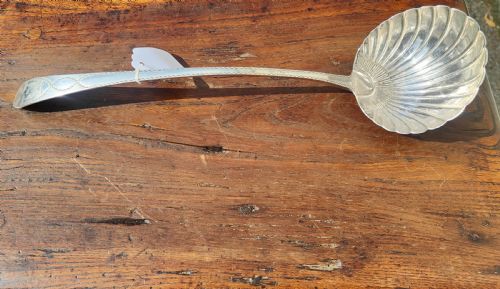
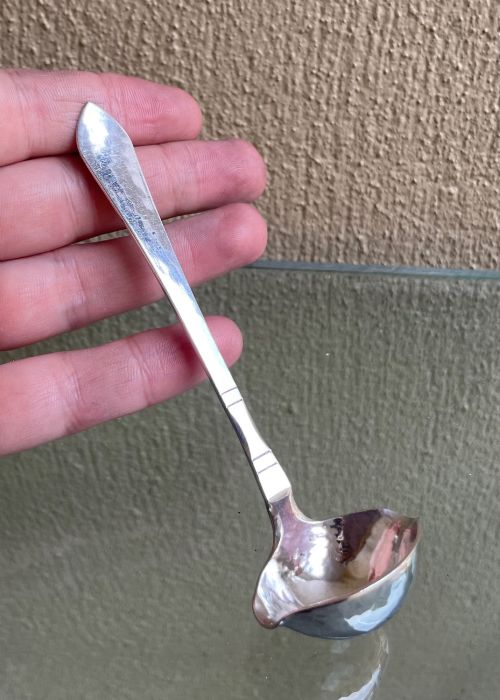
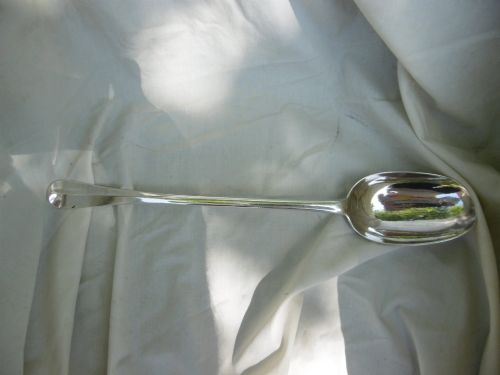
Antique sterling serving spoons encompass a wide range of large utensils designed for the dining table, including heavy basting spoons, hash spoons, sauce ladles and salad servers. Collectors frequently encounter Georgian examples featuring embossed fruit work alongside matched pairs from the Victorian and Edwardian eras housed in fitted presentation cases lined with velvet, silk or satin.
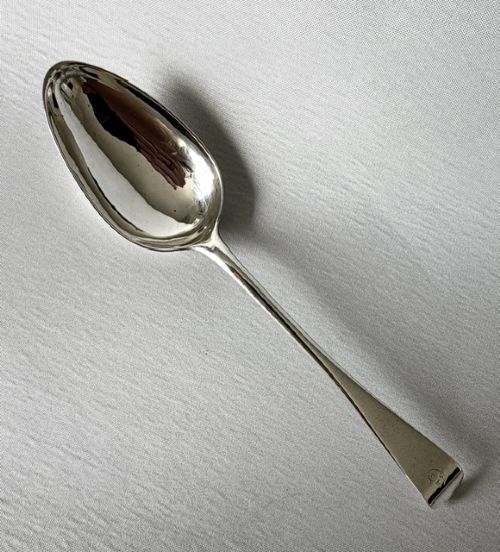
The form evolved from practical 18th-century implements used for portioning meat and vegetables into specialised 19th-century tableware like preserve spoons, marrow scoops and berry spoons with gilded bowls. Many pieces retain family crests or monograms engraved into the handles, marking their original commissioned use by landed estates and affluent households.
How They Were Made
Silversmiths forged these utensils primarily from sterling silver, shaping the bowls and handles by hand before applying punch marks for city hallmarks, date letters and makers' marks. Later 18th and 19th-century production frequently employed silver gilt finishes, where a thin layer of gold was applied over the silver base of berry spoons to create a two-tone decorative effect.
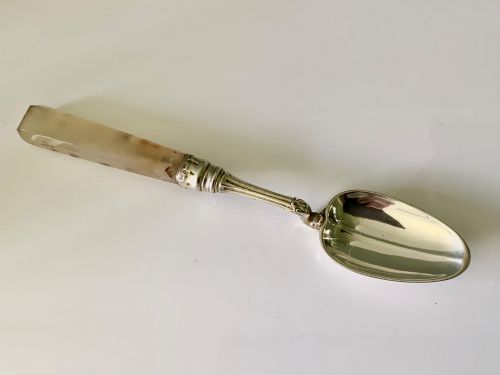
Specialised serving pieces integrated alternative elements, pairing silver bowls with handles carved from agate, glass or organic materials attached via secure collars. Fitted presentation boxes utilised wooden frames covered in leatherette and lined with soft fabrics to protect the polished metal and delicate parcel-gilt surfaces during storage.
Several Victorian dining sets feature specialised silver spoons designed explicitly to serve bride and groom wedding cake.
What Varies in Quality
The distinction between standard utensils and premier collector pieces rests heavily on the crispness of the chasing and the prominence of the maker. Master silversmiths achieved deep, detailed relief work on fruit and foliage motifs, whereas lower-tier pieces display shallower, machine-pressed embellishments.
Completeness and original provenance significantly elevate a set, particularly when spoons remain in their matching fitted cased sets accompanied by legible hallmarks from provincial assay offices or notable makers. Weight and gauge also dictate caliber, with heavier basting spoons and substantial hash spoons demonstrating superior structural integrity compared to thinner, more flexible variants.
Peter & Jonathan Bateman·Hester Bateman·Georg Jensen·Andrew Archer·John Craig·William Comyns·Jonathan Hayne·Peter & Anne Bateman·William Chawner II·R Hennell
The Antique Sterling Serving Spoons Glossary
- Hallmark
- Official stamps struck into precious metal to indicate the standard of silver, the assay office of origin, and the active year. These marks provide the primary method for dating English and Irish provincial silverware.
- Berry spoon
- A large serving spoon retrofitted during the Victorian era with chased and embossed fruit and foliage decorations upon the bowl. The original plain bowl was often gilded to enhance the newly carved Victorian design.
- Basting spoon
- An exceptionally long utensil originally utilised in the kitchen or at the table for scooping pan juices over roasting meat. These heavy implements form some of the largest flatware pieces collected today.
- Parcel gilt
- A decorative technique where selected areas of a silver object receive a thin coating of gold. This process highlights specific design elements such as the interior of a spoon bowl or engraved handle details.
- Rat tail
- A traditional strengthening tongue of metal extending down the reverse of a spoon bowl from the handle join. This feature appears frequently on early 18th-century silver flatware.
Antique Sterling Serving Spoons: Frequently Asked Questions
What is the difference between a basting spoon and a serving spoon?
Basting spoons are notably longer and heavier, originally designed for kitchen tasks or spooning juices over large joints of meat at the table. Serving spoons are generally shorter and proportioned specifically for transferring vegetables or dessert portions.
Heavier basting variants often feature extended handles reaching past thirty centimetres to protect the user from heat. Standard serving spoons remain balanced for passing among guests during formal dining.
How do I identify berry spoons from original Georgian pieces?
Many berry spoons began as plain 18th-century serving spoons that were later embellished by Victorian silversmiths who added chased fruit and leaf designs. The underlying hallmark usually predates the ornate surface decoration by several decades.
Examining the bowl reveals whether the stippled fruit work disrupts the original maker mark or stretches the thin silver too far. True Georgian pieces without later Victorian modifications retain their original plain or crested profile.
Were these spoons always sold in pairs?
While many survive as matched pairs or larger cased sets, individual serving spoons were frequently purchased separately according to a household needs. Families often commissioned single ladles or hash spoons to match existing flatware services.
Fitted presentation cases lined with silk or velvet became increasingly popular during the Victorian and Edwardian periods for protecting pairs or sets of dessert utensils. Single pieces from the 18th century more commonly emerged without dedicated boxes.