
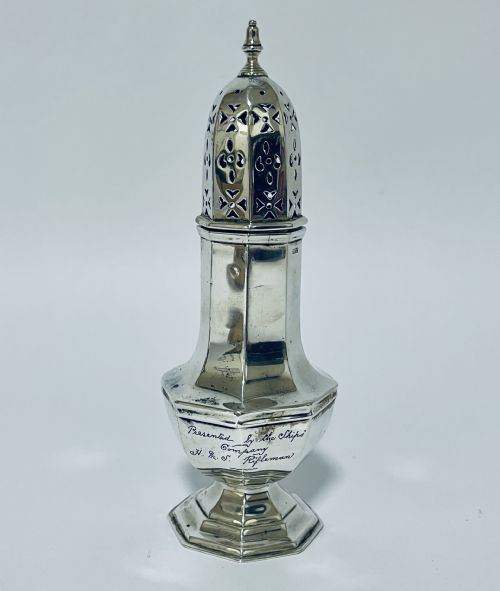


Antique Sterling Pepper Shakers
Antique sterling pepper shakers bring form and silver weight to the table, spanning Georgian casters to Victorian animal novelties.
Antique Sterling Pepper Shakers
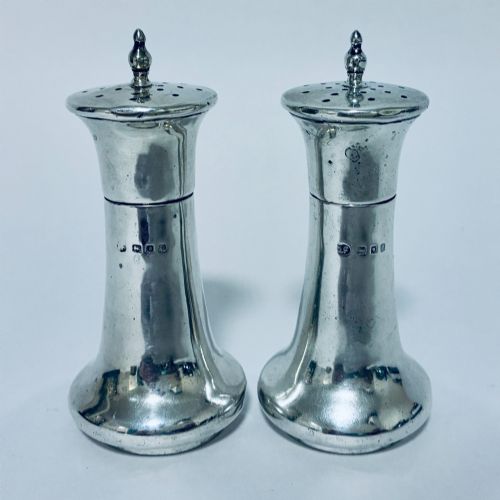
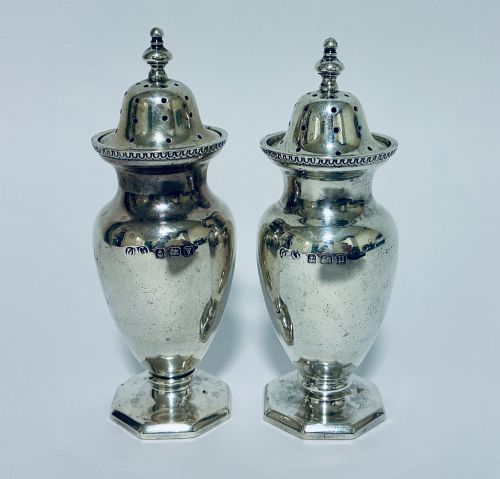
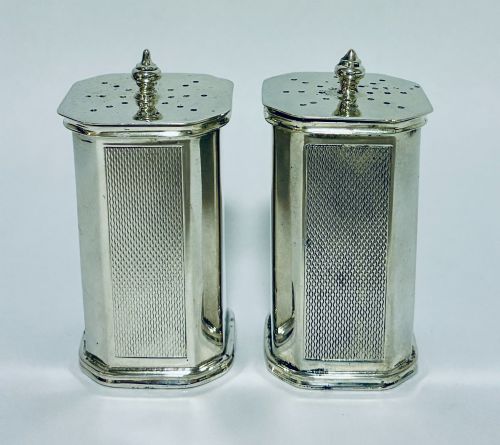
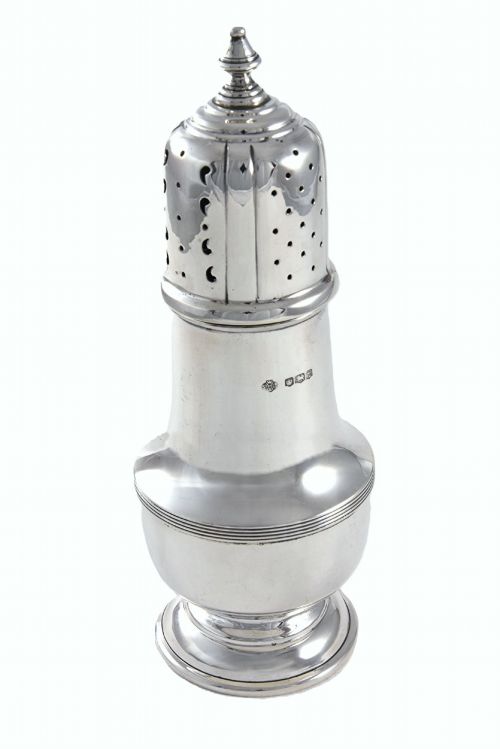
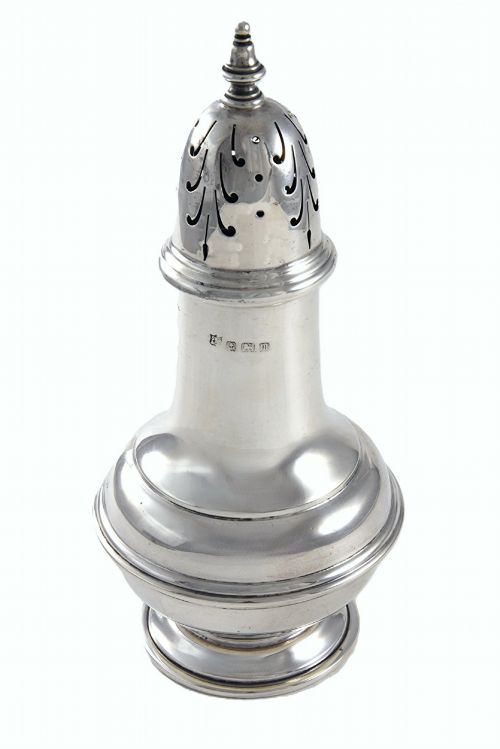
When you search for antique sterling pepper shakers, you encounter a range of tablewares designed for seasoning, from diminutive pepperettes to substantial sugar casters and matched cruet sets. The selection spans domestic dining wares produced across the Georgian, Victorian, and Edwardian periods, extending through the 1920s and 1930s.
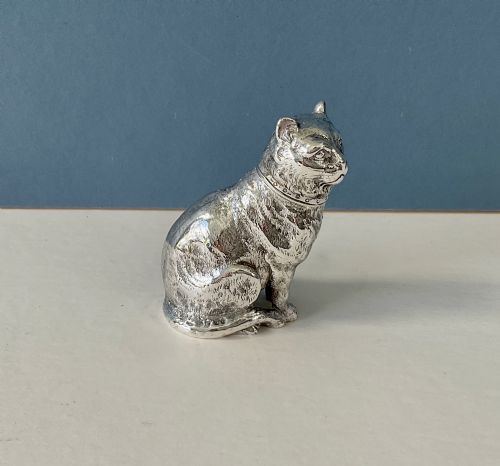
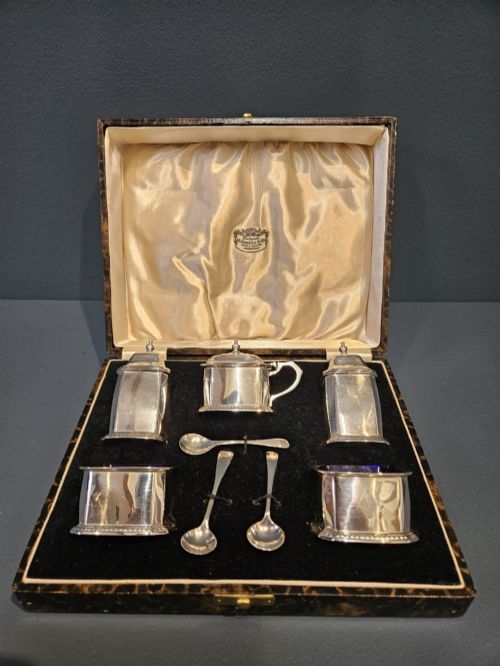
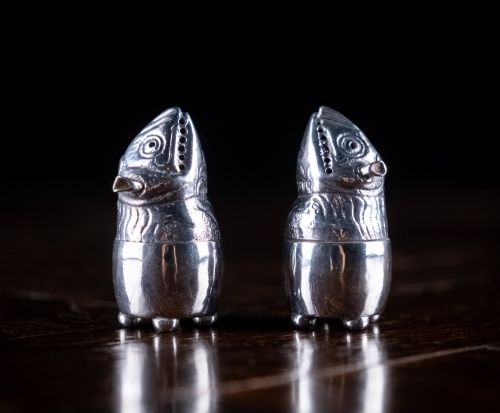
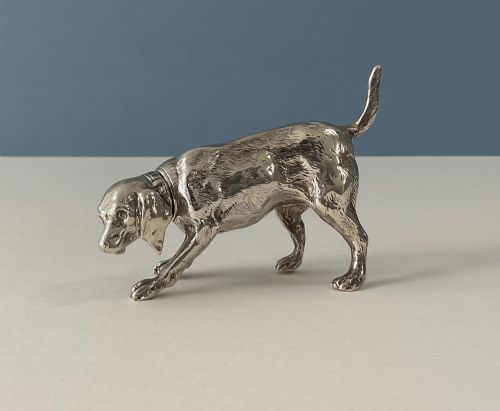
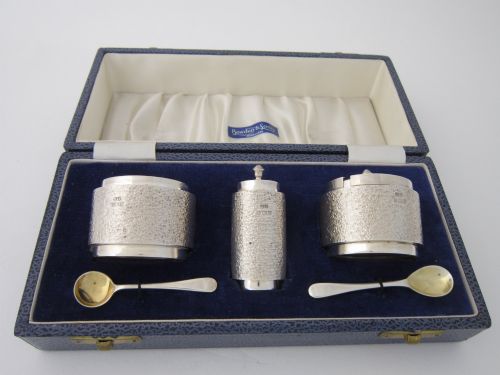
You meet simple pairs of pepper pots alongside sculptural novelty forms modelled as owls, chicks, dogs, cats, and grotesque figures. Individual casters and muffleers also appear, alongside larger multi-piece condiment sets that group mustard pots and salt tubs together with the shaker.
The objects originate primarily from British workshops, carrying hallmarks from London, Birmingham, and Sheffield that anchor their production dates across the eighteenth, nineteenth, and twentieth centuries.
Materials and Technique
The pieces are constructed predominantly from sterling silver and solid silver, occasionally accented with silver gilt interiors or paired with glass body sections. Some sets incorporate fitted presentation boxes lined with velvet or satin.
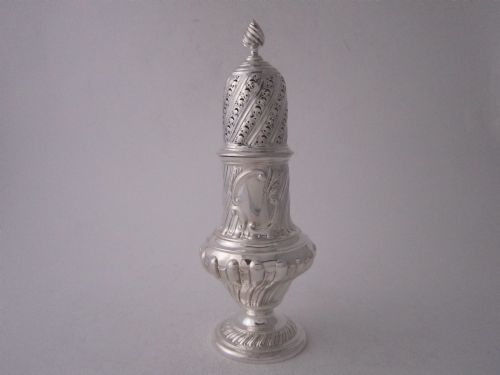
Makers utilised casting and silversmithing techniques to form the bodies, piercing the removable tops with decorative patterns to dispense the seasoning. Novelty animal and figural peppers display detailed hand-chasing and modelled surface textures applied to the silver casing.
Listings feature silver shakers spanning the Georgian, Victorian, and Edwardian eras, alongside twentieth-century George V and George VI pieces.
Distinctions in Quality
The integrity of the hallmarks and the retention of original gilding or box linings influence the standing of an item. Heavier gauge silver and fully matching multi-piece cruet sets demonstrate a higher standard of original production.
Frederick Brasted·James Dixon & Sons Ltd·James Goodwin·Sampson Mordan·Simon Pantin·Stephen Adams·Thomas Johnson·Thomas Ross·Wilmot Manufacturing Co
The Antique Sterling Pepper Shakers Glossary
- Hallmark
- Official stamps struck into the silver to indicate the standard of purity, the assay office, the maker, and the year of manufacture. These marks provide the primary evidence for dating an item.
- Caster
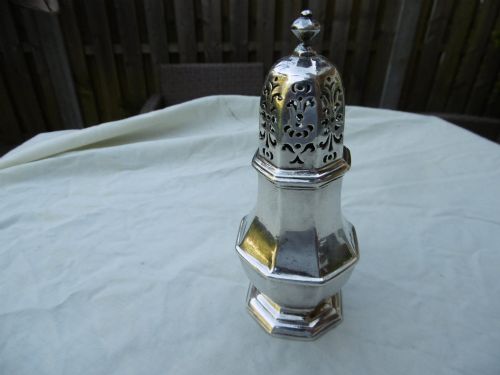
- A container with a pierced lid used for sprinkling sugar or spices over food. Early examples include tall octagonal forms and monumental Georgian pieces.
- Pepperette
- A small vessel designed specifically for dispensing ground pepper at the dining table. They frequently appear in pairs or as part of larger condiment sets.
- Cruet set
- A matched group of bottles, jars, or shakers held in a stand for condiments and sauces. They often include mustard pots and salt dips alongside the pepper shaker.
- Pounce pot
- A small perforated container used for sprinkling sand or gum sandarac over wet ink to dry it. These early forms share construction techniques with pepper shakers.
- Silver gilt
- Silver objects that have been coated with a thin layer of gold on the interior or exterior surfaces. This finish prevents the silver from tarnishing when in contact with acidic seasonings.
Antique Sterling Pepper Shakers: Frequently Asked Questions
How do I clean antique sterling pepper shakers?
Use a soft cloth and a gentle, non-abrasive silver polish to remove tarnish without wearing away the fine engraved or chased details. Avoid harsh chemical dips that can strip original patination or damage fitted velvet and satin box interiors.
Ensure the shaker is completely dry before refilling it, as trapped moisture inside the hollow body can cause internal corrosion or agglomerate the pepper.
How do I read the silver hallmarks?
Look for the stamps usually located on the base of the body or along the rim of the lid. These small stamped symbols show the lion passant for sterling standard, a city mark for the assay office, and a date letter.
Reference hallmarking guides to match the specific letter shape and shield outline to the exact year of production recorded by the assay office.
What caused the popularity of novelty animal peppers?
Victorian dining culture favoured humour and conversation pieces on the table, leading silversmiths to model salt and pepper pots as owls, dogs, and chicks. These figural designs combined amusement with practical function during formal courses.
Advances in casting techniques allowed workshops to produce highly detailed anatomy and textured feathers that appealed to contemporary collectors.