


Antique Sterling Jug
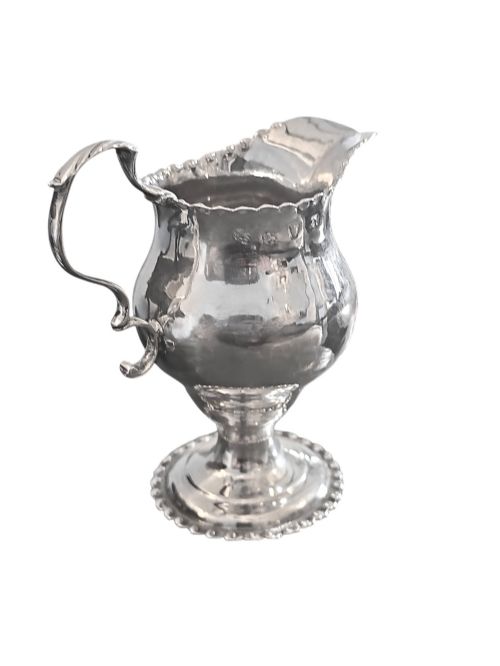
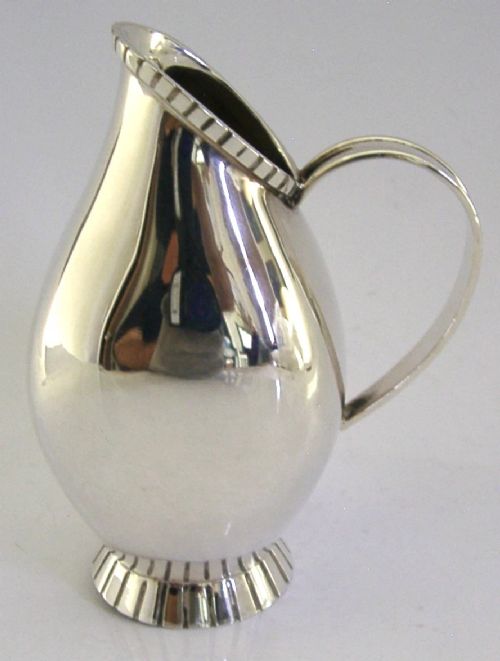
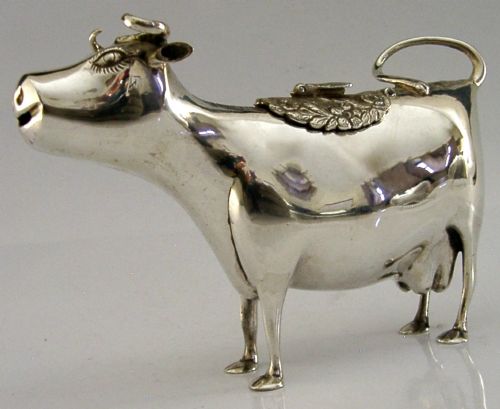
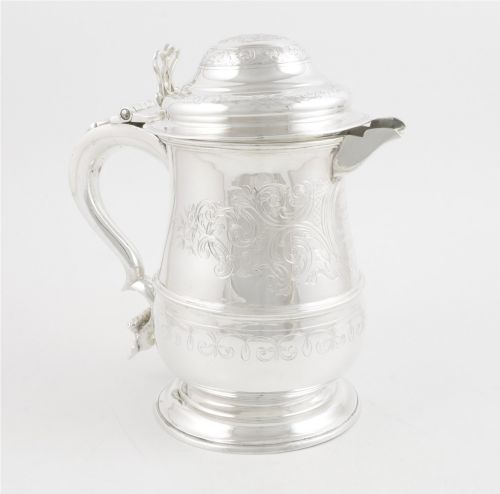
An antique sterling jug brings weight and bright polish to the table, taking many forms from Georgian cream vessels to tall Victorian claret holders.
Antique Sterling Jug
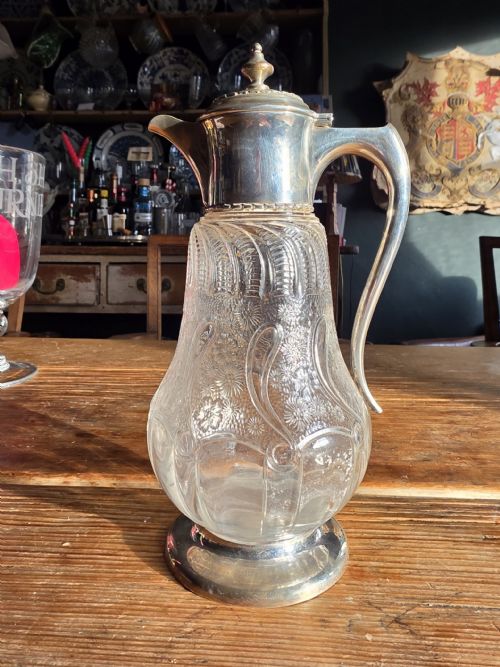
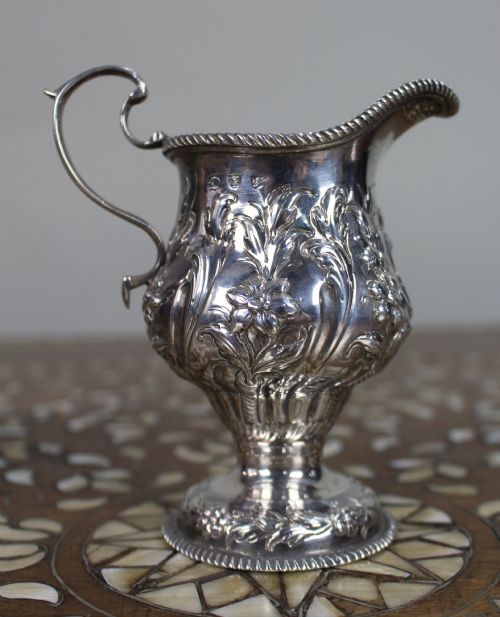
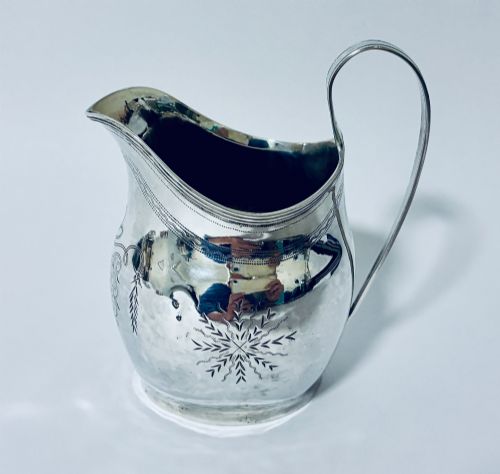
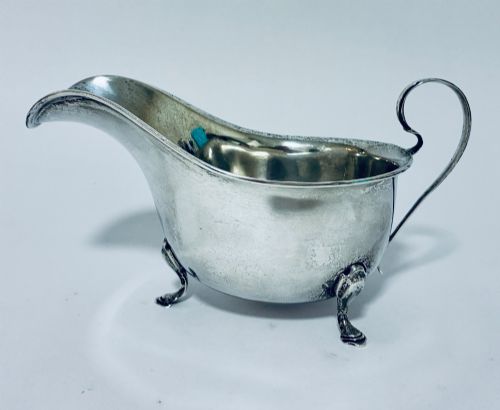
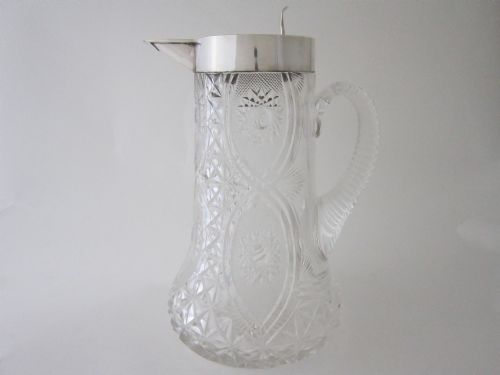
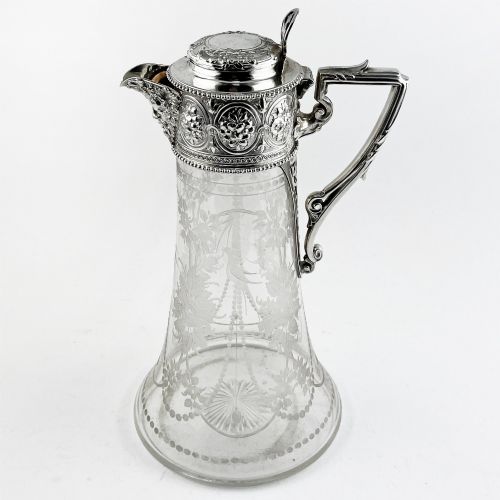
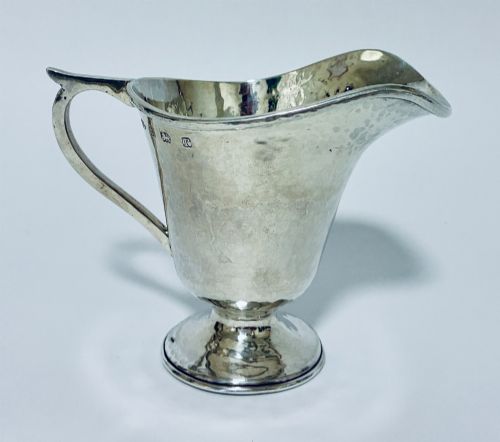
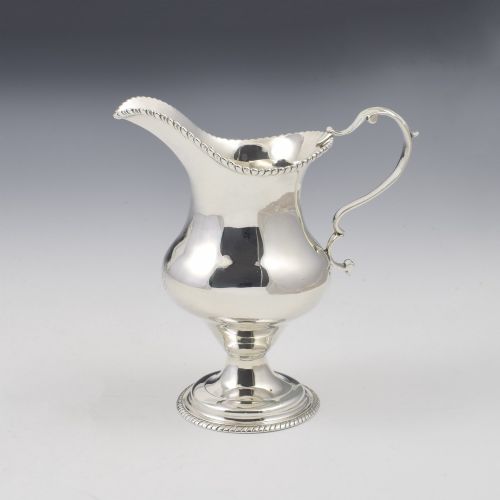
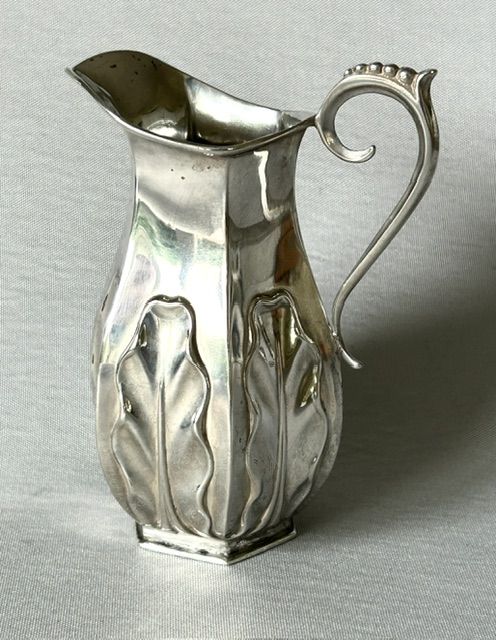
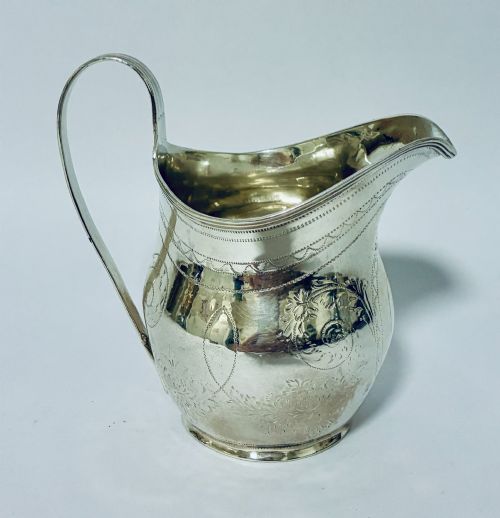
An antique sterling jug encompasses a diverse range of vessels designed for pouring cream, milk, water, wine, and spirits across several centuries. The selection on this page leans heavily towards small cream and milk jugs, alongside sauce boats, decanters, and claret jugs.
Pieces span from the Georgian and 18th Century periods through Victorian, Edwardian, and Art Deco eras, reflecting shifting domestic habits. Form follows function closely, with sturdy handles and well-formed spouts created for daily use at the dining table or tea service.
Materials and construction methods
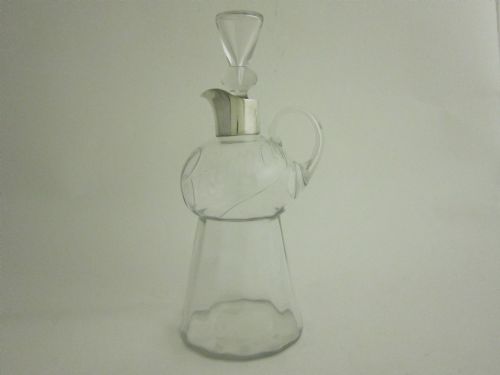
Silversmiths constructed these vessels using solid sterling silver, often hammering, casting, or raising the metal into footed ewers, sauce boats, and panelled bodies. Many examples combine sterling silver mounts, collars, and hinged lids with cut glass, cut crystal, engraved glass, or stoneware.
Surface ornamentation ranges from plain polished surfaces to intricate floral engraving, gilt highlights, and applied decorative borders. Handles often incorporate insulating elements or ergonomic curves suited to pouring hot liquids or chilled wines.
Antique Sterling Jug Retail Price Guide 2026
Typical asking prices for sterling jug among the pieces listed under this phrase on Sellingantiques today, from the lower quarter to the upper quarter. They describe what is for sale here now, not the wider market.
Whisky noggins arrive equipped with tiny hinged silver caps designed to keep nocturnal drams safe from inquisitive household mice.
Distinguishing quality in silver vessels
Quality rests upon the weight of the metal, the crispness of any chased or engraved decoration, and the integrity of construction at the joints and handle attachments. Substantial gauge silver resists dents and maintains structural stability through centuries of use.
Maker marks and clear hallmarks contribute significantly to the standing of a piece, identifying regional assay offices and skilled silversmiths. The clarity of glass bodies and the secure fit of silver mounts on decanters and claret jugs further separate standard production from finer output.
William Comyns·Stalker & Mitchison·Richard Gurney·James Gordon·John Emes
The Antique Sterling Jug Glossary
- Sterling silver
- An alloy comprising a high proportion of pure silver combined with other metals to ensure durability while retaining a bright lustre. It provides the primary material for the bodies and mounts found on these items.
- Claret jug
- A large pouring vessel typically featuring a glass or crystal body fitted with a sterling silver handle, collar, spout, and hinged lid. They were specifically utilised for serving red wine at the Victorian table.
- Sauce boat
- An open container with a lip and handle, often standing on three feet or an integral oval tray, designed for holding gravies and sauces. Makers frequently styled them after mid-18th-century prototypes.
- Hallmark
- A series of stamped official marks applied to precious metals indicating the standard of purity, the assay office, and the date letter for the year of manufacture. These marks allow precise dating of British silver.
Antique Sterling Jug: Frequently Asked Questions
How do I clean an antique sterling jug?
Wash the silver gently using warm water and a mild dish soap with a soft cloth, avoiding harsh abrasive dips that strip the natural ageing.
Dry the metal thoroughly with a lint-free towel and store the vessel in a dry environment away from direct sunlight.
Can I use these jugs for serving food?
Most silver cream jugs, milk jugs, and sauce boats remain fully functional for serving liquids at the dining table today. Ensure any glass bodies are inspected for internal cleanliness before use with consumables.
How do I read silver hallmarks?
Examine the stamped symbols using a magnifying glass to locate the lion passant for sterling standard, a town mark for the assay office, and a date letter.
Reference tables compiled from regional assay records will then reveal the exact year and city where the piece was tested.
What is the difference between a cream jug and a milk jug?
Cream jugs tend to be smaller in scale, reflecting the rich, concentrated nature of cream served alongside afternoon tea or coffee. Milk jugs are generally taller and hold a greater volume of liquid for larger gatherings.