




Antique Sterling Chalice
An antique sterling chalice carries centuries of ceremony, shifting from sacred communion vessels to grand presentation trophies across Georgian and Victorian workshops.
Antique Sterling Chalice
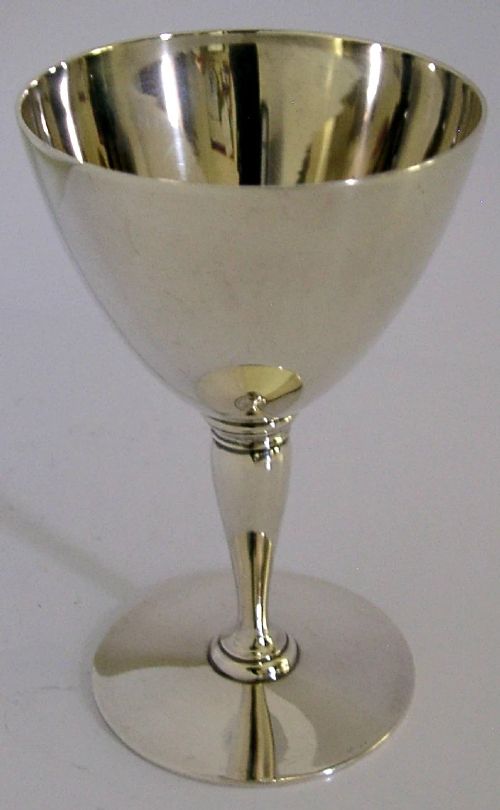
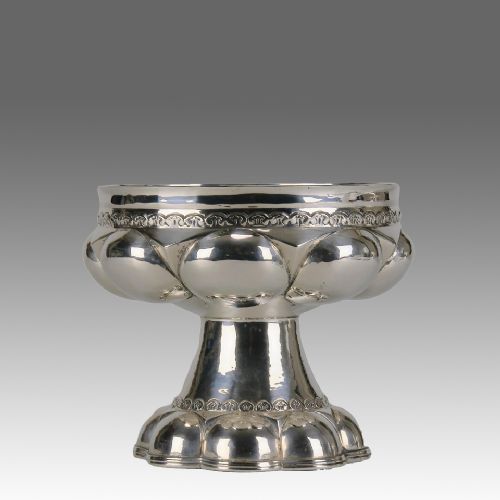
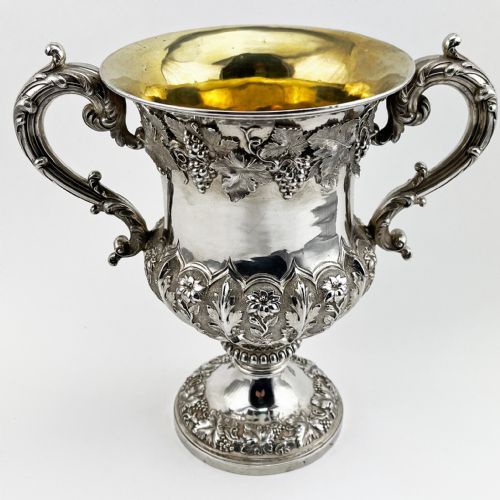
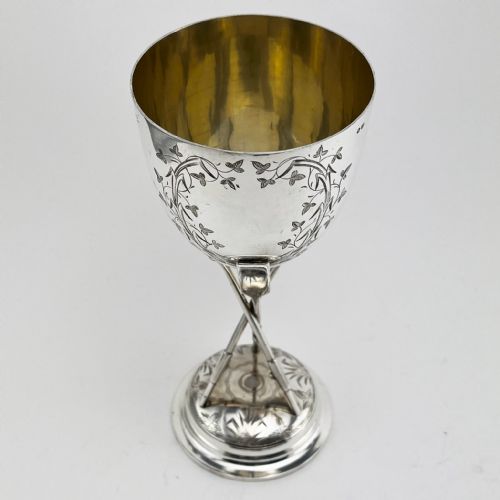
An antique sterling chalice encompasses deep liturgical vessels, secular drinking goblets, presentation trophies and commemorative cups forged from solid silver. The examples found here span from the Georgian era through the Victorian period and into the early twentieth century, reflecting varied functions from ecclesiastical rites to civic sports.
The dominant forms on this page include traditional chalices, two-handled loving cups, vase-shaped goblets, and decorative presentation cups. Makers applied styles ranging from austere Georgian bright-cut engraving to ornate Victorian parcel-gilt details and geometric Art Deco lines.
Regional variations appear across English, Irish, Scottish, and continental European workshops, alongside specific output like Chinese Export pieces and Russian Kiddush cups. Buyers encounter everything from travelling communion sets to heavy parish altar vessels and athletic trophies.
Silver and Technique
Silversmiths utilised sterling silver alongside silver gilt, vermeil, and parcel-gilt accents, occasionally incorporating glass liners, leather cases, or velvet interiors for communion sets. Objects were shaped through hammering, casting, and spinning, supported by hallmarks indicating assay offices in London, Sheffield, Chester, and Birmingham.
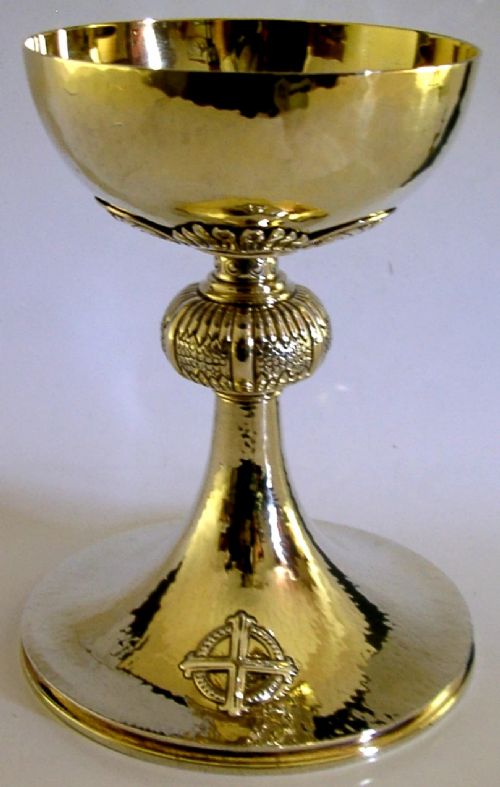
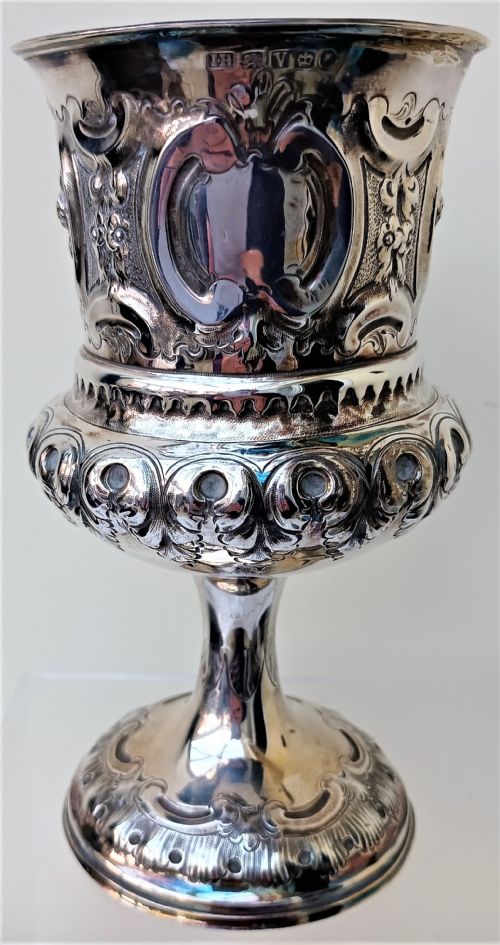
Decoration relied on hand engraving, chasing, repoussé, and bright-cut work to produce floral motifs, arabesques, coats of arms, and presentation inscriptions. Arts and Crafts pieces showcase hammered surfaces and hand-wrought details that emphasise the physical labour of the maker, while later Art Deco items favour clean geometric profiles.
Listings on this page range across multiple centuries, featuring Georgian, Victorian, and Edwardian items alongside Arts and Crafts and Art Deco forms.
Workmanship and Provenance
The standard of an antique sterling chalice rests upon the crispness of its hand engraving, the weight and gauge of the silver, and the balance of its form. Superior pieces maintain clear, legible hallmarks alongside deep, undisturbed chasing or repoussé work that has not been worn thin by excessive cleaning over generations.
Historical context and documented provenance elevate certain pieces, particularly when associated with specific historical figures, noble families, or noted silversmiths. The integrity of internal gilding, the survival of fitted cases, and the presence of original presentation inscriptions contribute to the standing of individual examples.
Nathan and Hayes·George Unite·William Eaton·James Deakin and Sons·Henry Tatton and Son·Joseph Rodgers and Sons·Thomas Sutton·Charles Hougham·Henry Holland
The Antique Sterling Chalice Glossary
- Sterling silver
- A silver alloy containing 92.5 percent pure silver by mass and 7.5 percent other metals, usually copper. This standard composition has been legally regulated in Britain for centuries.
- Parcel-gilt
- Silver objects where only specific portions, such as the interior bowl or decorative motifs, are coated in a thin layer of gold. This technique highlights particular design elements against the white silver body.
- Bright-cut engraving
- A surface decoration technique using faceted flat-bottomed cuts made with a graver to reflect light from multiple angles. It is frequently seen on Georgian silverware.
- Repoussé
- A metalworking technique where the silversmith shapes ornamental designs by hammering the reverse side of the metal. It is often paired with chasing on Victorian presentation pieces.
- Kiddush cup
- A ritual goblet used in Jewish households to bless wine on the Sabbath and holy days. These cups frequently appear in various continental and British silver styles.
- Tyg
- A large drinking vessel featuring three or more handles designed for communal passing around a table. They appear in English silver from various historic periods.
Antique Sterling Chalice: Frequently Asked Questions
What is the difference between a chalice and a goblet?
A chalice traditionally refers to a consecrated vessel used in religious ceremonies, particularly for communion wine, featuring a deep bowl, a knopped stem, and a wide foot. A goblet is generally a secular drinking vessel used for dining or toasts, though the terms often overlap in antique descriptions.
Religious chalices frequently include gilt interiors and heavier ecclesiastical proportions, whereas secular goblets display a wider range of decorative engraving, heraldry, and presentation inscriptions connected to civic or sporting events.
How do I read silver hallmarks?
British silver hallmarks consist of a series of stamped symbols that identify the maker, the assay office where the metal was tested, the standard of the silver, and the year of production. Finding these marks requires examining the base, the rim, or the body of the object.
Reference charts help decode the date letters and town marks, such as the leopard's head for London or the crown for Sheffield. These stamps provide a verifiable timeline for dating the piece accurately.
Were all chalices used for church services?
Many surviving silver chalices and cups served secular purposes, including civic awards, presentation pieces, sporting trophies, and domestic dining vessels. Drinking vessels like loving cups and wager cups were made for social gatherings and banquets rather than altars.
Ecclesiastical chalices can usually be identified by specific religious inscriptions, fitted patens, or inclusion in travelling communion sets intended for clergy on journeys.
How should I clean antique silver?
Antique silver requires gentle maintenance using specialised silver cloth or mild, non-abrasive silver polish applied sparingly. Harsh chemical dips strip the natural patination built up over centuries and can damage engraved details.
Storing pieces away from direct sunlight and high humidity helps preserve the surface finish and prevents rapid tarnishing. Regular dusting with a soft cloth keeps the metal stable without wearing away the hallmarks.