



Antique Stemware Vessel
An antique stemware vessel brings historic drinking forms to the table, ranging from eighteenth-century lead glass twists to nineteenth-century silver chalices.
Antique Stemware Vessel
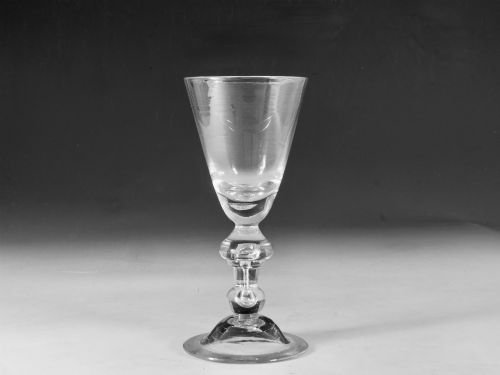
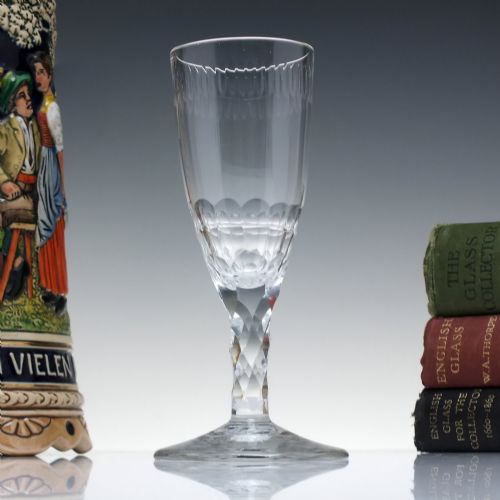
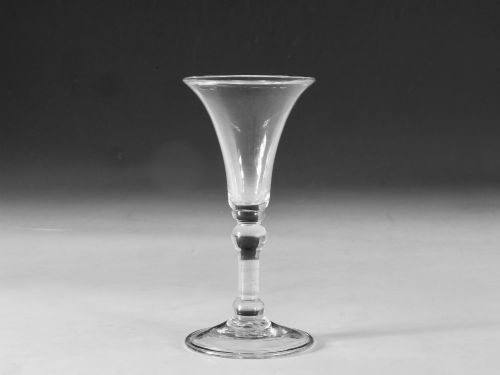
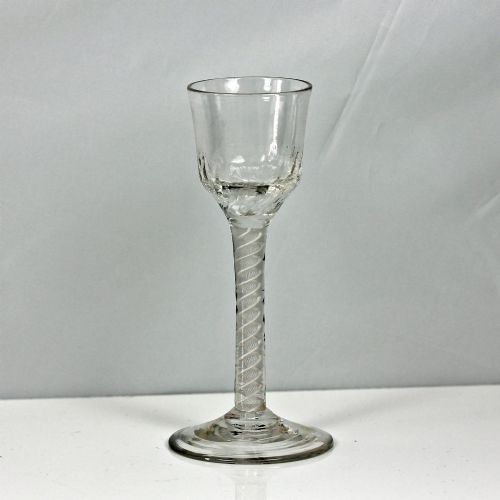
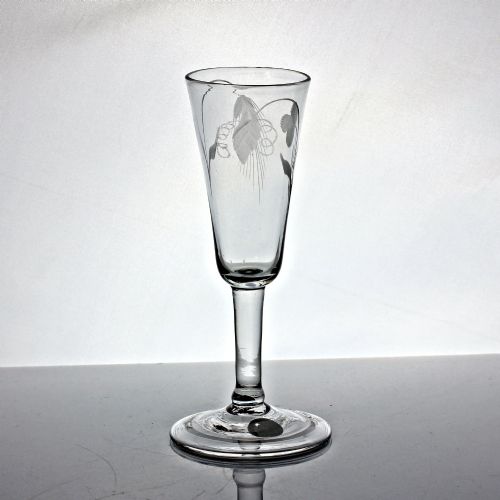
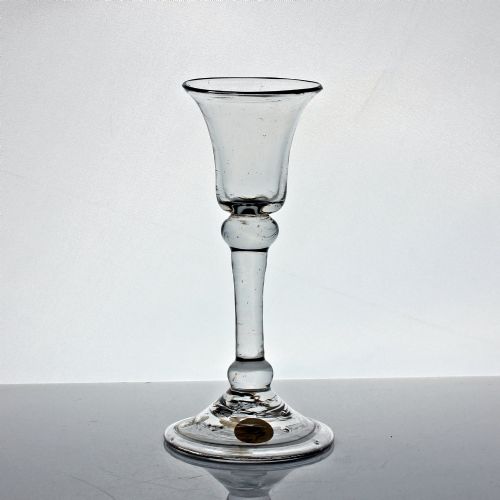
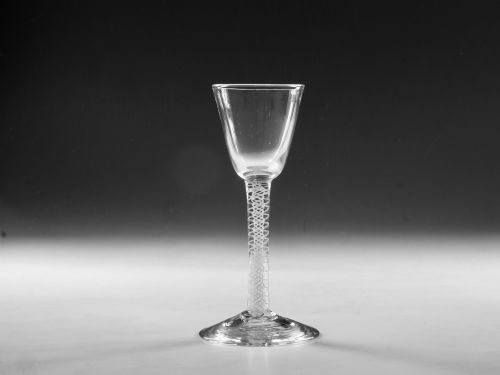
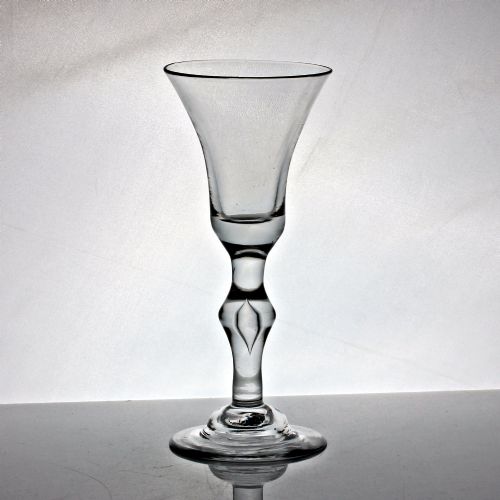
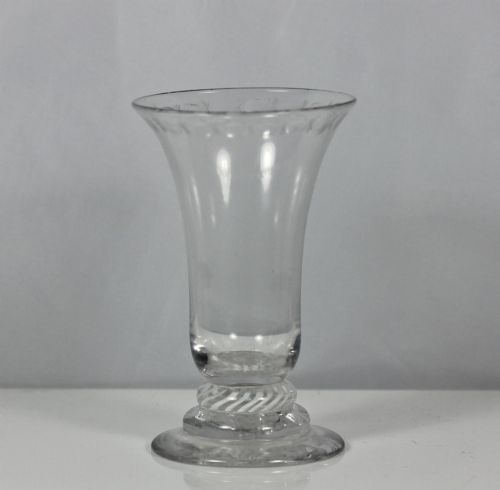
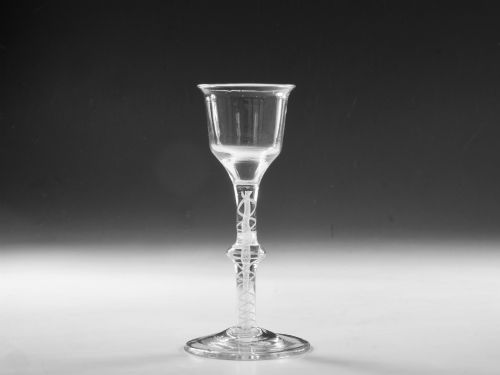
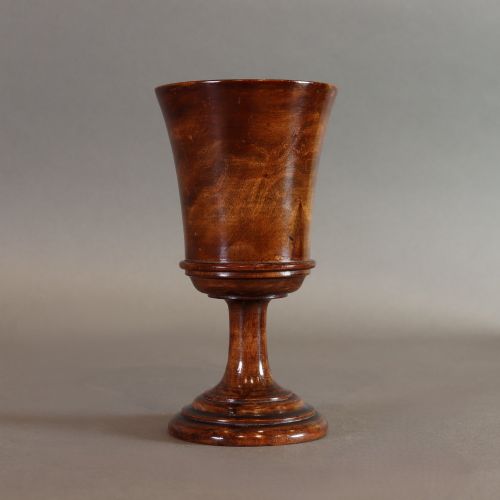
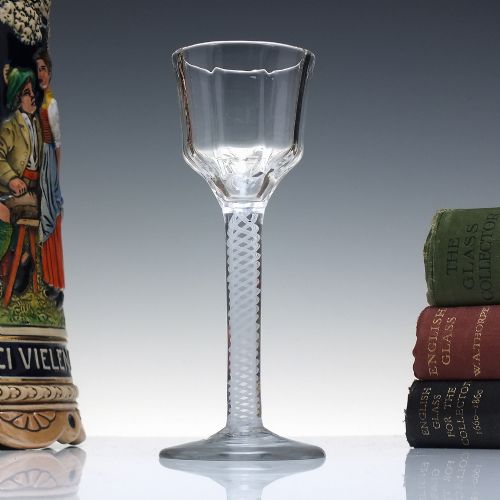
The antique stemware vessel category encompasses everything from eighteenth-century cordial and wine glasses to nineteenth-century silver chalices and treen goblets. The most frequently encountered examples on this page are Georgian lead glass wine and dram glasses featuring complex stems like opaque twists and balusters.
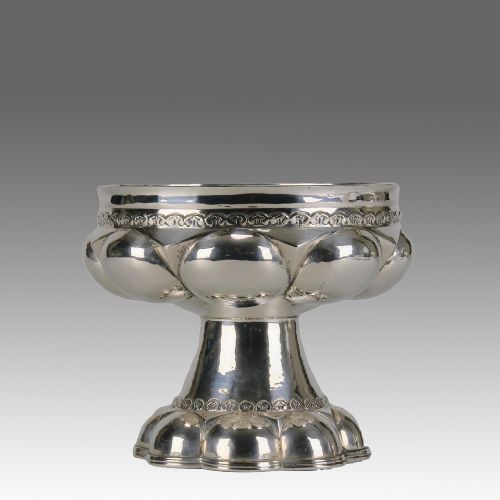
Makers and workshops across Britain and beyond produced these pieces for diverse social rituals, spanning from humble tavern ales to formal dessert wines. Alongside traditional English lead crystal and flint glass, the listings include Chinese export silver and turned walnut forms.
Materials and Technique
Glassmakers utilised lead glass and flint glass, shaping bowls by hand and pulling or applying stems with air bubbles, opaque enamel twists, or multifaceted cuts. Silversmiths hammered and chased sterling silver into chalices, while woodturners shaped walnut and other timbers into pedestals.
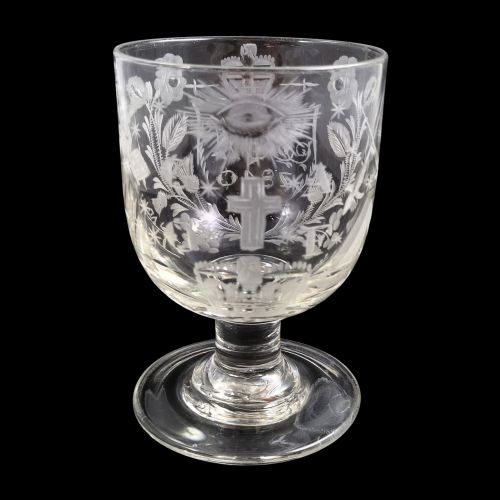
Engraving techniques such as intaglio, wheel-cutting, and enamel decoration added hops, barley, swags, and tails to the surfaces of bowls and rammers.
Antique Stemware Vessel Retail Price Guide 2026
Typical asking prices for stemware vessel among the pieces listed under this phrase on Sellingantiques today, from the lower quarter to the upper quarter. They describe what is for sale here now, not the wider market.
The listings span from 17th century Bohemian engraved vessels to early 20th century Arts and Crafts silver chalices.
Assessing Quality
Quality rests in the crispness of the stem formation, whether an intricate air twist, a heavy baluster, or a precise facet cut. The weight of the metal, the clarity of the lead crystal, and the depth of the wheel engraving separate standard production from superior pieces.
Structural elements like folded feet and domed bases indicate superior craftsmanship during the Georgian era, showing greater stability and finishing skill.
Nathan and Hayes·Wang Hing and Co·William Eaton
The Antique Stemware Vessel Glossary
- Baluster stem
- A heavy, swelling stem form reminiscent of architectural balusters, common in early eighteenth-century drinking vessels. These stems often feature knops and air tears.
- Opaque twist
- A stem containing threads of white or coloured enamel glass drawn into spirals inside clear lead glass. Single and double series refer to the complexity of these internal enamel rods.
- Folded foot
- A glass foot where the rim is folded underneath to create a thickened, rounded edge for extra strength. This technique is frequently seen on eighteenth-century balustroid glasses.
- Ratafia glass
- A tall, slender vessel with a narrow bowl designed for drinking sweet fruit cordials and liqueurs. They date predominantly to the eighteenth century.
- Rummer
- A large, heavy drinking glass with a short stem and a capacious bowl, often engraved with agricultural motifs like hops and barley.
Antique Stemware Vessel: Frequently Asked Questions
How do I identify a Georgian wine glass?
Georgian wine glasses often feature heavy lead crystal, thick baluster or twist stems, and folded feet. Their bowl shapes range from bells and trumpets to ogees.
Examining the stem construction and metal weight helps distinguish these eighteenth-century examples from later Victorian reproductions.
Were these vessels used every day?
Many of these vessels were produced for active use at dining tables, taverns, and celebrations. Sturdier forms like rummers and ale glasses handled frequent toasts.
Delicate cordial and twist glasses saw more formal or occasional service during dessert courses and social gatherings.
How should I clean antique glass?
Antique glass requires gentle hand washing in warm water with mild detergent. Avoid sudden temperature changes to prevent cracking.
Submerging or placing these pieces in a modern dishwasher will permanently ruin the lead crystal and historical surface finish.