
Antique Steel Timepiece
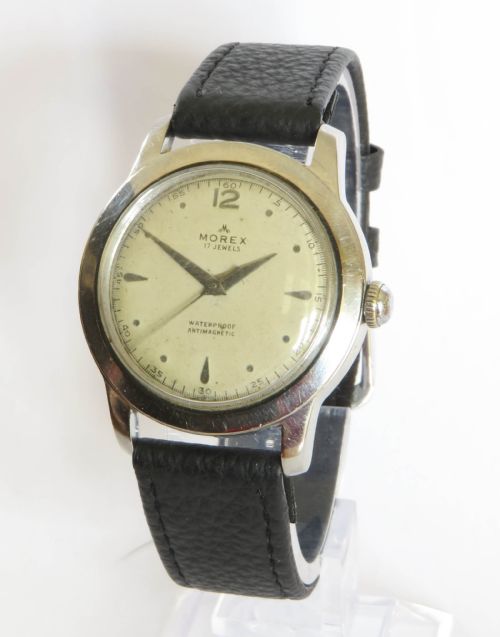
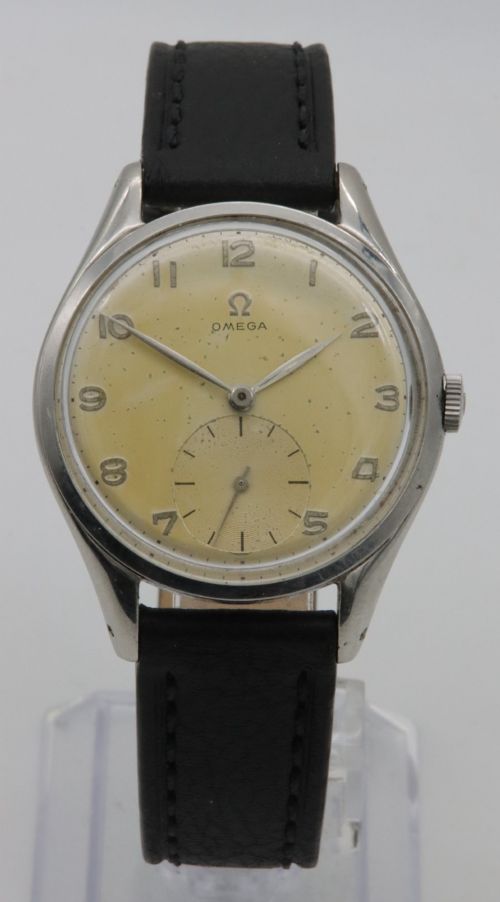
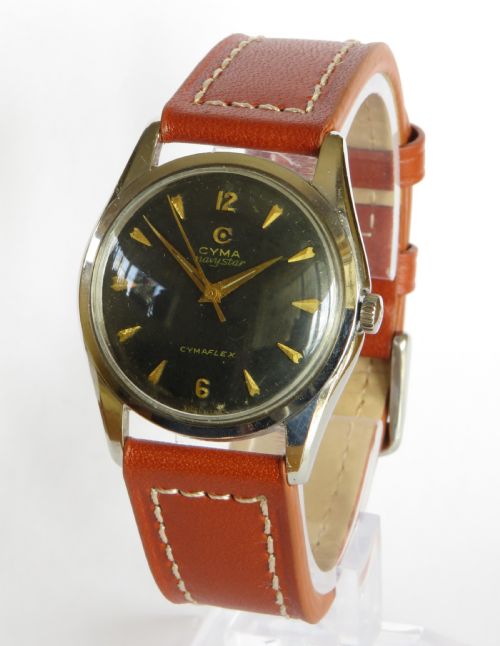
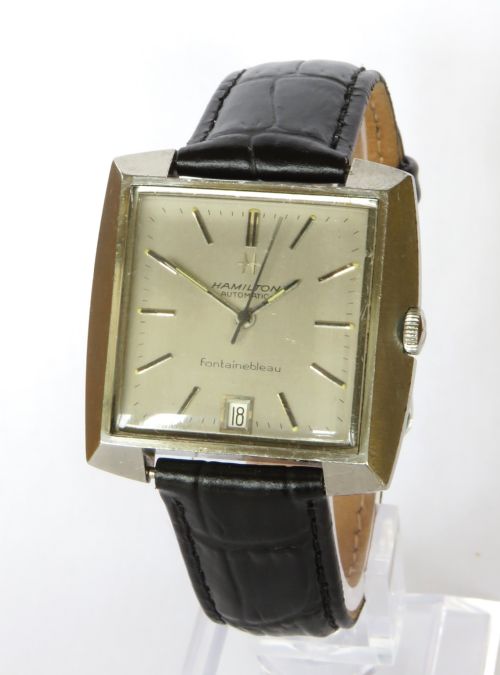
An antique steel timepiece is a functional personal clock spanning wristwatches, pocket watches and deck watches designed for daily service.
Antique Steel Timepiece
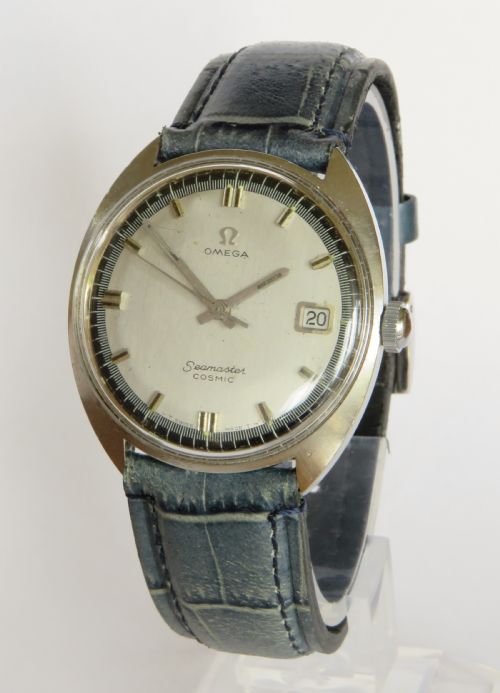
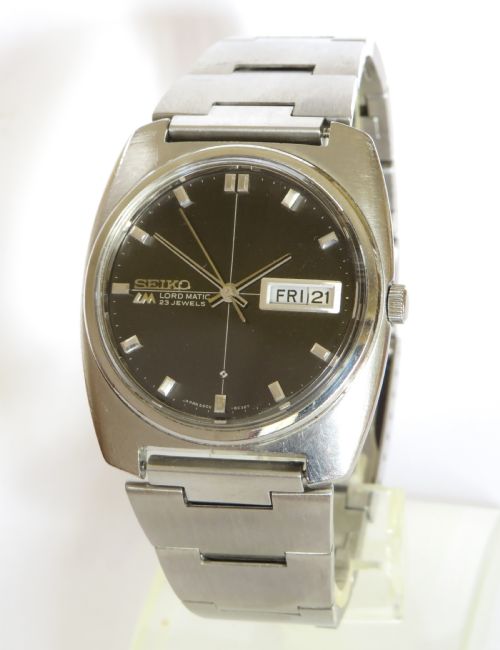
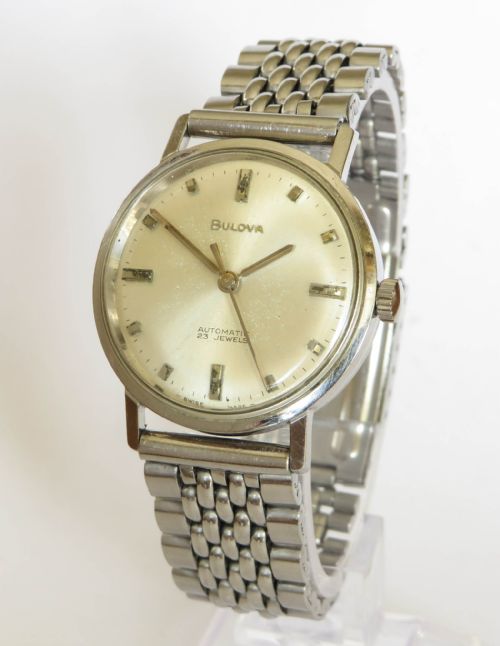
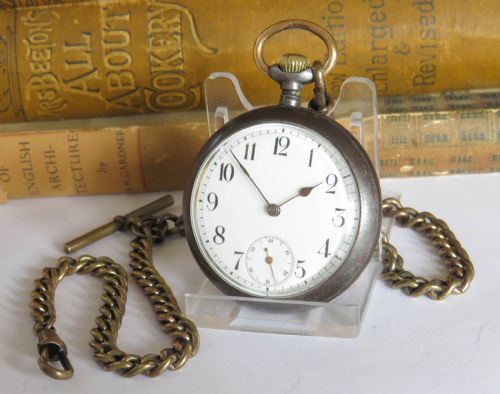
When considering an antique steel timepiece, buyers encounter a diverse selection of horological instruments spanning several decades. The assortment centres primarily on wristwatches and pocket watches, alongside specialised deck watches and travel clocks.
The periods represented stretch from Edwardian pocket watches through Art Deco designs to Mid-Century Modern wristwatches. Pieces emerge from Swiss horology traditions, military service issues, and civilian production.
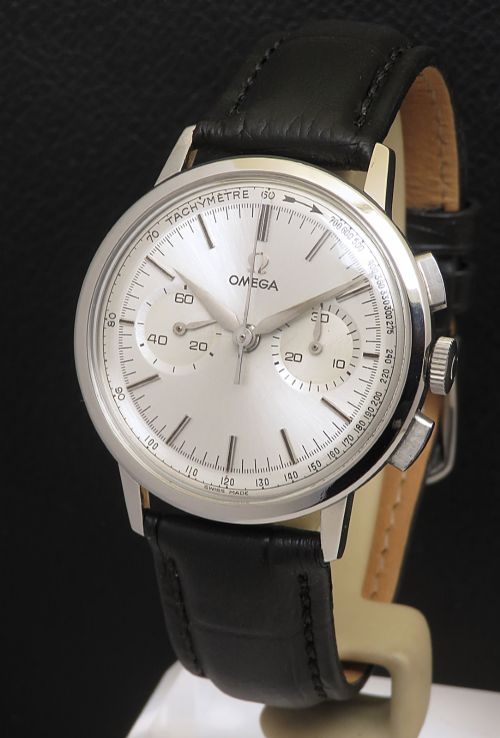
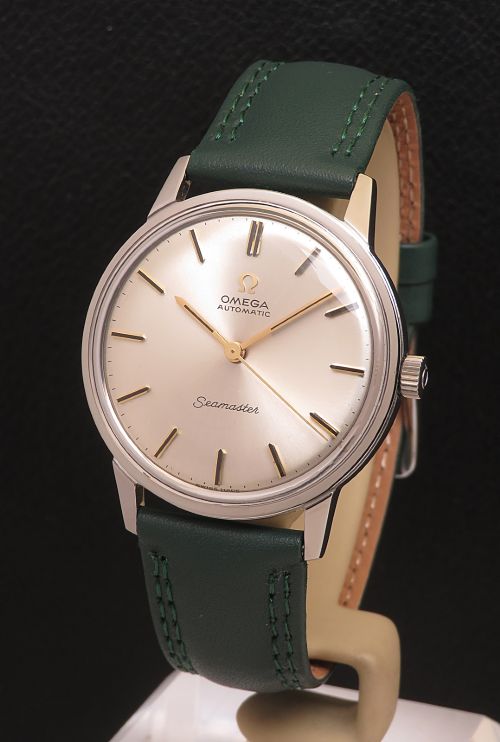
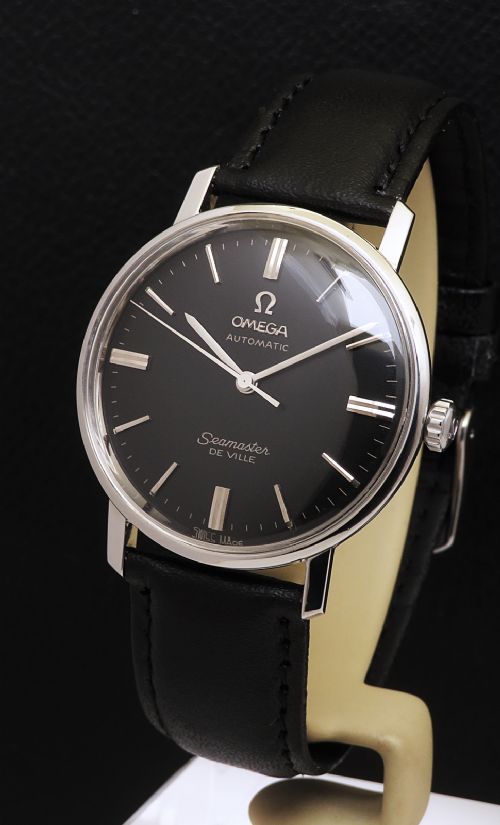
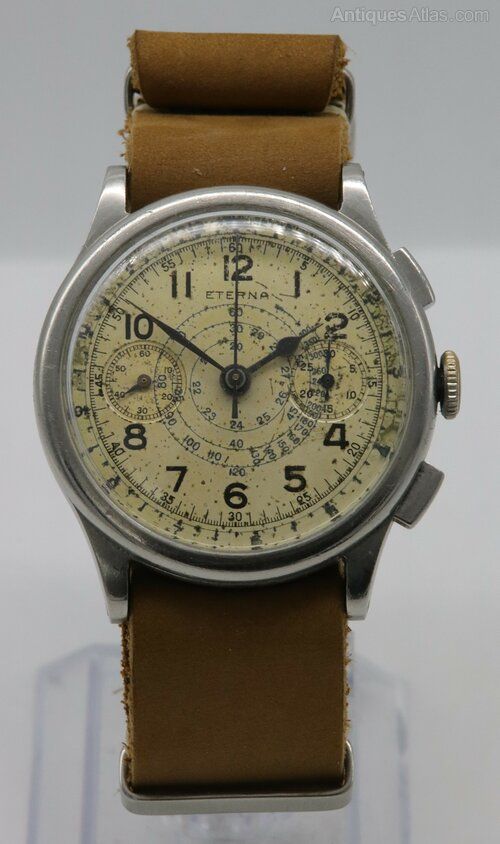
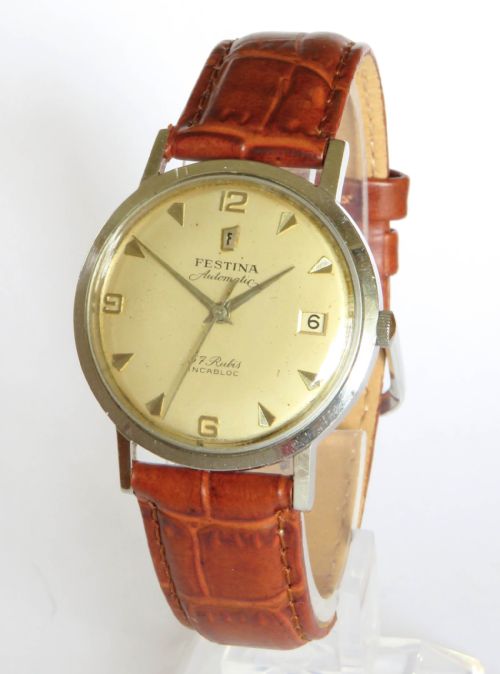
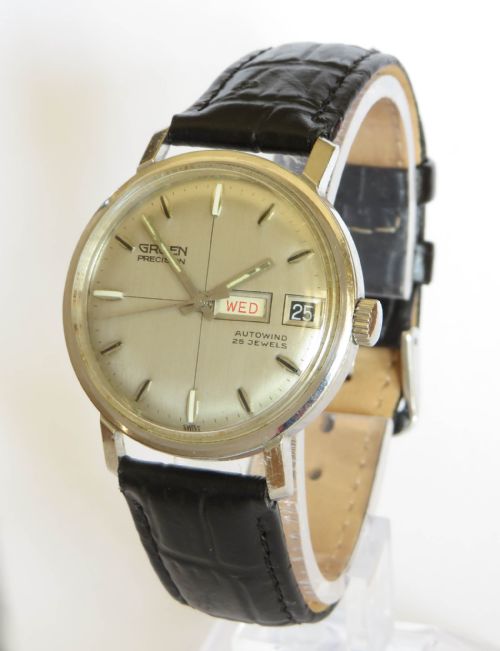
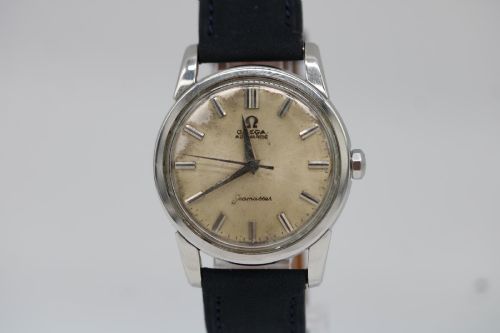
Wristwatches dominate the selection, appearing in forms from military style chronographs to automatic and manual wind daily wearers. Pocket watches and deck watches provide alternative formats for those interested in earlier portable mechanics.
Materials and construction methods
Construction relies heavily on stainless steel, standard steel, gun metal, and brass for cases and internal movements. Dial components incorporate glass, acrylic, and enamel finishes, whilst straps utilise leather materials.
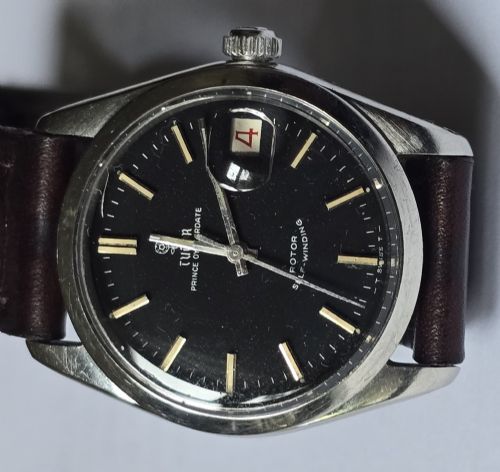
Movements are mechanical, requiring manual winding or automatic self-winding systems developed by established horological workshops. Dials feature applied markers, painted numerals, and patinated surfaces developed through age and use.
Some military pilots wore steel watches stamped with official government department codes on the case back.
Distinguishing quality in timepieces
Quality differences emerge in the execution of the internal movement and the preservation of the exterior case. Complex mechanisms such as chronographs and automatic bumper calibres represent higher tiers of horological production.
The integrity of the dial and case finishing dictates overall desirability. Original components, legible dial details, and minimal polishing to steel cases separate superior examples from heavily altered pieces.
Omega·Longines·Eterna·Tissot·Zenith·Bulova·Cyma·Gruen·Tudor·Breitling
The Antique Steel Timepiece Glossary
- Chronograph
- A watch with a stopwatch function alongside normal timekeeping. These mechanisms include independent sweep hands for measuring intervals.
- Calibre
- The specific internal movement design created by a watch manufacturer. Each calibre number identifies the distinct architecture and dimensions of the gear train.
- Deck watch
- A precise portable clock historically used for navigation at sea. These pieces were housed in protective cases and kept on a ship's deck.
- Manual wind
- A mechanical watch requiring regular hand rotation of the crown to tension the mainspring. This traditional system lacks automatic rotor weights.
Antique Steel Timepiece: Frequently Asked Questions
How do I wind a manual watch?
Rotate the crown clockwise between your thumb and forefinger until you feel gentle resistance. Stop immediately to avoid damaging the mainspring.
Perform this action at a consistent time each day if worn regularly. Avoid over-winding vintage mechanisms.
What is a chronograph watch?
A chronograph is a timepiece equipped with an independent stopwatch function. Pushers on the case side start, stop, and reset the sweep second hand.
This complication allowed users to measure elapsed time alongside standard hours and minutes. They were utilised for scientific, industrial, and sporting applications.
Are these watches waterproof?
Vintage and antique watches generally lack modern water resistance standards. Rubber gaskets and seals degrade significantly over decades.
Keep these items away from water, rain, and high humidity. Even pieces marked as waterproof require professional sealing tests before exposure to moisture.
How do automatic movements work?
An internal weighted rotor spins freely with the natural motion of the wearer's wrist. This movement winds the mainspring continuously throughout the day.
Such systems removed the need for daily manual winding during routine wear. They represent a significant technological shift in mid-century horology.