


Antique Steel Fire Shovel
An antique steel fire shovel is a practical hearth implement built to last, sought after for its honest craftsmanship and period character.
Antique Steel Fire Shovel
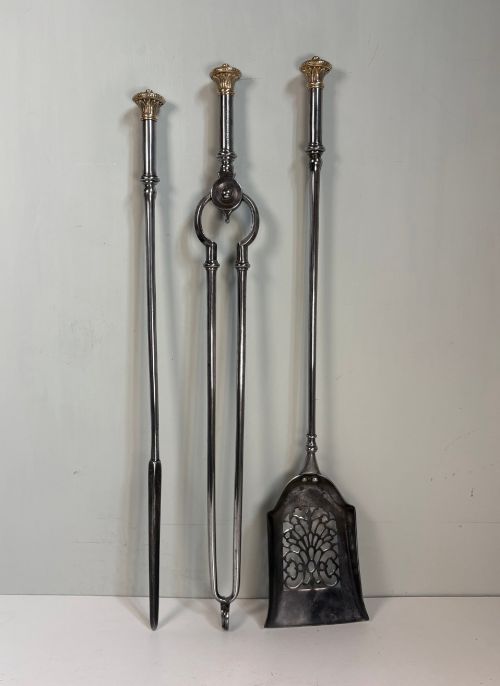
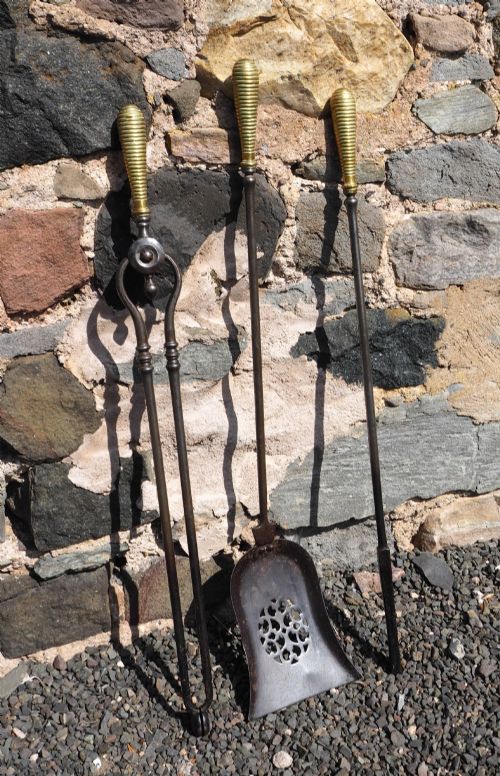
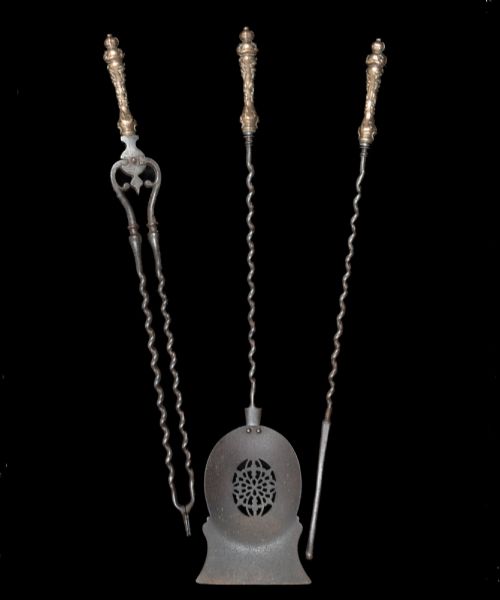
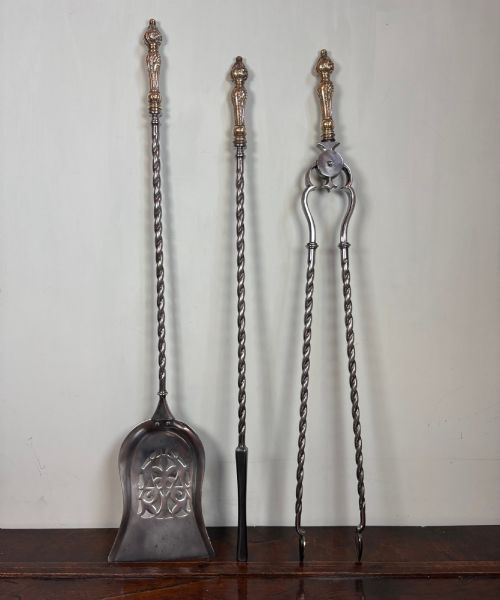
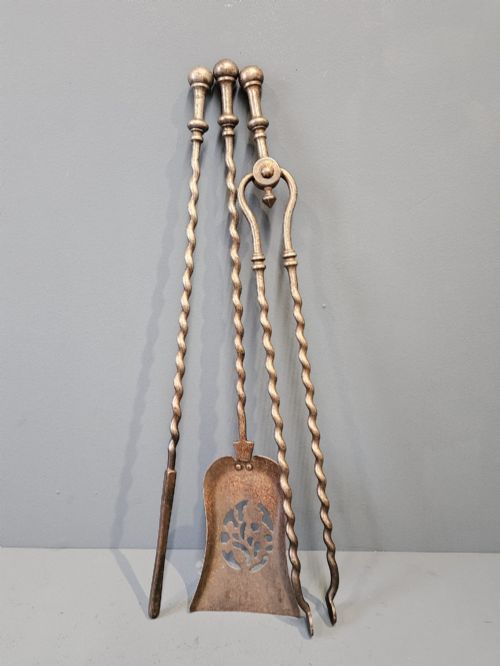
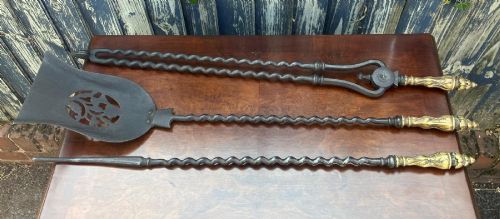
An antique steel fire shovel typically appears within sets of fireplace tools or companion sets rather than as a solitary implement. These hearth implements span the eighteenth, nineteenth, and early twentieth centuries, encompassing Georgian, Regency, Victorian, and Arts and Crafts styles.
The materials paired with steel include brass, iron, gunmetal, and gilt brass, reflecting the prevailing domestic tastes of each period. Surviving examples demonstrate the utilitarian demands of coal and wood fires in period chimneys and grates.
Buyers encounter these shovels alongside pokers and tongs, forming matched or assembled sets designed for daily hearth management. The forms range from plain polished steel utilities to ornate designs featuring gilt brass or brass embellishments.
Judging Quality
Quality reveals itself in the weight and balance of the metalwork, distinguishing robust hearth tools from lighter domestic pieces. Superior examples exhibit careful finishing to the steel surfaces and secure, well-fitted joints between the handle and the shaft.
The integration of secondary metals like brass or gunmetal demonstrates higher ambition in design and manufacture. Greater refinement in the turning of handles and the shaping of the shovel blade separates standard utility items from finer parlour furnishings.
Listings span the eighteenth century through the Edwardian period, showing steel combined with brass, iron, and gunmetal in various companion sets.
The Antique Steel Fire Shovel Glossary
- Steel
- An alloy of iron and carbon valued for its strength and ability to take a bright, polished finish. It forms the primary body of these shovels.
- Burnished steel
- Metal rubbed or polished to a smooth, reflective surface that enhances the sheen and protects against corrosion. This finish requires consistent maintenance in use.
- Companion set
- A matched group of fireplace tools, typically including a shovel, poker, and tongs, housed together by the hearth. These sets were central to nineteenth-century domestic interiors.
- Gilt brass
- Brass coated with a thin layer of gold or gold-coloured finish to provide a decorative, rich appearance. It frequently highlights the handles of Regency and Georgian tools.
- Gunmetal
- A type of bronze containing copper, tin, and zinc, known for its dark grey or patinated appearance. It provides a robust alternative to plain brass mounts.
Antique Steel Fire Shovel: Frequently Asked Questions
How do I clean an antique steel shovel?
Maintenance involves removing surface dust with a dry cloth and addressing active oxidation with appropriate metal preservatives.
Avoid abrasive compounds that strip the historic finish and patination accumulated over centuries of use.
Were these shovels used daily?
These implements served active hearths in period homes, moving coal, ash, and cinders.
Wear patterns and minor pitting on the steel blade often reflect this practical domestic service.
How do I date an iron or steel tool?
Dating relies on stylistic clues in the handle turning, the presence of specific secondary metals like brass, and construction methods.
Georgian and Regency examples tend towards cleaner lines, while Victorian pieces often display heavier casting and more ornate brass mounts.
Can I use these with a modern fireplace?
Many buyers place these implements beside working hearths, where their robust metal construction remains entirely functional.
Care should be taken to protect antique finishes from excessive heat and moisture exposure.