
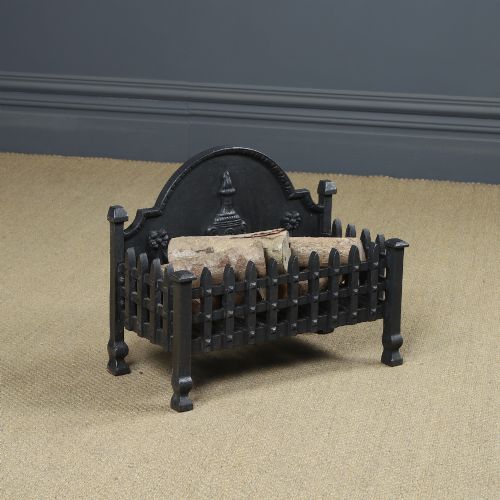


18th Century Fire Irons
These 18th century fire irons bring proper hearth furniture to a period fireplace, combining utility with distinct Georgian character.
18th Century Fire Irons
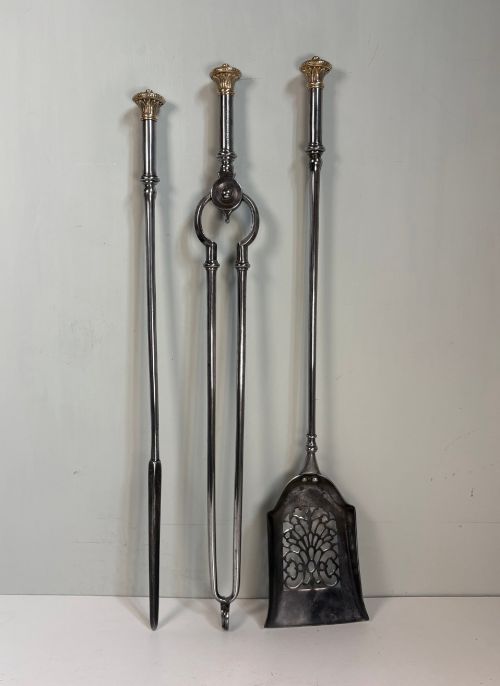
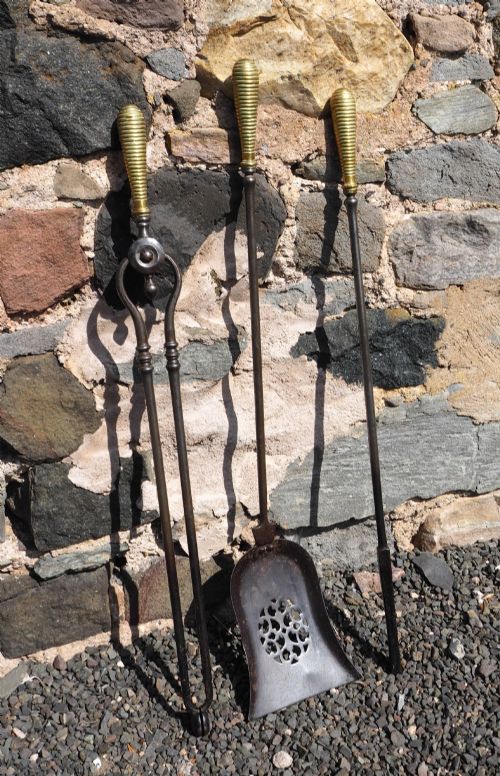
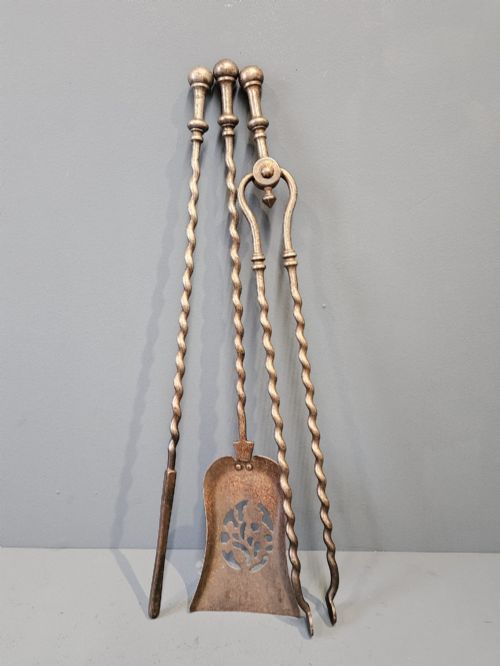
When you look for 18th century fire irons, you find hearth implements designed for coal and wood fires in period rooms. These sets typically include pokers, tongs, and shovels used to manage the grate and tend the embers.
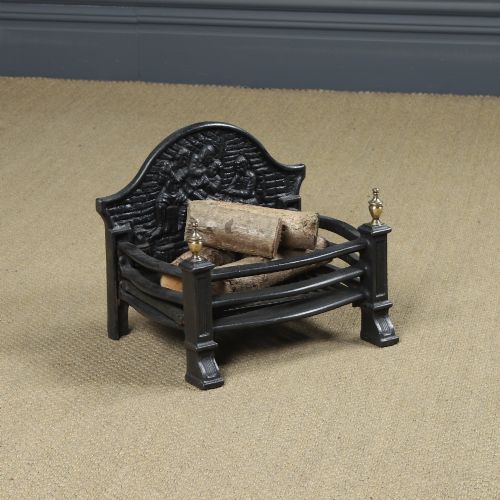
The versions most commonly met on this page belong to the Georgian and 18th century periods, often formed as matched sets of three or paired with stands and fire dogs. Alongside complete sets, related fireplace accessories such as grates, fenders, and ember tongs appear.
How they were made
Blacksmiths and metalworkers shaped these pieces using steel, wrought iron, and cast iron, relying on hammering, forging, and casting techniques. Steel provided the strength and spring needed for tongs and pokers, while cast iron suited heavier structural pieces like fire grates and fire backs.
Decoration often involved brass and gilt brass components, adding brightness to the darker iron and steel bodies. Makers combined these materials to balance functional durability with the refined tastes of the period.
What varies in quality
The standard of an iron set depends on the refinement of its forging and the integrity of its materials. Heavy gauge steel and well-balanced wrought iron indicate superior craftsmanship that survives centuries of heavy use.
Design execution separates basic utility tools from finer examples. Subtle turning on handles, thoughtful proportioning, and the integration of gilt brass mountings mark pieces made for principal reception rooms rather than back rooms.
The 18th Century Fire Irons Glossary
- Fire irons
- Implements used for tending a hearth, usually comprising a poker, tongs, and shovel. They are often displayed together in sets by the fireplace.
- Georgian
- The period spanning the reigns of the four King Georges, characterised by classical proportions and restrained ornament. Furniture and metalwork from this era follow distinct architectural rules.
- Andirons
- Supports placed on the hearth to hold logs for burning, often featuring decorative fronts. They work alongside fire grates to improve airflow.
- Fender
- A low metal guard placed around the hearth opening to contain ash and rolling embers. They match the materials of the fire irons and grates.
- Footman
- A metal stand placed near the fire to keep food or water warm. These utilitarian hearth accessories double as decorative metalwork.
18th Century Fire Irons: Frequently Asked Questions
What tools come in a set?
A standard set generally contains a poker for moving logs, tongs for handling coal, and a shovel for clearing ash. These three pieces work together to manage an open fire.
Surviving sets often match in material and handle design, indicating they were made to sit together in a hearth stand.
How do I date steel fire irons?
Dating relies on observing the methods of construction, tool marks, and overall stylistic proportions. Georgian pieces show hand-forging details distinct from later manufacturing.
Comparing the handle turns and metal finish with documented period examples helps confirm the era of manufacture.
Can I use them on a fire?
Many solid steel and iron pieces remain sturdy enough for regular use in an open fireplace. However, fragile or decorative examples with gilt brass elements are better suited for display.
Assessing the thickness of the metal and any previous wear determines whether an implement can safely handle daily hearth duties.
What is the difference between iron and steel?
Wrought and cast iron contain different carbon levels and structures than the refined steel used for working tools. Steel provides greater flexibility and resistance to bending under heat.
Many sets combine an iron shaft with steel business ends to balance strength and resilience.
How do I clean historical fire iron sets?
Maintenance requires gentle removal of surface soot and light oxidation using soft brushes and appropriate metal cleaners. Aggressive polishing removes the historical patina accumulated over centuries.
Keeping the metal dry prevents further corrosion and preserves the original surface texture.