



Antique Steel Fire Guard
An antique steel fire guard brings genuine period weight to a hearth, combining sturdy metal protection with fine decorative craftsmanship.
Antique Steel Fire Guard
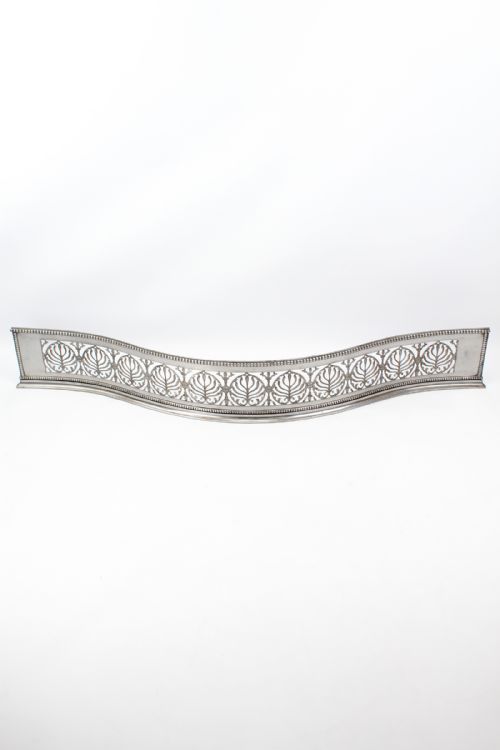
When searching for an antique steel fire guard, buyers are looking at protective hearth surrounds and fenders originating from the Georgian, Victorian, and Edwardian eras. These pieces range from simple utilitarian iron and steel frames to grander serpentine designs embellished with brass and bronze.
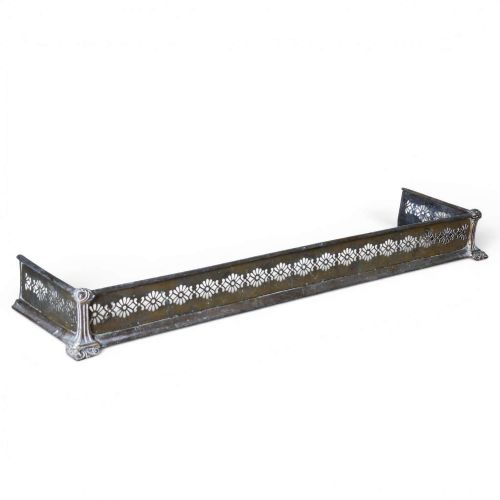
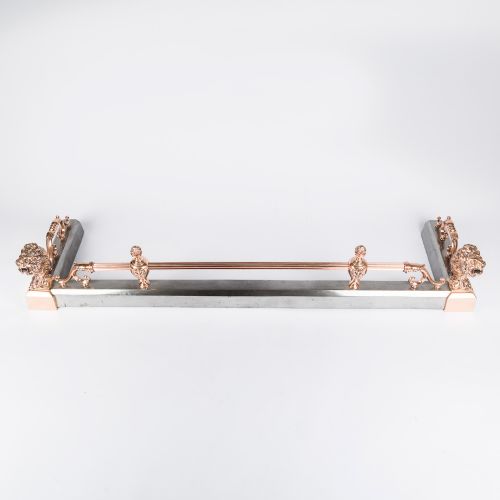
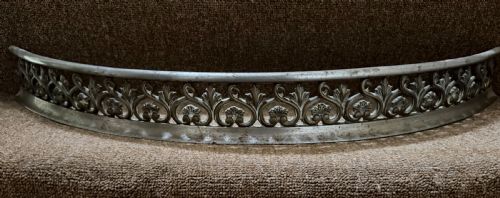
The most common variations on this page include long Georgian serpentine fenders and nineteenth-century club fenders fitted with leather seating. Many incorporate contrasting brass details, pierced decoration, or figural motifs such as lions.
Objects span from mid-eighteenth-century examples up to twentieth-century country house pieces. They serve both to contain sparks and to anchor the proportions of a traditional fireplace.
Materials and construction methods
Makers utilised primary structural elements of steel, iron, and cast steel to build robust frames capable of withstanding intense hearth heat. Polished steel surfaces offered a reflective finish that contrasted sharply with darker iron components.
Decorative detailing relied heavily on mixed metals, combining bright brass and bronze applications with pierced or engraved steel plates. Leather upholstery appeared frequently on club fenders, providing padded seats alongside the metal structure.
Some nineteenth-century steel club fenders originated in gentleman's establishments like The In & Out Club, designed for warming toes after long carriage rides.
Distinctions in quality
Quality in an antique steel fire guard rests upon the crispness of the engraved or pierced decoration and the integrity of the metalwork. Hand-pierced serpentine fronts and finely fitted brass mouldings denote superior craftsmanship.
The integration of secondary materials also separates standard output from finer pieces. Substantial cast steel frames, well-preserved patinated surfaces, and tightly stitched leather upholstery on club variations indicate higher workshop standards.
The Antique Steel Fire Guard Glossary
- Serpentine
- A gently curved front edge shaped in a concave-convex-concave line. This flowing profile was particularly favoured by Georgian metalworkers.
- Club fender
- A low hearth guard featuring upholstered corner or full-length seats. Originally designed for smoking rooms, they allowed people to sit close to the fire.
- Pierced
- Metalwork perforated with decorative cut-out patterns. This technique reduced weight while creating intricate light-catching designs.
- Polished steel
- Iron alloy treated to a bright, smooth finish. It requires careful maintenance to preserve its reflective surface against hearth moisture.
- Hearth fender
- A low metal barrier placed around the perimeter of a fireplace opening. Its primary role is keeping embers and ash contained.
Antique Steel Fire Guard: Frequently Asked Questions
How do I clean an antique steel fire guard?
Remove surface dust with a dry cloth, avoiding abrasive pads that can scratch the aged metal.
Apply a light microcrystalline wax to protect polished steel and iron surfaces from atmospheric moisture and rust.
What is the difference between a fender and a fire guard?
A fender sits directly on the floor around the hearth perimeter to contain logs and stray sparks.
A fire guard typically refers to a taller standing mesh or metal screen placed in front of the opening to block flying embers.
Are club fenders sturdy enough for sitting on?
Period club fenders with leather upholstery were specifically built with internal frames strong enough to support weight.
Inspect the internal wooden or metal structure underneath the padding to ensure the seating remains stable and secure for daily use.
How do I date a steel hearth fender?
Examine the overall silhouette, such as the sweeping curves typical of Georgian design or the heavier cast construction of Victorian pieces.
Construction marks, hand-engraved detailing, and the choice of mixed metals like brass or copper also help narrow the manufacturing period.