
Antique Standing Mirror Wood
An antique standing mirror wood piece provides a functional full-length reflection while anchoring a room with period character.
Antique Standing Mirror Wood
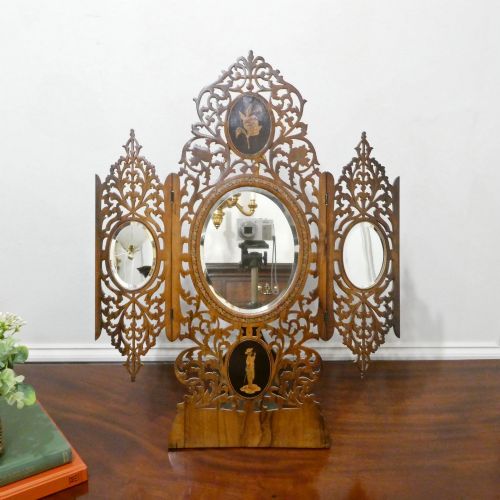
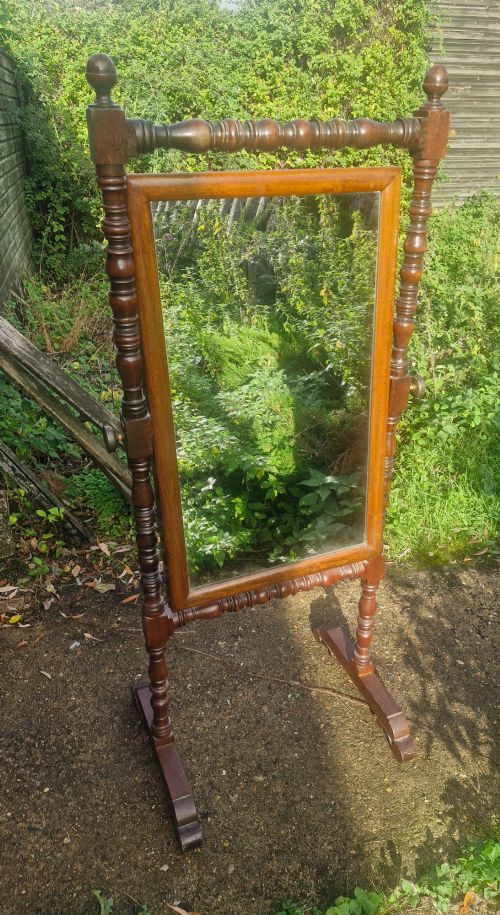
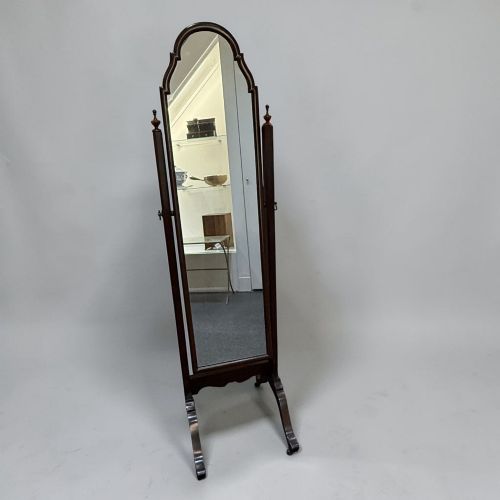
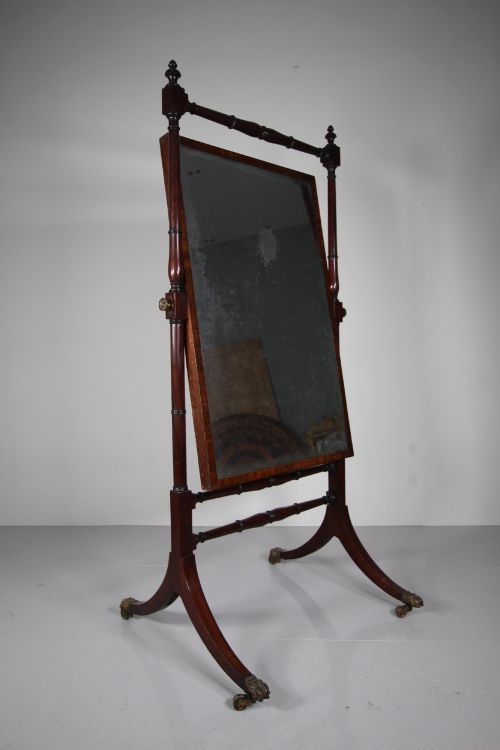
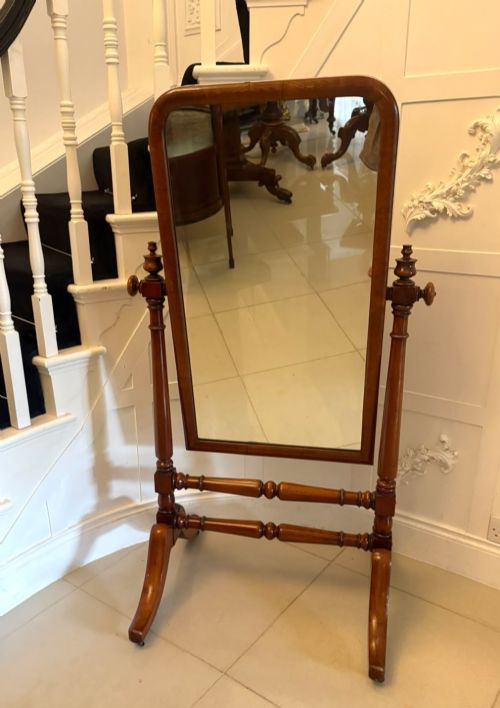
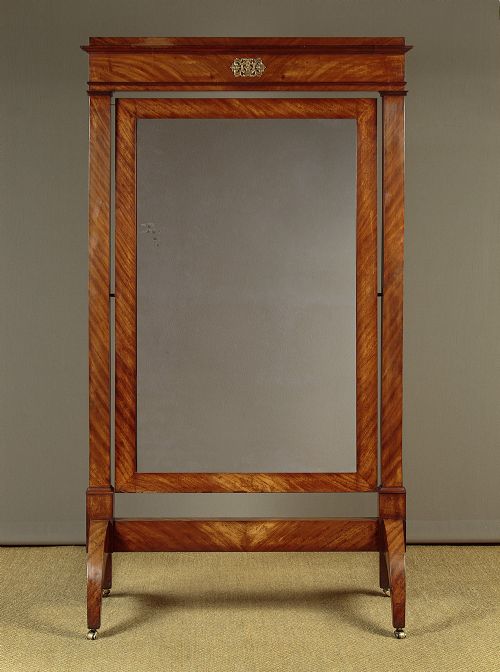
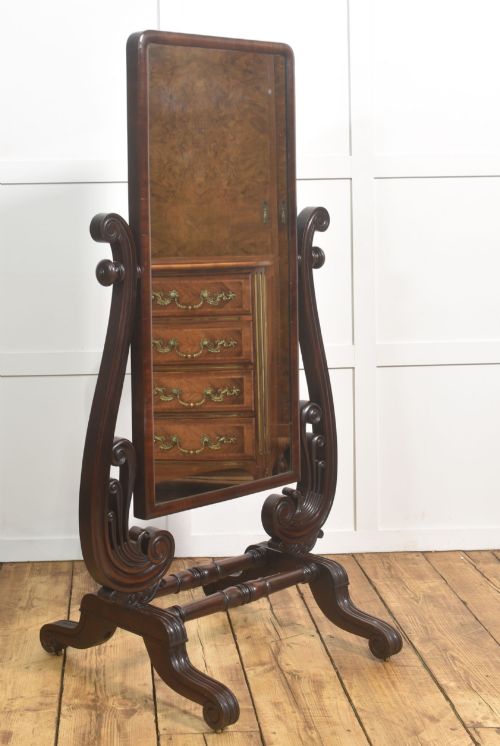
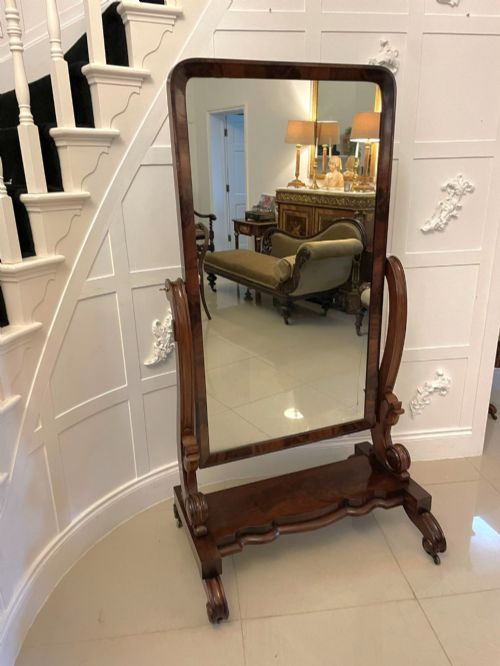
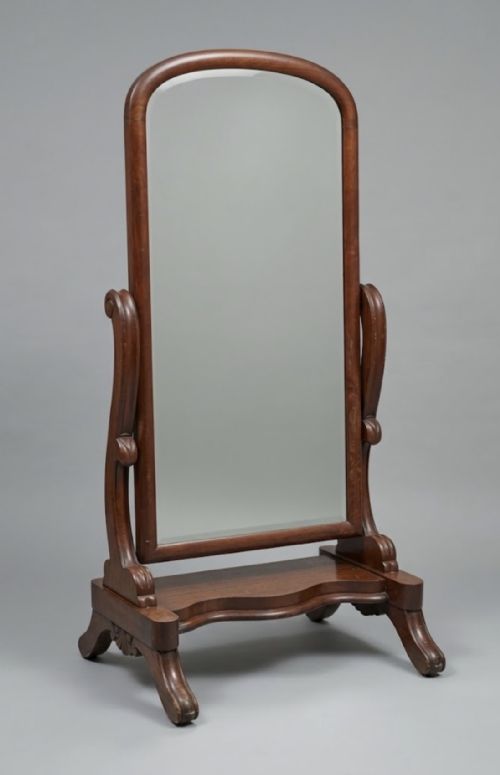
An antique standing mirror wood piece primarily takes the form of a cheval mirror, designed to pivot within a floor-standing frame. These substantial items serve bedrooms and dressing rooms, allowing a full-length view of attire.
The selection ranges across the nineteenth century, including Victorian and Regency examples alongside Georgian and Edwardian variants. Mahogany forms the backbone of these offerings, supplemented by walnut, rosewood, and giltwood frames.
Materials and construction methods
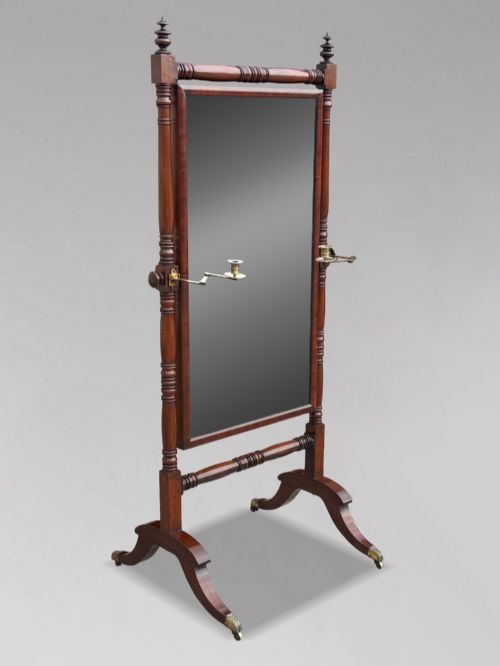
Cabinetmakers utilised dense timbers such as mahogany and walnut to build sturdy standing frames capable of supporting heavy glass plates. Brass fittings, including pivoting screws and candle sconces, frequently secure the swinging mirror frames.
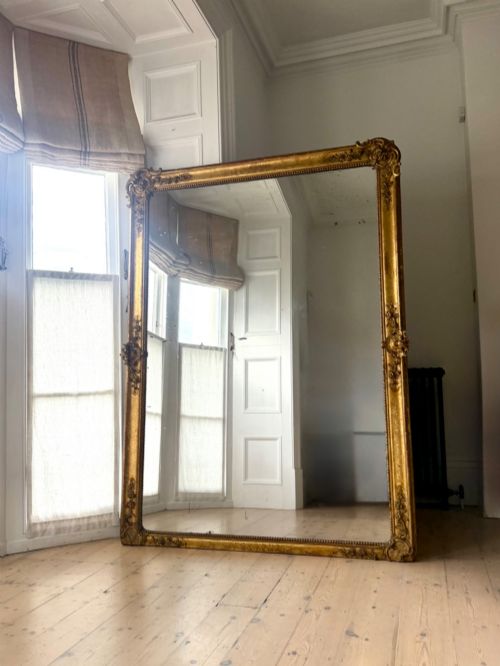
Carved gesso and elaborate mouldings adorn grander frames, while simpler versions rely on clean polished wood surfaces. Plate glass sits within rebated wooden surrounds, often backed by original pine panels.
Listings feature standing mirrors spanning the Georgian, Regency, Victorian, and Edwardian periods, constructed primarily in mahogany and walnut.
Factors of distinction and manufacture
Superior examples display crisp hand-carving on the crests and legs, whereas lesser pieces rely on simpler turned uprights. The weight and clarity of the mirror glass itself indicate the calibre of the piece.
Proportion and stability define the upper tier of cheval mirrors, ensuring the pivoting mechanism operates smoothly without straining the supporting floor frame.
Collinson & Lock·Gillow·Heal & Sons·Harrods·Edwards & Roberts
The Antique Standing Mirror Wood Glossary
- Cheval mirror
- A large floor-standing mirror suspended on a frame that permits it to swing. This form became popular in the late eighteenth century and remained a bedroom staple through the Victorian era.
- Swing mirror
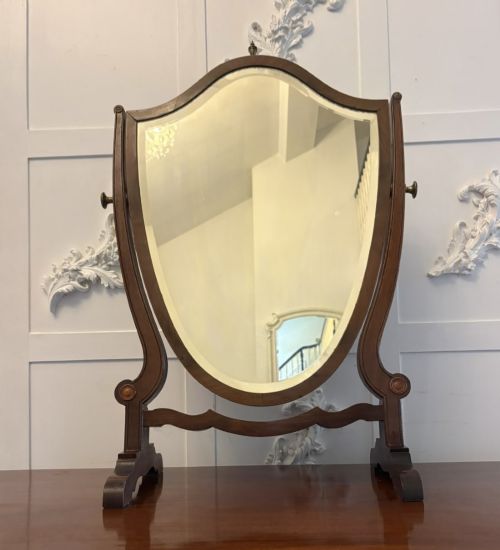
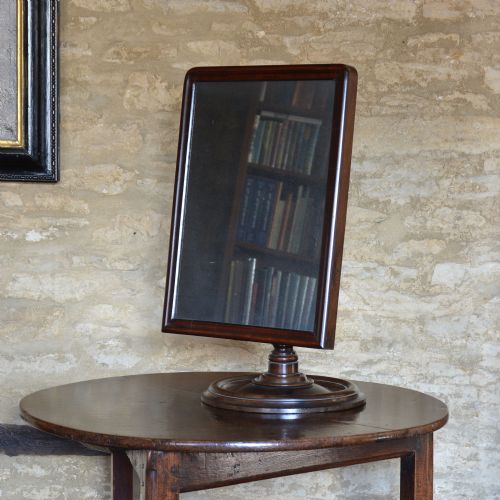
- A smaller glass mounted on pivots within a upright frame, often placed upon a dressing table or chest. These allow the user to tilt the angle of reflection.
- Gesso
- A plaster-like material applied to wood surfaces and carved or moulded before gilding or painting. It provides intricate decorative detail on nineteenth-century frames.
- Regency
- A British design period spanning the early nineteenth century, characterised by classical restraint and influence from ancient Roman and Greek forms.
- Mahogany
- A durable tropical hardwood prized for its reddish-brown colour and stability, extensively utilised across Georgian and Victorian cabinet making.
Antique Standing Mirror Wood: Frequently Asked Questions
What is a cheval mirror?
A cheval mirror is a freestanding, full-length looking glass mounted on a vertical frame with pivots that allow the glass to tilt.
First developed in France, these tall mirrors became essential bedroom furniture in British homes during the Regency and Victorian periods.
How do I date a wooden standing mirror?
Dating relies on examining the timber species, construction joints, and the bevel or thickness of the mirror glass plate.
Earlier pieces from the Georgian era feature hand-planed secondary woods and simpler pivot hardware, while Victorian versions often incorporate heavier carved mahogany or walnut frames.
Are these mirrors stable on carpets?
Floor standing cheval mirrors require a firm, level surface to support their weight and keep the pivoting frame balanced properly.
Heavier bases prevent tipping when the glass angle is adjusted, though placement on thick carpets may require careful positioning.
What woods were used for these frames?
Cabinetmakers predominantly used mahogany, walnut, and rosewood for standing mirrors due to their structural strength and rich grain patterns.
Some pieces also incorporate giltwood, gesso, or lighter decorative veneers such as satin birch and boxwood.