

Antique Standard Light
An antique standard light brings vertical illumination and period presence to a corner, drawing the eye with height and material weight.
Antique Standard Light
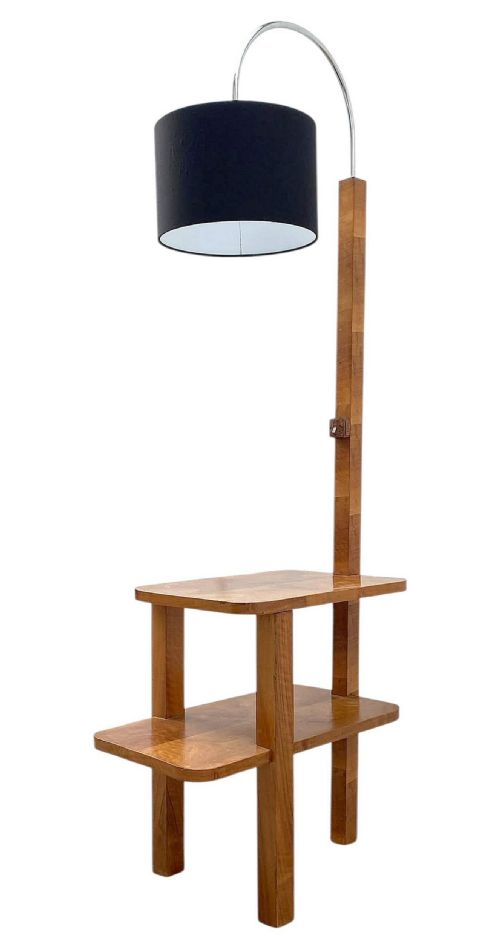
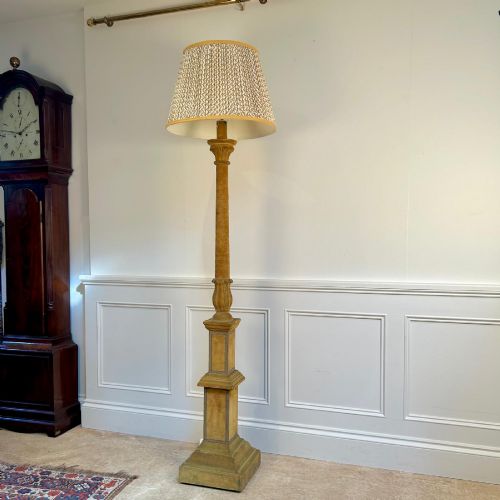
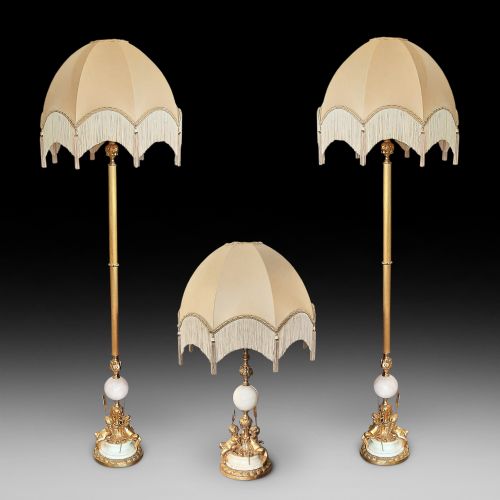
When you search for an antique standard light, you encounter tall floor-standing fixtures designed to illuminate a room from a raised source without occupying table space. These pieces range from simple upright shafts to elaborate columns holding shades, serving as both functional lighting and architectural furniture.
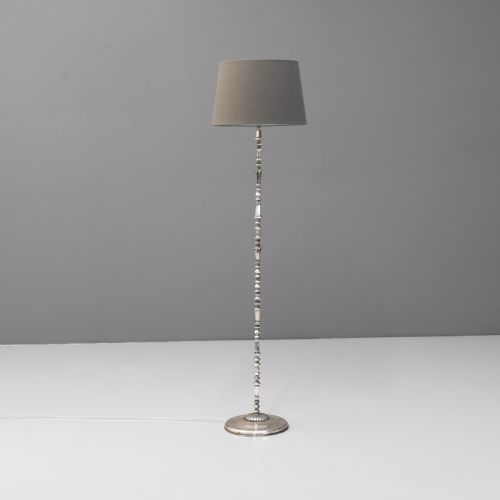
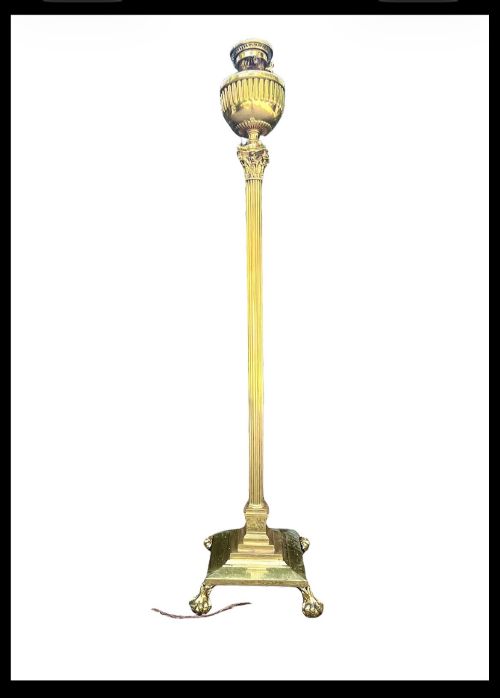
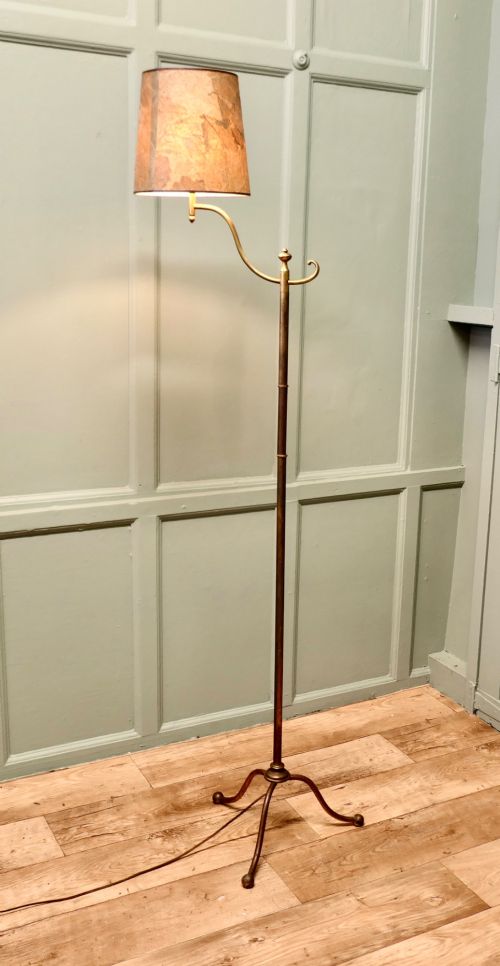
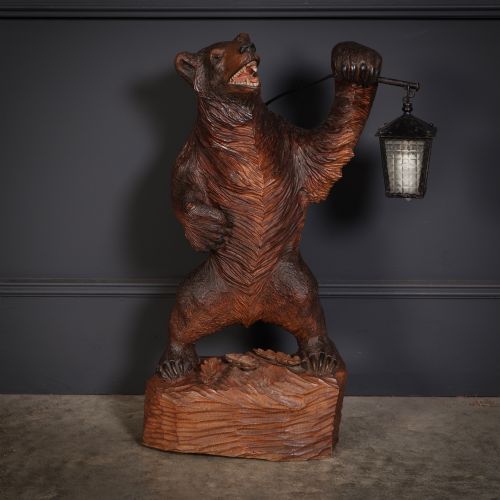
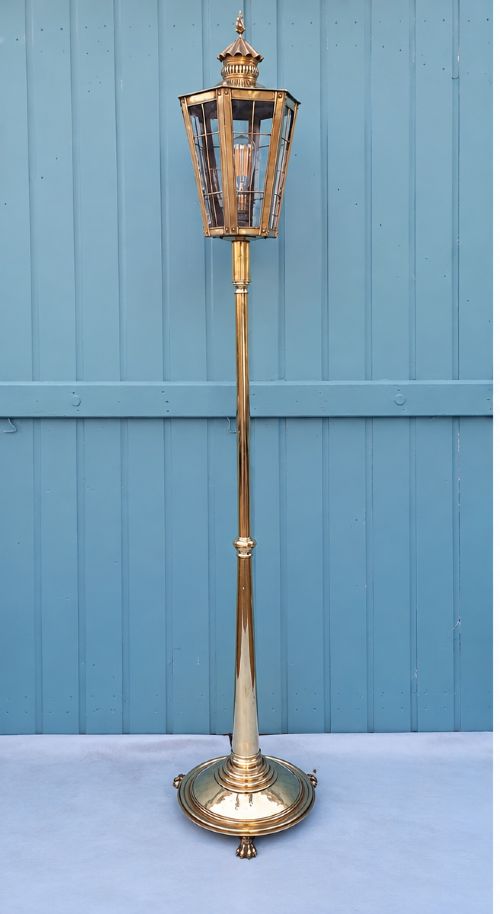
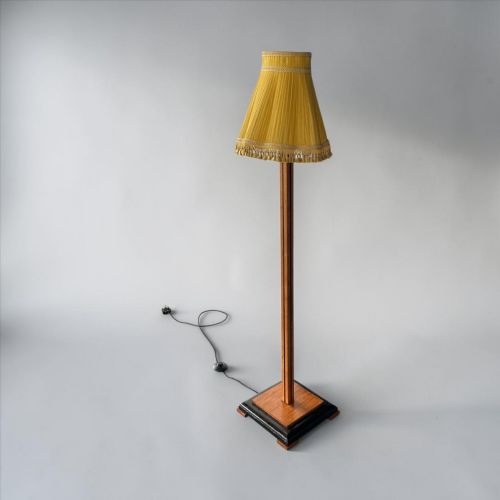
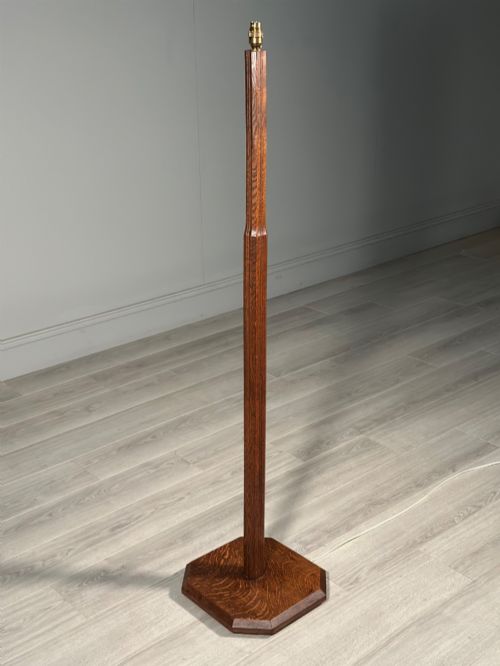
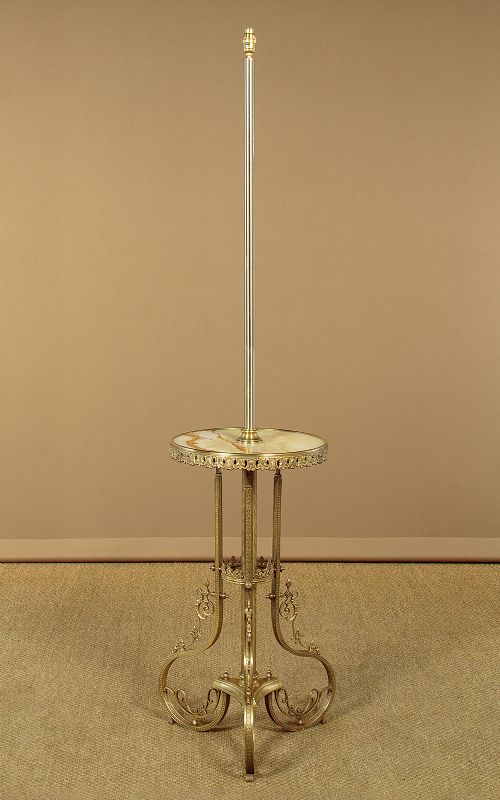
The versions most common on this page span the Victorian, Edwardian, and Art Deco periods, alongside pieces dating through the nineteenth and early twentieth centuries. You will find standard lamps in forms such as telescopic brass oil lamp conversions, carved timber columns, and wrought iron floor stands.
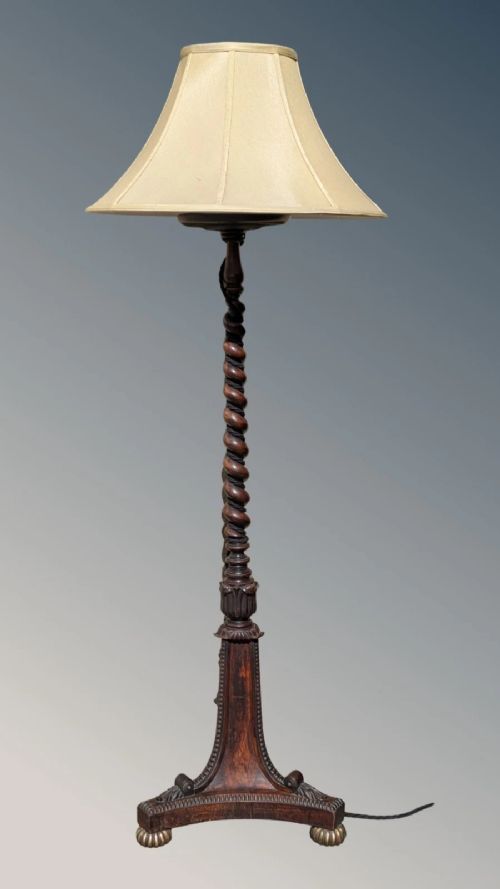
Geographic origins and stylistic revivals shape these objects profoundly, moving from English Gothic Revival and Regency rosewood to French Empire styles and Japanese bronze castings. Each piece reflects the interior lighting needs and decorative tastes of its specific decade.
Materials and Construction Methods
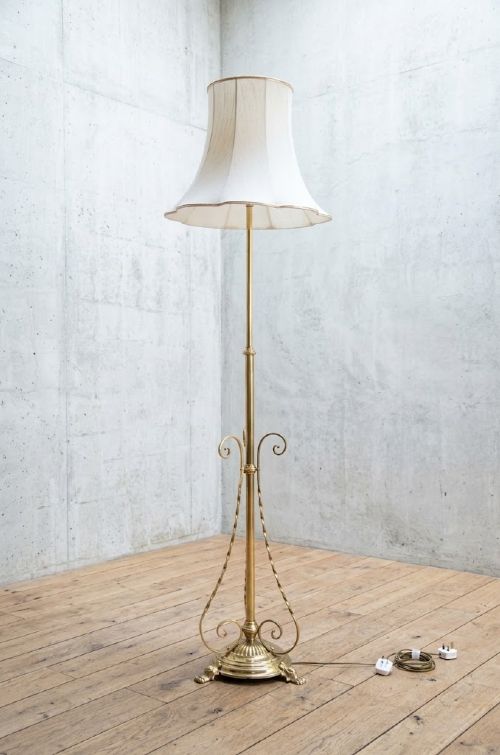
Makers utilised heavy metals like brass, bronze, copper, and cast iron to provide a stable base and upright shaft for each standard light. Many of these metal shafts incorporate telescopic mechanisms or adjustable height joints forged by blacksmiths or cast in workshops.
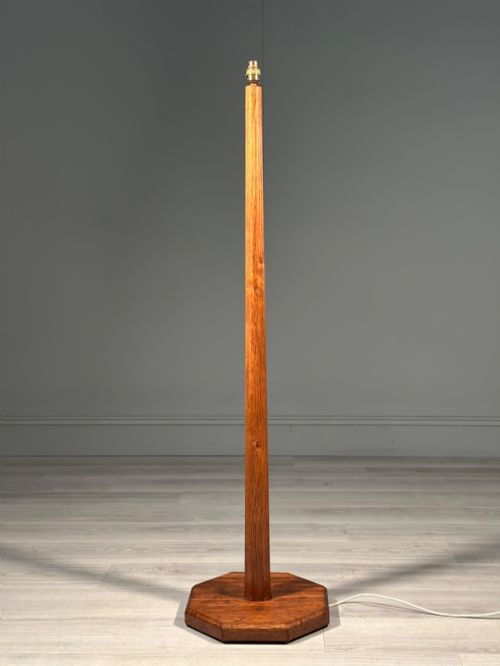
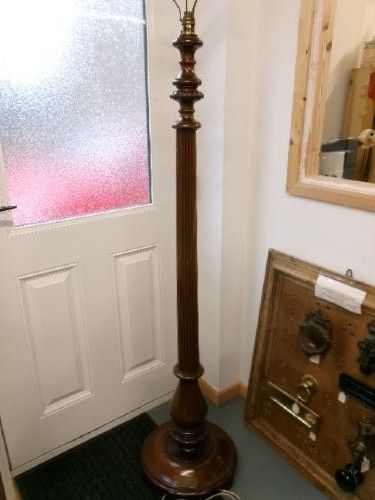
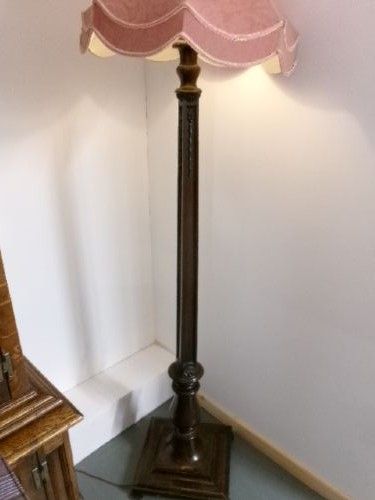
Timber construction relies on dense hardwoods such as mahogany, walnut, oak, and rosewood, often shaped through detailed carving or finished with lacquer and gilding. Silk, fabric, and velvet elements frequently complement the structure to soften the upward spread of illumination.
Antique Standard Light Retail Price Guide 2026
Typical asking prices for standard light among the pieces listed under this phrase on Sellingantiques today, from the lower quarter to the upper quarter. They describe what is for sale here now, not the wider market.
Distinctions in Quality and Make
Quality rests in the integrity of the materials and the precision of the mechanical adjustments, such as smooth telescopic actions and secure locking screws on brass and silver-plated standards. Solid timber columns carved from single pieces of walnut or mahogany show superior craftsmanship compared to simpler assembled shafts.
Surface finishing and decorative detail set exceptional examples apart, evident in finely chased bronze mountings, intricate hand-painted Chinoiserie lacquering, or substantial cast-iron bases with classical Grecian motifs. The balance between a weighted base and a tall column ensures the light stands plumb and stable.
Heals·Maison Bagues
The Antique Standard Light Glossary
- Telescopic
- An adjustable mechanism allowing the upright shaft of a standard light to extend or retract in height. This feature originally accommodated different ceiling heights and lighting requirements.
- Standard Lamp
- A traditional British term for a floor-standing lamp designed to support a shade and bulb at eye level or above. These fixtures often double as small tables or reading lights.
- Bouillotte
- A style of adjustable reading lamp originating in France, typically featuring multiple candle arms or bulb holders arranged around a central metal column beneath a shade.
- Chinoiserie
- European decorative style employing simulated Chinese motifs, frequently seen on lacquered and hand-painted wooden lamp standards from the Edwardian era.
- Giltwood
- Timber coated with a thin layer of gold leaf or gold paint, utilised on neoclassical revival standard lamps to create an opulent reflective surface.
Antique Standard Light: Frequently Asked Questions
How do I wire an antique standard light?
Most antique standard lights have been converted to electricity from oil or gas, requiring a modern insulated cable routed safely through the central channel or up the exterior shaft. A qualified electrician should inspect the internal wiring and fit a modern bulb holder that meets current safety standards.
When updating the flex, ensure the switch is positioned accessibly along the cord or integrated neatly into the lamp holder itself without damaging the historic metal or timber components.
Where should I place a standard lamp?
These tall fixtures suit corners, beside armchairs, or near sofas where they project light downward for reading while casting a warm glow across the walls. Their vertical presence helps fill empty vertical space in a room with high ceilings.
Ensure the heavy base rests firmly on a level floor so the tall column remains stable and secure from accidental bumps.
How do I identify the period of a standard light?
Dating relies on stylistic clues, such as the heavy carved mahogany of Victorian designs, the slender inlaid woods of Edwardian pieces, or the geometric simplicity of Art Deco metals. Examining the construction methods, screw threads, and base weight often reveals the manufacturing era.
Comparing the decorative motifs, such as Gothic revival tracery or Neoclassical gilding, against known historical design revivals helps narrow down the decade of production.
Can I adjust the height of these lamps?
Many nineteenth and early twentieth century standard lights feature telescopic brass columns or screw mechanisms designed to raise and lower the light source. These moving parts require gentle handling to preserve the original threads and locking keys.
Not all models are adjustable, as solid timber and fixed metal columns were produced alongside telescopic designs throughout the Victorian and Edwardian periods.