

Antique Sport Prints
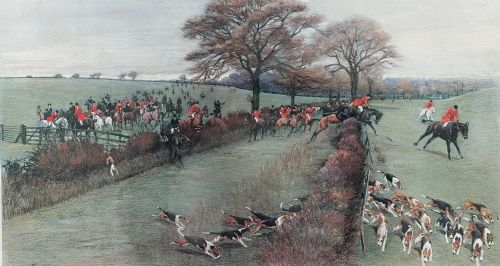
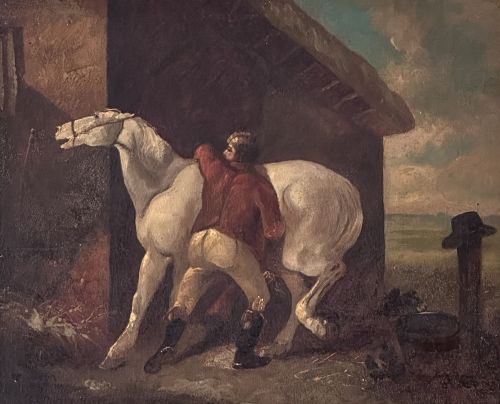
These antique sport prints capture horses, hounds and field pursuits across paper, canvas and copperplate.
Antique Sport Prints
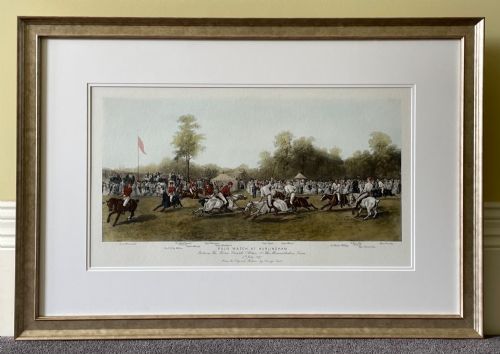
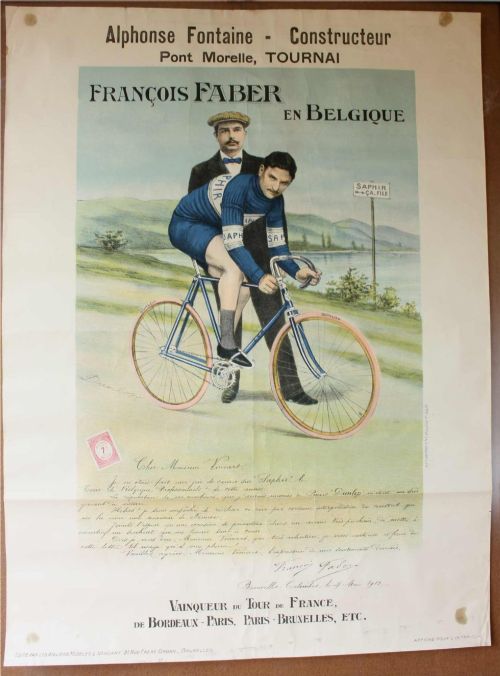
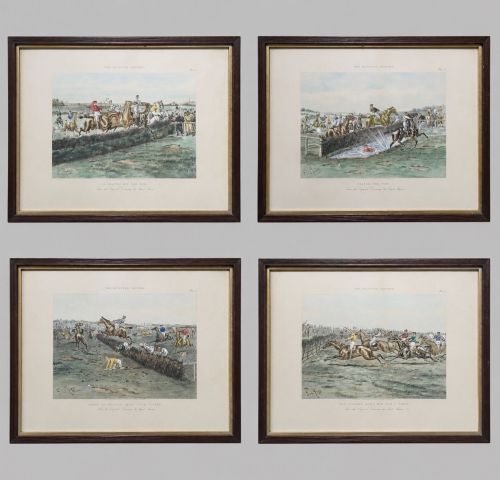
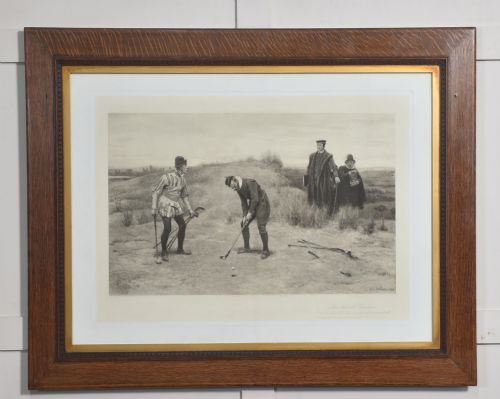
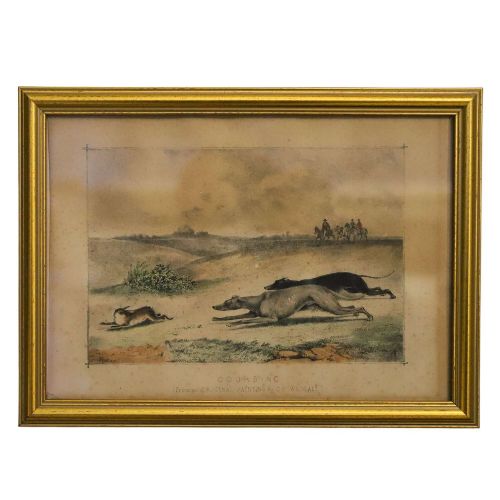
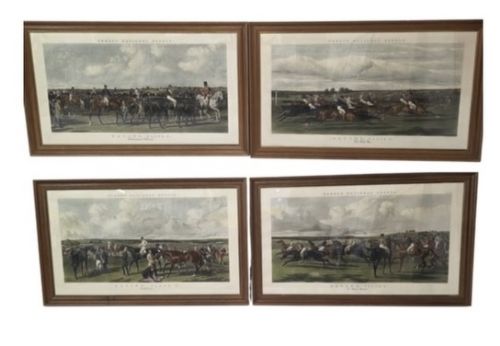
When searching for antique sport prints, buyers encounter a diverse range of disciplines, from horse racing and fox hunting to polo and cycling. The selection on this page leans heavily toward nineteenth-century works, Victorian engravings, and early twentieth-century lithographs depicting equestrian events and field sports.
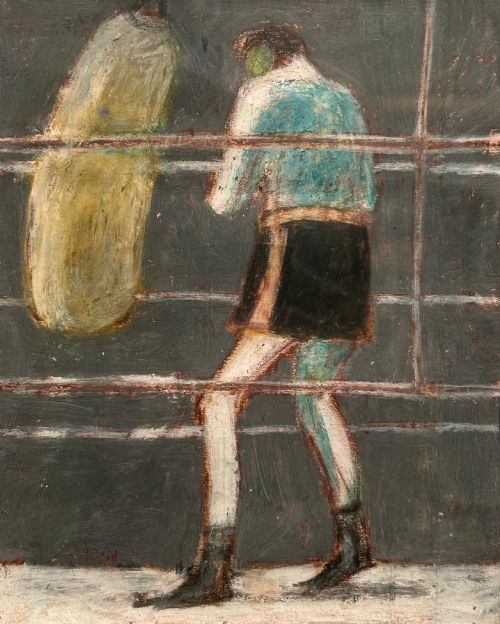
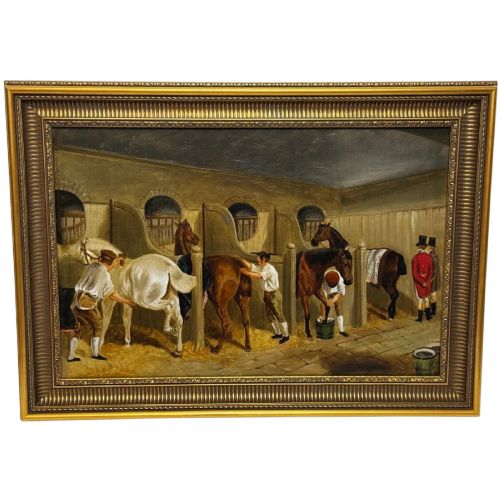
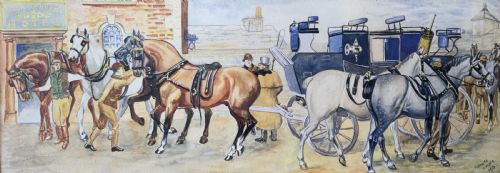
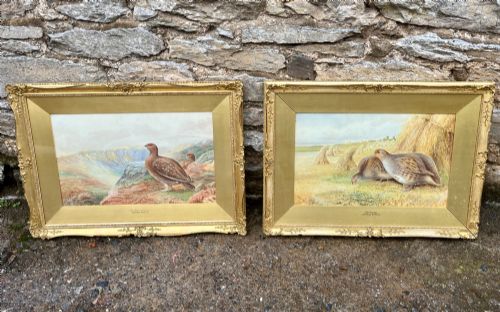
Framed prints and wall art dominate the offerings, often presented alongside original watercolours and oil paintings. These pieces preserve historical sporting moments through mediums ranging from hand-coloured aquatints to vintage posters.
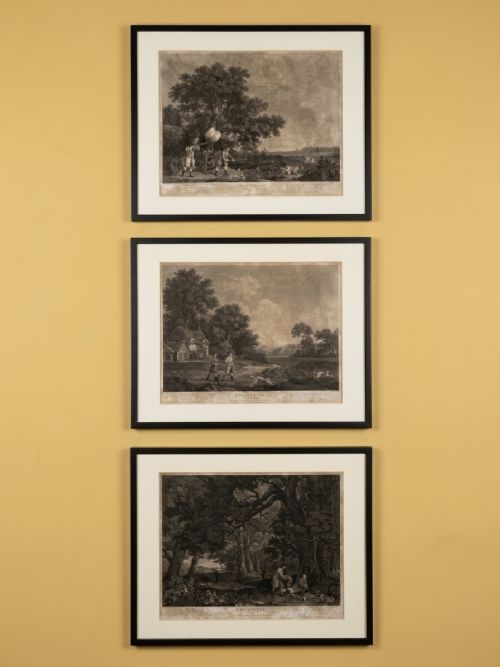
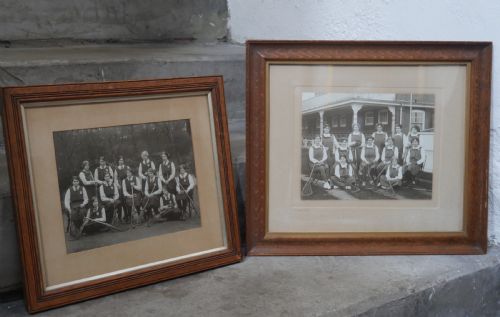
The material record spans centuries, utilising paper, ink, and glass within wooden, gilt, or oak frames. Buyers find both individual plates and complete sets depicting matches, hunts, and animal portraits.
Materials and Methods
Many of these works began as copperplate engravings or lithographs, inked and pressed onto heavy paper before undergoing meticulous hand-colouring. Publishers employed artists to translate oil paintings by masters into multiples suitable for framing.
Framing materials reflect the period of production, incorporating giltwood, oak, and glass to protect the delicate paper beneath. Later twentieth-century items introduce poster formats and photographic processes alongside traditional oil on canvas.
Antique Sport Prints Retail Price Guide 2026
Typical asking prices for sport prints among the pieces listed under this phrase on Sellingantiques today, from the lower quarter to the upper quarter. They describe what is for sale here now, not the wider market.
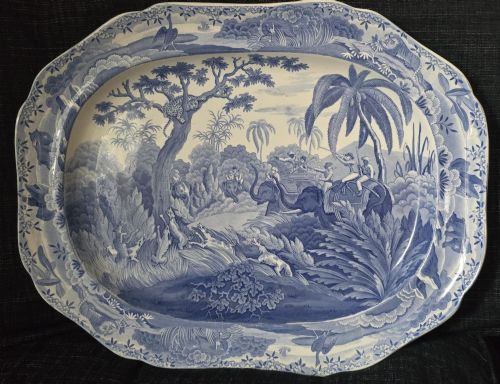
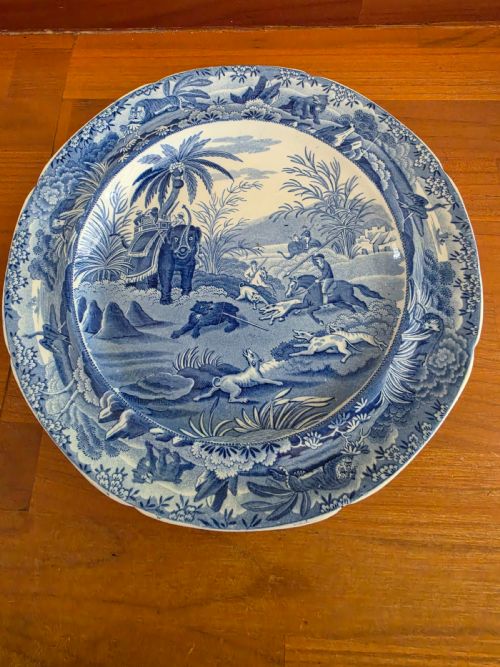
Several prints depict bears, bulls, and leopards alongside traditional foxes and hounds.
Evaluating Quality
Superior examples derive from the clarity of the initial impression and the precision of the hand-colouring applied to the paper. Sharp lines in copperplate engravings and well-preserved ink density distinguish finer plates from worn later printings.
The integrity of the original framing, the absence of excessive foxing on the paper, and the prominence of the artist or publisher elevate certain pieces above standard decorative items.
William Woollett·George Stubbs·George Finch Mason·C. H. Weigall·George Rankin·J. C. Dollman·Snaffles·Alken·John Frederick Herring Snr·Anne Goldthwaite·Herbert Dicksee·Riepenhausen·Charles Faulkner·Alfred Wheeler·James Dobie·W. Dendy Sadler
The Antique Sport Prints Glossary
- Aquatint
- A printmaking technique that produces tonal effects similar to watercolour washes by using acid to etch resin-covered copper plates. This method allowed publishers to replicate the softness of painted scenes.
- Chromolithograph
- A multicoloured print produced through lithography, utilising a separate stone for each colour layer. This process created vibrant posters and book illustrations without requiring manual tinting.
- Engraving
- An intaglio printing process where an artist cuts lines directly into a metal plate with a burin. The resulting grooves hold ink under pressure to transfer fine details onto paper.
- Foxing
- Brown spots and discolouration caused by chemical reactions in ageing paper, often accelerated by damp storage conditions. Collectors assess how significantly these spots obscure the printed image.
- Lithography
- A planographic printing method based on the mutual repulsion of oil and water, enabling the reproduction of drawings on prepared stone slabs. Artists drew directly onto the surface to capture fluid brushwork.
Antique Sport Prints: Frequently Asked Questions
How do I care for antique paper prints?
Keep framed pieces away from direct sunlight to prevent the ink and hand-colouring from fading over time. Maintain stable humidity levels in the room to protect the paper from moisture damage.
Ensure the glass does not press directly against the surface of the print, allowing air to circulate safely within the frame.
Were these prints issued individually or in sets?
Publishers released sporting imagery both as standalone plates and as part of larger serialized portfolios. Complete sets documenting a specific race or hunt remain particularly sought after by collectors.
Individual prints often originated from sporting periodicals, annuals, or dedicated portfolios produced during the Victorian and Edwardian eras.
How can I tell an original print from a reproduction?
Examine the surface under magnification to check for the solid lines of an engraving or the distinct dot patterns of modern mechanical reproduction. Antique impressions display plate marks where the metal edge pressed into damp paper.
Inspect the paper stock and quality of the ink, which should match the technological capabilities of the stated period.
What subjects are most common in sporting art?
Equestrian themes dominate the genre, including horse racing, hunting scenes, polo matches, and coaching journeys. Game birds, canine portraits, and athletic competitions also appear frequently across various decades.
Artists focused heavily on capturing the dynamic movement of animals and the social atmosphere surrounding traditional field sports.