

Antique Spode Ceramics
Antique spode ceramics bring together the height of early nineteenth century British pottery and porcelain tradition for daily use and display.
Antique Spode Ceramics
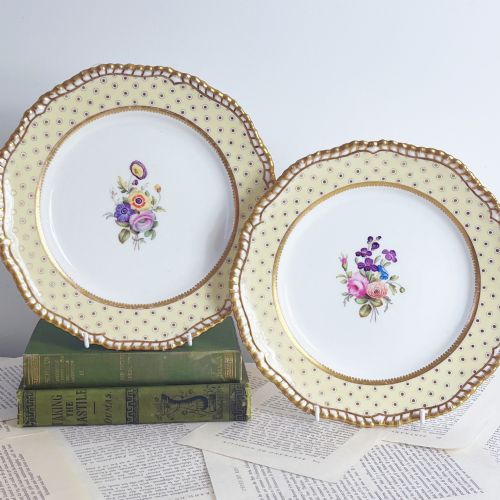
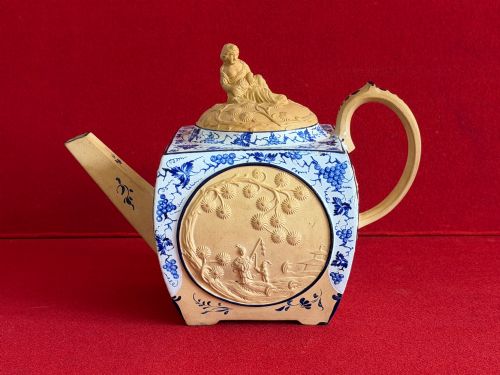
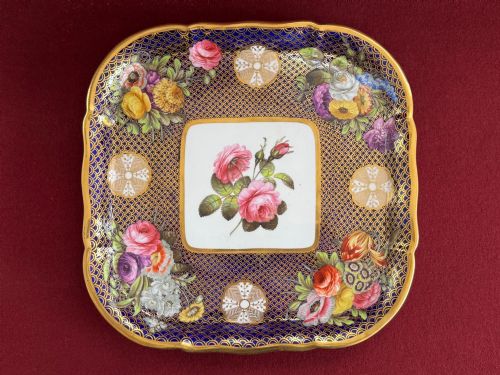
Antique spode ceramics encompass functional and decorative forms spanning the Georgian, Regency, and Victorian eras. Buyers encounter everything from blue and white transfer printed meat platters to elaborately painted felspar porcelain cabinet plates and tea services.
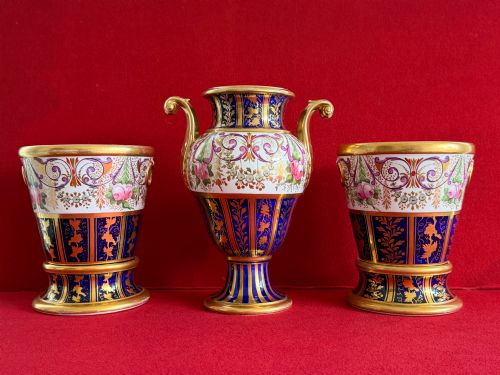
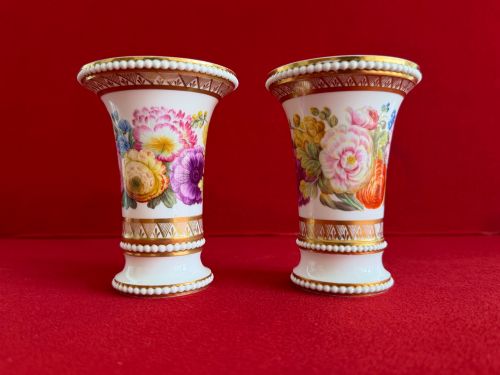
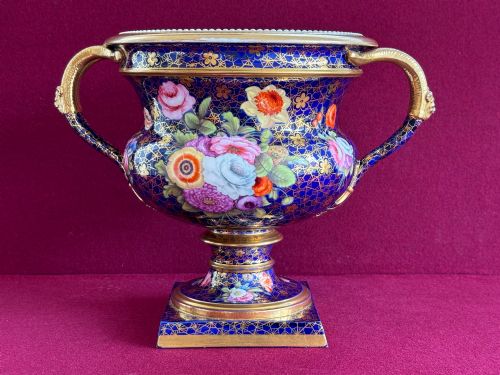
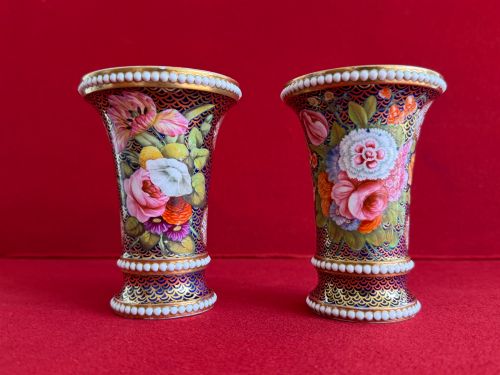
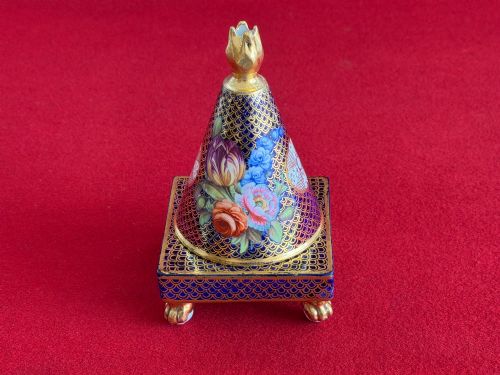
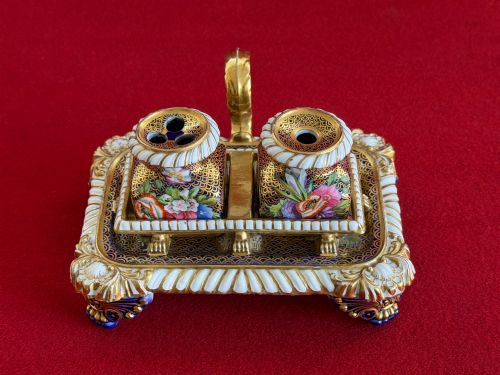
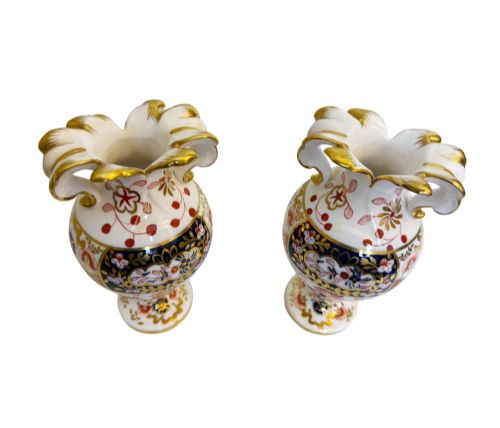
The selection here prioritises tableware and display vessels, including inkstands, vases, and footbaths. Pieces frequently carry specific pattern numbers or named topographical and narrative scenes from the workshop history.
Materials and technique
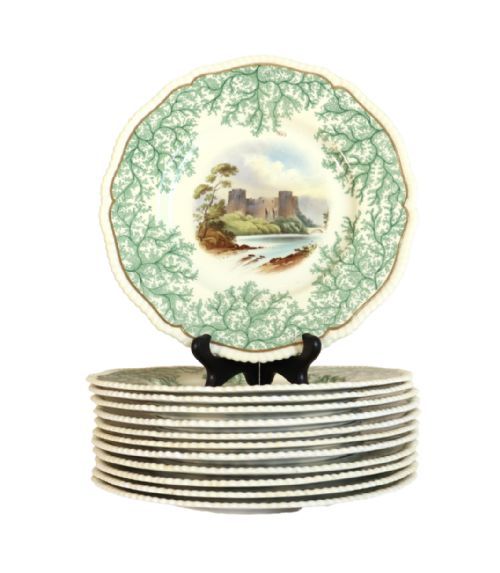
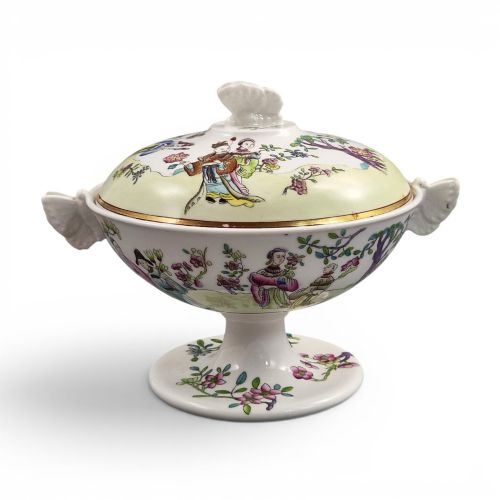
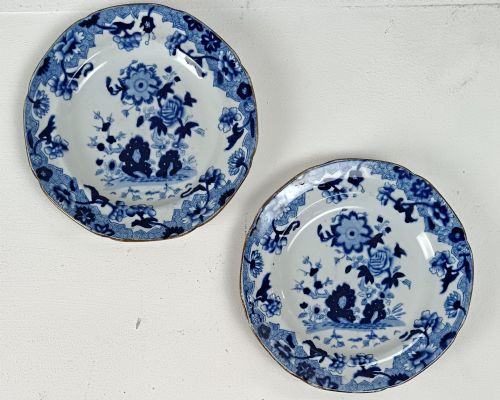
Makers utilised earthenware, bone china, stone china, and felspar porcelain as foundational bodies. Transfer printing allowed intricate blue and white landscapes to be applied uniformly across plates, dishes, and tureens before glazing.
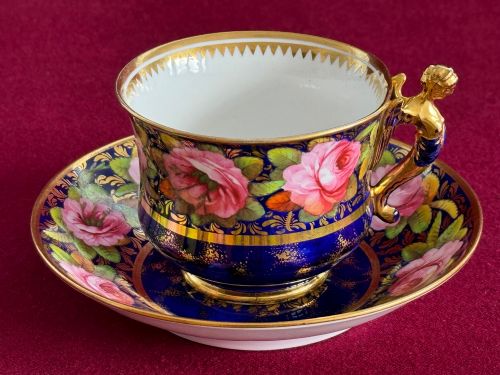
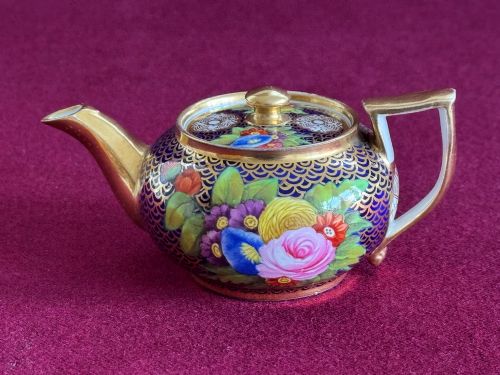
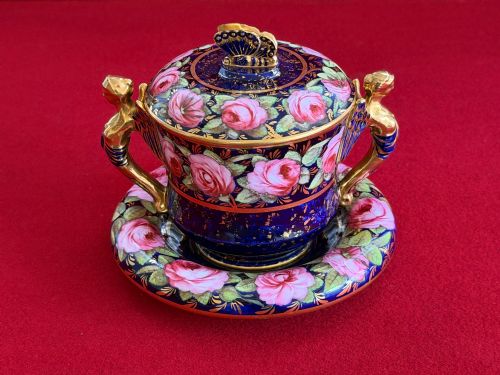
Enamel colours, gilding, and gold leaf were added by hand on finer porcelain items like chocolate cups and vases. The combination of durable body pastes with skilled hand painting defined the output of the factory.
Antique Spode Ceramics Retail Price Guide 2026
Typical asking prices for spode ceramics among the pieces listed under this phrase on Sellingantiques today, from the lower quarter to the upper quarter. They describe what is for sale here now, not the wider market.
Historic table settings occasionally required dedicated vessels for bears and butterflies, ensuring tea time remained thoroughly entertaining.
Judging the range
Completeness within services and unusual functional forms like inkstands, chestnut baskets, or image handle cups elevate individual pieces. Preservation of the glaze and lack of wear on the painted surfaces distinguish standard production from exceptional examples.
Spode·Copeland·Copeland and Garrett
The Antique Spode Ceramics Glossary
- Felspar porcelain
- A durable body patent introduced to improve the strength and whiteness of fine tableware. It allowed potters to cast thinner vessel walls while maintaining stability.
- Transfer printing
- A method of applying copperplate engravings onto ceramic surfaces via tissue paper. This technique enabled consistent mass production of complex pictorial scenes.
- Imari
- A decorative palette inspired by Japanese export wares featuring iron red, cobalt blue, and gold highlights. Spode utilised these rich hues extensively on porcelain teacups and vases.
- Sucrier
- A covered sugar bowl designed as part of a matching tea or coffee service. These vessels often mirror the specific pattern numbers of their accompanying cups and saucers.
- Stone china
- A dense, heavy ceramic body developed to resist chipping during daily dining use. It served as a robust alternative to traditional porcelain for large platters and dinner services.
Antique Spode Ceramics: Frequently Asked Questions
How do I date these ceramics?
Dating relies on recorded pattern numbers, factory marks stamped or painted on the base, and the specific ceramic body used. stylistic shifts from Georgian neoclassical forms to Victorian revival designs also help narrow the manufacturing window.
Comparison with documented chronological series provides a reliable guide to the exact decade of production.
Can I use these plates for dining?
Many antique plates and dishes were built for practical service during the nineteenth century. However, fine porcelain and heavily gilded cabinet pieces require careful handling and gentle hand washing rather than modern mechanical cleaning.
Displaying them on walls or in cabinets helps protect delicate enamel painting and gold leaf from daily wear.
What is pattern numbering?
The factory assigned specific numerical codes to distinct decorative designs as they were created. These numbers were often hand painted on the base of the ceramic piece alongside the maker mark.
Tracing these numbers allows collectors to identify matching components across dispersed teasets and dinner services.
Why are some pieces marked Copeland?
Following changes in ownership and partnerships after the original founder, the firm operated under the names Copeland and Copeland and Garrett. These marks indicate production periods later in the nineteenth century while maintaining the established patterns.
Such stamps provide a clear baseline for dating items that emerged after the foundational decades.