


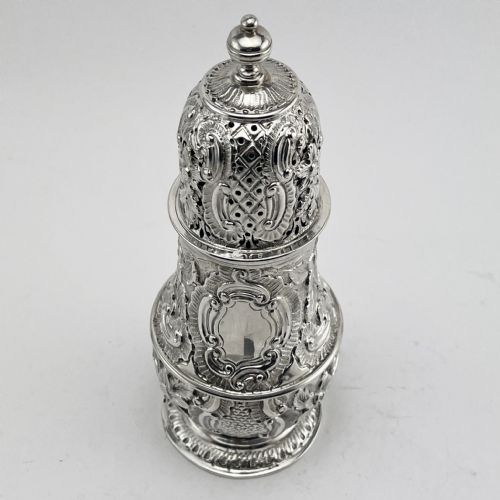


Antique Spice Sifter
An antique spice sifter brings the refined mechanics of eighteenth and nineteenth-century dining tables directly into modern service.
Antique Spice Sifter
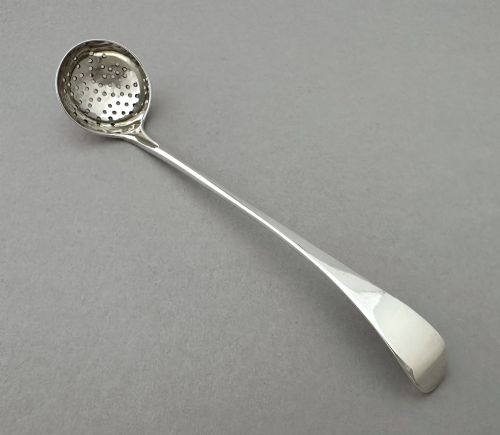
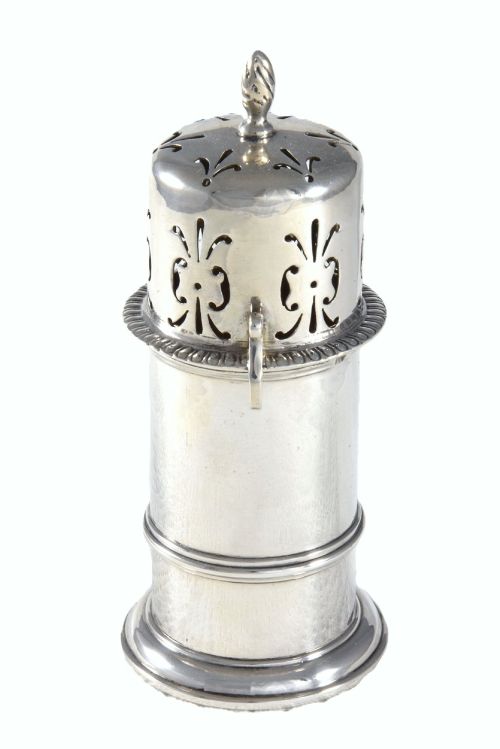
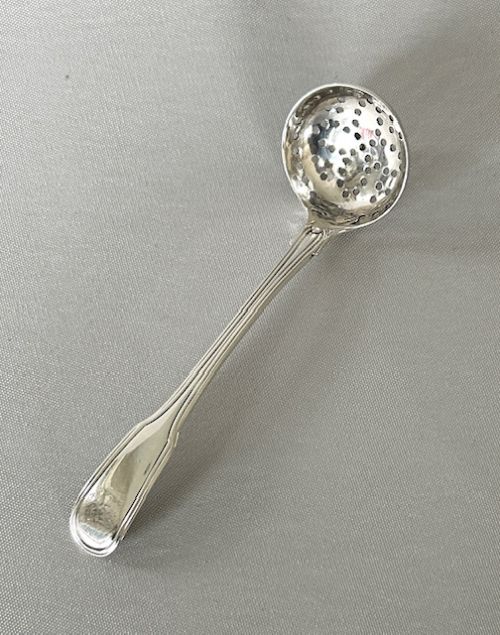
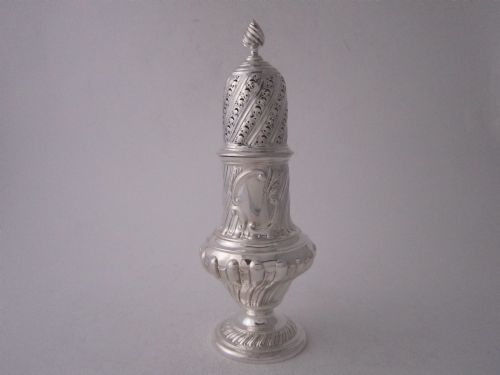
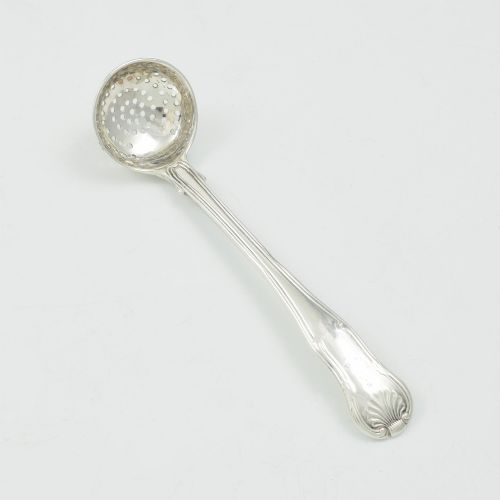
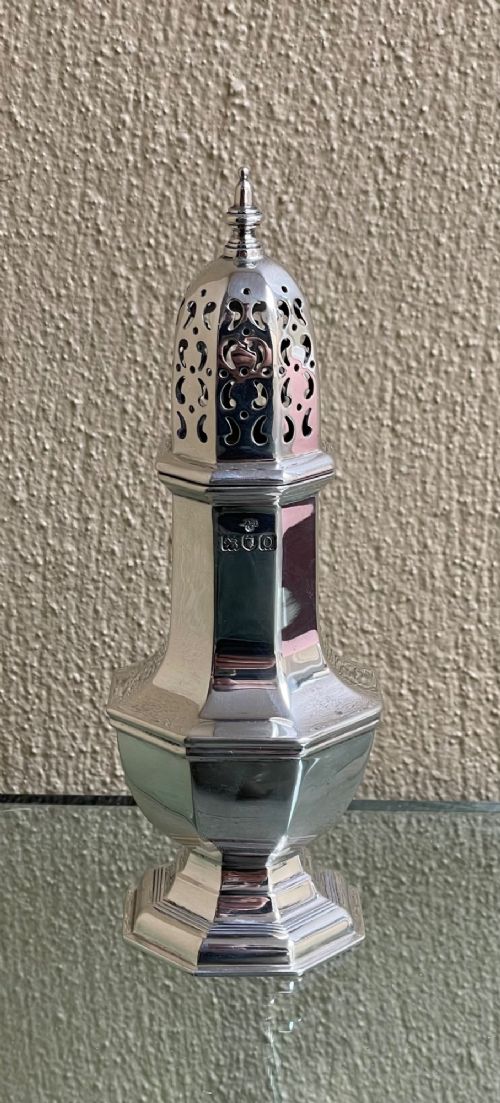
An antique spice sifter encompasses functional serving utensils and containers designed to distribute finely ground spices or sugar across food. When searching for an antique spice sifter, collectors encounter a diverse array of forms ranging from specialised spoons to tall casters.
The objects appearing on this page span several distinct periods including the Georgian and Victorian eras, alongside Edwardian, Art Deco, and mid-twentieth-century designs. Forms represented in these listings include sugar casters, muffleiners, pounce pots, and sifter spoons.
Originating primarily as tableware accessories, these pieces demonstrate how dining customs evolved through the nineteenth and twentieth centuries. The selection bridges the gap between large caster bottles and intimate sifting ladles.
How they were made
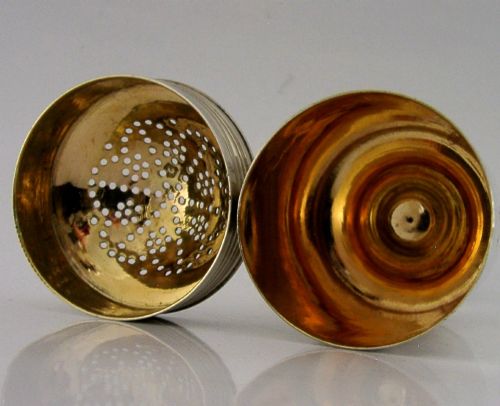
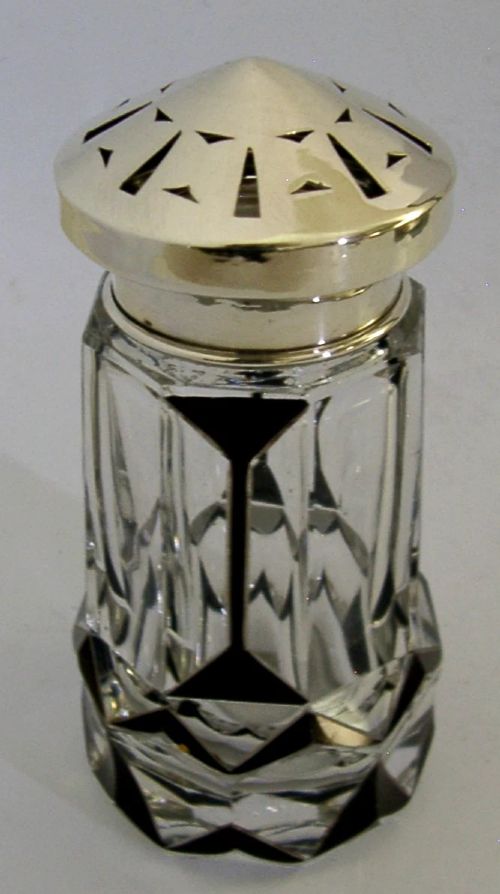
The construction of these pieces relies heavily on sterling silver and brass, often enhanced with vermeil finishes, cut glass inserts, and colourful enamel work. Metalsmiths shaped these materials into pierced tops and delicate ladle bowls designed for dry seasonings.
Techniques range from traditional Georgian silversmithing involving hand-punched perforations to later Art Deco enamel applications on sterlings silver structures. Manufacturers utilised hallmarking practices that record specific towns like Sheffield and London alongside maker marks.
Antique Spice Sifter Retail Price Guide 2026
Typical asking prices for spice sifter among the pieces listed under this phrase on Sellingantiques today, from the lower quarter to the upper quarter. They describe what is for sale here now, not the wider market.
Some of these clever little spoons were engineered with hinged bowls designed to clamp delicate herbs shut while guests stirred their tea.
What varies in quality
Quality in these pieces rests upon the precision of the piercing on the shaker tops and the crispness of any engraved crests or heraldry. Early examples show hand-cut apertures, whereas later production incorporates machine-pierced patterns.
Material weight and surface preservation distinguish finer examples from standard utilitarian items, particularly where vermeil plating or enamel panels remain intact. The integration of decorative styles such as the King's Hourglass pattern indicates higher design ambition.
Stephen Adams·James Dixon And Sons Ltd
The Antique Spice Sifter Glossary
- Muffineer
- A small caster or shaker traditionally used for sprinkling sugar or spices over muffins and hot bread. These vessels typically feature a pierced domed top.
- Pounce pot
- A small container with a perforated top used to sprinkle sand or gum sandarac powder over wet ink to speed drying. They share similar forms with early spice casters.
- Vermeil
- Sterling silver plated with a thin layer of gold. This finish adds a warm, luxurious tone to the interior or exterior of silver tableware.
- Hallmark
- An official stamp applied to precious metals indicating the standard of purity, the assay office, and the year of manufacture. British pieces frequently display these crucial diagnostic marks.
- Caster
- A cylindrical container with a perforated lid designed for shaking sugar or condiments. They form a significant portion of surviving silver dining wares.
Antique Spice Sifter: Frequently Asked Questions
What is an antique spice sifter used for?
These pieces served to dust fine spices or sugar over food and beverages during formal dining. Their pierced lids allowed controlled distribution before the widespread availability of granulated seasonings.
Today, collectors utilise them for similar table settings or display them as examples of historical metalwork.
How do I identify a Georgian spice sifter?
Georgian pieces typically display distinct hand-hammered construction, hallmarks denoting late eighteenth or early nineteenth-century production, and classical decorative motifs. They often take the form of muffineers or deep sifting spoons with pierced bowls.
Examining the assay marks and crests provides the most reliable confirmation of a Georgian origin.
Are brass shakers common among these antiques?
Brass examples appear less frequently than sterling silver items but represent alternative utilitarian dining accessories from the Victorian period. Their construction differs by utilising base metals rather than precious silver.
These pieces offer a different aesthetic while serving the same functional purpose at the table.
What materials are used in these items?
The listings feature sterling silver as the primary material, alongside brass, cut glass, and enamel highlights. Vermeil finishes also appear on select pieces to provide a gold-gilded surface.
Each material dictates the care required and influences the visual character of the utensil.