










Antique Spelter Bronze Statue
An antique spelter bronze statue gives you the weighty presence of bronze through a zinc alloy base, often found in Art Deco dancers and Victorian figures.
Antique Spelter Bronze Statue
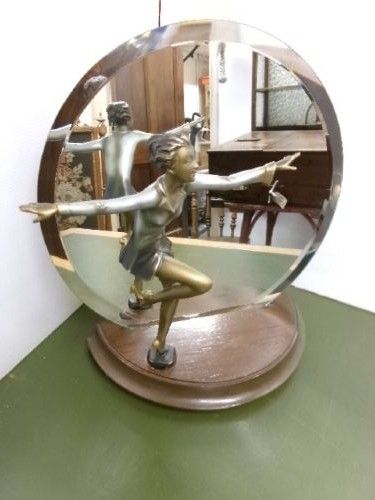
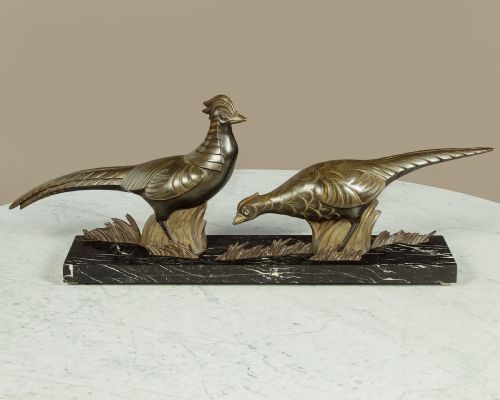
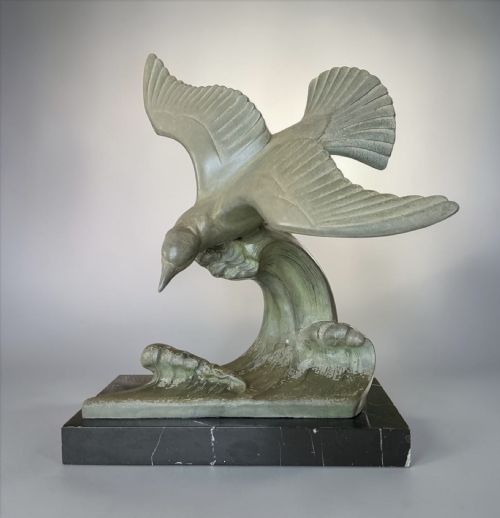
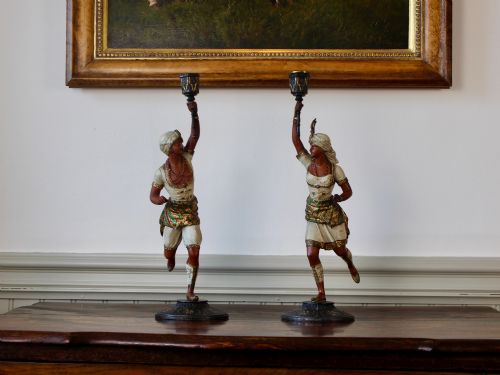
When you search for an antique spelter bronze statue, you encounter figures, groups, and functional items like lamps and candlesticks produced mainly across the nineteenth and twentieth centuries. The selection leans heavily towards French foundry work, spanning Victorian, Art Nouveau, and particularly Art Deco aesthetics.
You are most likely to meet figures of dancers, animals such as panthers and pheasants, and human subjects ranging from farm labourers to sports figures like tennis players and cyclists. These pieces often incorporate practical elements, serving as table lamps, bookends, or clock garnitures alongside standalone sculptures.
How they were made
These items use spelter, a zinc-based alloy often cast to imitate bronze, combined with heavy mineral plinths made from marble, onyx, or slate. Foundry workers frequently applied patinated metal finishes, bronze paints, or cold painting techniques to colour the surface and mimic richer metals.
Makers mounted these metal figures onto stone bases using threaded bolts or pins, integrating materials like wood, glass, and cast metal into more complex objects such as figural lamps and garnitures.
Listings feature French Art Deco dancers, animals, and Victorian figures mounted on marble and onyx bases.
What varies in quality
The choice of mounting materials also separates tiers of production, with dense black marble or multi-coloured onyx plinths indicating higher-grade presentation compared to basic wooden or lesser alloy supports.
F.Milliot·Josef Lorenzl·P. Sega·Geo Maxim·Chiparus·Ernest Rancoulet
The Antique Spelter Bronze Statue Glossary
- Spelter
- A zinc alloy commonly used in nineteenth and twentieth-century European sculpture as an economical alternative to bronze. It accepts patination well but remains softer than true bronze.
- Patinated metal
- Metal treated with chemicals, heat, or paint to produce a specific surface colour or aged appearance. This finish protects the underlying alloy and creates the visual depth of aged bronze.
- Cold painted
- A method of applying paint to a metal object without subsequent firing or heat treatment. This technique appears frequently on nineteenth and twentieth-century continental figures.
- Garniture
- A set of ornamental objects, typically a clock accompanied by matching vases or candelabra, designed to sit together on a mantelpiece. These sets frequently incorporated spelter figural components.
- Plinth
- A heavy base supporting a statue or sculpture, constructed here in materials such as marble, onyx, or slate to give stability to the lighter metal figure above.
Antique Spelter Bronze Statue: Frequently Asked Questions
What is spelter?
Spelter is a zinc-based alloy that European foundries used extensively for decorative sculptures, lamps, and mantel ornaments. It provided an accessible medium for detailed casting during the Victorian and Art Deco periods.
While softer than bronze, spelter was often finished with patination or bronze paint to achieve a similar appearance at a lower cost to the buyer.
How do I date these figures?
Dating relies heavily on stylistic markers, such as the geometric lines of Art Deco pieces from the nineteen-thirties or the flowing floral motifs of Art Nouveau items from around eighteen-eighty to nineteen-hundred. Base materials also offer clues, as heavy onyx and marble plinths became particularly popular in twentieth-century French production.
Signatures or foundry marks inscribed on the metal or the base further help pin down the period of manufacture when artists or workshops can be identified.
Are these statues solid bronze?
These pieces are cast from a zinc alloy rather than solid bronze, though period manufacturers often applied bronzed finishes to create that visual effect. Tapping the metal is not recommended, but inspecting the underside or areas of wear will reveal the lighter, greyish metal beneath the surface finish.
This material distinction allowed makers to produce intricate figures of dancers, animals, and soldiers for middle-class homes.
How do I care for a spelter statue?
Care involves keeping the piece away from moisture and direct sunlight to protect the patinated metal surface or cold-painted details. Dusting gently with a dry, soft cloth preserves the finish without wearing away the applied colour.
Avoid using liquid metal polishes or chemical cleaners, as these can strip the historical patination and expose the raw zinc alloy underneath.