
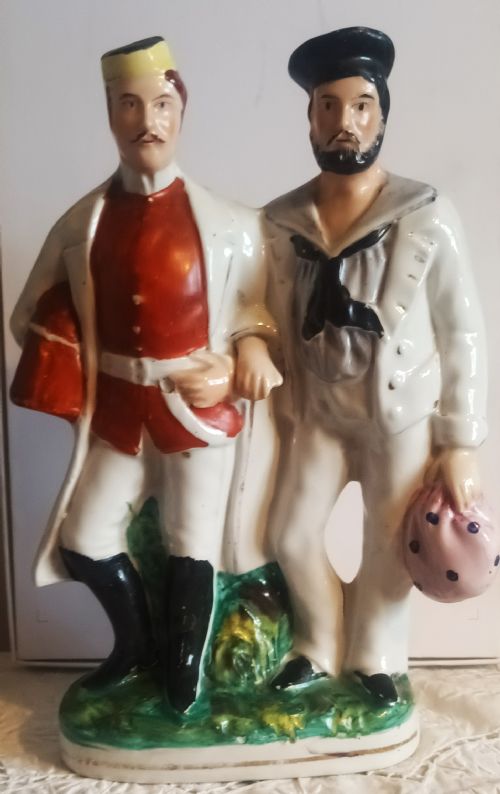
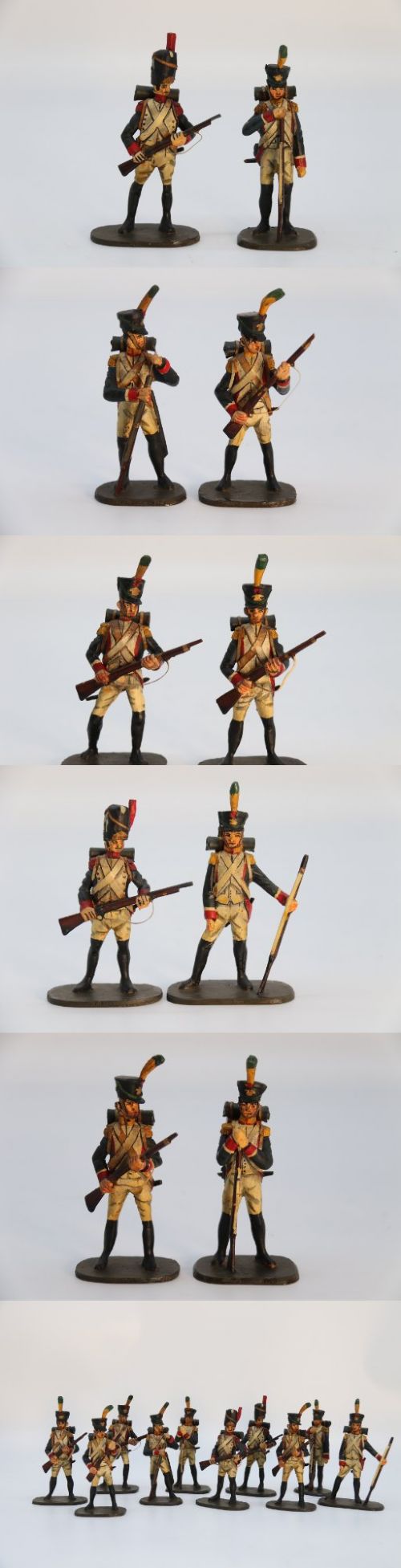


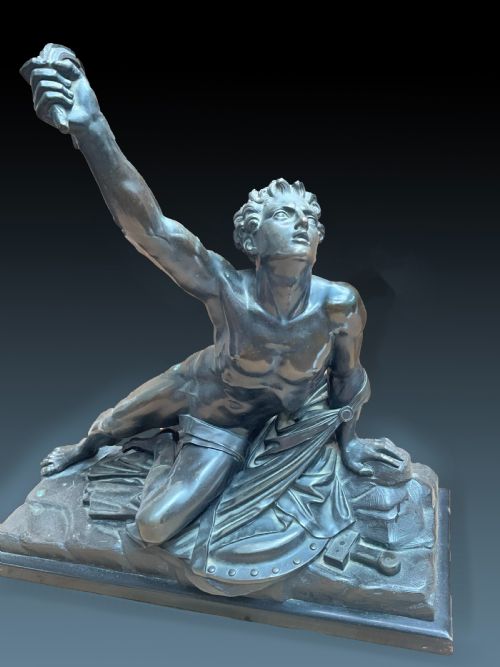


Antique Soldier Figurine
These antique soldier figurine pieces capture military history in bronze, brass, pottery, and silver, offering collectors tangible fragments of past campaigns.
Antique Soldier Figurine
When you search for an antique soldier figurine, you encounter a varied selection of sculptural works spanning the nineteenth century and the early twentieth century. These figures represent military figures, guards, and historical personages through diverse regional traditions.
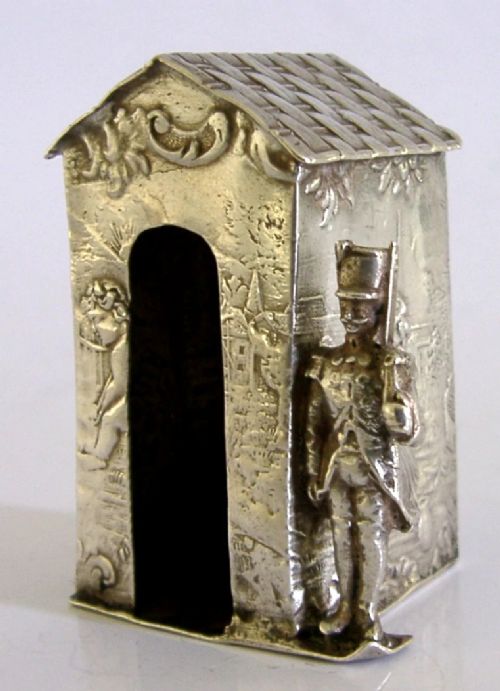
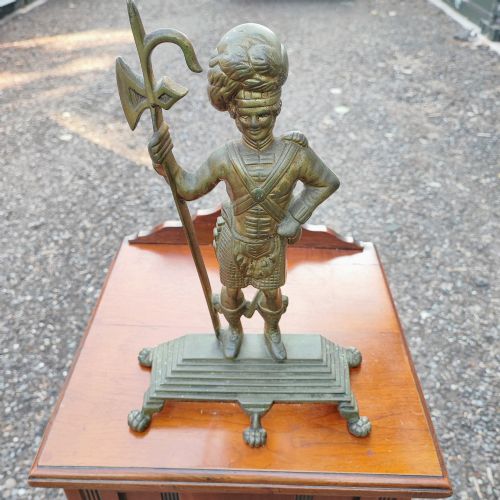
The objects on this page range from heavy brass doorstops and Staffordshire pottery pieces to patinated bronze sculptures and Hanau silver miniatures. French and British examples predominate, alongside German historicism and Napoleonic era works.
Collector choices extend from large bronze statues and paired cavaliers to delicate porcelain figures and hand-painted wooden military sets. Each piece records the uniform and posture of its specific era.
Materials and methods
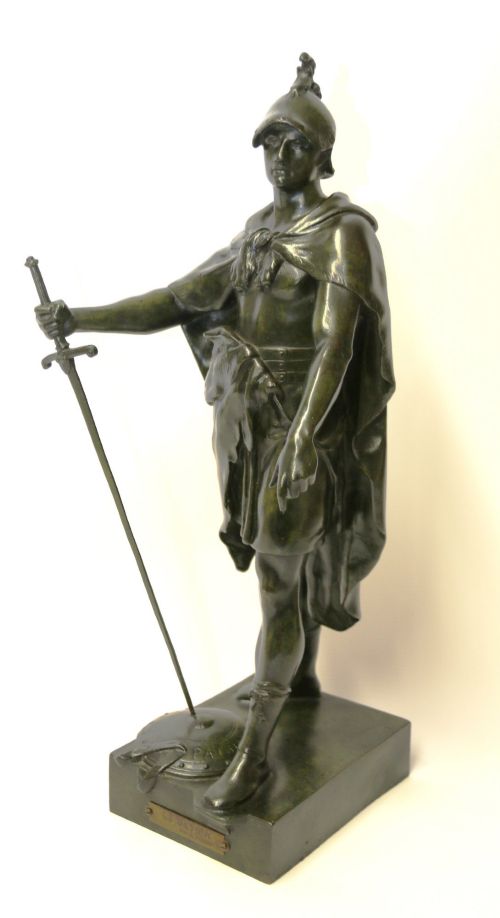
Foundry-cast bronze and brass form the structural basis for many sculptural pieces, frequently finished with patination, paint, or enamel details. Metalworkers utilised traditional casting techniques to capture fine details in uniforms, armour, and weaponry.
Ceramic and earthenware pieces rely on moulded clay bodies finished with glaze and hand-painted pigments, as seen in Staffordshire pottery and Derby porcelain. Parian ware utilises unglazed porcelain to achieve a marble-like texture for figural representation.
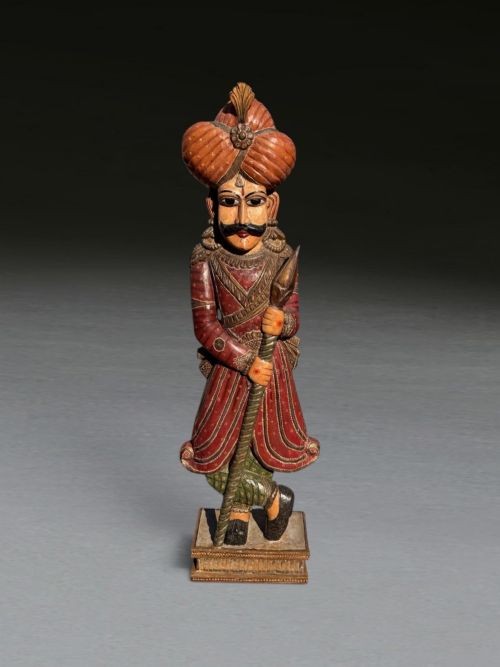
Woodcarving and silverworking appear in specific groups, utilising hand-carved painted wood for sets of figures and Hanau sterling silver for intricate miniatures.
Materials across these listings include bronze, brass, earthenware, silver, glaze, and wood.
Assessing quality
Surface finish significantly influences the character of a piece, with well-preserved patination, original enamel work, and carefully applied hand-painting maintaining the intended visual impact. Studio attribution and foundry marks also separate standard decorative objects from documented artistic bronzes.
Émile Louis Picault·E.H. Dumaige·Salmson·C.Anfrie
The Antique Soldier Figurine Glossary
- Patinated bronze
- Bronze treated with chemical solutions to produce a specific surface colour or tone. This process protects the metal while enhancing the definition of sculptural details.
- Staffordshire pottery
- Earthenware produced in the Staffordshire potteries of England, known for glazed figural groups and portrait figures. These objects were popular domestic shelf ornaments in the Victorian era.
- Parian ware
- A fine-grained, unglazed porcelain resembling white marble, developed during the nineteenth century. It is used primarily for portrait busts and classical or historical figures.
- Hanau silver
- Silverware produced by silversmiths in Hanau, Germany, often copying historical styles and miniature objects. These pieces frequently feature intricate repoussé and chased details.
Antique Soldier Figurine: Frequently Asked Questions
What metals are used in these figures?
The listings include pieces cast in patinated bronze, standard bronze, and brass. Some items incorporate Hanau sterling silver for miniature works.
These metals provide the weight and durability necessary for sculptural figures and functional items like doorstops.
How do I identify a Victorian piece?
Victorian figures often display distinct stylistic markers associated with nineteenth-century British production, including Staffordshire earthenware and brass cavalier figures. Maker attributions and period materials help confirm the date.
Examination of the base and glaze or patina will further clarify the manufacturing era.
Were these figures meant for display?
Most of these objects served as decorative mantel figures, cabinet sculptures, or occasional doorstops. Materials such as painted porcelain and fine bronze were chosen for visual appeal in domestic interiors.
Some smaller silver miniatures and wooden sets functioned as cabinet collectibles or tabletop displays.
What is the difference between bronze and spelter?
Bronze is a durable copper alloy capable of holding sharp, crisp details and deep patination. Spelter is a softer zinc-based alloy often used as a more economical alternative for French figural sculptures.
Weight and surface characteristics generally distinguish the two materials upon closer inspection.